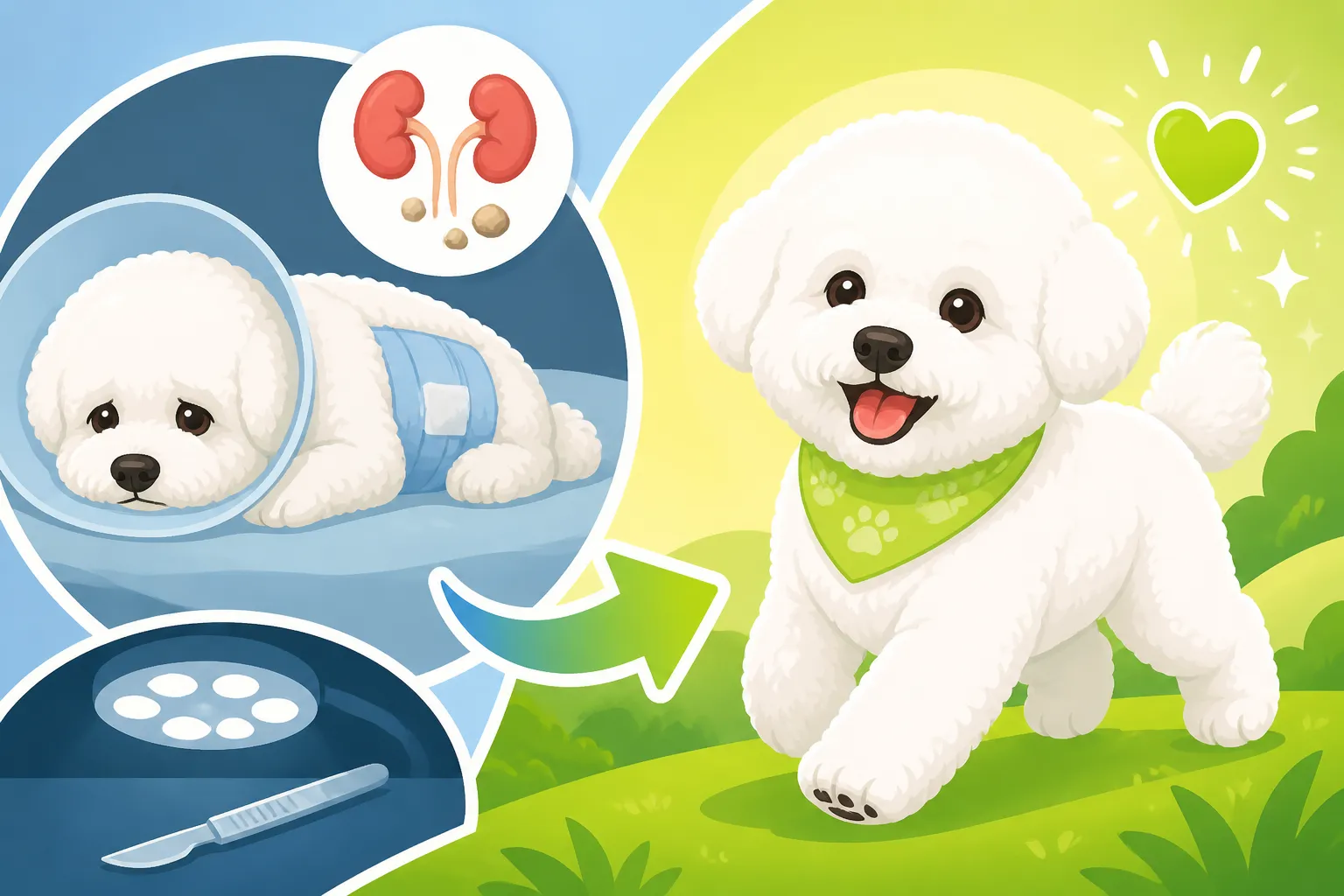
Whether a Bichon Frise Recovers Quickly From Stone Surgery
It's incredibly stressful when your sweet Bichon Frise has to go through something as serious as stone surgery. After the initial relief that the immediate danger is over, the worry quickly shifts to, "How fast will my little companion bounce back? Will they really recover quickly from stone surgery?" It's a completely valid concern, and as fellow Bichon lovers, we know you want to do everything right to get them back to their playful selves. This guide will walk you through what to realistically expect during your Bichon's recovery journey, from those critical first hours to the weeks that follow, helping you navigate their healing process with confidence and understanding.
The Immediate Aftermath: The First 24-48 Hours Post-Surgery
Bringing your Bichon home after stone surgery can be a bewildering experience. They might not be the perky little fluffball you dropped off; instead, you're greeted by a groggy, possibly whiny, and definitely sore pup. This initial phase is crucial, but it's also where many owners feel the most helpless. Your vet will provide discharge instructions, but let's break down what's really happening.
Anesthesia Wears Off: Groggy and Disoriented
When your Bichon first comes home, they'll still be feeling the lingering effects of the anesthesia. This isn't like a quick nap; it's a significant medical procedure, and their system needs time to clear the sedatives. You might notice them stumbling a bit, having trouble balancing, or appearing unusually quiet and withdrawn. They might even whine or cry, not necessarily from severe pain, but from disorientation and confusion as they come out of the fog. It's heart-wrenching to witness, but it's a normal part of the process. Create a quiet, comfortable space for them, ideally on the floor or a low couch where they can't fall. Keep other pets and noisy children away to minimize stress. Offer small amounts of water, and if your vet approves, a tiny bland meal a few hours after they've settled, but don't force it.
Managing Incision Site and Pain
Your Bichon will have an incision, likely on their abdomen, where the stones were removed. It might look a little angry and swollen, and that's okay within reason. What's not okay is excessive redness, discharge, or a foul odor – these are signs to call your vet immediately. They'll send your dog home with pain medication, and adhering to the prescribed schedule is absolutely critical. Don't try to "tough it out" or skip doses because your dog seems okay; the pain meds work best when consistently administered, staying ahead of the pain rather than chasing it. Many clinics use long-acting injections for the first day or two, followed by oral medication. Remember that even a small dog like a Bichon can experience significant post-operative discomfort, so diligent pain management is key to a smoother recovery.
The Dreaded E-Collar: A Necessary Evil
Ah, the "cone of shame." No one likes it, especially your Bichon, but it's non-negotiable. Dogs, by instinct, will lick or chew at any wound. An incision from stone surgery is no exception. Licking introduces bacteria, which can lead to infection, and chewing can cause the incision to open up, which is a severe complication requiring immediate veterinary attention and potentially more surgery. If your Bichon is really struggling with a traditional cone, ask your vet about softer alternatives, inflatable collars, or even recovery suits, but ensure whatever you use effectively prevents them from reaching the incision. This is often the biggest battle during the first few days, but protecting that incision is paramount for healing.
Navigating the First Week: Critical Care at Home
The first week after surgery is truly where your commitment as a caregiver shines. This period demands vigilance, patience, and a keen eye for subtle changes. It’s also when you realize that "quick recovery" doesn't mean "instantaneously back to normal."
Strict Rest and Activity Restriction
Your Bichon needs strict rest. This means no jumping, no running, no stairs, and absolutely no rough play. Short, controlled leash walks solely for potty breaks are generally all that's allowed, and even then, keep them brief and calm. Think of your Bichon as a tiny patient recovering from major abdominal surgery – their internal tissues are still very delicate and need time to heal without strain. This can be challenging with a naturally energetic breed, but it's vital. Crate rest or confining them to a small, safe room where they can't get into mischief is often the best approach. If they normally sleep on your bed, consider setting up a comfortable bed on the floor for them temporarily to avoid risky jumps.
Monitoring Urination and Bowel Movements
One of the primary reasons for stone surgery is often to relieve a urinary obstruction or address painful urination. Therefore, carefully monitoring your Bichon's urination is extremely important. You want to see them urinating freely, without straining, and producing a normal volume. The color might be a little reddish initially due to residual bleeding, but it should quickly clear. Any signs of straining, frequent attempts to urinate with little production, or complete inability to urinate are serious red flags for a potential blockage or swelling near the urethra. This is an emergency and requires an immediate call to your vet or emergency clinic. You've been through a lot to fix this problem, and you need to ensure it stays fixed. Also, keep an eye on their bowel movements. Anesthesia and pain medications can sometimes cause constipation. Ensure they are having regular, soft-formed stools within a day or two of coming home.
Incision Care and What to Watch For
Continue to inspect the incision site daily. Look for:
- Redness or Swelling: Some mild swelling and redness are normal immediately after surgery, but it should not worsen.
- Discharge: A tiny bit of clear or slightly pinkish discharge is sometimes acceptable, but pus, greenish discharge, or heavy bleeding is not.
- Gaps: Ensure the incision edges are well-approximated (closed together). Any opening, especially one that exposes underlying tissue, is a dehiscence.
- Bruising: Some bruising around the incision can occur, especially in fair-skinned dogs.
- Heat: The area should not feel excessively hot to the touch.
Your vet might recommend cleaning the incision with a gentle antiseptic solution or just keeping it dry. Follow their specific instructions. If you have any concerns, even if they seem minor, it's always best to contact your veterinary clinic. They'd rather you call with a false alarm than miss a serious complication.
The Road to Full Recovery: Weeks 2-6 and Beyond
True recovery extends well beyond that first anxious week. While your Bichon might start to seem more like themselves, the internal healing process takes longer, and continued care is essential.
Gradually Increasing Activity
Around the second week, if your vet gives the all-clear, you can begin to gradually increase their activity levels. This means slightly longer, still-controlled leash walks, but still no off-leash running or intense play. Imagine a gradual progression, adding a few minutes to walks each day or allowing gentle indoor play under strict supervision. The goal is to build up their strength and stamina without overdoing it and risking internal complications or incision issues. Pay close attention to your Bichon's cues; if they seem tired or sore, it's time to rest. Remember, some dogs are incredibly stoic, so you need to be their advocate.
Follow-Up Appointments and Stitch Removal
Most vets will schedule a follow-up appointment within 10-14 days post-surgery. This is crucial for checking the incision, assessing overall healing, and often, removing external stitches or staples. Even if your Bichon had dissolvable sutures, a check-up is important to ensure everything is progressing as it should. This is also your chance to ask any lingering questions and address concerns you've noticed during their at-home recovery. Don't skip these appointments! They are a vital part of ensuring a complete and safe recovery.
Long-Term Lifestyle Adjustments for Stone Prevention
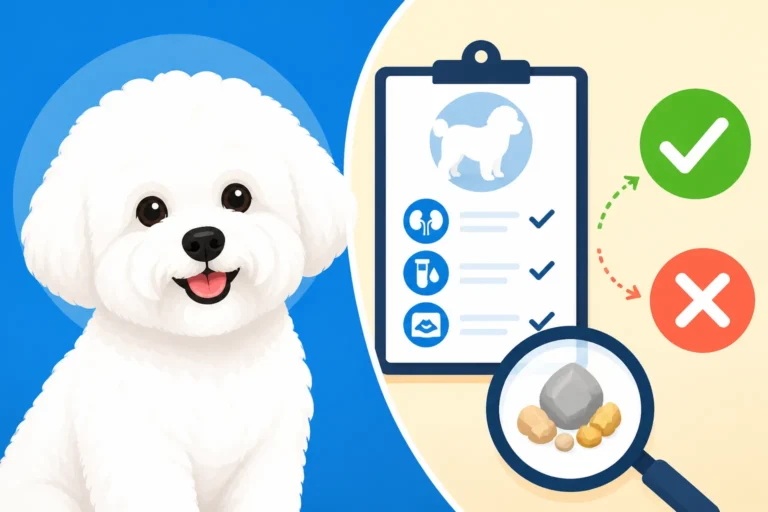
For Bichon Frises, stone surgery is often just one part of a larger picture, especially since they are genetically predisposed to certain types of stones, like calcium oxalate. The recovery from surgery is the immediate hurdle, but the long-term recovery involves preventing future stones. This means lifestyle changes that will last the rest of their lives. Many Bichons with a history of stones will need to be on The Diet a Bichon Frise Stays On for Life. This prescription diet is formulated to alter urine pH and dilute minerals, making stone formation less likely.
Increasing water intake is also hugely important. You might need to consider feeding wet food, adding water to kibble, or using a pet water fountain to encourage more drinking. Diluted urine is less likely to form crystals and stones. You can learn more about Whether Water Intake Changes a Bichon Frise's Risk. Regular monitoring through Whether a Bichon Frise Should Be Urine Tested Yearly and Whether a Bichon Frise Needs Imaging Every Six Months are often recommended to catch any new crystal formation early. It’s a commitment, but it’s the best way to keep those painful stones from coming back.
Potential Bumps in the Road: Complications and What to Watch For
While most Bichons recover well from stone surgery, it's essential to be aware of potential complications. Knowing what to look for means you can act quickly and give your dog the best chance of overcoming any setbacks.
Incision Complications
The most common issues relate to the surgical site. These include:
- Infection: Redness, swelling, heat, pus, or a foul odor.
- Dehiscence: The incision opening up, exposing underlying tissue. This is an emergency.
- Seroma/Hematoma: A fluid pocket (seroma) or blood collection (hematoma) under the skin, causing swelling. Small ones might resolve on their own, but larger ones may need draining.
Always contact your vet if you suspect any of these. Early intervention is key to preventing minor issues from becoming major problems.
Urinary Tract Issues
Despite surgery, the urinary tract can still present challenges:
- Urinary Tract Infection (UTI): Sometimes UTIs can develop after surgery. Signs include increased frequency of urination, straining, small amounts of urine, or licking the genital area excessively.
- Urethral Spasm/Swelling: Swelling or spasms in the urethra (the tube carrying urine out of the body) post-surgery can mimic a blockage. Your vet may prescribe muscle relaxers or anti-inflammatories.
- New Stone Formation/Recurrence: This is a very real concern for Bichons. As noted, they are prone to recurrence. If you notice signs similar to the original stone symptoms – straining, blood in urine, frequent urination – contact your vet immediately. This underscores why proactive prevention is so vital. You might wonder, How Often a Bichon Frise's Stones Return, and unfortunately, it can be higher than you'd like without proper preventative care. Many owners have to face the difficult question of Whether a Bichon Frise Can Have Repeat Surgeries.
Anesthesia-Related Problems
While rare, some dogs can experience lingering effects or complications from anesthesia, such as prolonged lethargy, vomiting, or respiratory issues. Your vet will have monitored your Bichon closely during and after the procedure, but if you notice anything unusual in the first 24-48 hours, don't hesitate to call.
| Recovery Phase | Key Milestones & Owner Tasks | What to Watch For & Potential Concerns |
|---|---|---|
| Day 1-2 | Groggy, quiet. Strict rest. Pain meds. Water & small bland meals. | Excessive grogginess, refusal to drink, straining to urinate, incision bleeding |
| Days 3-7 | Less pain, more alert. Strict rest. Incision checks. Regular potty breaks. | Vomiting, diarrhea, continued straining to urinate, incision redness/swelling |
| Week 2 | Follow-up vet visit, stitch removal. Gradual activity increase. Continued diet. | Incision opening, signs of UTI (frequent licking, small urinations) |
| Weeks 3-6 | Returning to normal activity, full incision healing. | Continued pain, lameness, reluctance to move, new signs of urinary issues |
| Beyond 6 Weeks | Back to full activity. Permanent diet changes. Long-term monitoring. | Recurrence of stone symptoms, changes in urination, general malaise |
The Emotional and Financial Toll of Stone Surgery Recovery
Let's be real: watching your beloved Bichon go through surgery and recovery is incredibly hard, both emotionally and financially. It’s natural to feel overwhelmed, anxious, and even guilty.
Managing Your Own Stress
Seeing your dog in discomfort, dealing with a cone, managing medications, and constantly monitoring them can take a toll on you. It's okay to feel stressed! Give yourself grace, know that you're doing your best for your furry family member, and don't hesitate to reach out to your vet with any questions, no matter how small they seem. A quick call can often alleviate a lot of anxiety. Connecting with other Bichon owners who've been through similar experiences can also be incredibly helpful for emotional support.
Understanding the Costs Involved
Stone surgery is a significant expense, and the recovery period can incur additional costs for medications, follow-up visits, and special diets. Knowing What One Bichon Frise Stone Surgery Costs and What Three Cost can be daunting. This is where pet insurance can be a real game-changer. Many owners find peace of mind with a robust pet insurance plan, and providers such as Healthy Paws offer coverage options that can be a real lifeline for unexpected veterinary expenses. It's worth considering Whether a Bichon Frise Is Worth Insuring From Eight Weeks to help mitigate the financial impact of such health challenges.
In conclusion, while a Bichon Frise can certainly recover well from stone surgery, the idea of a "quick" recovery is often a misnomer. It's a journey that requires careful monitoring, strict adherence to veterinary advice, and a significant commitment from you, the owner. With diligent care and proactive preventative measures, your Bichon can absolutely go on to live a happy, healthy life, free from the pain of urinary stones. You've got this!
Disclaimer
This article is intended for informational purposes only and does not constitute veterinary advice. Always consult with a qualified veterinarian for any health concerns or before making any decisions about your pet's medical care.