Whether Wet Food Helps a Bichon Frise’s Stones
Discovering that your beloved Bichon Frise has bladder stones can be incredibly distressing, and the worry about them recurring is a heavy burden for any pet parent. Many of us grasp for any possible change we can make to prevent future problems, and one common question that pops up is whether simply switching to wet food can be the magic bullet. This comprehensive guide will explore the nuances of wet food, its role in preventing common Bichon Frise bladder stones, and how to effectively incorporate it into your dog's daily routine.
Understanding Bladder Stones in Bichon Frises
Bichon Frises, as a breed, are unfortunately predisposed to certain health issues, and bladder stones, particularly calcium oxalate stones, top that list for many owners. It's not just a minor inconvenience; these stones can cause significant pain, urinary tract infections, and even life-threatening blockages. Understanding what these stones are and why they form is the first step toward effective prevention.
Why Bichon Frises Are Prone to Stones
It's a frustrating reality that our fluffy companions often face unique challenges, and for Bichons, that includes a higher genetic predisposition to forming calcium oxalate stones. These aren't like kidney stones in humans that often pass; they tend to grow within the bladder, acting like tiny, sharp irritants. The exact genetic mechanism is still being studied, but it's believed to be related to how their bodies process calcium and oxalate, leading to an over-saturation in their urine. This creates an environment where crystals are more likely to form and clump together.
Beyond genetics, other factors play a role. A dog's individual metabolism, urine pH, and even environmental influences can contribute. However, for a Bichon Frise, the starting line is already a bit more challenging than for many other breeds. Owners often wonder Whether a Bichon Frise's Stone Risk Is Inherited. It's not always clear-cut, but knowing your dog's breed predisposition helps inform proactive care.
The Impact of Urine Concentration on Stone Formation
Imagine trying to dissolve a spoonful of sugar in a tiny amount of water versus a large glass. In the small amount of water, the sugar quickly saturates and might even crystallize. Your Bichon's urine works similarly. When urine is highly concentrated, there's less water to keep dissolved minerals and waste products suspended. This means that calcium and oxalate, along with other compounds, are more likely to come out of solution and form microscopic crystals. These tiny crystals then aggregate, growing larger and larger into stones.
This is precisely where hydration comes into play. The more dilute a dog's urine is, the lower the concentration of these stone-forming minerals. A less concentrated urine essentially makes it harder for crystals to form and gives them less opportunity to grow into troublesome stones. It’s a simple concept, but incredibly powerful in prevention.
The Role of Wet Food in Preventing Bladder Stones
Now, let's get to the heart of the matter: can wet food truly make a difference for a Bichon Frise prone to stones? The short answer is a resounding yes, primarily due to its significantly higher moisture content compared to dry kibble.
Increasing Water Intake Through Diet
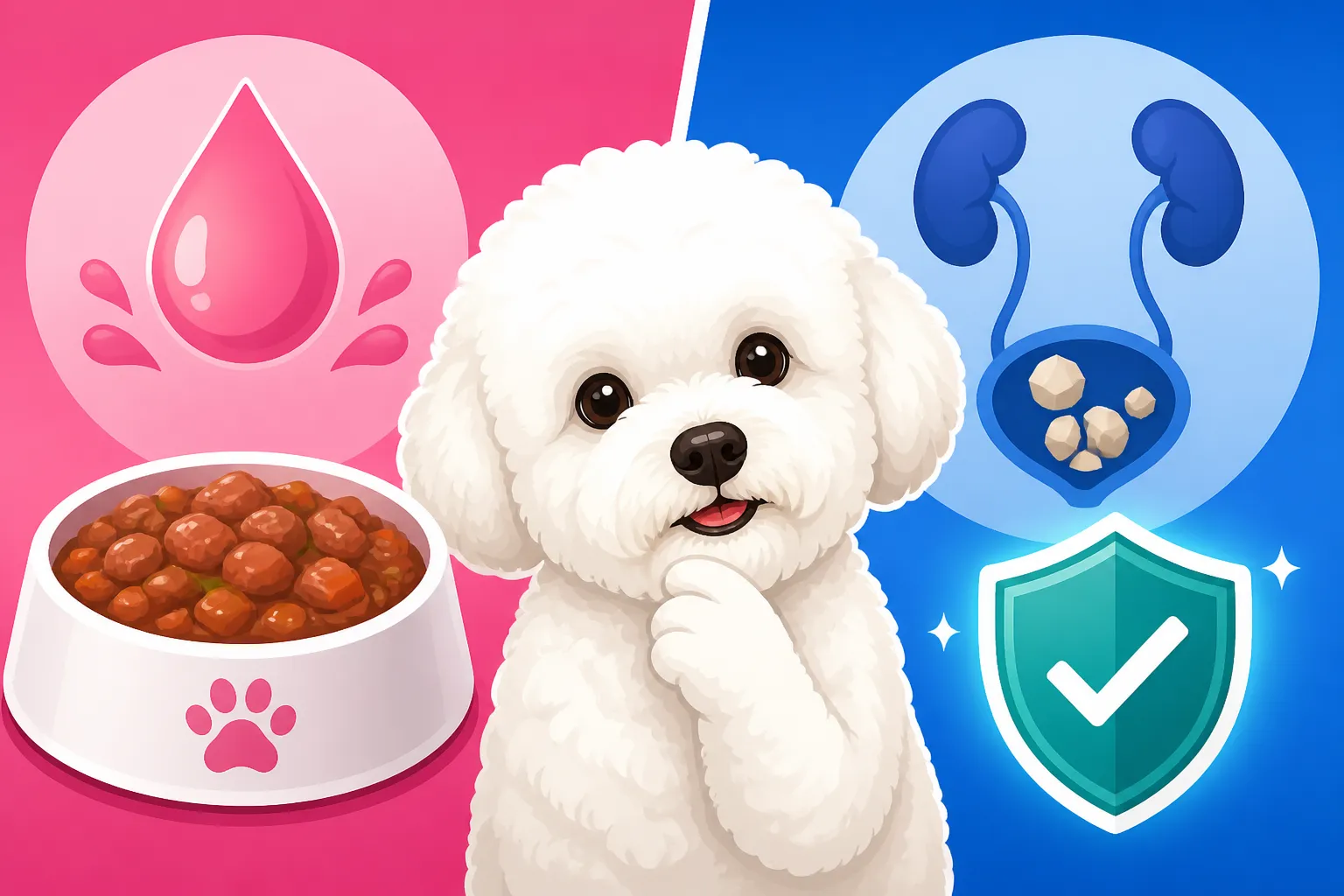
One of the most powerful tools in preventing bladder stones, especially calcium oxalate, is ensuring your Bichon Frise drinks plenty of water. This is where wet food shines. While dry kibble typically contains only 5-10% moisture, wet or canned food can boast an impressive 75-85% moisture content. That's a huge difference! By feeding wet food, you're essentially providing a significant portion of your dog's daily water intake directly through their meal.
This increased water intake leads to a more diluted urine, which, as we discussed, reduces the concentration of stone-forming minerals. Think of it as flushing the system more regularly and making the urinary environment less hospitable for crystal formation. It's a proactive step that many veterinarians recommend, particularly for breeds like the Bichon Frise with a known predisposition. Knowing Whether Water Intake Changes a Bichon Frise's Risk can truly change your approach to daily care.
Comparing Wet and Dry Food Moisture Levels
To really drive home the point, let's look at the numbers. Imagine a 10-pound Bichon Frise eating about 1 cup of dry kibble per day. That cup might weigh roughly 3-4 ounces. With a 10% moisture content, your dog is getting less than half an ounce of water from that food. Now, if that same Bichon eats a can of wet food (say, 5.5 ounces) with 80% moisture, they're getting over 4 ounces of water just from their meal! That's a tenfold increase in dietary moisture.
This table illustrates the general difference:
| Food Type | Typical Moisture Content | Water Contribution (per 5 oz food) |
|---|---|---|
| Dry Kibble | 5-10% | 0.25 – 0.5 oz |
| Wet/Canned Food | 75-85% | 3.75 – 4.25 oz |
The difference in water contribution is substantial and directly impacts urine dilution. While encouraging your Bichon to drink from a bowl is still important, wet food acts as a consistent, effortless boost to their hydration levels.
Specific Benefits for Calcium Oxalate Stones
Calcium oxalate stones, which are particularly common in Bichon Frises, are notoriously difficult to dissolve once formed. This means prevention is absolutely key. The primary dietary strategy for preventing calcium oxalate stones is to dilute the urine and avoid excess dietary oxalate. Wet food addresses the dilution aspect beautifully. By making the urine less concentrated, it reduces the saturation of calcium and oxalate, making it much harder for new crystals to form or for existing microscopic crystals to grow.
While wet food itself doesn't directly alter urine pH (which is a factor for some other stone types), its hydrating effect is paramount for calcium oxalate prevention. Your vet may also recommend a specific prescription diet that is specially formulated with controlled levels of calcium, oxalate, and other minerals, often designed to promote a slightly more alkaline urine to discourage calcium oxalate formation. Combining a prescription wet food with increased overall water intake offers the best defense.
Integrating Wet Food into Your Bichon's Diet
Switching your Bichon Frise to wet food, especially if they've been on dry kibble their whole life, might sound simple, but it can sometimes present challenges, particularly with picky eaters. However, with a bit of patience and strategy, you can make the transition smooth and beneficial for their urinary health.
Choosing the Right Wet Food
It’s crucial to understand that not all wet foods are created equal, especially when it comes to stone prevention. For Bichons with a history of calcium oxalate stones, a regular commercial wet food might not be enough, even with its high moisture content. The ideal choice is often a prescription veterinary diet specifically formulated for urinary health, such as those from brands like Hill's Prescription Diet c/d or Royal Canin Urinary SO. These diets are carefully balanced to control mineral levels (like calcium, phosphorus, and magnesium) and promote a urine pH that discourages stone formation.
Always consult your veterinarian before making any significant dietary changes. They can recommend the most appropriate prescription wet food based on your Bichon's specific stone type, health history, and individual needs. Remember, the goal isn't just any wet food; it's the right wet food. For many Bichon Frise owners, it's a commitment to The Diet a Bichon Frise Stays On for Life.
Transitioning a Picky Eater
If your Bichon Frise is used to dry kibble, they might give you the "side-eye" when you introduce wet food. Don't be discouraged! Transitioning gradually is key. Start by mixing a small amount of the new wet food with their current kibble, slowly increasing the proportion of wet food over several days to a week. This allows their digestive system to adjust and helps them get accustomed to the new texture and taste.
Some Bichons are particularly stubborn. In these cases, you might try warming the wet food slightly (just enough to enhance the aroma, not to make it hot) or adding a little low-sodium chicken broth. If your Bichon still refuses, don't give up. Continue offering small amounts, maybe mixing it with a tiny bit of something they absolutely adore, like cooked plain chicken or tuna in water, before gradually reducing the "tasty topper." Sometimes, simply being persistent pays off. It can be challenging if a Fussy Bichon Frise Refuses the Urinary Diet.
Mixing Wet and Dry Food for Optimal Hydration
You don't necessarily have to go 100% wet food to see benefits. Many owners find success by feeding a combination of wet and dry prescription diets. You could feed wet food for one meal and dry for another, or even mix a portion of wet food into each dry meal. This can be a great way to boost hydration while still offering the crunch and dental benefits (if any) of dry kibble. Just ensure that both the wet and dry components are appropriate prescription diets, as mixing with regular commercial food can counteract the specialized formulation.
Adding a bit of water to their dry kibble, even if you’re also feeding wet food, is another simple trick to increase overall fluid intake. Just make sure the kibble absorbs the water for a few minutes before serving. Every little bit of extra moisture helps in the fight against stone recurrence. Knowing Whether Wet Food Helps a Bichon Frise's Stones is an important step, but understanding how to implement it is just as vital.
Beyond Wet Food: Comprehensive Stone Prevention Strategies
While integrating wet food into your Bichon Frise's diet is a powerful step, it's just one piece of the puzzle. A truly comprehensive approach to preventing bladder stones requires a multi-faceted strategy that includes specialized diets, regular veterinary care, and diligent monitoring.
The Importance of Prescription Urinary Diets
Let's be clear: for a Bichon Frise with a history of bladder stones, a prescription urinary diet is usually the single most important intervention. These diets are meticulously formulated by veterinary nutritionists to alter the urine environment in ways that discourage specific stone types. For calcium oxalate stones, this means carefully controlled levels of calcium, phosphorus, and oxalate, as well as ingredients that help maintain a desirable urine pH, usually slightly alkaline. Many owners are concerned about Whether Diet Alone Stops a Bichon Frise Reforming Stones, and while it's extremely powerful, it often needs to be combined with other good practices.
Regular commercial diets, even high-quality ones, simply aren't designed to address the specific metabolic needs of a stone-forming dog. They can contain levels of minerals that are too high or promote a urine pH that inadvertently encourages stone formation. Always work with your vet to select the appropriate prescription diet, whether wet or dry, and ensure your Bichon sticks to it faithfully. This isn't just food; it's medicine in a bowl.
Regular Vet Check-ups and Urine Monitoring
Ongoing veterinary care is absolutely critical for managing and preventing bladder stones. Your vet will likely recommend regular follow-up appointments, which may include urine analyses and imaging (like X-rays or ultrasounds) to monitor for the presence of crystals or the reformation of stones. For example, Whether a Bichon Frise Should Be Urine Tested Yearly is often a resounding yes, as these tests can catch issues early before they become serious.
Urine analysis can reveal important information about urine concentration, pH, and the presence of crystals or infection. Catching microscopic crystals or an early infection before they develop into full-blown stones can save your Bichon pain and you significant worry and expense. Early detection is key, especially since How Often a Bichon Frise's Stones Return can be surprisingly frequent without diligent management. Many pet parents appreciate how a robust pet insurance plan, such as those offered by Healthy Paws, can help manage the ongoing costs associated with these regular vet checks and specialized diets, providing peace of mind.
Limiting Treats and Table Scraps
This can be a tough one, especially with a sweet, begging Bichon Frise, but it’s incredibly important. Most human foods and many commercial dog treats are not formulated with urinary health in mind and can contain high levels of minerals like calcium and oxalate, or ingredients that shift urine pH in an undesirable direction. Even a small piece of cheese or a bite of leftover dinner can counteract the careful balance of a prescription urinary diet.
Stick to approved treats that are specifically designed for urinary health, or very small amounts of plain, lean meat (like boiled chicken breast) that your vet has cleared. Always check with your vet before introducing any new treat or supplement, no matter how small. It truly takes discipline, but it's a vital part of protecting your Bichon's health. When considering the long-term health of your Bichon, having reliable pet insurance from providers like Healthy Paws can be a significant benefit, covering not just emergency surgeries but also the costs associated with chronic disease management and preventive care advice.
Encouraging Additional Water Intake
Even with wet food, encouraging your Bichon to drink more water from their bowl is always a good idea. Provide multiple fresh water bowls around the house, and consider a pet water fountain, which often entices dogs to drink more due to the circulating, fresh water. Some dogs prefer ceramic or stainless steel bowls over plastic.
You can also add a small amount of low-sodium broth to their water bowl occasionally, or even offer ice cubes as a treat. Every little sip helps. The goal is to keep that urine dilute, dilute, dilute! Whether a Bichon Frise Should Be Encouraged to Drink is a common question, and the answer is an emphatic yes for stone prevention.
Navigating the Costs of Bladder Stone Management
When your Bichon Frise develops bladder stones, the financial aspect can add another layer of stress to an already difficult situation. Understanding the potential costs, from diagnostics and surgery to ongoing preventive care, is crucial for long-term management.
Initial Diagnosis and Treatment Costs
The journey usually begins with diagnostic tests if your Bichon shows symptoms like straining to urinate, frequent urination, or blood in the urine. These tests can include a urinalysis, X-rays, and possibly an ultrasound, which all come with their own fees. If stones are confirmed, the most common treatment for calcium oxalate stones is surgical removal, known as a cystotomy. The cost of this surgery can vary widely based on your location and the veterinary facility, often ranging from $1,500 to $4,000 or more, especially if complications arise or emergency care is needed. Many owners quickly realize that What One Bichon Frise Stone Surgery Costs and What Three Cost can quickly add up to a significant sum.
After surgery, there are follow-up appointments, pain medication, and potentially antibiotics, all contributing to the initial financial outlay. For recurrent stone formers, it’s not uncommon to face multiple surgeries over their lifetime, making the long-term financial commitment quite substantial.
The Ongoing Expense of Prescription Diets and Monitoring
Once stones are removed, the financial commitment shifts to prevention. This primarily involves prescription urinary diets, which are significantly more expensive than standard commercial dog food. Depending on the brand and type (wet vs. dry), you could be looking at $60-$100+ per month, or even more for larger Bichons or those on a purely wet diet. This is a lifetime commitment for your Bichon Frise to prevent recurrence. What Prescription Urinary Food Costs a Bichon Frise Owner can be a shock for new owners.
Beyond food, regular monitoring is essential. This includes routine urinalyses (often every 3-6 months) and periodic imaging (X-rays or ultrasounds, perhaps annually) to catch any signs of stone reformation early. Each of these visits and tests carries a cost. Over the lifespan of your Bichon, these cumulative expenses for prevention can easily rival or even exceed the cost of a single surgery.
The Value of Pet Insurance
Given the high prevalence of bladder stones in Bichon Frises and the significant costs associated with both treatment and prevention, pet insurance becomes an incredibly valuable asset. Policies from providers like Healthy Paws can help dramatically offset these expenses. While most insurance plans won't cover pre-existing conditions (meaning stones diagnosed before your policy starts or during the waiting period), a good policy purchased early in your Bichon's life can cover future stone incidents, recurring infections, and the ongoing prescription food if it's deemed medically necessary.
It’s important to research policy specifics, look at annual limits, deductibles, and reimbursement percentages. Having a strong insurance plan can provide immense relief, allowing you to make medical decisions based on what’s best for your Bichon's health rather than solely on your wallet. For many, investing in pet insurance from a reputable company like Healthy Paws is a non-negotiable part of responsible Bichon Frise ownership, protecting against the unpredictable and often high costs of chronic conditions.
Disclaimer
This article is intended for informational purposes only and does not constitute professional veterinary advice. Always consult with your veterinarian for any health concerns or before making any changes to your Bichon Frise's diet, medication, or care routine.