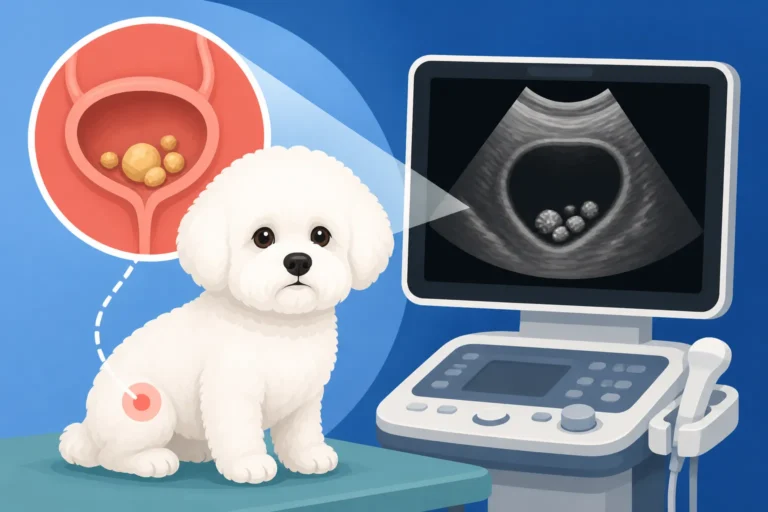
Whether a Bichon Frise Gets Cancer
It’s a heart-wrenching fear that crosses every dog parent’s mind: the dreaded C-word. When you share your life with a beloved Bichon Frise, their bright, cheerful demeanor makes the thought of them facing something as serious as cancer almost unbearable. This guide is here to shed light on whether Bichon Frises are prone to cancer, what signs to look out for, and how you can best support your furry family member through such a challenging diagnosis.
Understanding Cancer in Bichon Frises: The Hard Truths
No one wants to think about their lively, fluffy companion getting sick, especially with something as devastating as cancer. But the reality is that, just like humans, dogs of all breeds, including our precious Bichons, can develop various forms of cancer. It’s a sad fact of life, and understanding the general risks and specific types can empower you to be a more vigilant and prepared owner.
The General Risk for All Breeds, Including Bichons
Let's be clear upfront: cancer isn't a disease that specifically targets Bichon Frises more than other breeds in a blanket sense. It's a complex disease influenced by a myriad of factors, including genetics, environment, diet, and age. The single biggest risk factor for cancer in dogs, across all breeds, is simply getting older. As our dogs age, their cells have had more time to accumulate damage and mutations, increasing the likelihood of cancerous growths. This means that a Bichon Frise, known for its decent lifespan of generally The Fourteen to Fifteen Years a Bichon Frise Lives, will naturally face an increased risk of cancer as they enter their senior years, typically around The Age a Bichon Frise Counts as Senior. Environmental toxins, exposure to certain chemicals, and even chronic inflammation can also play a role in the development of some cancers. It’s not about pointing fingers, but about recognizing the multifaceted nature of the disease.
Common Types of Cancer Seen in Bichons
While Bichons don't have a uniquely high predisposition to all cancers, they can, like other small breeds, be susceptible to certain types. Being aware of these common forms can help you understand potential risks and symptoms.
One of the most frequently diagnosed cancers in dogs, including Bichons, is lymphoma. This is a cancer of the lymphatic system, which is a vital part of the immune system. Lymphoma can manifest in various ways, often appearing as enlarged lymph nodes in areas like the neck, armpits, or groin. Other signs might include lethargy, weight loss, decreased appetite, or swelling. Early detection is crucial, so if you feel any unusual lumps during your regular cuddles, it's always best to get them checked by your vet.
Another concern is mast cell tumors. These are skin tumors that can range from relatively benign to highly aggressive. They can appear as new lumps, bumps, or even seemingly innocent skin tags. What makes them tricky is their variable appearance – they can be soft or firm, itchy or not, and sometimes they can change in size rapidly. Because Bichons have such a thick, fluffy white coat, these lumps can be particularly difficult to spot without thorough, regular grooming and hands-on checks. Mast cell tumors require prompt veterinary attention, as their behavior can be unpredictable.
For unspayed female Bichons, mammary tumors are a significant risk. These tumors develop in the mammary glands and can be benign or malignant. The risk for mammary tumors dramatically decreases if a female dog is spayed before her first heat cycle. If you have an intact female Bichon, make sure to regularly check her abdominal area for any new lumps or swelling.
While less common, Bichons can also develop other forms of cancer, such as hemangiosarcoma, a fast-spreading cancer of the blood vessel lining, often affecting the spleen or heart, or even certain types of bone cancer (osteosarcoma), though this is typically more prevalent in larger breeds. Being vigilant about any unusual changes in your dog's health or behavior is the best defense against these varied and complex diseases.
Spotting the Warning Signs: What to Look For
It can be incredibly scary to think about, but knowing what to look for is your superpower as a Bichon parent. These little dogs are masters of hiding discomfort, so paying close attention to subtle shifts in their physical appearance and behavior is absolutely paramount. It’s often these small, uncharacteristic changes that are the first whispers of a bigger problem.
Changes in Physical Appearance and Behavior
One of the most obvious, yet sometimes overlooked, signs of potential cancer are lumps or bumps. While many lumps are benign fatty tumors (lipomas), any new growth, or one that changes in size, shape, or texture, warrants a vet visit. Remember to check not just their skin, but also around their joints, in their mouth, and even under their fluffy tail. Also, be on the lookout for any persistent sores that don't seem to heal. If your Bichon has a cut or lesion that lingers for weeks despite your best efforts, it could be a warning sign.
Beyond lumps, pay attention to more generalized physical changes. Unexplained weight loss is a major red flag, especially if your Bichon’s appetite hasn't decreased, or they're even eating more. Conversely, a sudden loss of appetite or difficulty eating or swallowing could indicate oral or gastrointestinal issues. Are they suddenly lethargic or less interested in their favorite games and walks? A noticeable decrease in activity levels, or an unwillingness to jump or play, might be dismissed as "just getting old," but it could be a sign of pain or illness. Sometimes, a general change in their coat quality or even persistent bad breath can signal an underlying issue that needs investigation.
The Importance of Regular Vet Check-ups
You might feel like you're constantly at the vet for one thing or another with a Bichon, whether it's for Recurrent Ear Infections in a Bichon Frise or managing skin issues. But these regular visits are truly your best tool in the fight against serious diseases like cancer. Annual wellness exams, especially as your Bichon Frise starts to age and you’re Caring for a Bichon Frise Past Eleven, are critical. Your vet can perform a thorough physical examination, feeling for those subtle lumps or enlarged lymph nodes that might go unnoticed during your daily cuddles. They can also assess overall health, listen to their heart and lungs, and check their oral health, which can sometimes reveal tumors or lesions.
The value of early detection cannot be overstated. Catching cancer in its early stages often means a wider range of treatment options and a better prognosis. Many cancers, when detected early, are treatable, if not curable. Your vet might recommend routine bloodwork as part of a senior panel, which can sometimes reveal abnormalities that suggest underlying disease, even before outward symptoms appear. This proactive approach is a cornerstone of responsible pet ownership and significantly improves the chances of a positive outcome should cancer ever become a concern. Remember, your vet is your partner in keeping your Bichon happy and healthy.
Diagnostic and Treatment Options: Facing the Future
Receiving a potential cancer diagnosis for your Bichon can feel like the world stops spinning. It's a moment filled with fear and uncertainty, but it's important to remember that significant advancements have been made in veterinary oncology. Understanding the diagnostic process and the various treatment paths available can help you navigate these difficult conversations with your veterinary team.
How Vets Diagnose Cancer in Bichon Frises
When your vet suspects cancer, they'll embark on a journey to gather as much information as possible to provide an accurate diagnosis. It typically starts with a thorough physical examination, where they'll palpate any suspicious lumps or swollen lymph nodes. If a lump is present, the first step is often a fine needle aspirate (FNA). This involves using a small needle to collect a sample of cells from the lump, which are then examined under a microscope by a pathologist. It's minimally invasive and often provides a quick preliminary answer, but it's not always definitive.
For a more conclusive diagnosis, especially if the FNA is ambiguous, a biopsy might be recommended. This involves surgically removing a small piece of the tissue, or sometimes the entire mass, for detailed pathological examination. Beyond external lumps, internal cancers require more advanced imaging. X-rays can help detect tumors in the chest or abdomen, or assess for bone changes. An ultrasound provides a real-time view of internal organs, allowing the vet to examine their structure and identify any masses or abnormalities. For even more detailed insights, particularly into complex areas or for staging cancer, your vet might refer you for advanced imaging like CT (Computed Tomography) or MRI (Magnetic Resonance Imaging) scans. These technologies provide incredibly precise images, helping to determine the exact location, size, and spread of any tumors.
Navigating Treatment Paths and Prognosis
Once a definitive diagnosis is made, your veterinary oncologist will discuss the available treatment options. This is a highly individualized process, taking into account the type of cancer, its stage, your Bichon's overall health, and your family's preferences.
The most common treatment for many solid tumors is surgery. If the tumor is localized and removable, surgery can be curative. For more aggressive or widespread cancers, other treatments might be necessary. Chemotherapy uses drugs to kill cancer cells and can be administered orally or intravenously. It's often used for systemic cancers like lymphoma, or as an adjunct to surgery. Unlike human chemotherapy, veterinary chemotherapy is typically given at lower doses to minimize side effects and prioritize the dog's quality of life. Radiation therapy uses high-energy rays to target and destroy cancer cells in a specific area. This is often used for tumors that are difficult to remove surgically or to shrink large masses.
When curative options aren't feasible or desired, palliative care becomes the focus. This involves treatments aimed at managing symptoms, reducing pain, and maintaining the best possible quality of life for your Bichon for as long as possible. This might include pain medication, anti-inflammatory drugs, or nutritional support.
It's important to understand that prognosis varies greatly depending on the specific type of cancer, how early it was diagnosed, and how well your Bichon responds to treatment. Your vet will provide you with a realistic outlook, explaining the potential outcomes and what to expect. Throughout this challenging time, financial considerations are often a major stressor. Advanced diagnostics, surgeries, and ongoing treatments can quickly add up. This is where having pet insurance, such as a comprehensive plan from a provider like Healthy Paws, can be an absolute lifesaver. Many owners realize too late that they are facing vet bills that can easily reach thousands, if not tens of thousands, of dollars, akin to the discussions you might have around What One Bichon Frise Stone Surgery Costs and What Three Cost. Being prepared financially can allow you to make decisions based on what’s best for your beloved Bichon, rather than being constrained by cost.
Proactive Care and Prevention: What You Can Do
While we can't completely prevent cancer in our Bichons, there's a lot we can do as responsible pet parents to minimize risks, support their overall health, and increase the chances of early detection. Every little bit of proactive care adds up to a healthier, happier life for your furry friend.
Lifestyle Choices to Support Health
Just like for us, a healthy lifestyle plays a huge role in disease prevention for our dogs. Nutrition is foundational. Feeding a high-quality, balanced diet appropriate for your Bichon's age and activity level is crucial. Avoid highly processed foods and be mindful of portion sizes. Maintaining a healthy weight through proper diet and regular exercise is also incredibly important. Obesity contributes to inflammation and can increase the risk of certain cancers, not to mention other conditions like Diabetes in a Bichon Frise or joint problems like Slipping Kneecaps in a Bichon Frise. Even though Bichons are small, they still need daily walks and playtime to stay fit.
Regular grooming and at-home checks are perhaps your most powerful daily prevention tool. Their thick, fluffy coats are beautiful but can hide a lot. When you're brushing your Bichon Frise, make it a habit to run your hands over their entire body, feeling for any unusual lumps, bumps, or tender spots. Pay close attention to their mouth, ears, and paws. This routine familiarizes you with what's normal for your dog, making it easier to spot anything new or concerning early on. This can be critical for detecting a problem like Lumps Worth Checking on a Bichon Frise.
The Role of Genetics and Responsible Breeding
While many cancers are spontaneous, some have a genetic component or breed predisposition. For Bichon Frises, while no single gene for a common cancer is widely documented as an overwhelming breed risk, responsible breeding practices are still paramount. A reputable breeder will prioritize the overall health and longevity of their line, striving to breed healthy dogs with sound temperaments. They should be transparent about the health history of their breeding dogs and their puppies' parents, including any instances of cancer in the lineage. If you are considering a puppy, always ask about The Health Tests Both Bichon Frise Parents Should Have, even if those tests aren't specifically for cancer. This dedication to health across the board indicates a breeder who cares, unlike an Whether an Untested Bichon Frise Litter Is Worth Buying scenario, which often comes with more risks. While genetic screening for every possible cancer isn't feasible, a breeder focused on general health and longevity contributes to a healthier breed pool.
Financial Preparedness for Cancer Treatment
Let's talk about the elephant in the room: the cost. Confronting a cancer diagnosis means making tough emotional decisions, and financial stress shouldn't be another burden. The reality is that diagnostics, surgery, chemotherapy, and radiation can be incredibly expensive. It's not uncommon for treatments to run into the thousands of dollars, and even ongoing palliative care can be a significant monthly expense.
This is precisely why pet insurance is a conversation every Bichon owner should have early on. Plans from providers like Healthy Paws can cover a substantial portion of these unexpected veterinary costs, alleviating the financial strain and allowing you to focus on your Bichon's well-being. Imagine having to choose between life-saving treatment and your family's financial stability – pet insurance aims to remove that agonizing dilemma. When considering options, look into Whether a Lifetime Policy Is Worth It for a Bichon Frise, as chronic conditions or recurring issues often benefit most from this type of coverage. Even putting aside a dedicated "vet fund" can help, but for truly catastrophic illnesses like cancer, insurance often provides a much larger safety net. Starting a policy when your Bichon is young and healthy is ideal, as pre-existing conditions are typically not covered. Thinking proactively about What Insuring a Bichon Frise Runs Monthly and the potential for future medical needs is one of the kindest things you can do for your furry companion.
Common Bichon Frise Cancer Types, Signs, and Diagnostics
Here's a quick overview of some of the more common types of cancer seen in dogs, which Bichons can also develop, along with their signs and how vets typically diagnose them.
| Cancer Type | Common Signs | Typical Diagnostics |
|---|---|---|
| Lymphoma | Enlarged lymph nodes (neck, armpit, groin), lethargy, weight loss, decreased appetite, swelling. | Physical exam, FNA, biopsy, blood tests, ultrasound, bone marrow biopsy. |
| Mast Cell Tumors | New skin lumps/bumps (can vary in size, texture, color), persistent sores, itching, swelling. | Physical exam, FNA, biopsy. |
| Mammary Tumors | Lumps in the mammary glands (especially unspayed females). | Physical exam, palpation of glands, FNA, biopsy. |
| Hemangiosarcoma | Weakness, lethargy, pale gums, abdominal distension, collapse, sudden death. | Physical exam, ultrasound, X-rays, blood tests, biopsy (often post-mortem). |
| Osteosarcoma | Lameness, swelling, pain in a limb, reluctance to bear weight. | Physical exam, X-rays, biopsy. |
Disclaimer
The information provided in this guide is for general informational purposes only and does not constitute veterinary advice. Always consult with a qualified veterinarian for any health concerns or before making any decisions about your Bichon Frise's medical care.