How Often a Bichon Frise’s Teeth Need Scaling
One of the most common worries for any Bichon Frise parent is that distinct, often unpleasant smell coming from their sweet companion’s mouth. You might find yourself wondering if it's just "dog breath" or something more serious, and then the big question hits: how often do those pearly whites really need a professional cleaning? This guide will dive deep into why Bichons are prone to dental issues and what you can do to keep their smiles healthy and bright, explaining everything from daily care to the veterinary scaling process.
The Unique Dental Predicament of Bichon Frises
It’s easy to think all dogs have similar teeth, but the reality for small breeds like our beloved Bichons is quite different. They face a unique set of challenges that make them particularly susceptible to dental disease, often requiring more frequent professional intervention than larger breeds.
Why Small Breeds are Prone to Dental Issues
Let's be frank: Bichon Frises have a lot of teeth packed into a very small mouth. This isn't just a quirky anatomical fact; it's a significant factor in their dental health. When teeth are crowded, they tend to overlap, creating tight spaces where food particles and bacteria can easily get trapped. These snug spots are notoriously difficult to clean, even with the most diligent home brushing routine. This crowding also means that plaque, a sticky film of bacteria, can accumulate faster and harden into tartar, which is the yellowish-brown buildup you might see on their teeth. Tartar provides a rough surface for even more bacteria to latch onto, accelerating the cycle of dental decay.
Beyond the physical crowding, small breeds often have a genetic predisposition to developing plaque and tartar more rapidly. It’s simply how their oral biochemistry works, making them an easy target for dental disease. It’s not a reflection of your care, but an inherent trait that requires proactive management. This is why you might hear vets discussing dental disease in a Bichon Frise more often than with, say, a Labrador. You might also want to explore more about Dental Disease in a Bichon Frise.
Recognizing Early Signs of Dental Disease
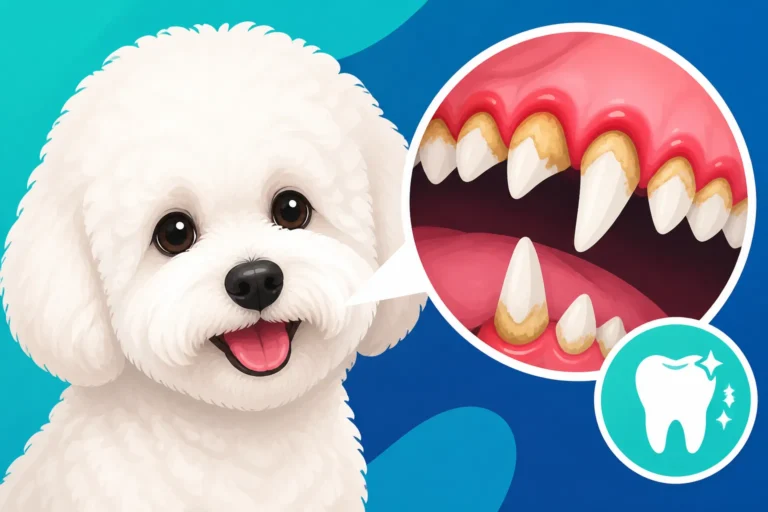
The journey of dental disease isn't always obvious until it's quite advanced, but there are tell-tale signs that vigilant owners can spot. The first, and often most noticeable, indicator is bad breath – technically known as halitosis. It's not just "dog breath"; it's a foul, often sickly-sweet odor that makes you cringe when your Bichon leans in for a kiss. This smell is a direct result of the bacteria multiplying in their mouth.
Beyond the odor, take a closer look at their gums. Healthy gums should be a nice salmon pink. If you notice them looking red, swollen, or bleeding easily when your dog chews or you attempt to brush, these are clear signs of gingivitis, the early stage of gum disease. You might also observe yellow or brown tartar buildup along the gum line, particularly on the back molars and canine teeth. As the disease progresses, your Bichon might start pawing at their mouth, dropping food while eating, or showing a decreased appetite because of the pain. They might become reluctant to chew on their favorite toys, or even shy away from head scratches if their mouth is sore. Early detection can make a world of difference, so don’t hesitate to bring up any concerns with your vet.
Understanding the Professional Dental Scaling Process
When home care isn't enough, or when dental disease has taken hold, professional dental scaling becomes essential. It's far more involved than a quick brush and polish; it's a thorough medical procedure performed under anesthesia, aimed at restoring your Bichon's oral health.
What Professional Dental Scaling Involves
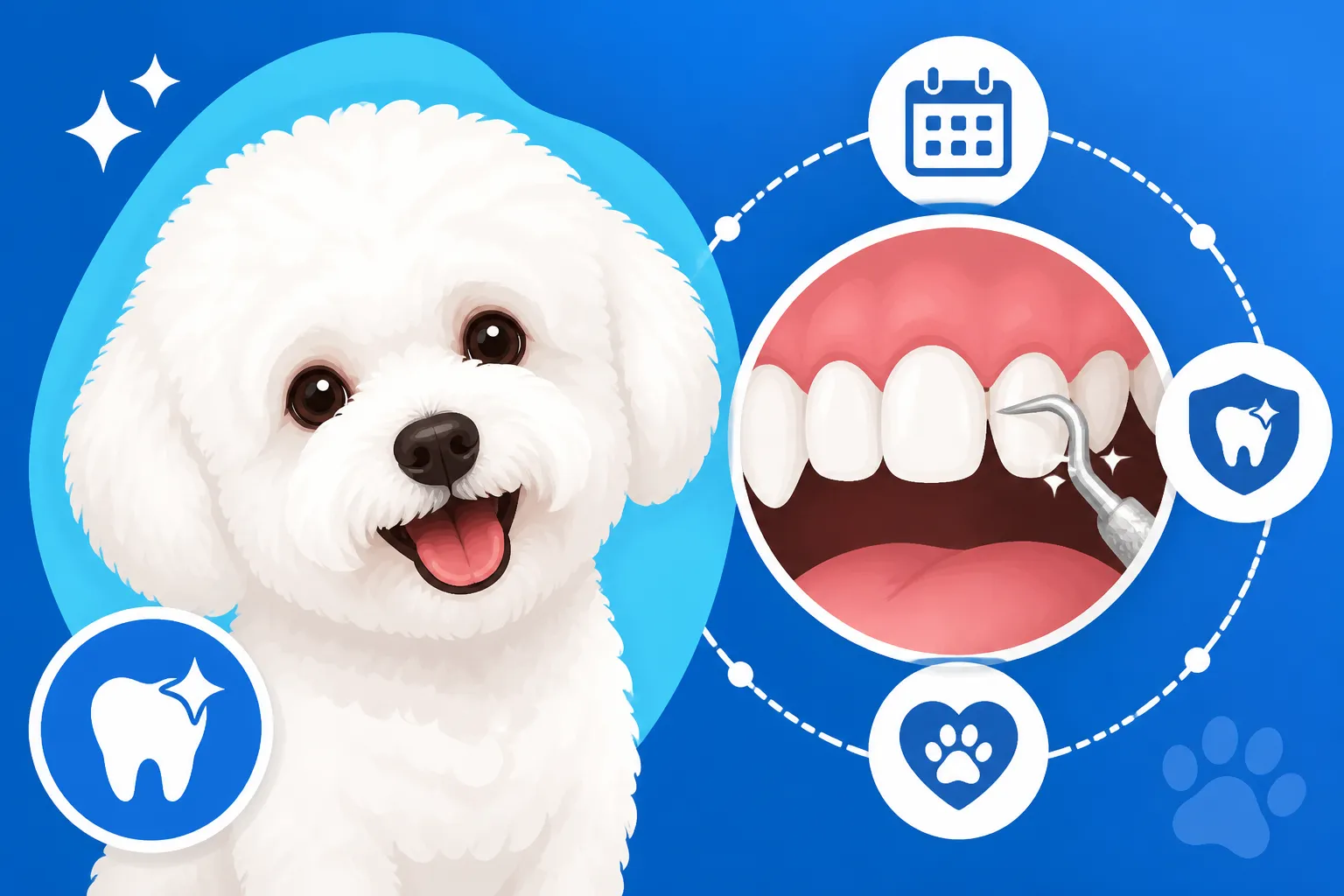
Let's clear up a common misconception: professional dental cleaning, or scaling, is not just a cosmetic affair. It's a comprehensive medical procedure that requires your Bichon Frise to be under general anesthesia. This isn't just for their comfort; it allows the veterinary team to safely and thoroughly examine every tooth, clean below the gum line where disease often lurks, and perform any necessary extractions or treatments.
The process typically begins with pre-anesthetic bloodwork to ensure your Bichon is healthy enough for anesthesia, especially if you have an older dog. This helps mitigate any risks, a concern many owners have, which is why it's good to understand Whether Anesthesia Is Riskier on a Small Bichon Frise. Once anesthetized, a skilled veterinary technician or veterinarian will use an ultrasonic scaler to remove plaque and tartar from above and below the gum line, similar to how a dental hygienist cleans your teeth. Hand scalers are then used for fine-tuning. After scaling, the teeth are polished to smooth out any microscopic etches on the enamel, making it harder for new plaque to stick.
Crucially, dental X-rays are almost always part of a thorough dental procedure. Why? Because over two-thirds of a tooth's structure lies beneath the gum line, hidden from plain view. X-rays reveal issues like bone loss, abscesses, unerupted teeth, or root problems that would otherwise go unnoticed. Without X-rays, a significant portion of potential dental disease can be missed, meaning your Bichon might still be in pain or develop more serious issues down the line. Finally, any diseased or damaged teeth deemed unsalvageable will be carefully extracted, and the gum tissue sutured if needed.
How Often is "Often Enough"?
This is the million-dollar question, and unfortunately, there's no single "right" answer that applies to every Bichon Frise. The frequency of professional dental scaling is highly individual and depends on several factors, including genetics, diet, home care, and the dog's overall health.
For most Bichon Frises, a good starting point is a yearly dental check-up with your veterinarian, starting around two to three years of age. During this annual exam, your vet will perform an oral assessment while your dog is awake. They'll look for signs of plaque, tartar, gingivitis, and any other abnormalities. Based on this examination, they'll recommend whether a professional cleaning is warranted.
However, many Bichons, especially those with significant crowding, a history of rapid tartar buildup, or a genetic predisposition to dental disease, might need professional scaling more frequently – sometimes every six to nine months. Conversely, a Bichon who receives meticulous daily home care, eats a dental-friendly diet, and has good genetics might be able to stretch cleanings to every 18-24 months, though yearly veterinary checks remain crucial. The key is early intervention. It's much easier, less invasive, and less costly to address mild gingivitis and tartar buildup than to deal with advanced periodontal disease requiring multiple extractions. Regular check-ups with your vet are essential to determine the optimal schedule for your individual dog. When budgeting for care, remember to factor in What a Bichon Frise's Dental Costs as part of your annual pet expenses, and reputable pet insurance providers like Healthy Paws can be a real lifeline for these unexpected, yet necessary, procedures.
Factors Influencing Scaling Frequency
The number of times your Bichon Frise will need a professional dental cleaning isn't just plucked out of thin air; it’s a dynamic recommendation based on several intertwined factors. Understanding these can help you work with your vet to tailor the best dental health plan for your furry friend.
Age and Genetics
As our Bichons age, their risk for dental disease naturally increases. Just like us, older dogs accumulate more wear and tear, and often, more plaque and tartar. The immune system might not be as robust, making them more susceptible to gum inflammation and infection. It's not uncommon for a Bichon Frise over the age of seven to require professional cleanings more frequently than their younger counterparts. This is why regular vet visits become even more critical as part of Caring for a Bichon Frise Past Eleven. Your vet will be paying close attention to their oral health during these senior check-ups.
Beyond age, genetics play a significant, often underappreciated, role. Some Bichons are simply predisposed to faster plaque accumulation and more severe periodontal disease, regardless of excellent home care. This can be due to tooth alignment, saliva chemistry, or even the type of bacteria that naturally colonize their mouths. If your Bichon's parents or siblings have a history of needing frequent dental work, it's a strong indicator that your dog might too. This doesn't mean you're doing anything wrong; it just means you need to be even more diligent and prepared for potentially more frequent vet visits for dental care.
Diet and Home Care
What your Bichon eats and how consistently you manage their oral hygiene at home are perhaps the most influential factors you, as an owner, can control. A diet composed primarily of soft, wet food can contribute to faster plaque buildup because there's no abrasive action to help scrub the teeth clean. While wet food can be great for hydration, especially for a Bichon prone to urinary stones, a purely soft diet often means more frequent dental scaling.
On the other hand, feeding a high-quality dry kibble, especially one specifically formulated to reduce plaque and tartar (often indicated by a Veterinary Oral Health Council, or VOHC, seal), can make a noticeable difference. These dental-specific kibbles are designed to mechanically clean the teeth as the dog chews.
However, even the best dental diet is rarely enough on its own. This is where diligent home care steps in as your most powerful tool. Daily brushing is the gold standard, period. Brushing physically removes plaque before it has a chance to harden into tartar. If you’re not brushing, plaque can mineralize into tartar in as little as 24-48 hours. Think of it this way: if you stopped brushing your own teeth, how quickly would you need a dentist? It's the same principle for your Bichon. Consistent home care can significantly extend the time between professional dental scalings and save you money in the long run. Even busy pet parents can often find five minutes a day to dedicate to this crucial task, which contributes greatly to The Fourteen to Fifteen Years a Bichon Frise Lives.
Proactive Dental Care Between Vet Visits
Waiting until your Bichon Frise shows obvious signs of dental disease for a vet visit is like waiting until your car breaks down completely before getting an oil change. Proactive care is key to maintaining good oral health, reducing the frequency of professional scalings, and ensuring your Bichon enjoys a pain-free life.
The Golden Standard: Daily Brushing
If there's one single thing you can do at home to impact your Bichon's dental health, it is daily tooth brushing. Yes, daily! Many owners aim for a few times a week, but just like human teeth, plaque re-forms quickly. Daily brushing physically removes the plaque before it hardens into tartar, which is impossible to remove with a toothbrush.
Here's a simple, step-by-step approach to make daily brushing a positive experience for your Bichon:
- Start Slow and Young: The younger you start, the easier it will be. Begin by simply getting your puppy used to having your fingers in their mouth.
- Choose the Right Tools: Invest in a soft-bristled pet toothbrush or a finger brush. Human toothbrushes can be too harsh. Crucially, use only pet-specific toothpaste; human toothpaste contains ingredients like xylitol that are toxic to dogs, and fluoride that can cause stomach upset if swallowed. Pet toothpaste comes in flavors dogs love, like poultry or beef, making the experience more enjoyable.
- Introduce Gradually: Put a tiny bit of toothpaste on your finger and let your Bichon lick it off. Repeat this a few times over several days.
- Introduce the Brush: Once they're happy with the taste, put toothpaste on the brush and let them lick it off. Then, gently try to touch the brush to their teeth for a few seconds. Praise and reward heavily.
- Focus on the Outside: Don't worry too much about the inside surfaces of the teeth; the tongue provides some natural cleaning there. Focus on the outside surfaces, especially the upper canines and back molars, where tartar tends to build up most rapidly.
- Gentle Circles: Use gentle circular motions, just like you would on your own teeth, focusing on the gum line. Aim for about 30 seconds per side.
- Positive Reinforcement: Keep sessions short, positive, and end with praise, cuddles, or a favorite toy. If your Bichon resists, back off and try again later or the next day, shortening the session further. The goal is consistency, not perfection right away.
It takes dedication, but a healthy mouth is worth it. Think of it as a small daily investment in your Bichon's long-term health and comfort.
Dental Chews and Water Additives
While daily brushing is paramount, certain dental chews and water additives can complement your efforts. However, it's critical to be discerning, as not all products are created equal. Look for products that have the Veterinary Oral Health Council (VOHC) seal of acceptance. This seal indicates that the product has met specific standards for reducing plaque and/or tartar.
- VOHC-Approved Dental Chews: These are designed to provide a mild abrasive action on the teeth as your dog chews, helping to scrape away plaque. They come in various shapes and textures, and it’s important to choose one appropriate for your Bichon's size and chewing style. Always supervise your dog when they're enjoying a dental chew to prevent choking or accidental ingestion of large pieces. Brands like Greenies, Oravet, and dental treats from Royal Canin or Hill's often carry the VOHC seal. Remember that even dental treats need to be factored into their daily calorie intake to prevent weight gain. When considering how to prevent stones, you might consider Whether a Bichon Frise Needs Treats That Match the Diet.
- Water Additives: These products contain ingredients that can help reduce bacteria in the mouth or alter the mouth's pH, making it less hospitable for plaque formation. You simply add a measured amount to your Bichon's drinking water daily. While they can be helpful, they are not a substitute for brushing or professional scaling. They are best used as an additional layer of defense. Make sure to choose a brand specifically formulated for dogs and always check with your vet before introducing any new supplement to your pet's routine.
By combining daily brushing with vet-approved dental chews and possibly a water additive, you create a multi-pronged approach to keeping your Bichon Frise's teeth clean and healthy between those essential professional dental cleanings. This holistic approach can contribute significantly to their overall well-being and might even reduce the frequency of veterinary interventions.
Here's a quick reference table to help visualize a dental care routine:
| Action | Frequency | Purpose | Notes |
|---|---|---|---|
| Professional Scaling | 6-24 months | Remove hardened plaque/tartar, assess sub-gum health | Anesthesia required; includes X-rays. Varies greatly by individual. |
| Daily Brushing | Daily | Prevent plaque buildup, remove food debris | Use pet-specific toothbrush and toothpaste. Focus on gum line. |
| Dental Chews | Daily (with supervision) | Abrasive action to scrape plaque | Choose VOHC-approved, size-appropriate chews. Account for calories. |
| Water Additives | Daily | Reduce oral bacteria, improve breath | Supplemental to brushing, not a replacement. Consult vet. |
| Vet Check-up | Annually | Oral exam, identify early signs of disease, discuss care plan | Crucial for monitoring and determining scaling frequency. |
Disclaimer
The information provided in this guide is for general educational purposes only and should not be considered a substitute for professional veterinary advice. Always consult with a qualified veterinarian for any health concerns or before making any decisions about your Bichon Frise's care, including dental treatments or changes to diet. Individual needs may vary.