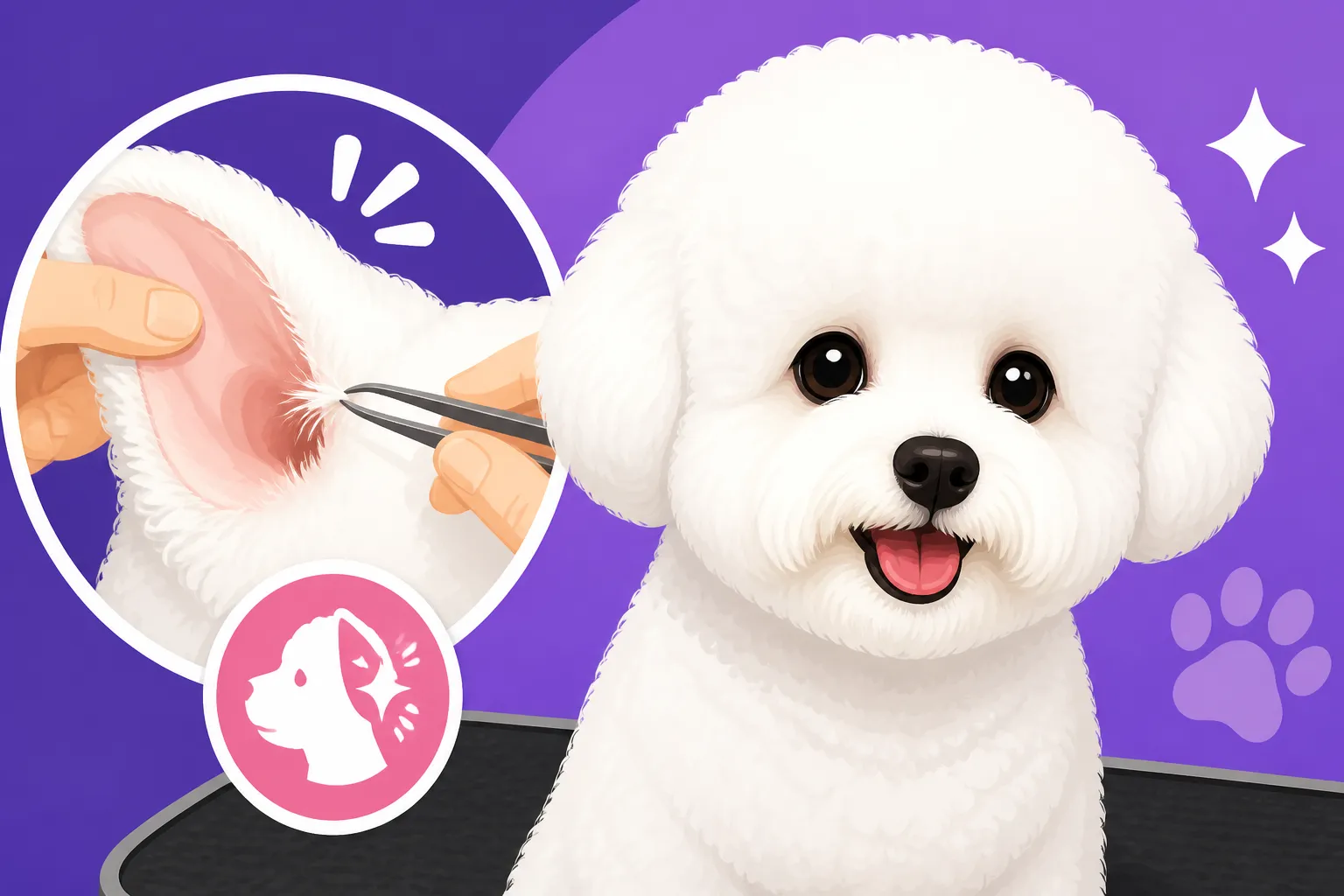
What Ear Plucking Adds at a Bichon Frise Groom
Bringing your fluffy Bichon Frise to the groomer is a ritual, but sometimes you find yourself wondering about those extra line items on the bill. One of the common questions that pops up is about ear plucking – what exactly is it, and why does it add to the cost of your Bichon's pampering session? It's not just a minor detail; ear plucking is often a necessary health measure for our beloved Bichons, and understanding its importance and the factors influencing its cost can help you better care for your furry friend. This guide will walk you through everything you need to know about ear plucking at a Bichon Frise groom.
The Core Service of Ear Plucking for Bichon Frises
For many Bichon Frise owners, the phrase "ear plucking" can sound a bit intimidating or even unnecessary. However, for this particular breed, it's often a crucial part of their regular grooming and health maintenance routine. It's not about vanity; it's about preventing discomfort and potential medical issues.
Why Bichon Frises Often Need Ear Plucking
If you've ever peered into your Bichon's ear canal, you might have noticed it's not like the smooth, relatively hairless ears of some other breeds. Bichons are prone to having a significant amount of hair growing deep inside their ear canals. This isn't just a quirky breed trait; it's a genuine anatomical challenge. This dense hair acts like a tiny, fluffy curtain, blocking natural airflow into the ear.
Imagine trying to keep a room clean and dry when the windows are constantly shut, and there's a thick, plush carpet covering every surface. That's essentially what happens in a Bichon's ear. This trapped hair creates a warm, moist, and dark environment – the perfect breeding ground for bacteria and yeast. Over time, this can lead to painful and recurring ear infections. Beyond moisture, the hair also traps dirt, wax, and debris, compounding the problem. Without regular removal, these ears become a hotbed for trouble, making your sweet Bichon uncomfortable, itchy, and prone to shaking their head or scratching at their ears. It's why one of the most common discussions at the groomer, or even the vet, revolves around their ears, and it answers the question of Whether a Bichon Frise's Ear Hair Should Be Plucked.
What the Plucking Process Involves
Ear plucking isn't just a matter of roughly pulling out hair. It's a delicate procedure that requires a skilled hand and a good understanding of canine anatomy. A professional groomer or veterinarian will start by examining the ear to ensure there are no signs of infection or severe inflammation that would make plucking painful or contraindicated. If the ear is already red, swollen, or producing a foul odor, plucking might be postponed, and a vet visit recommended first.
Once the ear is deemed healthy enough, the groomer will typically apply a small amount of ear powder. This powder helps to dry any excess moisture, provides a better grip on the fine hairs, and can sometimes have mild antiseptic properties. Then, using specialized ear forceps or even their fingers (depending on the groomer's preference and the density of the hair), they will meticulously remove small tufts of hair from the ear canal. The goal is to open up the canal, allowing air to circulate freely and preventing the buildup of wax and debris. It's done in small sections, gently, to minimize discomfort for your dog. A good groomer understands that a gentle touch is key, especially if your Bichon is sensitive about their ears. After plucking, they might clean the ear canal with a gentle, pet-safe ear cleanser to remove any loose hair or residue. This careful, methodical approach is what makes professional ear plucking more than just a quick add-on; it's a skilled service that prioritizes your Bichon's comfort and ear health.
Factors Influencing the Cost and Complexity of Ear Plucking
When you see the charge for ear plucking on your grooming bill, it's natural to wonder why it varies or why it might seem like a significant addition. Several factors come into play, from the professional's skill level to the specific condition of your Bichon's ears.
Groomer Expertise and Salon Pricing Models
Just like with any specialized service, the experience and reputation of your groomer play a big role in pricing. A highly skilled groomer who has years of experience handling Bichon Frises and their notoriously sensitive ears will often charge more than a novice. This isn't just about speed; it's about technique, knowing how much hair to remove, and understanding how to keep your dog comfortable and safe during the process. An expert groomer can navigate a challenging ear canal without causing irritation or pain, which is invaluable.
Grooming salons also have different pricing structures. Some salons might include basic ear cleaning and plucking as part of a comprehensive "full groom" package. You might see a flat fee that covers everything from bathing and drying to trimming nails and ear care. However, many salons, especially for breeds known for specific needs like Bichons, may list ear plucking as an à la carte service or an "add-on" that has its own separate charge. This allows for flexibility, particularly if your Bichon's ears require extra time and attention. The geographical location of the salon also influences pricing, with services often costing more in urban or high-cost-of-living areas compared to rural ones. It’s always a good idea to ask for a detailed breakdown when you inquire about What a Full Bichon Frise Groom Costs.
The Condition of Your Bichon Frise's Ears
The state of your Bichon's ears when they arrive at the salon is perhaps the biggest determinant of the complexity and, consequently, the cost of ear plucking. If your Bichon's ears are meticulously cared for at home, with regular cleaning and perhaps some light at-home hair trimming if you're comfortable, the professional plucking will be quicker and easier. The groomer might just need to do some maintenance plucking, which typically falls within the standard service charge.
However, if your Bichon's ears are heavily matted with hair, or if the hair inside the canal is extremely dense and compacted, the task becomes much more challenging and time-consuming. Imagine trying to untangle a knot versus simply tidying up loose strands – it's a similar principle. This can lead to additional fees because the groomer has to spend more time carefully separating and plucking the hair, working slowly to prevent discomfort. Even more significantly, if your Bichon has an existing ear infection, redness, or signs of inflammation, a responsible groomer will likely refuse to pluck the ears. Plucking an inflamed ear can be extremely painful for your dog and can worsen the infection. In such cases, the groomer will recommend a visit to the veterinarian first to treat the infection. This means an additional cost for the vet visit and medication, as well as postponing the plucking until the ears are healthy. This highlights why prompt attention to issues like Recurrent Ear Infections in a Bichon Frise is so vital, not just for your pet's health but also for managing grooming costs. Consistency in grooming, both at home and professionally, can significantly reduce these complications and keep the process smoother and more affordable in the long run.
Understanding Additional Costs and Long-Term Care
Thinking about ear plucking as a one-off event is a common mistake for new Bichon owners. It’s part of a broader commitment to their ear health, and sometimes, even with the best intentions, unexpected issues can arise, leading to additional costs.
Potential Issues and Unexpected Charges
Even with a routine grooming schedule, sometimes a groomer might uncover an underlying issue during the ear examination that requires more than just plucking. For instance, if they notice excessive redness, swelling, or a foul odor that suggests an infection, they won't proceed with plucking. Instead, they'll advise you to take your Bichon to the veterinarian. This vet visit will involve an examination, potentially ear cytology (looking at a sample under a microscope to identify bacteria or yeast), and a prescription for medicated ear drops or cleaners. These veterinary costs are entirely separate from grooming fees and can add up.
Beyond infections, some Bichons have very sensitive ear canals that become easily irritated even with careful plucking. In such cases, your groomer might suggest using specific calming ear cleansers or wipes to soothe the area afterward. These specialized products might be an additional purchase recommended by your groomer or vet. Good communication with your groomer is key here. Don't hesitate to ask them to walk you through their findings and recommendations. Understanding why certain actions are taken or costs incurred helps you make informed decisions for your Bichon's well-being. It's far better to catch a brewing ear problem early than to let it escalate into something much more serious and expensive to treat. In some cases, owners might even consider whether their pet insurance policy, like those offered by Healthy Paws, would cover these unexpected veterinary costs, especially for conditions like severe ear infections that require ongoing medical management. This kind of forward thinking can save you significant stress and expense.
Long-Term Strategies for Ear Health and Cost Savings
The best way to manage the costs and complexity associated with ear plucking and overall ear health for your Bichon Frise is through consistent, proactive care. This involves a combination of at-home maintenance and regular professional grooming.
At-Home Maintenance:
- Regular Cleaning: Get into a routine of gently cleaning your Bichon's ears at home every week or two, using a vet-approved ear cleaning solution. This helps remove wax and debris and keeps the ear canal healthy. Just remember to use cotton balls or gauze, never cotton swabs, which can push debris further into the canal. How Often a Bichon Frise's Ears Should Be Cleaned is a useful guide here.
- Drying After Baths: Always ensure your Bichon's ears are thoroughly dried after baths or swims. Moisture is the enemy of healthy ears, so a gentle towel dry followed by a few minutes of circulating air (a low-setting hairdryer, held far away) can make a huge difference. Whether a Bichon Frise's Ears Trap Moisture is a key concern.
- Monitoring: Regularly check your Bichon’s ears for any signs of redness, odor, excessive scratching, or head shaking. Early detection of a problem can prevent it from escalating into a full-blown infection that requires costly vet visits and medication. Teaching your Bichon to accept ear handling with positive reinforcement, perhaps using tasty treats from brands like Chewy or Ollie, can make this process much easier for both of you.
Professional Grooming Consistency:
- Scheduled Appointments: Stick to a consistent grooming schedule. For Bichons, this often means every 4-6 weeks. Regular professional grooming, including ear plucking, prevents the hair from becoming severely matted and the ears from getting neglected. When the groomer regularly plucks small amounts of hair, it’s less uncomfortable for your dog and generally takes less time, which often translates to a lower cost than if they have to tackle heavily overgrown, impacted ears.
- Open Communication: Talk to your groomer about your Bichon's ear history. Let them know if your dog is sensitive or prone to infections. They can tailor their approach and keep a close eye on any developing issues.
By being diligent with these practices, you're not just saving money on potential vet bills or extra grooming charges for complicated ears, but you're also significantly improving your Bichon Frise's comfort and quality of life. An ounce of prevention is truly worth a pound of cure when it comes to Bichon ears.
Here’s a quick comparison of what to expect based on your Bichon’s ear condition:
| Feature | Typical Ear Condition | Challenging Ear Condition |
|---|---|---|
| Hair Density | Moderate, easily managed | Very dense, matted, or heavily impacted hair |
| Moisture/Debris | Minimal, occasional wax buildup | Significant moisture, wax, dirt, or even discharge |
| Sensitivity | Generally tolerant of plucking | Highly sensitive, potentially painful to touch |
| Groomer Time | Standard time, included in most services | Extra time required due to careful, slow work; may be an add-on |
| Cost Impact | Usually included in basic ear care or full groom | Often incurs additional fees; potential for vet referral costs |
| Risk of Infection | Low if consistently maintained | High, may require vet treatment before grooming |
| Prevention & Care | Regular home cleaning, routine professional plucking | Intensive home care, frequent professional visits, vet oversight |
Ear plucking is more than just a grooming detail; it's a vital part of maintaining your Bichon Frise's health and comfort. While it does add to the cost of a groom, understanding why it's necessary and how various factors influence the price can help you budget and ensure your furry companion receives the best possible care. By committing to regular at-home maintenance and consistent professional grooming, you can keep those adorable ears healthy and happy, preventing painful infections and unexpected vet bills down the line. It's an investment in their well-being that truly pays off.
Disclaimer
This article is for general informational purposes only and does not constitute professional advice. Laws, prices and regulations vary by location and change over time. Consult a qualified professional for guidance on your specific situation.