The First Year With a Bichon Frise Puppy
Bringing a Bichon Frise puppy into your home is an incredibly exciting time, filled with dreams of fluffy cuddles and playful antics. However, many new owners quickly discover that the first year with these charming little "powder puffs" is also a journey rich with unique challenges, unexpected costs, and a steep learning curve. This comprehensive guide is designed to walk you through everything you need to know, from the moment those tiny paws first cross your threshold to celebrating their first birthday, helping you navigate the joys and overcome the common hurdles of raising a Bichon Frise puppy.
The Grand Arrival: Settling Your Bichon Frise Puppy In
That first day, the first week, and even the first month with a new Bichon Frise puppy is a whirlwind. You've brought this tiny, vulnerable creature into a brand new world, and it's up to you to make that transition as smooth and stress-free as possible. It’s not just about cuteness; it's about laying the foundation for a well-adjusted, confident adult dog.
Preparing Your Home for Puppy Parenthood
Before your Bichon Frise puppy even steps a paw indoors, your home needs to be a safe, welcoming haven. This isn't just about moving breakables; it's a full-scale puppy-proofing operation. Think like a curious, mouthy explorer with endless energy.
Imagine your living room. Those electrical cords snaking behind the TV? Prime chewing targets. That beautiful rug? A potential potty spot. Your favorite houseplant? Could be toxic. You need to get down on their level and scan the environment. Secure loose cords with cable ties or covers, move toxic plants out of reach, and put away anything precious that could be chewed or swallowed. This includes small items like children's toys, coins, shoes, and remote controls. Remember, a Bichon Frise, especially as a puppy, explores with its mouth. Consider baby gates to confine your puppy to safe, easy-to-clean areas when you can't supervise directly. Having a designated "puppy zone" with their bed, water, and some safe toys can give them a sense of security and prevent overwhelming them with too much space too soon. Think about flooring – accidents will happen, so make sure you have appropriate cleaning supplies on hand, preferably enzymatic cleaners that eliminate odors, preventing your puppy from returning to the same spot.
Establishing Early Routines and Boundaries
Puppies, much like human babies, thrive on routine. It provides predictability, which in turn fosters security and helps them understand what’s expected of them. From day one, start establishing a consistent schedule for feeding, potty breaks, play, and sleep.
A set routine helps immensely with housetraining, as it teaches your puppy when and where to relieve themselves. For example, feeding at 7 AM, 12 PM, and 5 PM, followed immediately by a trip outside for a potty break, sends a clear message. Similarly, regular naps in a designated crate or quiet area help prevent overtired, nippy puppy behavior. Consistency also applies to boundaries. Decide from the outset what your puppy is allowed to do and where they are allowed to go. Is the couch off-limits? Will they sleep in your bed? Will they be allowed to beg at the dinner table? It's much easier to establish these rules now than to try and change them later. If you allow something even once, your smart little Bichon will remember it and try it again, making it harder to enforce the rule later. Keep interactions calm and positive, especially in these early days. Your goal is to build trust and a strong bond, making them feel secure in their new home.
The First Night and Beyond: Easing Separation Anxiety
The first night, and often the first few nights, can be tough. Your Bichon Frise puppy has just been separated from their littermates and mother, and they might cry or whine. It's heartbreaking, but it's crucial to handle this correctly to prevent long-term separation anxiety.
Resist the urge to immediately go to them and cuddle them every time they whimper. While it's natural to want to comfort, constantly reinforcing crying with attention can inadvertently teach them that crying gets your presence. Instead, ensure they are safe, have access to water, and have recently been to the potty. Then, give them tools for comfort: a soft blanket, a safe chew toy, or a snuggle puppy with a "heartbeat" to mimic their mother. Placing their crate or bed in your bedroom initially, even right next to your bed, can offer reassurance without co-sleeping. As they adjust, you can gradually move the crate further away. Consistency is key here. Every time they cry, they need to learn that you won't always come running, but that they are safe. Some owners find that leaving a radio on low or a white noise machine can also help soothe them through the night. Remember, a well-exercised and mentally stimulated puppy is more likely to sleep soundly.
Housetraining Your Bichon Frise: A Marathon, Not a Sprint
Ah, housetraining. If you've ever owned a Bichon Frise, you know this isn't always a walk in the park. These adorable little dogs, for all their charm, can be notoriously difficult to housetrain. It requires immense patience, consistency, and a deep understanding of their unique physiology and learning style. Many owners find themselves frustrated, thinking their Bichon is stubborn, when often it's a combination of small bladder, fast metabolism, and a need for precise communication.
Understanding Why Bichon Frises Can Be Challenging
Before you even begin, it’s helpful to acknowledge that Whether Bichon Frises Really Are Hard to Housetrain is a widely recognized truth. Their small size means they have smaller bladders, which can fill up remarkably quickly. A tiny puppy, especially, needs to go out very, very frequently – sometimes every 30-60 minutes when awake, and immediately after waking, eating, or playing.
Adding to this, some Bichons have a sensitive nature and can be quite particular about where they eliminate. A cold, wet backyard might be completely unappealing, leading them to hold it until they are back inside on a soft rug. This isn't defiance; it's often a comfort preference. Moreover, Bichons are smart, and if an indoor accident is met with a harsh reprimand, they might learn to hide their potty breaks rather than associating outdoors with relief. Their soft, luxurious coats also mean accidents can soak in and be harder to detect, leading to residual odors that draw them back to the same spot. This combination of physical and behavioral factors contributes to the perception of difficulty, but with the right approach, success is absolutely achievable.
Implementing an Effective Toilet Routine
The key to housetraining a Bichon Frise is a strict, consistent, and proactive toilet routine. You need to anticipate their needs, not react to accidents. The Toilet Routine That Finally Works on a Bichon Frise involves taking your puppy out far more frequently than you think is necessary, especially in the beginning.
Start by taking them out first thing in the morning, immediately after every meal or drink, after every nap, after every play session, and just before bedtime. You should also take them out roughly every hour or two during the day while they are awake. Use a specific phrase, like "go potty," every time you take them out. When they go, praise them enthusiastically and give them a high-value treat immediately. This helps them associate the act of eliminating outside with a positive reward. Even if they don't do anything, take them back inside after a few minutes, supervise them closely, and try again shortly. Never punish accidents indoors. Clean them up thoroughly with an enzymatic cleaner to eliminate the scent. Consistency is your best friend here. Don't skip a trip outside because it's raining or you're busy. Your Bichon needs you to be their consistent guide.
Crate Training and Potty Pads: Tools or Traps?
Many owners wonder about the role of crate training and potty pads in housetraining a Bichon Frise. Both can be valuable tools, but they need to be used correctly. Whether Crate Training Works on a Bichon Frise is a resounding yes for many, but it's not a magic bullet.
A crate can be a fantastic aid because dogs naturally prefer not to soil their sleeping area. This instinct encourages them to hold their bladder and bowels. However, a crate must be appropriately sized – just big enough for them to stand up, turn around, and lie down comfortably. If it’s too large, they might use one end as a bathroom. Crucially, a puppy should not be left in a crate for longer than they can reasonably hold it, which for very young puppies is only a few hours. Forced holding for too long can lead to accidents and break down the crate's effectiveness. Potty pads, on the other hand, are a more debated tool. While they can be useful for apartments, bad weather, or emergencies, they can also confuse a puppy by teaching them that going indoors is sometimes acceptable. If you use pads, decide if they are a temporary bridge to outdoor training or a permanent solution. If temporary, gradually move the pad closer to the door and eventually outside. If permanent, be prepared for potential challenges if you ever need them to transition to outdoor-only elimination.
Socialization and Early Training: Building a Confident Companion
The first year of a Bichon Frise's life is a critical window for socialization and foundational training. This isn't just about teaching them "sit" or "stay"; it's about exposing them to the world in a positive, controlled way so they grow up to be confident, well-adjusted adults rather than fearful or reactive. A properly socialized Bichon is a joy to live with, navigating new situations with curiosity rather than anxiety.
The Importance of Early Socialization
Socialization isn't just playing with other dogs; it's about exposing your Bichon Frise puppy to a wide variety of sights, sounds, people, places, and experiences during their critical developmental period, roughly up to 16 weeks of age. This helps them learn that the world isn't a scary place.
Think beyond just "puppy classes." While puppy classes are fantastic for structured play and learning basic manners, you should also be actively introducing your Bichon to different floor textures, car rides, people of all ages and appearances (wearing hats, glasses, carrying umbrellas), loud noises (like vacuums, doorbells, construction sounds played softly at first), and other calm, vaccinated dogs. Take short, positive trips to pet-friendly stores where they can meet new people. Carry them initially in busy environments if they're not fully vaccinated to protect them while still offering exposure. Always make these experiences positive with treats and praise. The goal is to create positive associations with novelty. A Bichon that is properly socialized is less likely to develop fears or aggression later in life and will be a more adaptable and enjoyable companion. Ignoring this crucial window can lead to a fearful dog who struggles with everyday situations, making life difficult for both of you.
Essential Basic Obedience Training
Even though they are small, basic obedience training is paramount for a Bichon Frise. It provides structure, mental stimulation, and helps you communicate effectively with your dog. Start with the basics as soon as your puppy comes home.
Focus on positive reinforcement methods, using treats, praise, and gentle encouragement. Bichons respond wonderfully to this approach. Start with simple cues like "sit," "stay," "come," and "down." Keep training sessions short, fun, and frequent – five to ten minutes, several times a day, is far more effective than one long, boring session. Consistency across all family members is vital. Everyone should use the same cues and rewards. Enrolling in a puppy kindergarten class is highly recommended, not just for socialization, but also for learning how to teach these cues effectively. A structured class often covers things like leash manners, impulse control, and polite greetings. Remember, Whether a Bichon Frise Learns Tricks is often a matter of consistent, positive training. These early lessons will build a foundation for more advanced training later and strengthen your bond with your puppy. For those who prefer at-home learning, programs like BAXTER & Bella offer comprehensive online training resources that can guide you through these initial stages.
Managing Nipping and Chewing Behavior
Puppies, especially young Bichons, go through a "sharky" phase where nipping and chewing seem constant. This is a normal part of their development as they explore their world and teething occurs, but it needs to be managed appropriately to prevent it from becoming a problem.
Redirecting their biting onto appropriate chew toys is key. Always have a variety of safe, appealing chew toys available. When your puppy nips your hand, immediately say "ouch!" loudly and withdraw your hand, ending play for a moment. This teaches them that biting hurts and ends the fun. If they continue, redirect them to a chew toy. If they still don't get the hint, a brief "time-out" in their crate or a quiet pen for a minute or two can be effective, teaching them that over-excitement or inappropriate biting results in solitude. Teething can be particularly uncomfortable for puppies, so offering frozen carrots, puppy teething rings, or ice cubes can provide relief. As for chewing, ensure all tempting, non-toy items are out of reach. If your Bichon focuses on furniture legs, try spraying them with a bitter apple spray (test in an inconspicuous spot first). Consistency and providing appropriate outlets for their natural chewing instincts are crucial for managing this phase. This period is a prime time for teaching The Age a Bichon Frise Puppy Stops Biting, which generally lessens significantly by 4-6 months as their adult teeth come in and they learn bite inhibition.
Grooming Fundamentals: Taming the Cloud of Curls
One of the most defining characteristics of the Bichon Frise is their beautiful, fluffy white coat. While utterly adorable, it requires a significant commitment to grooming. Many new owners underestimate the time and effort involved in maintaining this coat, leading to mats, skin issues, and unhappy dogs. The first year is crucial for establishing positive grooming habits.
Introducing Grooming Early and Positively
The sooner you introduce your Bichon Frise puppy to grooming, the better. This isn't just about keeping them looking good; it's about making them comfortable with handling, which is essential for veterinary visits, ear cleaning, and nail trims throughout their lives.
Start with very short, positive sessions. Use a soft slicker brush and a metal comb. Gently brush through their coat for a minute or two, following up with a treat and praise. Gradually extend the time. Pay special attention to areas prone to matting, like behind the ears, under the legs, and around the sanitary areas. Introduce them to having their paws handled, their ears gently examined, and their mouth touched. Even if you plan to use a professional groomer, daily at-home brushing is non-negotiable for a Bichon. Not only does it prevent mats, but it also strengthens your bond. If you let it slide, you'll end up with painful mats that require extensive (and expensive) professional dematting or even a full shave-down, which no owner wants for their beautiful Bichon. How Long Brushing a Bichon Frise Takes can vary, but regular short sessions are better than infrequent long ones.
The Daily Brushing and Combing Routine
A Bichon Frise's coat grows continuously and sheds very little, meaning dead hair gets trapped in the curls, leading to mats if not brushed out regularly. This means daily brushing and combing, without fail.
You'll want a good quality slicker brush and a metal comb with both fine and wide teeth. The technique is crucial: you need to line brush. This involves parting the coat horizontally and brushing one small section at a time, from the skin out, until you can comb through that section with no resistance. Then move to the next section. Pay close attention to friction points like armpits, behind the ears, and where a harness might sit. These areas mat fastest. If you find a mat, don't just pull at it. Gently work it out with your fingers, or use a detangling spray and the end of your comb to tease it apart. Never pull hard on a mat, as this is painful for your dog. For severe mats, it’s always best to consult a professional groomer. Establishing this routine early means your Bichon will be much more tolerant of grooming sessions, and you'll prevent painful and costly matting issues. Many excellent grooming tools can be found on Amazon, making it easy to stock up on essentials.
Professional Grooming vs. Home Grooming
While daily home grooming is essential, most Bichon Frises will also require professional grooming every 4-8 weeks to maintain their iconic "powder puff" look and keep their coat healthy. How Many Weeks Between Bichon Frise Grooms can vary based on coat type and owner diligence.
A professional groomer will bathe, dry, trim, and style your Bichon's coat, paying attention to specific breed standards or your preferred pet trim. They'll also typically trim nails, clean ears, and express anal glands if needed. The first year is the time to get your puppy accustomed to this experience. Find a groomer who uses positive reinforcement and has experience with Bichons. Start with "puppy grooms" – shorter, less intensive sessions focused on positive exposure rather than a full fancy cut. This helps them get used to the sounds of clippers, dryers, and being on a grooming table. If you're considering learning to groom your Bichon at home entirely, be aware it's a significant commitment requiring skill, time, and specialized equipment. While saving money on professional fees, you'll need clippers, scissors, drying equipment, and a grooming table, along with learning proper techniques to avoid injuries or uneven cuts. Most owners find a combination of daily home brushing and regular professional grooms to be the most practical approach.
Understanding Bichon Frise Behavior: Zoomies, Barks, and Charms
Bichon Frises are known for their cheerful, playful, and affectionate personalities. They're often described as "merry" and can bring immense joy to their families. However, like all breeds, they come with their own set of typical behaviors, some of which can be delightful, while others might require management and training. Understanding these traits in their first year helps you nurture their best qualities and gently guide them away from less desirable habits.
The "Bichon Blitz" and Playfulness
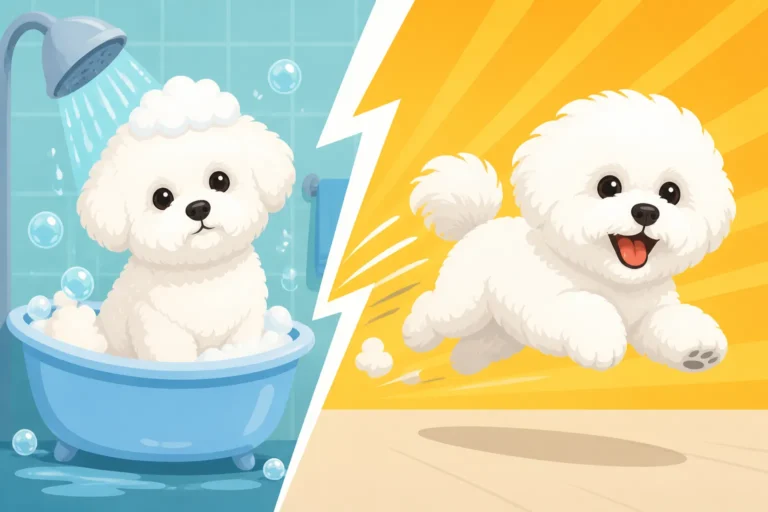
One of the most endearing and sometimes bewildering behaviors of a Bichon Frise is what owners affectionately call the "Bichon Blitz" or "zoomies." This is a sudden burst of frantic, high-speed running, spinning, and often happy barking that comes out of nowhere. The Bichon Blitz and What It Means is generally a display of pure joy and excess energy.
These bursts often happen after a bath, waking from a nap, or when they're simply overjoyed. While it can seem chaotic, it's usually harmless and a sign of a happy, energetic dog letting off steam. Provide a safe, open space for these episodes, and avoid trying to stop them mid-blitz, as this can confuse or frustrate your dog. Instead, just enjoy the spectacle! Beyond the blitz, Bichons are renowned for their lifelong playfulness. Even as seniors, they often retain a puppy-like enthusiasm for games and toys. Encourage this with interactive play, puzzle toys, and fetch. This mental and physical stimulation is vital for their well-being, helping to channel their energy positively and prevent boredom-induced mischief.
Managing Barking Tendencies
Bichons are generally quite alert and can develop a habit of barking at perceived threats, strangers, or anything new in their environment. This can include window barking at passersby, barking at the doorbell, or even just expressing excitement. While their bark is typically not deep or intimidating, it can become excessive if not managed.
In their first year, it's important to differentiate between alert barking (e.g., someone's at the door) and nuisance barking (e.g., barking at every leaf that blows by). For alert barking, acknowledge the alert with a calm "thank you" and then redirect them. For nuisance barking, prevention is key. If your Bichon barks at the window, try blocking their view during certain times of the day. Teach them a "quiet" cue by holding a treat to their nose, waiting for them to stop barking for a second, then rewarding. Gradually increase the quiet time before rewarding. Never yell at them to be quiet, as this can often be interpreted as you barking with them, escalating the noise. Consistency in training and providing plenty of mental and physical exercise can go a long way in managing this trait.
Affectionate Nature and Separation Issues
Bichon Frises were bred to be companions, and they excel at it. They are incredibly affectionate, loving nothing more than to be close to their people. This deep bond is wonderful, but it can also make them prone to separation anxiety if not managed properly from a young age.
In their first year, teach your Bichon that it's okay to be alone. Start with very short periods of separation, even just leaving them in their crate in another room while you step out for five minutes. Gradually increase the duration. Provide them with a special chew toy or a puzzle filled with treats that they only get when you leave. This helps create a positive association with your absence. Avoid making a big fuss when you leave or return; keep hellos and goodbyes calm and low-key. A dog with separation anxiety can exhibit destructive chewing, excessive barking, or even accidents indoors when left alone. Addressing this early through training, crate conditioning, and gradual desensitization is crucial for both their well-being and your peace of mind. For ongoing support in managing puppy behavior, online training resources like those from BAXTER & Bella can be incredibly helpful for troubleshooting specific issues and reinforcing positive habits.
Health & Wellness in the First Year: A Foundation for Life
The first year of a Bichon Frise's life is foundational for their long-term health. Regular veterinary care, proper nutrition, and vigilant observation for potential issues are paramount. Establishing a strong health routine now can help prevent more serious problems down the line and ensure your Bichon lives a long, happy, and healthy life.
Essential Veterinary Care: Vaccinations and Check-ups
Bringing a new puppy home means regular trips to the vet for their initial health checks, vaccinations, and deworming. Your vet will establish a vaccination schedule to protect your Bichon Frise puppy from common and potentially fatal diseases.
Typically, puppies receive a series of vaccinations against distemper, parvovirus, adenovirus, and parainfluenza, usually starting around 6-8 weeks of age and continuing every 3-4 weeks until they are about 16 weeks old. Rabies vaccination is usually given around 12-16 weeks, depending on local laws. Your vet will also advise on flea, tick, and heartworm prevention, which are crucial even for indoor dogs. These early vet visits are also an excellent opportunity to discuss nutrition, training, and any concerns you might have. Think of your veterinarian as a key partner in your puppy's health journey. Don't hesitate to ask questions, even if they seem silly. Early detection of potential issues, from parasites to minor skin irritations, can save you a lot of worry and expense down the road.
Optimal Nutrition for Growing Bichon Frises
What you feed your Bichon Frise puppy in their first year significantly impacts their growth, development, and overall health. They need a high-quality, complete, and balanced puppy formula specifically designed for small breeds.
Look for a diet that lists a named meat source (like chicken, lamb, or fish) as the first ingredient. Avoid diets with excessive fillers, artificial colors, or by-products as main ingredients. Small breed puppy foods are formulated with appropriate calorie levels and kibble size for their tiny mouths and fast metabolisms. Follow the feeding guidelines on the food package, adjusting as needed based on your puppy's activity level and body condition. Overfeeding can lead to rapid growth and skeletal issues, while underfeeding can stunt development. How Much a Bichon Frise Puppy Eats at Four Months will be different from what an adult eats, so pay attention to the manufacturer's recommendations for age and weight. Generally, puppies need to eat more frequently than adults – typically three meals a day until they are around 6-12 months old, at which point you might transition to two meals. When a Bichon Frise Drops to Two Meals depends on their individual growth and your vet's recommendation. Always ensure fresh, clean water is available, and consult your vet before introducing any supplements or making drastic dietary changes.
Common Health Concerns in Bichon Frise Puppies
While generally a healthy breed, Bichon Frises can be prone to certain conditions, and awareness in their first year is crucial. Keeping an eye out for these can help you act quickly if something seems amiss.
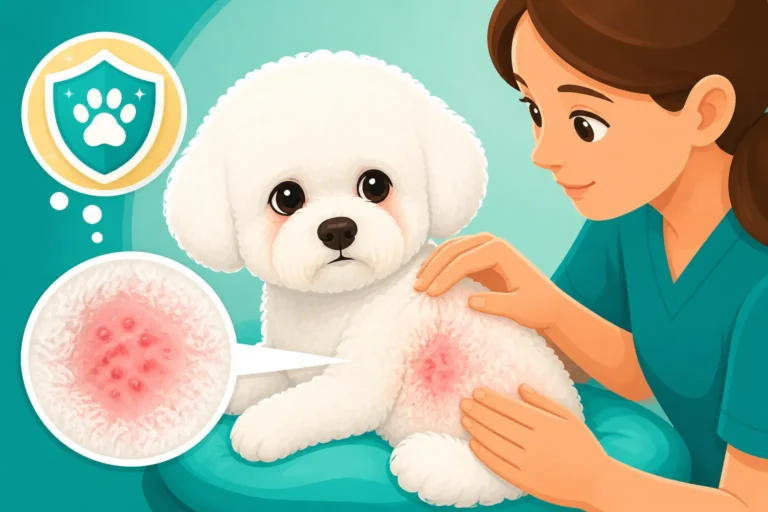
One common issue is patellar luxation, or "slipping kneecaps," where the kneecap moves out of place. You might notice your puppy skipping or holding up a back leg occasionally. While many cases are mild, severe luxation might require surgical correction later in life. Another concern is dental health; Bichons are prone to dental disease, so get them used to having their teeth brushed daily from a young age. Their small mouths can also sometimes retain baby teeth, which need to be extracted by your vet to prevent dental overcrowding and decay. Allergies, both environmental and food-related, can also manifest early, presenting as itching, scratching, or ear infections. Finally, due to their all-white coats, Whether a Bichon Frise Gets Dry Eye is another breed-specific concern, often requiring lifelong treatment. Regular vet check-ups help monitor for these conditions and allow for early intervention, which is always the best approach for managing your Bichon's health.
Navigating Adolescent Challenges: The "Teenage" Bichon
Just like human teenagers, Bichon Frises go through an adolescent phase, usually between six months and one year of age. This period can bring new behavioral quirks, a bit of rebellion, and a test of your patience. It's a time when puppies push boundaries, sometimes "forget" their training, and generally exhibit more independent (and occasionally naughty) behavior.
Dealing with "Selective Hearing" and Boundary Pushing
Many owners report that their perfectly trained puppy suddenly develops "selective hearing" around adolescence. Commands they once knew flawlessly seem to vanish into thin air, and they might start testing boundaries they previously respected.
This isn't necessarily a sign of bad training; it's a normal developmental stage where your Bichon is asserting their independence and figuring out where they stand in the family hierarchy. The key is to respond with calm consistency, not frustration. Double down on training, making sessions even more engaging and rewarding. Revisit basic commands in various environments with increasing distractions. If they start jumping on the couch after being told no for months, calmly redirect them to their bed and reward them there. Avoid getting into power struggles or becoming overly emotional, as this can inadvertently reinforce the unwanted behavior with attention. Patience, persistence, and positive reinforcement will help your Bichon navigate this phase and emerge as a well-behaved adult.
Managing Increased Energy and Curiosity
Adolescent Bichons often experience a surge in energy and curiosity. They might want to explore more, chew more intensely, and require more mental stimulation to stay out of trouble. This increased energy needs appropriate outlets.
Ensure your Bichon is getting sufficient physical exercise. While small, Bichons still benefit from daily walks and play sessions. Beyond physical activity, mental stimulation is equally important. Engage them with puzzle toys, interactive games, and short, fun training sessions that challenge their minds. If they're chewing inappropriately, it might be a sign of boredom or pent-up energy. Re-evaluate their toy rotation, offering new and exciting chew items (check out durable options on Amazon). Continuing socialization during this period is also important. Expose them to new places and experiences, always making them positive. A tired and mentally stimulated adolescent Bichon is far less likely to develop destructive behaviors or engage in excessive barking.
The Importance of Continued Training and Socialization
Many people think training ends when puppy class is over, but for an adolescent Bichon, it's just beginning. Continued training and socialization are vital to solidify good habits and address any new behavioral challenges that arise.
Consider enrolling in an intermediate obedience class or even exploring fun dog sports like rally or agility (yes, even little Bichons can do them!). This provides continued structure, mental engagement, and reinforces your bond. It also exposes them to new people, dogs, and environments in a controlled setting. If specific issues arise, such as leash pulling or reactivity, seek guidance from a professional positive reinforcement trainer. Don't let new challenges fester; address them promptly and consistently. The more you invest in their training and socialization during this "teenage" phase, the more reliable and well-adjusted your adult Bichon Frise will be. Remember that What a Bichon Frise Costs a Year to Keep includes these ongoing investments in training and enrichment, which are just as vital as vet care and grooming.
Daily Life with Your Bichon: Routines, Care, and Quirks
Once your Bichon Frise puppy moves past the initial chaotic months and into adolescence, a daily rhythm begins to take shape. This daily life isn't just about survival; it's about optimizing their well-being, keeping them healthy, happy, and integrated into your family. From regular care to understanding their unique needs, a structured day helps both you and your Bichon thrive.
Establishing a Predictable Daily Schedule
Just as in puppyhood, a predictable daily schedule continues to be important for your growing Bichon. It provides security and helps manage expectations for everyone in the household. Consistency in feeding times, potty breaks, exercise, and quiet time helps maintain good behavior and reduces anxiety.
For instance, two meals a day at consistent times, followed by a potty break, ensures their digestive system runs smoothly and helps prevent accidents. Regular walks or playtime at similar times each day allow for adequate exercise and mental stimulation. Even quiet time or a designated nap in their crate can be part of the routine, teaching them to settle. This predictability is particularly helpful for managing potential separation anxiety, as your Bichon will learn when to expect your departures and returns. While life inevitably throws curveballs, sticking to a general schedule as much as possible provides a stable environment, which is especially beneficial for a breed that thrives on companionship and routine.
Exercise Needs of a Bichon Frise
Despite their small size and fluffy appearance, Bichon Frises are energetic little dogs that require regular exercise to stay healthy and happy. Don't let their dainty looks fool you; they need more than just a stroll around the block.
Aim for at least 30-60 minutes of daily exercise, broken into two or three sessions. This can include brisk walks, playtime in a secure yard, or interactive games indoors. Bichons love to chase toys and play fetch. Remember, their minds need exercise too! Puzzle toys, training sessions, and opportunities to sniff and explore on walks provide crucial mental stimulation. While they are small enough for apartment living, they still need dedicated time outside to burn off energy. Insufficient exercise can lead to boredom, destructive behaviors, and weight gain. On the flip side, over-exercising a young puppy can be detrimental to their developing joints, so tailor the intensity and duration to their age and stamina, and always consult with your vet about appropriate exercise levels.
Ongoing Grooming and Health Maintenance
As your Bichon enters their first year, ongoing grooming remains a significant part of their daily and weekly care routine. Their beautiful coat is a commitment you signed up for! Similarly, maintaining their health through consistent home care is vital between vet visits.
Daily brushing and combing are still essential to prevent mats. Weekly tasks should include checking and cleaning their ears (especially if they are prone to ear infections) and regular nail trims. If you're comfortable doing it yourself, invest in good quality nail clippers or a grinder. If not, schedule regular "nail trim" appointments with your groomer or vet tech. Continue with daily tooth brushing to combat dental disease, which Bichons are particularly susceptible to. Regularly examine their eyes for any discharge or irritation, and gently clean tear stains. Keeping an eye on their skin and coat during grooming sessions allows you to spot any changes, lumps, or irritations early. This proactive approach to grooming and health maintenance helps ensure your Bichon stays comfortable, clean, and catches potential problems before they become serious.
Looking Beyond the First Birthday: What Comes Next
Congratulations! You've successfully navigated the challenging, yet incredibly rewarding, first year with your Bichon Frise puppy. As they cross the threshold into adulthood, generally around 12 months, the journey doesn't end – it evolves. Your Bichon will settle into their adult personality, but continued care, training, and attention to their unique needs will ensure they continue to be a cherished member of your family for many years to come.
Transitioning to Adult Food and Routines
Around their first birthday, your veterinarian will likely recommend transitioning your Bichon Frise from puppy food to an adult formula. This is an important step, as adult foods are formulated with different nutrient balances and calorie counts suitable for a dog whose rapid growth phase is complete.
Make the transition gradually over 7-10 days, mixing increasing amounts of the new food with decreasing amounts of the old. This helps prevent digestive upset. Continue with a consistent feeding schedule, typically two meals a day for an adult Bichon. Monitor their weight and body condition closely. Bichons can be prone to weight gain if overfed, which can exacerbate joint problems or other health issues. Your vet can guide you on the ideal body weight for your individual dog. Exercise routines should remain consistent, adapting as they age to their energy levels. While puppyhood chaos subsides, structure and routine remain valuable for a well-adjusted adult dog.
The Lifelong Commitment to Training and Enrichment
Training is not a one-year project; it's a lifelong commitment. An adult Bichon still benefits from ongoing mental stimulation and reinforcement of good behaviors. This is especially true as you continue to address specific breed predispositions or individual quirks.
Continue to practice basic obedience commands daily. Enroll in advanced training classes, try out dog sports, or simply teach them new tricks to keep their minds sharp and engaged. Bichons are intelligent and enjoy learning, and mental enrichment prevents boredom and potential behavioral issues. Socialization should also continue; regular walks, visits to pet-friendly places, and positive interactions with other vaccinated dogs help maintain their confidence and good manners. This ongoing engagement strengthens your bond and ensures your Bichon remains a polite and happy member of the community.
Anticipating and Managing Common Adult Health Issues
As your Bichon Frise matures, remaining vigilant about their breed-specific health concerns is crucial. While many issues might begin to manifest in their first year, some may become more prominent or develop later in adulthood.
Continued regular veterinary check-ups are essential for monitoring overall health and catching potential problems early. Be particularly aware of conditions like patellar luxation, which can worsen with age, and dental disease, which is almost universal in small breeds if not diligently prevented. Eye conditions, like juvenile cataracts or dry eye, can also emerge. The Stone That Comes Back a Year After Bichon Frise Surgery highlights the recurring nature of some urinary tract issues, so staying proactive with diet and monitoring is vital if your Bichon has had stones. Your vet will recommend appropriate preventative care, screenings, and dietary adjustments based on your dog's individual needs. By being proactive and attentive to their health, you're investing in a longer, healthier, and happier life for your beloved Bichon Frise.
Disclaimer
This article is for general informational purposes only and does not constitute professional advice. Laws, prices and regulations vary by location and change over time. Consult a qualified professional for guidance on your specific situation.