Whether a Bichon Frise Is Easy to Train
Many prospective Bichon Frise owners dream of a fluffy, cheerful companion, but often wonder if that picture-perfect dog will also be easy to train. The truth is, while Bichons are intelligent and eager to please in many ways, they do come with their own unique set of training quirks and challenges that can catch first-time owners off guard. This guide will walk you through the nuances of training a Bichon Frise, highlighting their strengths, common stumbling blocks, and proven strategies to ensure a well-mannered and happy companion.
The Bichon Frise Temperament and Its Impact on Training
Understanding your Bichon Frise's inherent personality traits is the first step to successful training. They aren't just cute; they have distinct characteristics that greatly influence how they learn and respond to commands. Their history as companion dogs means they thrive on human interaction, but this also shapes their expectations and reactions during training.
The "Merry" Disposition and Its Training Advantages
The Bichon Frise breed standard famously describes them as "merry," and this isn't just a whimsical descriptor – it's a fundamental aspect of their personality that plays a huge role in training. A merry dog is generally cheerful, playful, and has a zest for life that can be incredibly infectious. This inherent optimism makes them generally very willing participants in activities, including training, especially when it's presented as a fun game. They love to engage with their people, and their desire to please can be a powerful motivator. If you make training sessions enjoyable, full of praise, and perhaps a few silly antics, your Bichon will likely respond with enthusiasm, eager to earn your approval and those tasty rewards. This cheerful demeanor means they often bounce back quickly from minor corrections or mistakes, without holding grudges or becoming overly discouraged. They're usually ready for the next challenge, approaching it with that characteristic tail-wagging eagerness.
This playful nature can be leveraged in positive reinforcement training methods. Instead of dull repetition, you can incorporate play into learning new cues. A quick game of fetch before a "sit" command can prime them for engagement, for instance. Their natural desire for attention also means that simply giving them your focused time and verbal praise can be a reward in itself. They truly enjoy being the center of your world, and training offers a structured way to get that coveted one-on-one interaction. This bond, built on positive experiences, strengthens their responsiveness and makes them more inclined to listen to you, not just during training, but in everyday life as well. Their sociability also extends to other dogs and people, making them generally adaptable to different training environments, from busy parks to quiet home settings.
When Independence or Stubbornness Kicks In
Despite their merry disposition, Bichons are not robots, and they do have a proud, sometimes independent streak that can manifest as stubbornness. This isn't usually born of malice, but rather a strong sense of self and a tendency to prioritize their own immediate desires. For example, if a "sit" command means stopping a fun sniff of a fascinating new scent in the park, they might decide that the sniff is more important than your command at that moment. This can be particularly noticeable if they're not adequately motivated, or if they perceive the training as boring or overly repetitive. It's easy to mistake this for being "difficult," but often, it's just a Bichon expressing their preferences. They might stare at you with those intelligent dark eyes, process your command, and then simply choose not to comply if they don't see the immediate benefit or if something more appealing is happening.
This stubbornness means that patience and persistence are absolutely crucial when training a Bichon Frise. You can't just give up if they don't get it on the first try, or even the tenth. You'll need to find what truly motivates your individual dog – whether it's a specific high-value treat, a favorite squeaky toy, or an extra vigorous belly rub. Varying your training locations, keeping sessions short and engaging, and always ending on a positive note can help combat this tendency. If you find yourself in a power struggle, it’s often best to briefly disengage, re-evaluate your approach, and try again when both you and your Bichon are in a more positive mindset. Remember, consistency is your best friend. If you let them get away with not following a command once, they'll remember it and try to push those boundaries again. This is particularly true for commands like "stay" or "come," where their independent streak might tell them that exploring is more fun.
The Sensitivity of the Bichon Frise
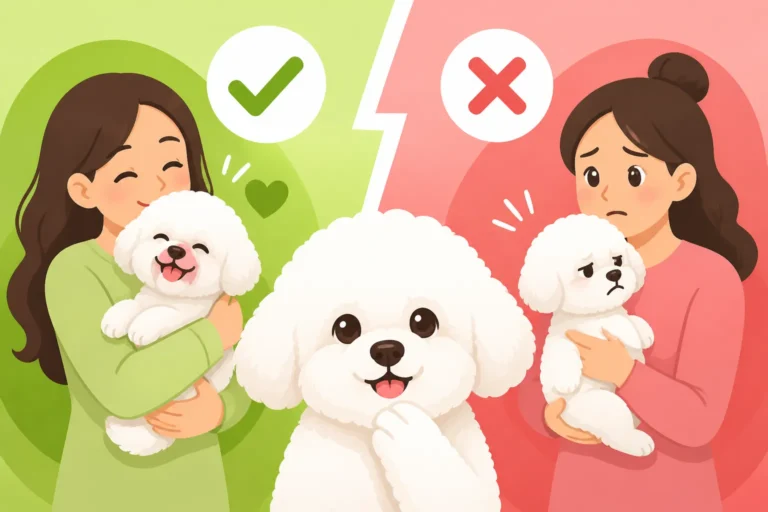
Bichons are highly sensitive dogs, both emotionally and physically. This sensitivity is a double-edged sword in training. On one hand, it means they are highly attuned to your mood and body language, which can be beneficial if you are calm and clear in your communication. They pick up on subtle cues and can often anticipate what you want, almost reading your mind. This can make them incredibly responsive to positive reinforcement, as they thrive on praise and gentle encouragement. A happy tone of voice and a warm scratch behind the ears can go a long way in reinforcing good behavior. Their desire for connection means they genuinely want to please you, and a sensitive trainer can tap into this deep bond.
On the other hand, this sensitivity means they can be easily discouraged or even fearful if training methods are harsh, loud, or inconsistent. Yelling, forceful corrections, or any form of punishment can quickly shut down a Bichon, making them anxious, withdrawn, or even leading to fear-based behaviors like snapping or avoidance. They don't respond well to heavy-handed tactics and can become very resistant if they feel intimidated or confused. If you've ever had a Bichon cower or shy away, you know how heartbreaking it can be, and it's a clear sign that your approach needs adjustment. This also extends to their environment; a noisy, chaotic training space might overwhelm them, leading to distraction rather than learning. They generally prefer a calm, predictable atmosphere where they feel safe and secure. Understanding and respecting their sensitive nature is paramount to building trust and fostering a positive learning experience.
Housetraining Challenges and Solutions for Bichons
Housetraining is often cited as one of the biggest training hurdles for Bichon Frise owners. While it might seem daunting, it's a challenge that can be overcome with the right approach and a deep understanding of their unique needs. Many owners find themselves frustrated, thinking their Bichon is being stubborn, when often there are underlying reasons or a lack of consistent strategy. You can read more about why this breed often struggles in Why a Bichon Frise Is Famously Hard to Housetrain.
The Small Bladder Myth vs. Reality
One common misconception is that Bichon Frises, being small dogs, have exceptionally tiny bladders that simply can't hold urine for long periods. While it's true that smaller dogs generally have smaller bladders than a Great Dane, their bladder capacity is often sufficient for their size, and it's not the sole reason for housetraining difficulties. The issue isn't always about capacity; it's often about the combination of a small dog's metabolism, their preference for clean surroundings, and sometimes, a reluctance to venture out in less-than-ideal weather. A puppy, regardless of breed, needs to urinate frequently, and a Bichon puppy is no exception. However, as they mature, their bladder control should improve significantly.
The reality is that a healthy adult Bichon Frise should be able to hold their bladder for several hours, typically 4-6 hours during the day and longer overnight. If your adult Bichon is having frequent accidents, it's more likely due to inconsistent training, lack of a reliable schedule, or potentially an underlying medical issue such as a urinary tract infection or, for some Bichons, even bladder stones. It's crucial not to dismiss accidents as simply "small bladder syndrome" without considering other factors. Always rule out medical causes with a vet visit if housetraining suddenly regresses or seems unusually difficult. Once health issues are excluded, the focus shifts entirely to your training strategy.
Consistency and Routine: The Key to Success
When it comes to housetraining a Bichon Frise, consistency and a strict routine are not just helpful – they are absolutely non-negotiable. These dogs thrive on predictability, and establishing a clear schedule for potty breaks helps them understand what is expected. Think of it as creating a habit. Every time they wake up, after every meal, after playing, and before bedtime, they need to go outside. This isn't just about taking them out; it's about taking them to the same spot outside, using a consistent verbal cue like "potty" or "go outside," and waiting patiently for them to relieve themselves. When they do, lavish them with praise and a small, high-value treat immediately. This instant reward helps them associate the act of eliminating outside with a positive outcome.
A strict schedule helps prevent accidents by giving them frequent opportunities to go in the correct location, reinforcing the desired behavior. It also minimizes opportunities for "mistakes" indoors. Ignoring the schedule, even once, can confuse your Bichon and set back your progress. For example, if you miss their usual after-dinner potty break, they might have an accident an hour later. It’s a lot like training a toddler – consistency is everything. Even if it's raining or cold, your Bichon needs to go out, perhaps to a covered potty area or wearing a doggy raincoat. Many owners find a written toilet schedule incredibly helpful, especially in the early days, to keep everyone in the household on the same page. The Toilet Routine That Finally Works on a Bichon Frise offers more specific tips for establishing such a routine.
Dealing with Setbacks and Urgency Problems
It's almost guaranteed that you'll encounter setbacks during housetraining. It's part of the process, and it's important not to get discouraged or, worse, punish your Bichon for accidents. Punishment after the fact is ineffective because your dog won't connect the punishment to the act of eliminating, only to your presence and anger. If you find an accident, simply clean it up thoroughly with an enzymatic cleaner to remove all traces of odor, which can otherwise invite repeat offenses. If you catch your Bichon in the act, calmly interrupt them with a clap or a gentle "no," and immediately take them outside to their designated potty spot. If they finish outside, praise and reward them as usual.
Sometimes, what appears to be a housetraining setback is actually an urgency problem. This can be caused by medical issues like urinary tract infections or bladder stones, which are unfortunately common in Bichons. If your previously housetrained Bichon suddenly starts having accidents, is straining, or seems to have increased frequency or urgency, a vet visit is imperative. Whether Frequent Squatting Means Stones Not Training delves deeper into these potential health concerns. Until a medical cause is ruled out, no amount of training will fix the issue. If it's not medical, then re-evaluate your routine, increase the frequency of potty breaks, and perhaps temporarily revert to a stricter schedule, similar to when they were a puppy. Crating can also be a valuable tool, as dogs naturally prefer not to soil their sleeping area. Whether Crate Training Works on a Bichon Frise explores this method in detail. Remember that patience and understanding are your greatest assets when navigating these challenges.
Grooming and Handling: Training for Cooperation
The beautiful Bichon Frise coat is iconic, but it comes with significant grooming responsibilities. Training your Bichon to tolerate, and even enjoy, handling and grooming sessions is paramount not only for their appearance but also for their health and well-being. This isn't just about aesthetics; it's about being able to comfortably check their skin, ears, teeth, and paws for any potential issues.
The Necessity of Early Grooming Acclimation
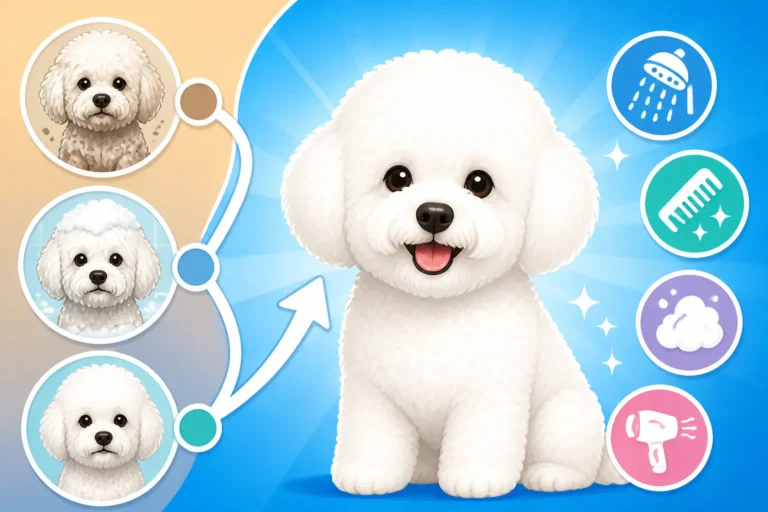
From the moment you bring your Bichon Frise puppy home, you should begin the process of acclimating them to grooming. This isn't something that can wait until their first professional groomer's visit. Their fluffy double coat needs daily attention to prevent matting, and their eyes and ears require regular cleaning. Starting early, even before they have all their vaccinations, is crucial. Begin with short, positive sessions that involve gentle brushing with a soft puppy brush, touching their paws, ears, tail, and muzzle. Pair these touches with high-value treats and calm praise. The goal is to make grooming feel like a pleasant, normal part of their day, rather than a scary or uncomfortable ordeal.
Early acclimation helps prevent fear and resistance later on. A puppy that learns to associate brushing with a tasty treat is much more likely to tolerate it as an adult than one suddenly introduced to a harsh brush or clippers. Introduce them to the sound of clippers (even if not touching them) and the feel of a blow dryer from a distance, gradually moving closer as they get comfortable. Consider enrolling them in puppy classes that include handling exercises. Remember that grooming involves many different sensations – brushing, bathing, drying, nail trims, ear cleaning, and trimming around sensitive areas like the eyes and paws. Each of these components needs to be introduced positively and gradually. You'll find more insights on this specific topic in How Early a Bichon Frise Should Meet a Groomer.
Desensitizing for Brushing, Bathing, and Trims
Desensitization is a powerful technique for getting your Bichon Frise comfortable with grooming tools and procedures. It involves gradually exposing them to something they might find aversive (like a nail clipper or a dryer) at a very low intensity, pairing it with positive experiences, and slowly increasing the intensity as they become more relaxed. For brushing, start with just one or two strokes, followed by a treat. Slowly increase the number of strokes and eventually introduce different types of brushes, like a slicker brush and a comb. Always work gently, untangling any small mats carefully rather than yanking.
Bathing can be a big sensory experience. Start by simply getting their paws wet, then gradually introduce them to the tub, the sound of running water, and eventually, shampoo. Use lukewarm water and talk to them soothingly. After the bath, the drying process is critical for preventing mats and achieving that iconic "powder puff" look. Introduce the blow dryer from a distance on a low setting, again pairing it with treats. For trims, you can start with blunt-nosed scissors, just holding them near their face or paws, rewarding them, before ever attempting to trim. The goal is to build a positive association with all aspects of grooming. Many owners find value in resources like those offered by BAXTER & Bella, which often include modules on desensitizing puppies to handling and grooming tools, providing structured guidance for this crucial training.
Managing Pain or Discomfort During Handling
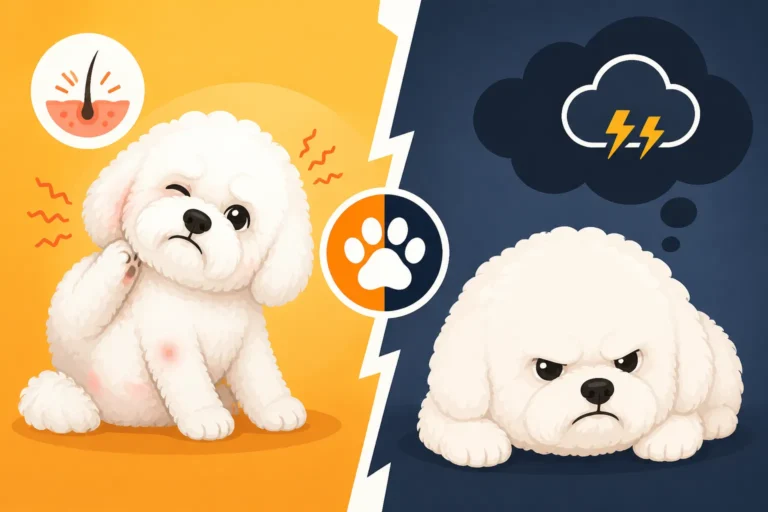
Sometimes, a Bichon Frise's reluctance to be groomed isn't about being stubborn or untrained; it's about pain or discomfort. Mats can pull on their skin, ear infections make their ears tender, and dental issues can make touching their muzzle excruciating. If your Bichon suddenly becomes resistant to grooming, especially if they were previously cooperative, rule out pain as a cause. A quick vet check can identify any underlying medical conditions that might be making them uncomfortable. For instance, a persistent ear infection will make ear cleaning a dreaded event, no matter how gentle you are.
If pain is identified, addressing the medical issue first is paramount. Once they are pain-free, you may need to go back to square one with desensitization, as they might now associate grooming with discomfort. Be extra gentle and patient. For Bichons prone to skin allergies, medicated baths might be necessary, and you'll want to make this as stress-free as possible. Handling a Bichon Frise Whose Skin Is Sore provides further advice on this. Additionally, joint issues like luxating patellas can make standing for long periods on a grooming table uncomfortable, especially for older Bichons. In such cases, shorter sessions, frequent breaks, or allowing them to lie down might be necessary. Being attuned to their comfort levels is key to maintaining a good relationship with grooming throughout their lives.
Obedience and Tricks: Tapping into Their Cleverness
Bichon Frises are intelligent little dogs, and they genuinely enjoy learning when it's made fun and rewarding. Their historical background as circus performers is a testament to their capacity for learning tricks and obedience commands, making them excellent candidates for various dog sports and advanced training.
Positive Reinforcement and High-Value Rewards
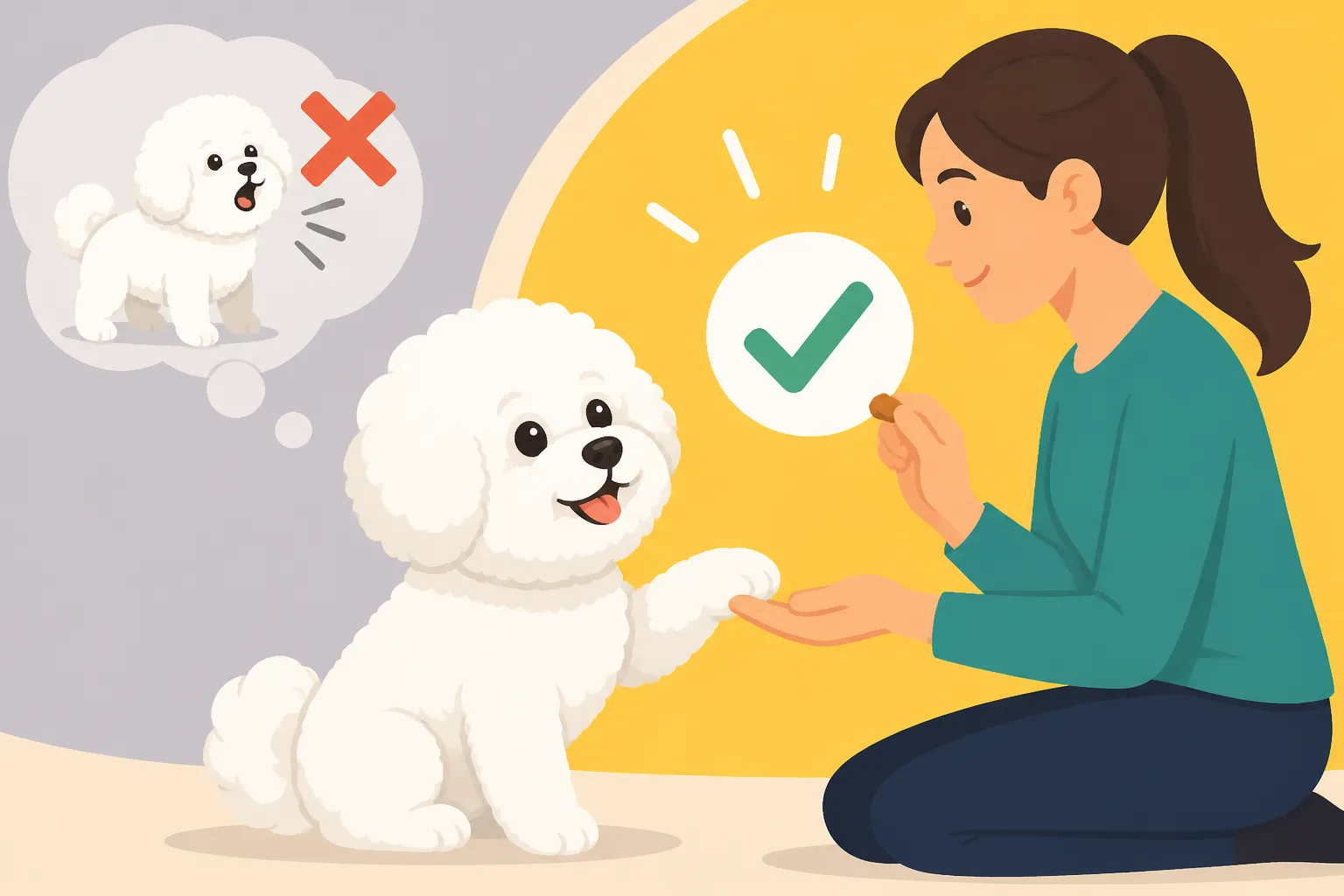
The most effective training method for a Bichon Frise, given their sensitive and people-oriented nature, is positive reinforcement. This means rewarding desired behaviors with something your dog values, like treats, praise, or a favorite toy. When your Bichon performs a "sit," immediately follow it with a verbal marker like "yes!" and a small, soft treat. This clear, consistent feedback helps them understand exactly what they did right. Punishment, as mentioned, is counterproductive and can damage your bond. Instead, focus on encouraging the behaviors you do want to see.
The key to successful positive reinforcement is using high-value rewards. Not all treats are created equal in the eyes of a Bichon. Dry kibble might work for some, but often, softer, smellier treats like small pieces of cooked chicken, cheese, or specialized training treats will capture their attention far more effectively. Experiment to find out what truly motivates your individual dog. The higher the value of the reward, the more engaged and eager your Bichon will be to work for it. This is especially true when learning new or more challenging commands. Varying your rewards can also keep them interested; sometimes it's a treat, sometimes a quick game of tug, sometimes just enthusiastic praise. What a Bichon Frise Will Work For offers more detailed suggestions on motivating your clever companion.
Short, Engaging Training Sessions
Bichons have a good attention span for their size, but like all dogs, they learn best in short, focused bursts. Long, repetitive training sessions can quickly lead to boredom, frustration, and that characteristic Bichon stubbornness. Aim for training sessions that last no more than 5-10 minutes, especially for puppies or when teaching new concepts. You can have several such short sessions throughout the day, rather than one marathon session. This keeps the experience fresh, fun, and ensures your Bichon remains engaged and eager for the next session.
During these sessions, keep the atmosphere light and positive. Use an upbeat tone of voice and incorporate play to make learning feel like a game. If your Bichon seems distracted or starts making mistakes, it's often a sign that the session has gone on too long or that they need a break. End on a high note by asking for a command they know well and rewarding them generously. This leaves them feeling successful and looking forward to the next training opportunity. This approach is much more effective than pushing them past their mental capacity, which can lead to negative associations with training. Consistency across these short sessions is more important than the length of any single session.
Beyond Basic Commands: Advanced Tricks and Sports
Bichons are not just cute lapdogs; their intelligence and eagerness to please make them fantastic candidates for learning a wide array of tricks and even participating in dog sports. Once they've mastered basic obedience commands like sit, stay, come, and lie down, you can explore more advanced challenges. Tricks like "spin," "bow," "play dead," or even "fetch me a tissue" are well within a Bichon's capabilities, and they often enjoy the mental stimulation and attention these activities bring. Teaching tricks is also a great way to reinforce your bond and keep their minds active.
Many Bichon Frises excel in various dog sports. Their agility and lighthearted nature make them surprisingly good at canine freestyle (dog dancing), rally obedience, or even some forms of agility, albeit scaled down for their size. Their ability to focus and their love of working with their owner make them wonderful partners. Classes for these sports, often found at local dog training clubs or through online platforms like BAXTER & Bella, provide excellent opportunities for both physical and mental exercise. Engaging in these activities not only provides a fun outlet for their energy but also strengthens their confidence and your communication as a team. Don't underestimate your fluffy companion; they might just be your next champion trick dog or agility star!
Factors Influencing a Bichon Frise's Trainability
While Bichon Frises generally possess a trainable temperament, several factors can significantly influence how easy or challenging their training journey will be. These aren't just about the dog; they involve the owner, the environment, and even the dog's early life experiences.
Early Socialization and Puppy Classes
The period between 8 and 16 weeks of age is a critical socialization window for puppies. During this time, every positive experience helps shape them into a confident, well-adjusted adult dog. For a Bichon Frise, early and varied socialization is absolutely essential for their trainability and overall demeanor. Expose your puppy to a wide variety of sights, sounds, people (of all ages and types), and other vaccinated, friendly dogs in a controlled, positive manner. This helps them learn that the world isn't a scary place and reduces the likelihood of developing fear-based behaviors, which can severely hinder training efforts.
Puppy classes are an invaluable resource for Bichon owners. These classes provide a safe and structured environment for socialization, not only with other puppies but also with different people and new experiences. Beyond socialization, puppy classes teach you, the owner, how to effectively communicate with your dog using positive reinforcement techniques. You'll learn basic commands, problem-solving strategies for common puppy behaviors like nipping and jumping, and how to build a strong foundation of trust and respect. A well-socialized Bichon is generally more confident, adaptable, and less prone to anxieties that can make training more difficult. Investing time and effort in early socialization truly pays dividends throughout your dog's life, making future training much smoother. You can learn more about bringing your new companion home in The First Year With a Bichon Frise Puppy.
Owner Consistency and Experience
No matter how intelligent or willing a dog is, consistent training from their owner is the most crucial factor in their trainability. This means everyone in the household needs to be on the same page regarding commands, rules, and expectations. If one person allows the dog on the furniture while another punishes it, the Bichon will become confused and unsure of what's expected, leading to slower learning and potential behavioral issues. Consistency isn't just about what you teach, but how and when you teach it. Regular, short training sessions embedded into daily life are far more effective than sporadic, intense bursts.
An owner's experience level also plays a role. First-time dog owners might find the initial challenges of training a Bichon more overwhelming than someone who has trained several dogs. However, lack of experience is not a barrier to success; it simply means you might need to lean more heavily on external resources. Online courses, such as those from BAXTER & Bella, or local professional dog trainers can provide invaluable guidance and support. They can help you troubleshoot problems, refine your techniques, and build your confidence as a trainer. Remember, training your Bichon is also about training yourself to be a clear, patient, and consistent leader. A confident, knowledgeable owner makes a world of difference to a Bichon's trainability.
Health and Underlying Conditions
A dog's physical health has a direct and profound impact on its ability and willingness to learn and perform. A Bichon Frise that is in pain, uncomfortable, or suffering from an underlying medical condition will naturally be less responsive to training, regardless of its intelligence or disposition. For example, if a Bichon has an undiagnosed ear infection, it might resist head handling during grooming training. If it has discomfort from a luxating patella, it might be hesitant to sit or jump, making obedience commands difficult. Urinary issues, like bladder stones or UTIs, which Bichons are prone to, can mimic housetraining problems, leading owners to believe the dog is resistant when it's actually suffering from a medical urgency.
It is always wise to rule out any health concerns if training efforts seem to be hitting a wall, or if your Bichon's behavior suddenly changes. Regular veterinary check-ups are essential, and if you suspect something is amiss, don't hesitate to seek professional advice. A healthy Bichon is a happy Bichon, and a happy Bichon is a much more engaged and trainable student. Ensure they are receiving appropriate nutrition, regular exercise, and preventative care. Addressing health proactively not only improves their quality of life but also significantly enhances their receptiveness to training.
Summary of Bichon Frise Trainability
Here's a quick overview of what makes training a Bichon Frise easy or challenging:
| Training Aspect | Generally Easy Because… | Generally Challenging Because… |
|---|---|---|
| Overall Disposition | Merry, eager to please, loves attention and bonding with owner. Intelligent and can learn quickly when motivated. | Can be prone to stubbornness if not properly motivated or if training is inconsistent/boring. Highly sensitive, so harsh methods are counterproductive. |
| Housetraining | Clean by nature and generally prefer not to soil their living area. Respond well to routine. | Smaller bladder, though not as problematic as often thought. Can be reluctant to go outside in bad weather. Prone to urinary issues (UTIs, stones) which mimic training problems. Requires high consistency. |
| Obedience Commands | Intelligent and enjoy mental stimulation. Respond enthusiastically to positive reinforcement and high-value rewards. Strong desire to please their owner. | Can get distracted easily if environment is too stimulating or sessions are too long. May decide not to comply if a higher-value distraction is present. |
| Grooming & Handling | Can be acclimated to handling from a young age with positive reinforcement. Enjoy the attention. | Requires extensive daily grooming, which can be seen as an imposition if not trained early. Can be sensitive to pain (mats, ear infections) making handling difficult. Demands consistent desensitization to tools. |
| Socialization | Generally friendly and outgoing, often enjoy meeting new people and dogs. | Can become overly shy or anxious if not properly socialized during critical puppyhood. Prone to separation anxiety if not taught independence. |
| Tricks & Sports | Inherently clever and enjoy problem-solving. Historically performed in circuses, showing aptitude for complex routines. | Can become easily frustrated if tasks are too difficult or sessions are not varied. Requires creative, fun approaches to keep engagement high. |
In conclusion, training a Bichon Frise is absolutely achievable, and can be a deeply rewarding experience. While they present some unique challenges, particularly with housetraining and grooming compliance, their intelligence, eager-to-please nature, and strong desire for companionship make them excellent students for patient, consistent, and positive trainers. Remember, understanding their personality, starting early, maintaining a strict routine, and always ruling out health issues are your best tools for success. With the right approach, your Bichon Frise can be a wonderfully well-behaved and joyful member of your family.
Disclaimer
This article is for general informational purposes only and does not constitute professional advice. Laws, prices and regulations vary by location and change over time. Consult a qualified professional for guidance on your specific situation.