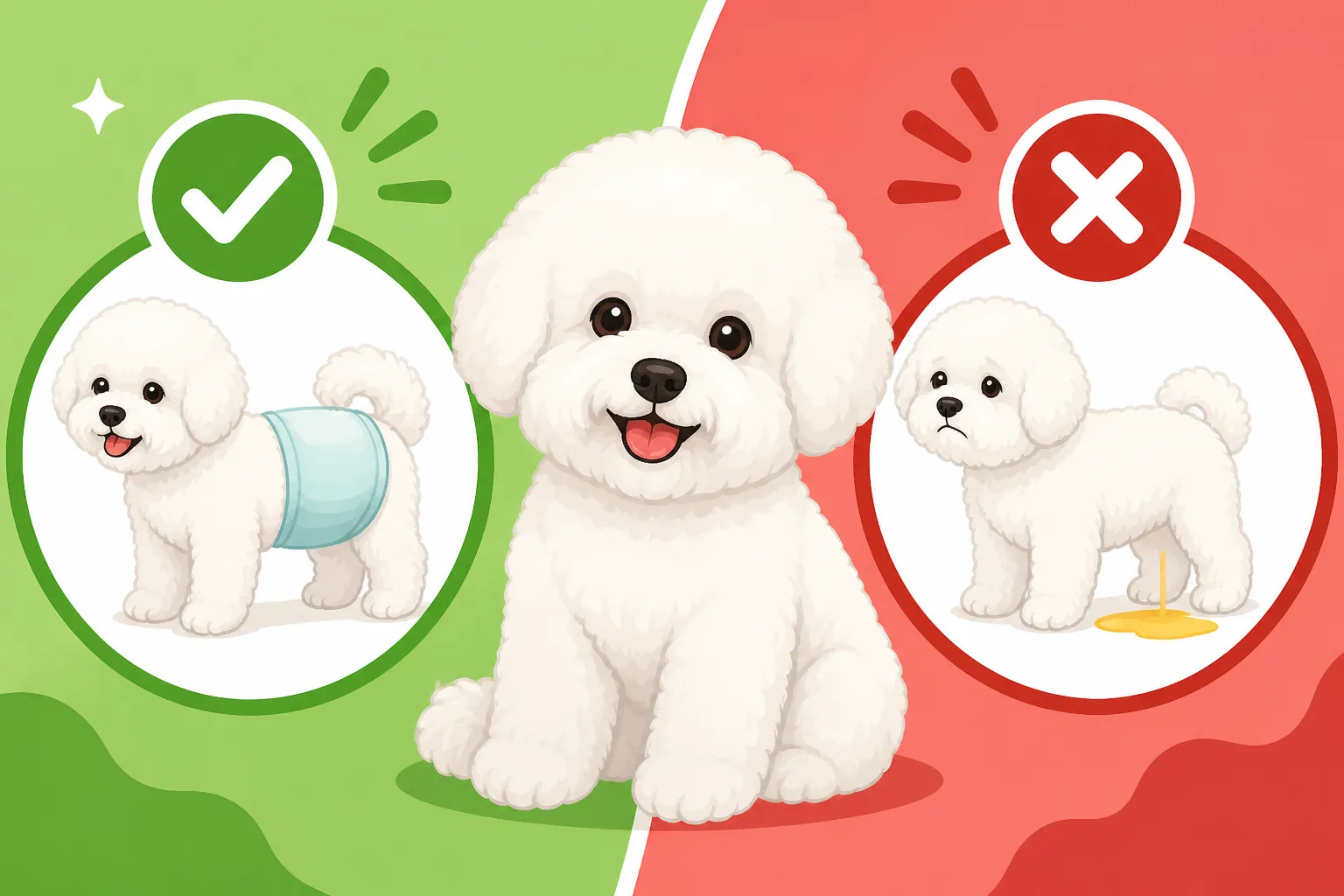
Whether a Belly Band Suits a Bichon Frise
Oh, the joys and frustrations of owning a Bichon Frise! One moment they're melting your heart with their fluffy charm, and the next you're discovering an unwelcome damp spot on your rug. It’s a common scenario, especially with male Bichons who feel the urge to "mark" their territory, or older pups who might be struggling with a bit of incontinence. If you're tired of constantly cleaning up little accidents and worrying about your furniture, a belly band might be something you've considered. This guide will dive deep into whether a belly band is a suitable solution for your furry friend, exploring its purpose, benefits, drawbacks, and how to use one effectively, while also touching on what might be causing those puddles in the first place.
What Exactly Is a Belly Band for a Bichon Frise?
When you hear "diaper for a dog," you might picture something that covers their rear end entirely, like a baby diaper. But a belly band is specifically designed for male dogs and works a little differently. It’s a simple, strip-like garment that wraps around your dog's midsection, covering only the area where urination occurs. Think of it as a protective barrier, a sort of absorbent belt for your boy. It's not a magical cure for marking behavior or incontinence, but rather a management tool to contain the mess and protect your home from unwanted splashes and puddles.
Understanding the Purpose
The primary purpose of a belly band is containment, pure and simple. It's there to catch urine, preventing it from soaking into your carpets, furniture, or a friend's prized antique rug when you visit. It acts as a physical reminder for your dog, too. Most dogs don't enjoy urinating directly into something they're wearing, and that sensation can sometimes deter them from marking indoors. However, it's crucial to understand that a belly band isn't a substitute for proper housetraining or addressing underlying medical or behavioral issues. It's a tool in your arsenal, not the entire solution. Without tackling the root cause, you might find yourself relying on it indefinitely, which isn't ideal for anyone.
For instance, if your male Bichon is constantly lifting his leg on every vertical surface, the band will catch the urine, sparing your walls and furniture. This can be a huge relief, especially for owners of particularly enthusiastic markers. It's also incredibly useful for senior Bichons who might be experiencing age-related incontinence, where they simply can't hold their bladder as well as they used to. In these cases, the belly band provides dignity for your dog and peace of mind for you.
Design and Materials
Belly bands are typically made from soft, breathable fabrics like cotton or fleece, often with a waterproof outer layer to prevent leaks. Inside, there's usually an absorbent lining, or a pocket where you can insert a disposable pad for extra absorbency. Many people use maxi pads or small incontinence pads for humans, which can be a cost-effective solution. The bands fasten with Velcro, making them adjustable and easy to put on and take off.
You'll find a wide variety of belly bands on platforms like Amazon, offering different designs, colors, and materials. Some are more basic, while others are quite stylish! The key is to find one that is comfortable for your Bichon, doesn't chafe, and stays securely in place without being too tight. A good fit is essential to prevent leaks and ensure your dog isn't constantly trying to wriggle out of it. The inner absorbent layer is critical; without it, the band is just a piece of fabric, and urine will simply soak through. So, whether you opt for a built-in absorbent layer or plan to use disposable liners, ensure it's up to the task.
When a Belly Band Becomes a Consideration
A belly band often enters the conversation when owners are at their wits' end with indoor accidents. This can be for a few distinct reasons. The most common is the persistent marker – often an unneutered male, but neutered males can mark too, especially if there's a new scent in the house, a new pet, or even just a strong desire to claim their space. This isn't necessarily a training failure but an instinctive behavior that can be incredibly frustrating to live with. Whether a Male Bichon Frise Marks Indoors is a common concern that leads many to consider these bands.
Another significant situation is dealing with incontinence, particularly in older Bichons. As our beloved companions age, their bodies can start to fail them in small ways, and bladder control might be one of them. It's heartbreaking to see an otherwise perfectly housetrained dog suddenly have accidents, and a belly band can offer a compassionate way to manage this without constant stress for both dog and owner. Similarly, dogs with certain medical conditions that cause increased urination or urgency might benefit from a band while the underlying issue is being treated. It's a temporary safeguard that gives you a breather while you work on the bigger picture.
The Pros and Cons of Using a Belly Band for Your Bichon Frise
Like any tool in dog ownership, belly bands come with their own set of advantages and disadvantages. It’s important to weigh these carefully to decide if they're the right choice for your specific Bichon and your household situation. They can offer a much-needed reprieve from constant cleaning, but they are not a substitute for addressing the root cause of the problem.
The Benefits of Belly Bands
The most immediate and obvious benefit of a belly band is peace of mind. No more constantly hovering or sniffing around for damp spots. This is especially true if you live in an apartment with carpets, or if your Bichon is prone to marking on furniture legs or even delicate drapes. It saves your floors, your sanity, and your security deposit! Think about visiting friends or family – having your Bichon wear a band can alleviate anxiety about potential accidents in someone else's home.
Beyond just preventing messes, a belly band can also be a subtle aid in housetraining, particularly for stubborn cases. While it doesn't teach them where to go, the sensation of urinating into the band can be unpleasant or startling for a dog, acting as a soft deterrent. It reinforces that peeing indoors isn't desirable. For puppies who are a little behind on their housetraining, or dogs with anxiety-related urination, it provides a safe net. Furthermore, for dogs with underlying medical conditions causing increased urination, the band gives them a layer of protection as they learn to manage their condition or while treatment takes effect. It can prevent significant stress for both the dog, who might feel ashamed of accidents, and the owner.
Potential Drawbacks and Challenges
While belly bands offer many benefits, they aren't without their downsides. One of the biggest concerns is potential discomfort or skin irritation for your Bichon. If the band is too tight, made from a non-breathable material, or left on for too long without changing the pad, it can cause chafing, rashes, or even urinary tract infections due to prolonged dampness. Your Bichon might find it annoying and constantly try to remove it, leading to frustration for both of you.
Another significant drawback is the risk of creating a "false sense of security." If you rely solely on the belly band without addressing the underlying reason for the accidents, you're not actually solving the problem. It becomes a crutch rather than a step towards a solution. For instance, if your Bichon is marking due to anxiety, the band only manages the symptom, not the anxiety itself. You still need to work on behavioral modification or consult a vet for medical issues. Ignoring potential medical reasons, such as bladder stones, which Bichons are unfortunately prone to, can have serious health consequences. Whether a Bichon Frise's Small Bladder Is the Problem might seem like the issue, but it could be much more serious, like stones.
Finally, proper hygiene is paramount. Belly bands need frequent checking and changing, just like a baby’s diaper. If left soiled, it's not only uncomfortable for your dog but also a breeding ground for bacteria, potentially leading to skin infections or urinary tract issues. This adds a consistent task to your daily routine, and if you're not prepared for that commitment, it can become another source of stress.
| Belly Band Aspect | Pros | Cons |
|---|---|---|
| Mess Management | Protects carpets, furniture, and floors | Does not solve the underlying peeing issue |
| Housetraining Aid | Deters indoor marking, provides a reminder | Can create a false sense of security for owners |
| Comfort & Hygiene | Available in soft, breathable materials | Risk of chafing, rashes, or UTIs if not changed frequently |
| Usage | Easy to put on and take off (Velcro) | Requires consistent checking and pad replacement |
| Cost | Reusable bands, disposable liners are affordable | Ongoing cost of liners; potential vet bills if underlying issues ignored |
How to Choose and Fit a Belly Band for Your Bichon Frise
Picking out the right belly band and ensuring a proper fit is crucial for both your Bichon's comfort and the band's effectiveness. A poorly fitting band won't contain anything and will likely lead to more frustration. It's not a "one size fits all" situation, especially with the unique fluffy physique of a Bichon Frise.
Sizing It Up Correctly
The first and most important step is accurate measurement. Don't guess! You'll need a soft measuring tape. Measure your Bichon's waist circumference, typically just in front of their back legs. This is where the band will sit. Most brands will provide a sizing chart based on waist measurements. It’s always a good idea to measure twice to be sure.
A common mistake is choosing a size based solely on weight, which can be misleading for breeds like the Bichon Frise, whose weight can vary but their body shape might remain quite consistent. The band should be snug enough to stay in place and prevent leaks, but not so tight that it restricts movement, pinches their skin, or causes discomfort. You should be able to comfortably slip two fingers under the band once it's on. If it's too loose, urine will seep out the sides. If it's too tight, it could irritate their skin or even impede circulation. Remember, your Bichon needs to wear this comfortably for periods, so comfort truly comes first.
Material Matters
When it comes to materials, you have a few choices, and each has its own advantages. Washable fabric belly bands are a popular eco-friendly and cost-effective option in the long run. They are usually made of soft cotton, fleece, or a blend, with a waterproof outer layer. You'll need several so you can rotate them through the wash. Many owners prefer these for daily use, inserting a disposable liner for absorbency.
Disposable belly bands are also available, often resembling larger versions of human male incontinence briefs. These are convenient for travel or when laundry facilities aren't readily available, but they can be more expensive over time and aren't as environmentally friendly. For your Bichon, look for breathable materials that won't trap heat, especially with their dense coat. Ensuring the inner lining is soft against their skin is vital to prevent irritation. You'll find countless options on platforms like Amazon, offering different designs, colors, and materials. Brands like Simple Solution and Pet Parents are commonly reviewed and offer a good range.
Getting Your Bichon Accustomed to Wearing It
Introducing a belly band needs to be a gradual, positive experience. Don't just strap it on and expect your Bichon to be thrilled. Start by letting them sniff and investigate the band. Place it on them for very short periods, perhaps just a few minutes, while you offer high-value treats and praise. Distract them with a favorite toy or a short play session.
Increase the wear time slowly over several days or even a week. Always supervise them initially to ensure they don't try to chew it off, which could pose a choking hazard. If they show discomfort or distress, take it off and try again later. Never use the belly band as a form of punishment. The goal is for them to associate wearing it with positive experiences. Consistency and patience are key here. Many Bichons will adapt surprisingly quickly, especially if they understand it means they can stay inside with you without causing trouble. You want them to view it as just another part of their routine, like putting on their harness for a walk, not something scary or uncomfortable.
Beyond the Band: Addressing the Root Causes of Marking and Accidents
While a belly band can be an excellent management tool, it’s absolutely essential not to let it be a band-aid for a deeper problem. Simply covering up the accidents doesn't resolve why your Bichon is having them in the first place. A holistic approach that includes veterinary checks, consistent training, and environmental management is always the best strategy.
Ruling Out Medical Issues
Before assuming your Bichon's accidents are purely behavioral, a trip to the vet is non-negotiable. Many medical conditions can manifest as inappropriate urination or marking. Urinary tract infections (UTIs) are a common culprit, causing discomfort and an increased urge to urinate. Bladder stones, which Bichons are genetically predisposed to, can also cause frequent, painful urination and accidents. If your Bichon is straining to urinate, passing blood in their urine, or having small, frequent accidents, these could be The First Signs a Bichon Frise Has Stones. These need immediate veterinary attention.
Other conditions like kidney disease, diabetes (Whether a Diabetic Bichon Frise Needs Twice Daily Insulin), or even hormonal imbalances can affect bladder control. Older Bichons might develop cognitive dysfunction, leading to confusion about where to relieve themselves, or simply lose some bladder muscle control, which often presents as Whether an Old Bichon Frise Becomes Incontinent. Cushing's disease, another condition Bichons can be prone to, also causes increased thirst and urination, and you might be wondering Whether a Cushing's Bichon Frise Drinks Constantly if your dog has this. A thorough veterinary examination, including urine tests and potentially imaging like X-rays or ultrasound, can rule out or identify these medical issues, ensuring your Bichon gets the proper treatment.
Behavioral Solutions and Training
Once medical issues have been ruled out, you can focus on behavioral interventions. For marking, this often comes down to management and consistent reinforcement of appropriate elimination. If your Bichon is marking due to anxiety or territorial instincts, identifying and addressing those triggers is key. Is there a new dog next door? Are you having more visitors? Reducing the perceived need to mark by managing these environmental factors can help.
Revisiting housetraining basics, even for an adult dog, can be incredibly effective. Establish a very consistent toilet routine, taking your Bichon out frequently, especially after waking up, eating, and playing. Praise and reward them lavishly when they go outside. The Toilet Routine That Finally Works on a Bichon Frise can provide a detailed roadmap. If they have an accident indoors while wearing the belly band, resist the urge to scold. Instead, clean it up thoroughly with an enzymatic cleaner (Whether an Enzyme Cleaner Matters for a Bichon Frise) to eliminate odors that might attract them back to the same spot. Consistency is key; it can take How Many Weeks a Bichon Frise Takes to Be Clean, so don't get discouraged. For more advanced behavioral issues or if you're feeling overwhelmed, consulting with a professional dog trainer or a veterinary behaviorist can provide tailored strategies and support. Resources from reputable online trainers like BAXTER & Bella can be incredibly helpful for structured training programs.
Environmental Management
Beyond direct training, managing your home environment plays a massive role in success. If your Bichon is marking indoors, identify their favorite spots. Are they near a window where they see other dogs? Is it a particular piece of furniture? Limiting access to these areas, at least temporarily, can help break the habit. Baby gates or exercise pens can be your best friends here.
Ensure your Bichon has plenty of opportunities to go outside. A bored or under-exercised dog might also be more prone to marking. Regular walks and playtime not only provide physical and mental stimulation but also opportunities for appropriate urination. Consider using a crate as part of your housetraining routine, as most dogs are reluctant to soil their sleeping area. When you're unable to supervise your Bichon directly, crating them (if they are comfortable and trained to it) or keeping them in a designated, easily cleaned area can prevent accidents. Always remember, the goal is to set your Bichon up for success, making it easy for them to do the right thing and difficult to do the wrong thing.
Disclaimer
This article is for general informational purposes only and does not constitute professional advice. Laws, prices and regulations vary by location and change over time. Consult a qualified professional for guidance on your specific situation.