Whether an Old Bichon Frise Becomes Incontinent
It’s heartbreaking, isn't it, when your cherished Bichon Frise, who's been a perfectly housetrained member of the family for years, suddenly starts having accidents indoors? This isn't just a messy nuisance; it's often a sign of underlying changes in their senior years, leaving many owners feeling confused and worried. This comprehensive guide will walk you through why an old Bichon Frise might become incontinent, what common causes are at play, and how you can manage this challenging stage with compassion and informed care.
Understanding Incontinence in Senior Bichon Frises
Watching your senior Bichon Frise struggle with bladder control can be incredibly distressing. You might feel frustrated by the messes, but mostly, you’re likely worried about their comfort and health. It's important to remember that incontinence in older dogs isn't usually a behavioral issue; it's a medical one, and understanding the nuances is the first step toward effective management.
What Incontinence Actually Looks Like
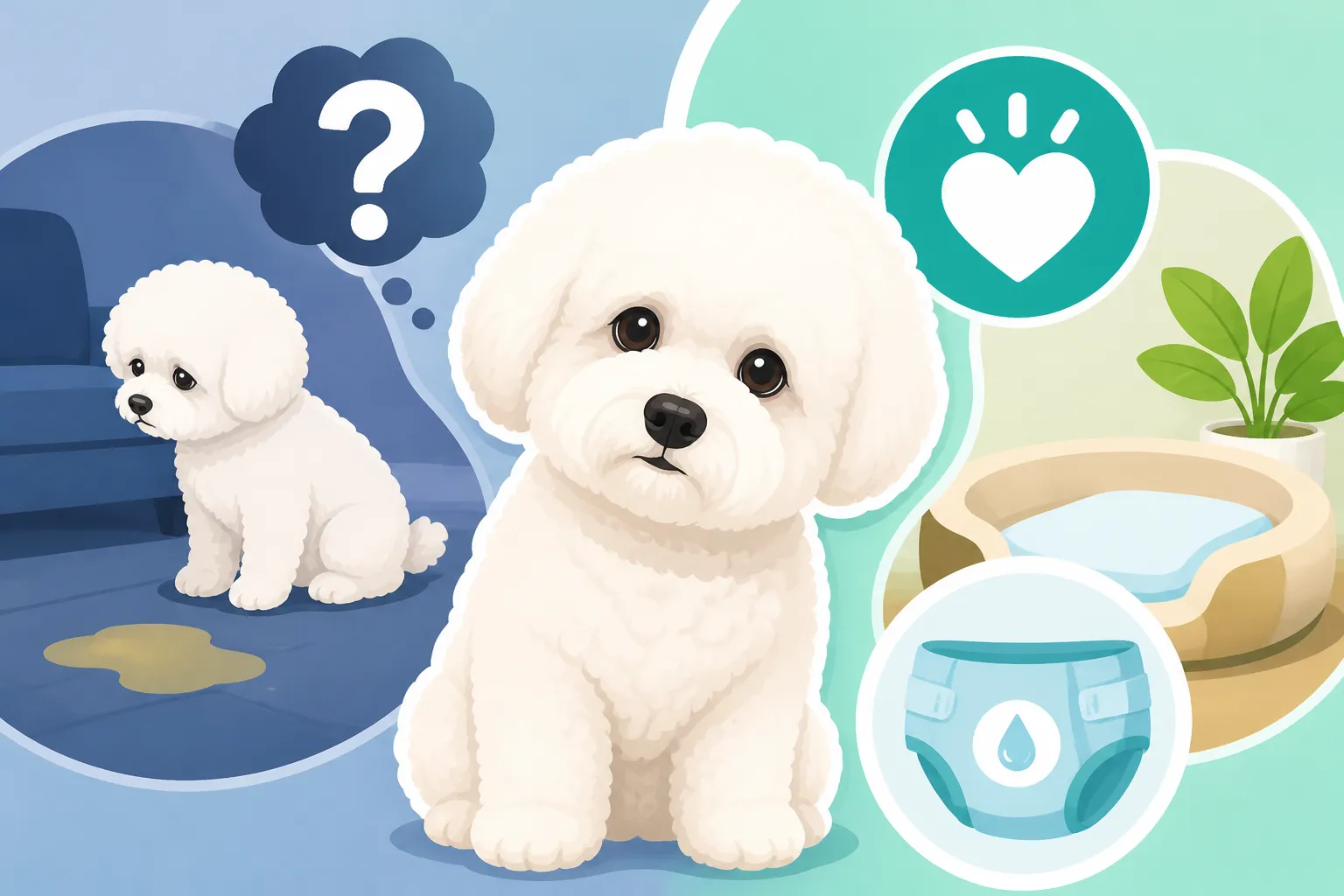
True incontinence means an involuntary loss of urine. It's not about your Bichon Frise choosing to pee inside, but rather their body losing the ability to hold it. You might wake up to a wet spot where they were sleeping, or notice a small puddle forming while they're just standing or walking. It can range from a few drops to a full bladder release, and it often happens without your dog even seeming to realize it. This is very different from a puppy accident or a dog intentionally marking territory. For owners who have diligently worked on housetraining, seeing this regression can be particularly upsetting, especially when you feel like you’re doing everything right, but the accidents keep happening.
Sometimes, you might also notice a damp patch on their bedding that wasn’t there before, or perhaps the fur around their hindquarters is perpetually wet and stained. This constant dampness can lead to skin irritation or even urinary tract infections, which then compound the problem. It’s a vicious cycle that requires close attention and proactive care. Many owners initially assume their dog is just "forgetting" their training, but the reality is much more complex and almost always points to a physiological change.
The Difference Between Accidents and Incontinence
It’s crucial to distinguish between a behavioral "accident" and true medical incontinence. An accident, particularly in a younger dog, often implies a lack of proper housetraining, anxiety, or even marking behavior. For instance, a dog might pee when left alone due to separation anxiety, or they might not signal adequately to go outside. With these cases, the dog usually has control over their bladder but might be too stressed, distracted, or simply not given enough opportunity. You might also notice them actively squatting or lifting a leg, which indicates a conscious act.
In contrast, incontinence in a senior Bichon Frise is characterized by passive leakage. The dog isn't actively posturing to urinate; the urine simply dribbles out, often while they are relaxed, asleep, or even just slowly walking. They might not even seem aware that it's happening. This distinction is vital because the approach to solving the problem differs dramatically. You wouldn't treat a medical condition with behavioral training, and vice-versa. Understanding this helps you shift from frustration to empathy and focus on seeking appropriate veterinary care, rather than punitive measures that won't help and can damage your bond.
Common Causes of Incontinence in Older Bichon Frises
When an old Bichon Frise starts becoming incontinent, it’s rarely a standalone issue. More often than not, it’s a symptom pointing to one or more underlying health conditions that commonly affect senior dogs, and particularly small breeds like Bichons. Pinpointing the exact cause is essential for effective treatment.
Urinary Sphincter Mechanism Incompetence USMI
One of the most common causes of incontinence in older spayed female dogs, including many Bichon Frises, is what veterinarians call Urinary Sphincter Mechanism Incompetence, or USMI. Essentially, the muscles that control the bladder's opening (the urethral sphincter) become weaker with age, and after spaying, due to reduced estrogen levels. These weakened muscles can't maintain a tight seal, especially when the dog is relaxed, sleeping, or even just experiencing increased abdominal pressure from a cough or sneeze.
This condition typically results in small to moderate amounts of urine leakage, often noticed as wet spots on bedding or flooring where your dog has been resting. It’s usually worse when they are deeply asleep. It’s not painful for your Bichon Frise, but it can be uncomfortable and lead to skin irritation if not managed properly. The good news is that USMI is often very responsive to medication, which can help strengthen the sphincter or mimic the effects of estrogen. Your vet will likely want to rule out other causes first, but if your spayed female Bichon Frise is leaking urine passively, USMI will be high on their list of suspects.
Underlying Medical Conditions
Beyond USMI, several other medical conditions can lead to incontinence in senior Bichon Frises. It’s a complex puzzle, and your vet will need to perform a thorough examination to solve it.
- Urinary Tract Infections (UTIs): These are surprisingly common in older dogs, and they can cause increased urgency, frequent urination, and sometimes, incontinence. An infected bladder might not be able to hold as much urine, or the irritation can lead to involuntary leakage. A simple urine test can usually diagnose a UTI, and antibiotics are often effective. However, chronic UTIs can also be a sign of something more serious, like bladder stones.
- Bladder Stones: Bichon Frises, unfortunately, are genetically predisposed to forming bladder stones, especially calcium oxalate stones. These stones can irritate the bladder lining, causing inflammation and pain, leading to frequent urination, straining, and sometimes, leakage. They can also obstruct the urethra, which is a life-threatening emergency. If your Bichon Frise has a history of stones, or you suspect them, your vet will likely recommend imaging like X-rays or an ultrasound. You can learn more about The Stone That Comes Back a Year After Bichon Frise Surgery or Whether Every Bichon Frise Gets Bladder Stones.
- Kidney Disease: As dogs age, their kidneys can become less efficient at concentrating urine. This means they produce more dilute urine and need to urinate more frequently. While not true incontinence, the increased volume and frequency can make it harder for an older dog to hold it long enough to get outside, leading to accidents. Regular blood work is essential for monitoring kidney function in senior Bichon Frises.
- Diabetes Mellitus: Dogs with diabetes have high blood sugar, which causes them to drink excessively and, consequently, urinate much more frequently and in larger volumes. This increased urine production can overwhelm an older dog's bladder control, leading to incontinence. If your Bichon Frise is suddenly drinking and peeing a lot, this is a condition your vet will want to investigate. You might want to read about Whether a Bichon Frise Gets Diabetes.
- Cushing's Disease (Hyperadrenocorticism): This condition, also common in senior Bichon Frises, involves the adrenal glands producing too much cortisol. One of the hallmark signs of Cushing's is excessive thirst and urination, similar to diabetes. This increased water intake and urine output can easily lead to accidents and incontinence, especially at night. For more information, check out Cushing's Disease in a Bichon Frise Past Seven or Whether a Cushing's Bichon Frise Drinks Constantly.
- Neurological Problems: Degenerative changes in the spine or brain can affect the nerves that control bladder function. Conditions like degenerative myelopathy or even a slipped disc can interfere with the signals between the brain and the bladder, resulting in a loss of control. If your Bichon Frise is also showing signs of weakness, stumbling, or changes in gait, neurological issues might be suspected.
- Arthritis and Mobility Issues: While not a direct cause of incontinence, severe arthritis or joint pain can make it difficult and painful for an older Bichon Frise to get up, walk to the door, or posture correctly to urinate in time. They might simply be unable to hold it until they reach their designated potty spot. This is especially relevant for small breeds prone to conditions like Slipping Kneecaps in a Bichon Frise. If your senior dog is showing The Signs a Bichon Frise Is Getting Old, including mobility challenges, their 'accidents' might be a sign of discomfort rather than bladder control failure.
Cognitive Dysfunction Syndrome CDS
Just like humans can develop dementia, dogs can experience age-related cognitive decline, known as Canine Cognitive Dysfunction Syndrome (CDS). This condition can manifest in many ways, including disorientation, changes in sleep-wake cycles, altered social interactions, and yes, house soiling. An old Bichon Frise with CDS might simply forget their housetraining, not remember where the door is, or fail to signal that they need to go outside.
It's a distressing condition to witness because your beloved companion seems to be losing their way, both mentally and sometimes physically. The incontinence here isn't due to a physical inability to hold urine, but rather a mental disconnect. They might pee indoors shortly after being outside, simply because they forgot they just went, or they didn't recognize the cue to go while they were out there. Other signs of CDS can include staring blankly at walls, getting stuck in corners, changes in appetite, or becoming less interactive. If you suspect your old Bichon Frise is experiencing cognitive decline, your vet can discuss options for management, which might include special diets, supplements, or medications aimed at supporting brain health. Learning to recognize Whether an Old Bichon Frise Gets Confused is important for giving them the best quality of life.
Diagnosing and Managing Incontinence
Navigating incontinence in your senior Bichon Frise requires patience, diligence, and a close working relationship with your veterinarian. It’s a process of elimination and management, but with the right approach, you can significantly improve your dog’s comfort and your peace of mind.
The Vet Visit: What to Expect
When you bring your incontinent Bichon Frise to the vet, be prepared to give a detailed history. Your vet will want to know:
- When did the leakage start?
- How often does it happen?
- Does it happen while they're awake, asleep, or both?
- What does the urine look like (color, odor)?
- Are there any other symptoms (increased thirst, straining, changes in appetite, mobility issues)?
- What medications, if any, is your dog currently taking?
- Have there been any recent changes to their diet or routine?
The physical examination will be comprehensive, including palpating the abdomen, checking for pain in the spine or joints, and assessing overall neurological function. Your vet will almost certainly recommend a urinalysis to check for infection, inflammation, or crystals. Blood tests might also be suggested to rule out systemic diseases like diabetes, kidney disease, or Cushing's. In many cases, especially with Bichon Frises who are prone to them, abdominal X-rays or an ultrasound will be crucial to look for bladder stones or other structural abnormalities. This is where comprehensive pet insurance like Healthy Paws can be a lifesaver, as these diagnostic tests can add up quickly, but are absolutely essential for an accurate diagnosis. You want to make sure you can afford the full work-up without hesitation.
Based on these findings, your vet will formulate a diagnosis and recommend a treatment plan. It might be a single issue, or it could be a combination of factors contributing to the incontinence. Don't be afraid to ask questions; understanding the "why" will empower you in managing the "how."
Treatment Options and Lifestyle Adjustments
Once a diagnosis is made, your vet will outline specific treatment options.
- Medications for USMI: For USMI, two common medications are phenylpropanolamine (PPA), which strengthens the urethral sphincter, and diethylstilbestrol (DES), a synthetic estrogen. Both are often very effective, with many dogs showing significant improvement or complete resolution of leakage. It might take some trial and error to find the right dosage.
- Treating Underlying Conditions: If a UTI is present, antibiotics will be prescribed. For bladder stones, the solution might involve a prescription diet (if they are struvite stones that can dissolve), or more commonly for Bichons with calcium oxalate stones, surgical removal. In the case of diabetes or Cushing's disease, managing the primary condition with appropriate medications (like insulin for diabetes or trilostane for Cushing's) will often resolve or significantly reduce the associated incontinence. Diseases like kidney disease or cognitive dysfunction might involve a combination of dietary changes, supplements, and other supportive care.
- Dietary Modifications: For dogs with kidney disease or certain types of bladder stones, a specific prescription diet is essential. These diets are carefully formulated to support organ function and prevent stone recurrence. If your Bichon Frise is struggling to Get Enough Water Into a Bichon Frise, your vet might suggest adding water to their food or switching to wet food to help dilute their urine and reduce the risk of UTIs and stones.
- Pee Pads and Doggy Diapers: While not a cure, these can be invaluable tools for managing accidents and maintaining hygiene. Pee pads can protect floors and carpets, and doggy diapers (or male wraps for boys) can prevent leakage, especially overnight or when you're away from home. Make sure to change diapers frequently to prevent skin irritation.
- Increased Potty Breaks: Simply giving your senior Bichon Frise more frequent opportunities to go outside can make a huge difference. Set a regular schedule, including first thing in the morning, last thing at night, and after waking from naps, playing, or eating. Even short trips outside are beneficial.
- Ramps and Easy Access: If mobility issues are contributing to the problem, consider ramps for beds or furniture, or creating an easily accessible outdoor area to help your dog get to their potty spot quickly and comfortably. This directly addresses the problem of Whether a Bichon Frise Should Jump Off Furniture.
This multidisciplinary approach often offers the best chance for managing incontinence, allowing your Bichon Frise to live out their golden years with dignity and comfort. Remember, dealing with chronic conditions like incontinence or the illnesses that cause it can be costly. Having reliable pet insurance like Healthy Paws can provide financial peace of mind, allowing you to prioritize your furry friend's health without added stress.
Living with an Incontinent Senior Bichon Frise
Bringing a senior Bichon Frise into this new phase of life with incontinence requires a shift in mindset and some practical adjustments around the home. It’s about maintaining their quality of life, preserving your bond, and managing the practicalities with grace.
Creating a Comfortable Home Environment
Making your home senior-dog-friendly and easy to clean is paramount when dealing with incontinence. This isn't just about preventing messes, but also about ensuring your Bichon Frise feels comfortable, safe, and loved.
- Easy-to-Clean Bedding: Invest in waterproof bed liners and washable dog beds. Having several sets of bedding on rotation means you can easily swap out soiled items, keep things fresh, and reduce odors. Consider orthopedic beds, as many senior dogs also contend with arthritis, making comfort crucial.
- Protective Flooring: If you have carpets, consider laying down washable rugs in high-traffic areas or where your dog often rests. For hard floors, ensure they are not too slippery, as an incontinent dog might also struggle with mobility and could slip, leading to further accidents or injury.
- Designated Potty Zones: While you’ll still want to take your Bichon Frise outside frequently, having indoor potty pads or an artificial grass patch can offer an immediate relief option, especially overnight or when weather is bad. Place them in easily accessible areas.
- Hygiene Routine: Regular bathing is essential, especially if your dog is leaking urine. Use a gentle, pH-balanced shampoo to prevent skin irritation and urine scald. Pay close attention to the fur around their hindquarters, keeping it trimmed short to help with cleanliness. You might find a medicated shampoo helpful if skin irritation develops. For tips on general hygiene, you might find valuable information in What a Bichon Frise Needs Every Day.
- Fresh Water Access: Always ensure your Bichon Frise has access to fresh water. While increasing water intake might seem counterintuitive with incontinence, adequate hydration is crucial for kidney health and preventing UTIs. A pet water fountain can sometimes encourage them to drink more.
The goal is to create an environment where accidents are less impactful on your home and less stressful for your dog. They are already dealing with a physical challenge, so avoiding further discomfort or feeling "bad" about accidents is vital for their emotional well-being.
The Emotional Toll on Owners
Let’s be honest, living with an incontinent dog is tough. It’s emotionally draining to see your once-vibrant companion decline, and the constant cleaning can be physically exhausting and frustrating. It’s okay to acknowledge these feelings. Many owners feel a mix of sadness, guilt, and even resentment, which can then lead to more guilt about feeling that way. You’re not alone in these struggles.
- Seek Support: Talk to your veterinarian, friends who have senior dogs, or online support groups. Sharing your experiences can be incredibly validating and provide you with practical tips and emotional resilience.
- Patience and Empathy: Remember that your Bichon Frise isn't doing this on purpose. They need your understanding and compassion more than ever. A harsh word or an angry reaction can cause them stress and anxiety, potentially worsening the situation. Focus on cleanup and prevention, not punishment.
- Prioritize Quality of Life: While managing incontinence, continuously assess your Bichon Frise's overall quality of life. Are they still enjoying walks, playing, eating, and interacting with the family? If the incontinence is part of a larger picture of declining health, it's important to have honest conversations with your vet about their comfort and happiness. This often involves wrestling with difficult questions like Knowing When an Old Bichon Frise Has Had Enough.
- Financial Planning: Managing chronic conditions can be expensive. From vet visits and medications to specialized diets and cleaning supplies, the costs can add up. Planning for these expenses or having pet insurance like Healthy Paws can alleviate a significant source of stress, allowing you to focus on your Bichon Frise's care without financial worry. They cover accidents and illnesses, which is a great relief when dealing with the unpredictable nature of senior dog health.
Living with an incontinent senior Bichon Frise is a journey that demands love, patience, and a pragmatic approach. By understanding the causes, implementing effective management strategies, and supporting both your dog and yourself emotionally, you can ensure their golden years remain filled with comfort and the warmth of your companionship, even if there are a few more puddles along the way.
Understanding Incontinence Management Options
Here's a quick overview of common incontinence causes and their typical management strategies:
| Cause | Primary Symptoms | Common Diagnostic Tests | Typical Management/Treatment |
|---|---|---|---|
| Urinary Sphincter Mechanism Incompetence (USMI) | Passive urine leakage, especially when relaxed/asleep | History, physical exam, rule out other causes | Phenylpropanolamine (PPA) or Diethylstilbestrol (DES) |
| Urinary Tract Infection (UTI) | Frequent urination, straining, blood in urine, leakage | Urinalysis, urine culture | Antibiotics |
| Bladder Stones | Straining, frequent urination, blood in urine, leakage | X-rays, ultrasound, urinalysis | Prescription diet (struvite) or surgery (calcium oxalate) |
| Kidney Disease | Increased thirst/urination, lethargy, decreased appetite | Blood tests (SDMA, Creatinine, BUN), urinalysis | Special diet, fluid therapy, medications to manage symptoms |
| Diabetes Mellitus | Excessive thirst/urination, weight loss, increased appetite | Blood glucose test, urinalysis | Insulin therapy, dietary management |
| Cushing's Disease | Increased thirst/urination, pot-belly, hair loss, lethargy | ACTH stim test, low-dose dex suppression test | Medications (e.g., Trilostane), surgical removal (rarely) |
| Cognitive Dysfunction Syndrome (CDS) | Disorientation, changed sleep/wake cycles, house soiling, anxiety | Rule out other medical causes, behavioral history | Special diets, supplements, medications (e.g., selegiline) |
| Mobility Issues (e.g., Arthritis) | Difficulty standing, walking, limping, reluctance to move | Physical exam, X-rays | Pain management, joint supplements, ramps, orthopedic beds |
Disclaimer
Please remember that this article is intended for informational purposes only and is not a substitute for professional veterinary advice. If your Bichon Frise is experiencing incontinence or any other health issues, please consult with your veterinarian immediately for an accurate diagnosis and personalized treatment plan.