Whether a Rescue Bichon Frise Arrives Clean Indoors
Bringing a rescue Bichon Frise home is such an exciting time, filled with dreams of cuddles on the couch and happy walks in the park. However, many new rescue parents are quickly hit with a dose of reality when they discover their new furry family member isn't quite "clean" indoors, leading to a lot of frustration and concern. It's a common misconception that because a rescue dog is an adult, they automatically come with perfect house manners, but the truth is often much more complicated. This guide will walk you through why a rescue Bichon Frise might struggle with housetraining and what you can do to help them succeed in their new, loving home.
The Reality of Housetraining in Rescue Dogs
It's heartbreaking but true: not all rescue dogs, even adult ones, arrive perfectly housetrained. We often assume that an older dog "knows better," but their past experiences, or lack thereof, can significantly impact their understanding of where to do their business. This isn't a reflection of the dog's intelligence or your training abilities; it's a reflection of their journey before they found you.
Why a Rescue Might Not Be Housetrained
Imagine a dog that has spent its life in a crowded kennel, perhaps a puppy mill or a high-volume shelter. In such environments, dogs often don't have a designated "potty" area separate from their living space. They learn to eliminate wherever they are, out of necessity, not malice. This deeply ingrained habit, known as "kennel soiling," can be incredibly tough to unlearn. For a Bichon Frise, whose sensitive nature can already make housetraining a challenge, this can be even more pronounced.
Furthermore, some rescue dogs might come from homes where they were simply allowed to do as they pleased indoors, or they may have been outdoor dogs with no concept of indoor etiquette. They might have lived in a backyard, never having been taught the rules of a human home. The transition to a new environment, with new smells, sounds, and expectations, is hugely stressful. Stress alone can cause a dog to forget or regress in any training they might have had, leading to accidents even if they were once considered housetrained. A dog's world has just been turned upside down, and learning new rules while feeling vulnerable is a big ask.
The "Soft Bladder" Factor in Bichons
Beyond past trauma or neglect, Bichon Frises, like many small breeds, can be famously hard to housetrain. They often have smaller bladders, which means they physically need to relieve themselves more frequently than larger breeds. This isn't a training issue; it's a biological one. What feels like a long time between potty breaks to us might be an eternity for a tiny Bichon. You might find yourself wondering Whether a Bichon Frise's Small Bladder Is the Problem, and often, it plays a significant role.
When you combine this natural predisposition with the stress of a rescue situation, it's a perfect storm for accidents. A dog that is anxious or insecure might have an even harder time holding it, or they might revert to instinctual behaviors. Imagine a tiny dog, perhaps previously punished for accidents, now trying to figure out the rules in a new place. It's overwhelming. They might even try to hide their accidents, a behavior that can be heartbreaking to discover but often stems from fear or past negative associations with going potty indoors. Whether a Bichon Frise Hides to Toilet Indoors is a common concern, and it really speaks to their anxiety.
Undiagnosed Medical Issues
It's absolutely crucial to remember that what looks like a housetraining problem can often be a medical issue in disguise. Bichon Frises are unfortunately predisposed to certain health conditions that directly impact their urinary system. One of the most common culprits is urinary tract infections (UTIs), which make dogs feel a constant, urgent need to urinate, often leading to accidents.
Even more serious are bladder stones. Bichons have a well-documented genetic predisposition to forming calcium oxalate bladder stones. These stones irritate the bladder lining, causing pain, frequent urination, and blood in the urine, all of which can be mistaken for poor housetraining. Whether Frequent Squatting Means Stones Not Training is a question every Bichon Frise owner should ask if their dog is having persistent accidents. If a rescue Bichon arrives with a history of accidents, a vet check-up, including a urine test and possibly imaging, should be one of your very first priorities. Catching these issues early is vital, not just for housetraining, but for your dog's overall health and comfort. Whether a Rescue Bichon Frise Has a Stone History is an important question to ask the rescue organization, as it can inform their care plan.
Setting Up Your Rescue Bichon for Success
Once you understand the potential reasons behind housetraining challenges in a rescue Bichon, you can approach the situation with more empathy and a concrete plan. The goal is to build trust, establish a clear routine, and make it as easy as possible for your dog to succeed.
Creating a Consistent Routine
Consistency is truly the bedrock of successful housetraining, especially for a rescue dog who might crave predictability after a tumultuous past. Think of your new Bichon Frise as a blank slate, or even a puppy. You need to create a strict schedule for potty breaks, feeding, and even playtime. This structure helps them understand when they are expected to go outside.
Start with frequent trips: first thing in the morning, after every meal, after waking from naps, after playtime, and right before bed. Seriously, take them out every hour or two initially, even if they've just been out. Over time, as they succeed, you can gradually extend the periods between breaks. When they do go potty outside, throw a silent party! Enthusiastic praise, a special treat, and happy petting reinforce that they've done the right thing in the right place. This positive reinforcement approach is key to building their confidence and understanding. This consistent approach is often a cornerstone of The Toilet Routine That Finally Works on a Bichon Frise.
Designated Potty Areas and Supervision
To avoid confusion, try to take your Bichon to the same spot outside every time. Dogs are creatures of habit and scent, and returning to a familiar area where they've successfully eliminated reinforces that this is "the place to go." On the flip side, inside the house, vigilance is your best friend. Keep an eagle eye on your Bichon, especially during the first few weeks. If you can't actively supervise them, they should be in a safe, confined space like a crate or a puppy-proofed area.
For those moments when you can't have them on a leash or in direct sight, tools like belly bands for males or doggie diapers for females can be incredibly helpful. You can find many options for these on Amazon, often providing a temporary safety net that prevents accidents from soaking your carpets while still allowing you to monitor their habits. While not a substitute for training, they can reduce stress for both you and your dog. Should an accident happen indoors, clean it thoroughly with an enzymatic cleaner (also readily available on Amazon). Regular cleaners might mask the smell for humans, but a dog's keen nose will still detect it, potentially signaling to them that it's an acceptable place to go again. Whether Enzyme Cleaner Matters for a Bichon Frise is a resounding yes!
Tools and Resources to Help
Beyond routine and supervision, there are several practical tools and resources that can make a real difference in housetraining your rescue Bichon Frise.
- Crate Training: A properly sized crate can be an invaluable housetraining aid. Dogs naturally don't want to soil their sleeping area, so a crate can help them learn to hold it for short periods. Introduce the crate positively, making it a comfortable den, not a punishment zone. Never use it for long periods that exceed their bladder capacity. Whether Crate Training Works on a Bichon Frise is often debated, but for many, it's a cornerstone of successful housetraining.
- Puppy Pads: While some owners use puppy pads, be mindful that Whether a Bichon Frise Learns to Use a Pad might be a double-edged sword. Pads can be great for emergencies or for dogs who physically cannot hold it for long, but they can also teach a dog that it's okay to eliminate indoors, making the transition to outdoor-only pottying more difficult later on.
- Online Training Programs: For those who prefer a structured approach from home, platforms like BAXTER & Bella offer comprehensive online puppy and dog training programs, including sections specifically dedicated to housetraining. These resources can provide step-by-step guidance and support, which can be particularly helpful if you're feeling overwhelmed. They often cover everything from basic cues to managing tricky behaviors, offering a holistic approach to integrating your new family member.
Patience, Persistence, and Professional Help
Housetraining a rescue Bichon Frise takes time, patience, and a healthy dose of understanding. It's not a linear process, and you will likely encounter setbacks along the way. Your commitment to their success is the most important factor.
Understanding Regression and Setbacks
Just when you think you've turned a corner and your Bichon has had several accident-free days, BAM! An accident on the rug. It's easy to get discouraged and feel like you're back to square one. However, regression is a normal part of the learning process for many dogs, especially those with an inconsistent past. Don't take it personally, and definitely don't punish your dog. Punishment only teaches fear and can make them more likely to hide accidents or become anxious about eliminating in front of you.
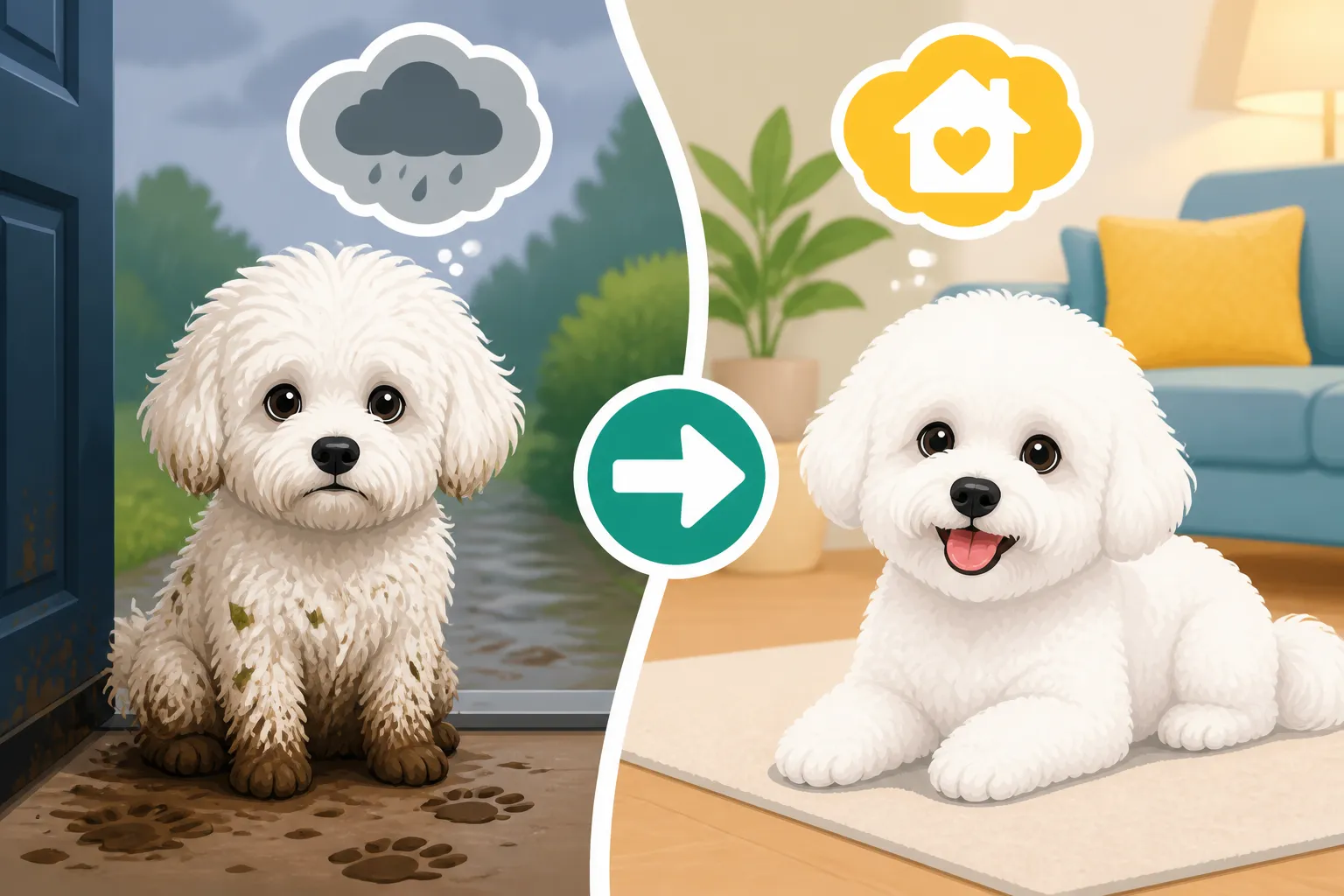
Instead, calmly clean up the mess with your enzymatic cleaner and re-evaluate your routine. Did you miss a potty break? Was the walk too short? Did something new or stressful happen? Sometimes, simple things like a change in weather (many Bichons hate going out in the rain or snow) can throw off their routine. Remember that Whether a Housetrained Bichon Frise Suddenly Starts Leaking often points to either a lapse in routine or, crucially, a developing medical issue.
When to Seek Veterinary Advice
As mentioned earlier, medical issues are a frequent underlying cause of housetraining problems, particularly in Bichon Frises. If your rescue Bichon continues to have accidents despite a consistent, positive housetraining routine, or if you notice any other concerning signs like increased frequency of urination, straining, visible blood in the urine, excessive licking of genitals, or unusual thirst, it's time for another vet visit.
A thorough examination, including urinalysis and potentially radiographs or ultrasound, can rule out conditions like UTIs, bladder stones, or even diabetes, which can cause increased thirst and urination. Whether a Urinary Infection Undoes a Bichon Frise's Training is a crucial consideration, as even a mild infection can completely derail their progress. Early diagnosis and treatment of any underlying health issue are paramount for both their well-being and your housetraining success.
Working with a Professional Trainer
If you've tried everything and are still struggling, don't hesitate to reach out to a certified professional dog trainer or a veterinary behaviorist. These experts can assess your specific situation, observe your Bichon's behavior, and develop a tailored training plan. They can help identify subtle triggers you might be missing or suggest advanced techniques.
A good trainer will use positive reinforcement methods and focus on building a strong, trusting relationship between you and your dog. They can also help navigate any anxiety or behavioral issues that might be contributing to the housetraining challenges. Services like BAXTER & Bella also offer one-on-one coaching sessions, which can be a lifeline for owners facing persistent difficulties. Investing in professional guidance can save you a lot of stress and ultimately lead to a happier, better-adjusted Bichon Frise.
| Housetraining Challenge | Common Reasons for Rescue Bichons | Recommended Approach |
|---|---|---|
| Frequent Accidents Indoors | Past kennel soiling, small bladder, stress, medical issues (UTI, stones) | Strict potty schedule, immediate outdoor trips after sleep/play/eat, vet check |
| "Sneaky" Accidents | Fear of punishment, past negative associations, insecurity | Supervise closely, positive reinforcement, use belly band/diaper when unsupervised |
| Doesn't "Signal" | Never learned to, high stress, too uncomfortable to hold it | Bell training, frequent breaks preemptively, teach a "go potty" cue |
| Regresses Suddenly | Stress, routine change, new health problem | Revert to stricter schedule, vet check, identify environmental stressors |
| Refuses to Go Outside | Adverse weather (rain/cold), fear of outdoor environment | Create covered outdoor area, positive reinforcement for outdoor potty, build confidence |
Bringing a rescue Bichon Frise into your home is an incredibly rewarding experience, and helping them overcome housetraining hurdles is a huge part of building that bond. It demands patience, consistency, and a deep understanding of their unique history and breed traits. Remember that every accident is an opportunity to learn more about your dog and refine your approach. With love, dedication, and the right strategies, your rescue Bichon can absolutely become a perfectly clean and cherished member of your family.
Disclaimer
This article is for general informational purposes only and does not constitute professional advice. Laws, prices and regulations vary by location and change over time. Consult a qualified professional for guidance on your specific situation.