Whether a Bichon Frise Learns to Use a Pad
One of the biggest frustrations for Bichon Frise owners is the persistent challenge of housetraining, especially when you're trying your best but still finding little puddles or messes indoors. It can feel like you're constantly scrubbing floors and questioning if your fluffy companion will ever truly "get it." This guide will walk you through whether a Bichon Frise can successfully learn to use a potty pad, exploring the benefits, potential pitfalls, and practical steps to set your beloved pup up for success, ultimately aiming to bring a sense of calm and cleanliness back into your home.
Understanding the Bichon Frise and Potty Training Challenges
Bringing a Bichon Frise into your life is a joyful experience, but let's be real: their adorable fluffy exterior often hides a notoriously tricky side when it comes to housetraining. It's not about them being unintelligent; far from it! These little dogs are smart and eager to please, but several factors specific to the breed, and indeed small dogs in general, can make potty training a marathon rather than a sprint. Understanding these foundational challenges is the first step toward finding a solution that truly works for your household and your Bichon.
The Small Bladder Reality for Bichon Frises
Let's talk logistics. A Bichon Frise is a small dog, and with a small dog comes a small bladder. It's simple anatomy. While a larger breed might be able to hold its urine for several hours, your Bichon Frise puppy simply doesn't have the physiological capacity to do the same. Imagine trying to hold it when your bladder is only the size of a thimble! This means they need to relieve themselves much more frequently than you might expect, sometimes every hour or two, especially when they're very young. This isn't stubbornness; it's pure physical necessity. Many owners grapple with the question of Whether a Bichon Frise's Small Bladder Is the Problem when accidents keep happening, and the answer is often a resounding yes. They are doing their best, but nature calls, and it calls often.
Furthermore, as they grow, their bladder capacity increases, but the learned habit of frequent urination can persist. It's a tricky balance to teach them to "hold it" when their body has been telling them to "go now" since puppyhood. This small bladder issue becomes especially apparent during the night or if you're out for an extended period, leading to inevitable indoor accidents despite your best efforts.
Why Traditional Outdoor Training Can Be a Hurdle
For many dog owners, the ideal is a dog that exclusively goes potty outdoors. And while that's a wonderful goal, traditional outdoor training can present unique hurdles for a Bichon Frise. Their delicate nature and often luxurious coat make them less enthused about inclement weather. Think about it: a sudden rain shower, a chilling gust of wind, or cold, wet grass can be incredibly unappealing to a fluffy white dog that prefers comfort. We often hear owners asking, Whether a Bichon Frise Refuses to Go Out in Rain, and the answer is typically yes, they absolutely might! They'll stand at the door, look at you with those big, dark eyes, and then discreetly find a warm, dry spot inside to do their business.
Beyond weather, consistency is key in outdoor training, but life happens. Long workdays, unexpected appointments, or even just a particularly busy morning can mean a slight delay in getting your Bichon outside. For a dog with a small bladder, even a few minutes can be the difference between making it outside and having an accident. This isn't a reflection of poor training on your part, but rather the practical realities of managing a small breed with specific needs.
The Urgency Factor: When "Holding It" Isn't an Option
Imagine needing to go to the bathroom urgently, but the door is locked, or you're stuck in traffic. That's often what a Bichon Frise experiences. Their urge to go can come on very quickly, and once it hits, "holding it" might not be a viable option for them. This urgency can often be misinterpreted as a training failure, when in reality, it's just a matter of their physical limits. If your Bichon Frise is frequently squatting or lifting a leg indoors with little warning, it might not be bad training at all, but rather an urgent physical need. You might even find yourself wondering Whether Frequent Squatting Means Stones Not Training, which is a valid concern given the breed's predisposition to bladder issues.
This rapid onset of urgency is a significant reason why many Bichon Frise owners consider potty pads. They offer an immediate, accessible outlet for their dog when the need arises suddenly. Without an easily available alternative, a Bichon Frise is simply more prone to accidents, leading to frustration for both pet and owner. It emphasizes the need for a training approach that acknowledges their physiological realities and provides practical solutions.
The Pros and Cons of Potty Pad Training for Bichon Frises
Potty pad training for a Bichon Frise is a topic that often sparks debate among dog owners. Some swear by it as a lifesaver, especially for apartment dwellers or those with specific lifestyles, while others caution against it. There are valid points on both sides, and understanding them is crucial to deciding if this approach is the right fit for you and your fluffy companion. It's not a one-size-fits-all solution, but for many Bichon owners, it offers a practical compromise to traditional outdoor-only methods.
Benefits of Potty Pads: Convenience and Accessibility
One of the biggest appeals of potty pads, often found readily on platforms like Amazon, is the sheer convenience and accessibility they offer. For a tiny Bichon Frise, especially a young puppy or an older dog, having an indoor designated toilet area can be a game-changer. Imagine a bitter winter storm outside, or heavy rain making outdoor trips miserable for both of you. With a potty pad, your Bichon has a safe, dry, and warm place to relieve themselves without having to brave the elements. This is particularly beneficial for puppies who haven't completed their vaccinations and shouldn't be exposed to public areas yet.
Beyond weather, pads are excellent for busy schedules. If you work long hours or have commitments that make hourly outdoor trips impossible, a pad provides a necessary outlet, preventing accidents and reducing stress for both you and your dog. They are also a fantastic solution for apartment living, or for owners with mobility issues who might struggle with frequent outdoor excursions. This level of accessibility means fewer accidents, less cleanup, and ultimately, a more harmonious living situation. It acknowledges the small bladder reality of Bichons and offers a practical response.
Potential Drawbacks and Common Pitfalls
While convenient, potty pads do come with potential drawbacks. The most common concern is that they might "slow a Bichon Frise down later" from fully transitioning to outdoor potty habits, if that's your ultimate goal. Some dogs, once accustomed to pads, can become reluctant to go outside, preferring their indoor spot. This can be especially true if the initial pad training isn't carefully managed with an eye towards future outdoor eventualities. You might find yourself with a dog that knows where to go inside, but struggles with the concept of only going outside.
Another pitfall is the potential for "pad confusion." Your Bichon Frise might start to generalize that any soft, absorbent surface is a potty spot. This can lead to accidents on bath mats, rugs, or even piles of laundry. Owners must be diligent in managing their environment and ensuring pads are the only accessible "soft spot" for elimination. Furthermore, pads require constant vigilance and changing to remain hygienic. A soiled pad can deter a fastidious Bichon from using it, or worse, encourage them to find a "cleaner" spot nearby. The cost of continually replenishing pads can also add up over time, and some find the aesthetics of pads in their living space less than ideal.
Managing the Transition to Outdoors (or Not)
Deciding whether to eventually transition your Bichon Frise from pads to exclusive outdoor potty breaks, or to embrace a permanent dual system, is a key consideration. If your ultimate goal is outdoor-only, then careful management of the transition is crucial. This often involves gradually moving the pad closer to the door, then outside the door, and eventually phasing it out entirely while increasing supervised outdoor trips. Consistency is paramount during this phase.
However, for many Bichon owners, a dual system or even a permanent indoor pad setup is perfectly acceptable and practical. This might be due to lifestyle, location, or the dog's specific needs. For example, an elderly Bichon Frise who might be losing some bladder control could greatly benefit from a reliable indoor option. Whether an Old Bichon Frise Loses Bladder Control is a real concern, and pads can offer dignity and comfort. The key is to be clear with your Bichon about expectations. If you want them to use both, always provide both options. If you want to transition, make the outdoor option increasingly appealing and the indoor option less so, without ever resorting to punishment for indoor accidents on the pad itself.
Step-by-Step Guide to Potty Pad Training Your Bichon Frise
So, you've decided to embark on potty pad training your Bichon Frise. Great! This approach can be incredibly effective when done correctly, offering your dog a consistent and accessible place to relieve themselves. Like any training, success hinges on patience, consistency, and a clear understanding of your dog's needs. Let's break down how to introduce and solidify pad use for your furry friend.
Setting Up Your Potty Pad Zone for Success
The first step is creating an ideal potty pad zone. Think of it like setting up a mini-bathroom for your Bichon. Location is critical: choose a spot that's easily accessible to your dog, yet out of the main thoroughfare of your home. A quiet corner in the kitchen, laundry room, or bathroom works well. Avoid areas with high traffic or where your dog eats or sleeps, as most dogs prefer to keep their "toilet" separate from their living spaces. For puppies, it might initially be in their confinement area, like a pen or small room, before gradually moving it to a more permanent spot.
Once you have your location, lay down the potty pad. Many pads, available from retailers like Amazon, come with attractants to encourage use, but don't rely solely on these. Consider a reusable potty pad holder to keep the pad flat and prevent your Bichon from shredding or playing with it. This also makes the "target" more stable and easier for them to recognize. If you have a larger space, you might initially place several pads to maximize the chances of your puppy hitting the right spot, then gradually reduce the number as they learn. Remember, the goal is to make the pad the most obvious and appealing place to go.
Introducing the Pad and Encouraging Use
Now for the hands-on part. The core principle here is to catch your Bichon before they have an accident and direct them to the pad. Take your Bichon to the pad frequently: after waking up, after eating or drinking, after playing, and before bedtime. These are prime potty times. When you take them to the pad, use a consistent verbal cue, like "Go Potty" or "Pads," to associate the action with the location. Keep them on the pad (or in the pad zone) until they relieve themselves. This might mean patiently waiting, sometimes for several minutes, especially with a distractible puppy.
When your Bichon does go potty on the pad, it's time for the ultimate celebration! Offer immediate praise ("Good potty!"), a high-value treat, and perhaps a quick, happy play session. The timing of this reward is crucial – it must happen within seconds of them finishing their business on the pad so they clearly connect the action with the positive outcome. If they wander off the pad to potty, quickly interrupt them (a clap or "oops!") and immediately carry them back to the pad to finish. Don't scold or punish; simply redirect. Cleanup any accidents elsewhere with an enzymatic cleaner to eliminate odors that might attract them back to the same spot. Consistency is your best friend here. The Toilet Routine That Finally Works on a Bichon Frise will always involve frequent trips and positive reinforcement.
Reinforcement, Consistency, and Troubleshooting Accidents
Consistency is the bedrock of successful pad training. Stick to your routine of taking your Bichon to the pad frequently and rewarding them enthusiastically every single time they use it correctly. This repetition builds a strong association. Remember that puppies, and even some adult dogs, will have accidents. When they happen, don't get angry. It's a learning opportunity for you to refine your schedule and supervision. If accidents are happening frequently, it usually means one of two things: either your dog needs to go more often than you're currently taking them, or they're not being supervised closely enough when not on the pad.
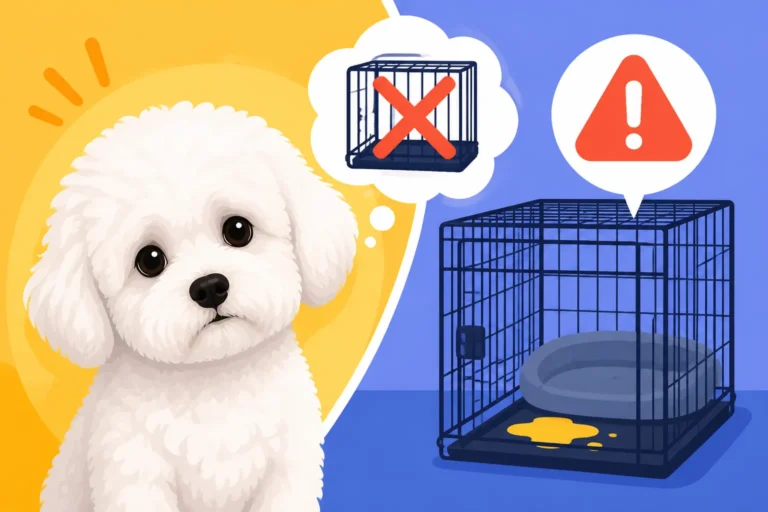
A good way to prevent accidents is using a confinement strategy when you can't actively supervise. A playpen or a Whether Crate Training Works on a Bichon Frise can be invaluable. If your Bichon is contained in a small, comfortable area (that doesn't include the potty pad, if you're trying to establish separation), they are less likely to soil it. Then, when you take them out, immediately bring them to the pad. If you notice your Bichon sniffing around, circling, or suddenly becoming quiet and focused, these are classic pre-potty signals – scoop them up and take them to the pad immediately! For further guidance on training, online resources like those offered by BAXTER & Bella can provide structured courses and support for every stage of your puppy's development, including housetraining.
Common Roadblocks and Solutions in Pad Training
Even with the best intentions and a solid routine, potty pad training your Bichon Frise isn't always a straight line. There will be bumps, detours, and moments where you might feel like you're back at square one. It's completely normal! The key to success is anticipating these common roadblocks and having a strategy in place to overcome them. Remember, patience and persistence are your most valuable tools.
When Your Bichon Refuses the Pad or Misses It
This is a classic head-scratcher: your Bichon just won't use the pad, or consistently misses it by a hair. First, reassess the pad itself. Is it clean? A Bichon can be quite fastidious, and an already soiled pad might deter them. Also, is the pad holder (if you're using one) making the pad too slippery or uncomfortable? Some dogs prefer the feel of a specific surface. If they are consistently missing the pad, try using a larger pad or placing two pads side-by-side to increase the target area, then gradually reducing it once accuracy improves.
If they refuse the pad altogether, think about the attractant factor. Many commercial pads have a scent that's meant to draw dogs in. If yours doesn't, or if your dog isn't responding, you can try dabbing a tiny bit of their urine on the pad (from an earlier accident, or collected fresh) to provide a familiar scent cue. Always take them to the pad at their peak potty times (after naps, meals, play) and keep them there until they go, rewarding them immediately. If your Bichon is showing The First Signs a Bichon Frise Has Stones or has a urinary tract infection, they might associate pain with the pad, causing refusal. A vet check is always a good idea if sudden refusal occurs.
Dealing with Dual Training (Pad and Outdoor)
Many owners start with pads but hope to transition to outdoor-only, or aim for a system where their Bichon can comfortably use both. The challenge with dual training is clear communication. Your Bichon needs to understand that both options are acceptable, or that the outdoor option is gradually becoming the only option. If you're aiming for a transition, gradually move the pad closer to the door. Once it's right by the door, start putting it just outside for short periods, always accompanying your Bichon.
The biggest hurdle here is often Whether Pads Slow a Bichon Frise Down Later from learning outdoor habits. To mitigate this, make outdoor potty breaks highly rewarding. Use extra special treats they only get for outdoor success. Spend a little more time outside, even if it's just for a minute or two of sniffing after they've gone. If you want them to use both, consistency is key: always offer the pad indoors and always offer outdoor trips on a regular schedule. Never punish them for using the pad if it's an accepted option, as this creates confusion and anxiety. Instead, celebrate every outdoor success equally.
Maintaining Pad Training Long-Term and Preventing Regression
Once your Bichon is reliably using potty pads, you'll want to maintain this success long-term and prevent frustrating regressions. The most critical factor is consistency. Don't suddenly change the location of the pad, or let it become too soiled. Keep the area clean and fresh. If you suddenly change your schedule or go on vacation, remember that your dog might need a little refresher course or extra supervision. New environments or changes in routine can sometimes trigger accidents.
Older Bichons might also experience regression due to age-related issues. Whether an Old Bichon Frise Loses Bladder Control becomes a more pertinent question as they age. Conditions like cognitive dysfunction, arthritis (making outdoor trips harder), or underlying medical issues can all contribute to accidents. If your previously reliable pad-trained Bichon starts having accidents, a vet visit is essential to rule out any health problems. For ongoing management, consider using robust, multi-layer pads or even a dedicated indoor grass patch that can be easily cleaned. Always remember to praise and reward good behavior, even with an established routine, to reinforce those positive associations.
Alternative and Supplementary Solutions for Bichon Potty Needs
While potty pads are a popular choice for many Bichon Frise owners, they aren't the only solution, nor do they have to be used in isolation. Sometimes, a multi-faceted approach, combining pads with other training techniques or alternative indoor options, can provide the best results for your specific situation. Exploring these different avenues can help you tailor the perfect potty solution for your fluffy companion, making life easier for everyone.
Indoor Grass Patches and Their Appeal
For those who like the convenience of indoor potty options but prefer a more natural feel than a traditional pad, indoor grass patches can be a fantastic alternative. These systems typically consist of a tray with a layer of real or artificial grass on top. Many dogs instinctively prefer to relieve themselves on grass, making these systems often easier for some Bichons to adapt to than flat pads. They can feel more like an "outdoor" experience, but within the comfort of your home. You might find yourself asking Whether an Indoor Grass Patch Suits a Bichon Frise, and for many, the answer is a resounding yes, especially if your Bichon is reluctant to go out in certain weather conditions.
Real grass patches require more maintenance, as the grass needs to be changed regularly to prevent odor and decay, but they offer a truly natural texture. Artificial grass options are often easier to clean and maintain, usually requiring a simple rinse and occasional disinfection. Brands like DoggieLawn or Fresh Patch offer subscription services for real grass, while many artificial options are available for one-time purchase from online retailers. These can be particularly appealing if you eventually want to transition your Bichon Frise to outdoor-only, as the grass texture provides a familiar cue.
Potty Bells and Communication Training
Regardless of whether your Bichon Frise is pad-trained, outdoor-trained, or using a grass patch, teaching them to communicate their need to go potty can drastically reduce accidents. This is where potty bells come in. The concept is simple: you teach your Bichon to ring a bell hanging by the door (or near their pad area) whenever they need to go out (or use the pad). This gives them an active way to "tell" you, rather than just waiting for you to guess or them having an accident. Whether Bell Training Works on a Bichon Frise is a common query, and indeed, many Bichons excel at this. They are intelligent and quickly learn that ringing the bell leads to opening the door or access to their potty spot.
To teach bell training, simply ring the bell every single time you take your Bichon to their designated potty area. After a few repetitions, gently guide your Bichon's paw to touch the bell just before you open the door or direct them to the pad. Reward them with praise and treats immediately when they ring the bell and then successfully go potty. With consistency, they'll soon associate the bell with getting access to their toilet. This proactive approach empowers your Bichon and gives you advanced notice, minimizing those frustrating surprises.
The Role of Routine and Management in Success
Ultimately, no matter which potty method you choose, a solid routine and consistent management are the bedrock of success for any Bichon Frise. A predictable schedule helps your dog learn when and where they are expected to go. This includes regular feeding times, consistent potty breaks (even if they're indoor pad breaks), and designated playtime. Knowing Whether a Written Toilet Schedule Helps a Bichon Frise is crucial, and the answer is absolutely yes. A schedule brings predictability and reduces anxiety for your dog, making training much smoother.
Management involves actively preventing opportunities for accidents. This means supervising your Bichon when they're not in their designated potty area or secure confinement zone. Use baby gates to restrict access to certain rooms, especially when you're busy. Take your Bichon out (or to the pad) immediately after they wake up, after eating, after playing, and before bedtime. If you see them sniffing or circling, it's a sure sign to redirect them to their potty spot. And remember, accidents will happen. When they do, clean them thoroughly with an enzyme cleaner to remove all traces of odor, which prevents your Bichon from being drawn back to that spot by scent. This holistic approach, combining clear communication, a reliable routine, and careful supervision, will lead to a successfully housetrained Bichon Frise, bringing peace of mind to both of you.
Disclaimer
This article is for general informational purposes only and does not constitute professional advice. Laws, prices and regulations vary by location and change over time. Consult a qualified professional for guidance on your specific situation.