Whether a Bichon Frise Wears a Recovery Suit
There’s nothing quite as heart-wrenching as seeing your beloved Bichon Frise sporting the dreaded "cone of shame" after surgery or for a persistent skin issue. That rigid plastic barrier can turn their normally joyful demeanor into one of misery, bumping into furniture, struggling to eat, and generally feeling quite lost. This guide is here to shed light on a fantastic alternative that many Bichon owners are turning to: the recovery suit, offering a more comfortable and less stressful path to healing.
The Challenge of the Traditional Cone for a Bichon Frise
Let's be honest, those traditional Elizabethan collars, affectionately (or not-so-affectionately) known as cones, are a necessary evil sometimes. They're designed to stop your dog from licking, biting, or scratching at wounds, hot spots, or sutures. But for a little cloud-dog like a Bichon Frise, they can feel like an oppressive, clumsy cage. Many owners experience the daily struggle of a dog trying to navigate life with a plastic radar dish around their head, and it's certainly not fun for anyone involved.
Why Cones Are So Unpopular with Bichons and Their Owners
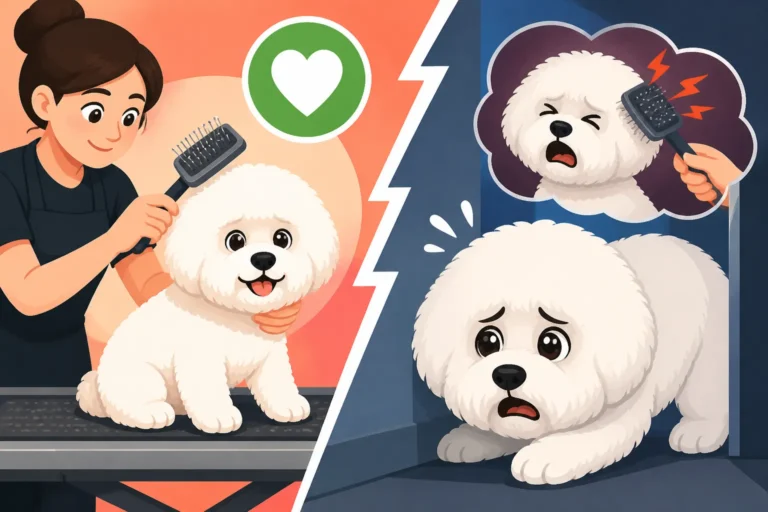
Bichon Frises are known for their lively, playful, and often somewhat sensitive personalities. Slapping a rigid cone on them can genuinely distress them. Imagine trying to eat your dinner, play with your favorite toy, or even just snuggle up for a nap with a giant plastic barrier constantly getting in your way. It’s frustrating for them, and heartbreaking for us to watch. Many Bichons will become withdrawn, refusing to play or even move much, simply because the cone makes every simple activity an ordeal. They can feel isolated, unable to make proper eye contact or receive comfortable pets, which for such a companion-oriented breed, is a huge blow.
Beyond the psychological impact, the cone can be physically uncomfortable. It might rub against their neck, causing irritation, or hinder their peripheral vision, making them feel disoriented and anxious. We often see Bichons struggling to find a comfortable position to sleep, their little heads propped awkwardly, or attempting to squeeze into tight spaces only to get stuck. It’s not just an inconvenience; it can be a genuine source of discomfort and anxiety during an already vulnerable time.
The Practical Difficulties Cones Create in a Small Dog's Life
The cone doesn't just annoy your Bichon; it throws a wrench into your daily routine too. Think about feeding time: a cone can prevent your Bichon from reaching their food or water bowls, forcing you to hold the bowls up or remove the cone entirely, which defeats its purpose if you're not constantly supervising. Walking through doorways, navigating tight hallways, or even jumping onto the sofa (if they're allowed) becomes a hazardous obstacle course. You're constantly worried they'll knock something over, get snagged, or injure themselves further.
And then there's the hygiene aspect. If your Bichon has had an abdominal surgery, or a urinary issue leading to treatment, the cone can make it difficult for them to position themselves properly to relieve themselves outdoors. Accidents inside can become more frequent, not because of a training lapse, but because the cone prevents them from squatting naturally. It's an added layer of stress for both you and your already recovering dog, making what should be a straightforward recovery period much more complicated.
Introducing the Recovery Suit: A Gentler Alternative
Thankfully, innovation has brought us a much kinder and often more effective solution: the recovery suit. These aren't just cute dog pajamas; they're thoughtfully designed garments that offer full-body coverage, providing a protective barrier over wounds or irritated skin without the rigid confines of a cone. For a small breed like the Bichon Frise, who thrives on comfort and closeness, a recovery suit can make all the difference in their healing journey.
How Recovery Suits Work for Bichon Frises
A recovery suit essentially acts like a second skin, covering the torso and often parts of the legs, protecting surgical incisions, hot spots, or rashes from your Bichon's tongue and teeth. Instead of physically blocking access like a cone, it creates a comfortable, fabric barrier. This means your Bichon can move freely, eat and drink without hindrance, and often sleep much more comfortably. They retain their full field of vision, can walk without bumping into everything, and generally feel more like themselves.
Many recovery suits are made from soft, breathable, and flexible materials, which is crucial for a Bichon with their delicate skin and fluffy coat. The gentle compression can also have a calming effect on some dogs, similar to a thunder shirt, which can be beneficial if your Bichon is feeling anxious or stressed during their recovery. It's a fantastic way to ensure the wound is protected, while still allowing your furry friend to maintain a good quality of life during their healing period.
Types of Recovery Suits and Materials to Look For
When you're looking for a recovery suit for your Bichon, you'll find a range of options. Most are made from a blend of cotton and Lycra or spandex, offering breathability and stretch. You want something soft against their skin, especially if they have allergies or sensitive skin. Materials that are too stiff or synthetic might cause irritation or make them overheat, which is the last thing you want for a recovering dog. Look for suits that are easy to put on and take off, often with snaps, zippers, or Velcro closures along the back or underside. Some even have a clever opening for bathroom breaks, so you don't have to remove the entire suit every time.
Consider the specific needs of your Bichon. If they're recovering from abdominal surgery, you'll need full torso coverage. For issues further back, like a tail injury or anal gland surgery, you might need a suit that extends down the hind legs. Brands like BAXTER & Bella, known for their focus on positive training, also emphasize comfort in their suggested accessories, and while they might not sell recovery suits directly, the principle of comfortable, well-fitting gear is key. You can find a vast array of options on platforms like Amazon, making it easy to compare styles, materials, and reviews. Always read the sizing charts carefully, as a proper fit is paramount for both effectiveness and comfort.
When a Recovery Suit Is the Right Choice for Your Bichon Frise
Recovery suits aren't just for a single type of ailment; they're incredibly versatile. For Bichon Frise owners, who often deal with specific health concerns, understanding when a suit can be beneficial is key to a smoother recovery. From post-surgical care to managing persistent skin issues or even urinary tract problems, these suits can be a game-changer.
Post-Surgery Protection for Delicate Incisions
This is perhaps the most common reason to use a recovery suit. After procedures like spaying or neutering, or if your Bichon has had surgery to remove bladder stones, protecting the incision site is critical. A recovery suit covers the area securely, preventing your dog from licking, biting, or scratching at the sutures. Licking a surgical wound can introduce bacteria, leading to infection, or even cause the sutures to break down, necessitating another costly and stressful vet visit. What Stone Surgery Involves on a Bichon Frise often leaves an abdominal incision that needs careful protection.
The beauty of the suit is that it offers this protection without impeding movement. Your Bichon can walk, play gently, and rest comfortably, which is essential for a good recovery. Instead of becoming withdrawn and inactive due to the cone, they can maintain a more normal routine, which aids both physical and mental well-being. This is particularly important because you want your Bichon to Whether a Bichon Frise Rests Enough After Stone Surgery without feeling constrained, and a suit allows for that natural resting posture.
Managing Skin Conditions and Excessive Licking
Bichon Frises can be prone to various skin conditions, including allergies like What Atopic Dermatitis Does to a Bichon Frise. When they develop hot spots, rashes, or persistent itching, their natural instinct is to lick, chew, or scratch the affected area. This can quickly turn a minor irritation into a severe infection or open wound. Traditional cones are often used, but as we discussed, they come with many downsides.
A recovery suit provides a breathable barrier that stops the incessant licking and chewing, giving the skin a chance to heal. It’s also much easier to apply topical medications or soothing creams underneath a suit, knowing that your Bichon won't immediately lick them off. This makes managing chronic or acute skin issues much more humane and effective. If you're struggling with Handling a Bichon Frise Whose Skin Is Sore, a recovery suit can offer a much-needed reprieve for both of you, allowing the skin to recover without constant interference.
Addressing Bladder Stone Recovery and Urgency
While bladder stones themselves are internal, the surgery to remove them or the symptoms leading up to diagnosis can often involve a lot of licking at the genital area. Dogs with urinary discomfort will often lick excessively, sometimes causing skin irritation or even delaying healing if there’s an external wound. Furthermore, if your Bichon is experiencing urinary urgency post-surgery, they might have more frequent accidents or drips, and a suit can help contain this if they're not quite making it outside in time.
In cases where your vet wants to ensure absolutely no external contamination or irritation around the urethra, especially after a stone removal or if there's an ongoing urinary tract issue, a recovery suit can provide an excellent clean barrier. It can also be comforting for your Bichon to have that area protected, particularly if they are feeling vulnerable or sensitive. This is a compassionate approach to ensuring all aspects of their recovery are supported.
Choosing and Using a Recovery Suit Safely
Selecting and properly using a recovery suit is crucial for its effectiveness and your Bichon Frise's comfort and safety. It's not just about picking one off the shelf; it requires careful consideration of fit, material, and how you introduce it to your dog. A poorly fitting suit can be just as uncomfortable as a cone, and not monitoring your Bichon can lead to unforeseen issues.
Getting the Right Fit for Comfort and Effectiveness
The most important factor is undoubtedly the fit. A recovery suit that is too tight will restrict movement, rub uncomfortably, and potentially impede circulation. One that is too loose will allow your Bichon to wiggle out of it or, worse, access the wound they're supposed to be protecting. Most brands will provide a sizing chart based on your dog's length from neck to tail, and sometimes chest girth and weight. Measure your Bichon carefully, perhaps even twice, to ensure accuracy. If your dog is between sizes, it's often better to go with the larger size, as a slightly looser fit is usually more comfortable than one that's too snug, as long as they can't reach the wound.
Remember that Bichons have a fluffy coat, so don't measure too tightly against their body. You want enough room for their fur without the suit gaping open. The neck opening should be comfortable, not restrictive, and the leg holes should allow for full range of motion. For female Bichons, ensure the suit pulls back far enough for urination. For males, look for suits with an openable flap or cut-out for easy potty breaks. Some owners prefer to buy two suits so they always have a clean one available while the other is in the wash, which is a practical tip for managing any recovery.
Acclimatizing Your Bichon Frise to Their New Outfit
Just like introducing any new item, some Bichons might take to a recovery suit immediately, while others might be a bit wary. Start by letting them sniff and investigate the suit. You can place it on the floor, offer treats around it, and make it a positive experience. When it's time to put it on, do it calmly and gently. You might want to do a "dry run" before they actually need it for a medical reason, just to get them used to the sensation.
Once it's on, distract them with praise, a favorite toy, or a small treat. Monitor them closely for the first few hours. Are they trying to chew it off? Are they moving awkwardly? Most dogs adjust quickly, often realizing that they can move freely and comfortably. If they seem uncomfortable or distressed, try to pinpoint the issue. Is it rubbing somewhere? Is it too tight? A positive, patient approach will help your Bichon accept their new garment. Think of it like training: using positive reinforcement and making it a pleasant experience is key, much like you would with BAXTER & Bella's training programs.
Maintaining Hygiene and Monitoring Progress
A recovery suit covers your Bichon's body, so hygiene is paramount. Change the suit regularly, especially if it gets wet or soiled. Most suits are machine washable, but always check the care instructions. Keeping the incision site clean and dry is vital for healing, and a damp or dirty suit can create a breeding ground for bacteria. You should also be removing the suit periodically (under supervision, of course) to check the incision or skin condition. Look for any signs of redness, swelling, discharge, or foul odor.
It's tempting to think the suit is a "set it and forget it" solution, but constant vigilance is still necessary. Your vet will provide specific instructions for wound care and monitoring. The recovery suit is a tool to aid that process, not replace it. If you notice any concerning changes, contact your veterinarian immediately. Using a recovery suit is about proactive, comfortable care, ensuring your precious Bichon Frise heals as quickly and happily as possible.
| Feature | Traditional Cone (E-Collar) | Recovery Suit |
|---|---|---|
| Material | Rigid plastic | Soft, breathable fabric (cotton/spandex blend) |
| Comfort | Often uncomfortable, restricts movement and vision | Comfortable, allows full range of motion and vision |
| Eating/Drinking | Can hinder access to bowls | No interference with eating or drinking |
| Sleep | Awkward sleeping positions, can be restless | Allows natural sleeping positions |
| Hygiene | Can become soiled, difficulty with potty breaks | Easy access for potty breaks (flaps), machine washable |
| Protection | Physical barrier, excellent at preventing licking/biting | Fabric barrier, prevents licking/biting |
| Anxiety Level | Can increase stress and anxiety | Often less stressful, calming effect possible |
| Cost | Generally lower initial cost | Varies, often similar or slightly higher than good quality cones |
| Supervision | Still requires supervision, especially when eating/drinking | Still requires supervision for wound checks and hygiene |
Whether a Bichon Frise Licks a Surgical Wound is a constant worry for owners, and a recovery suit offers peace of mind without the burden of a hard plastic cone. It’s a wonderful alternative that truly puts your Bichon's comfort first, helping them get back to their cheerful, fluffy selves sooner.
Disclaimer
This article is for general informational purposes only and does not constitute professional advice. Laws, prices and regulations vary by location and change over time. Consult a qualified professional for guidance on your specific situation.