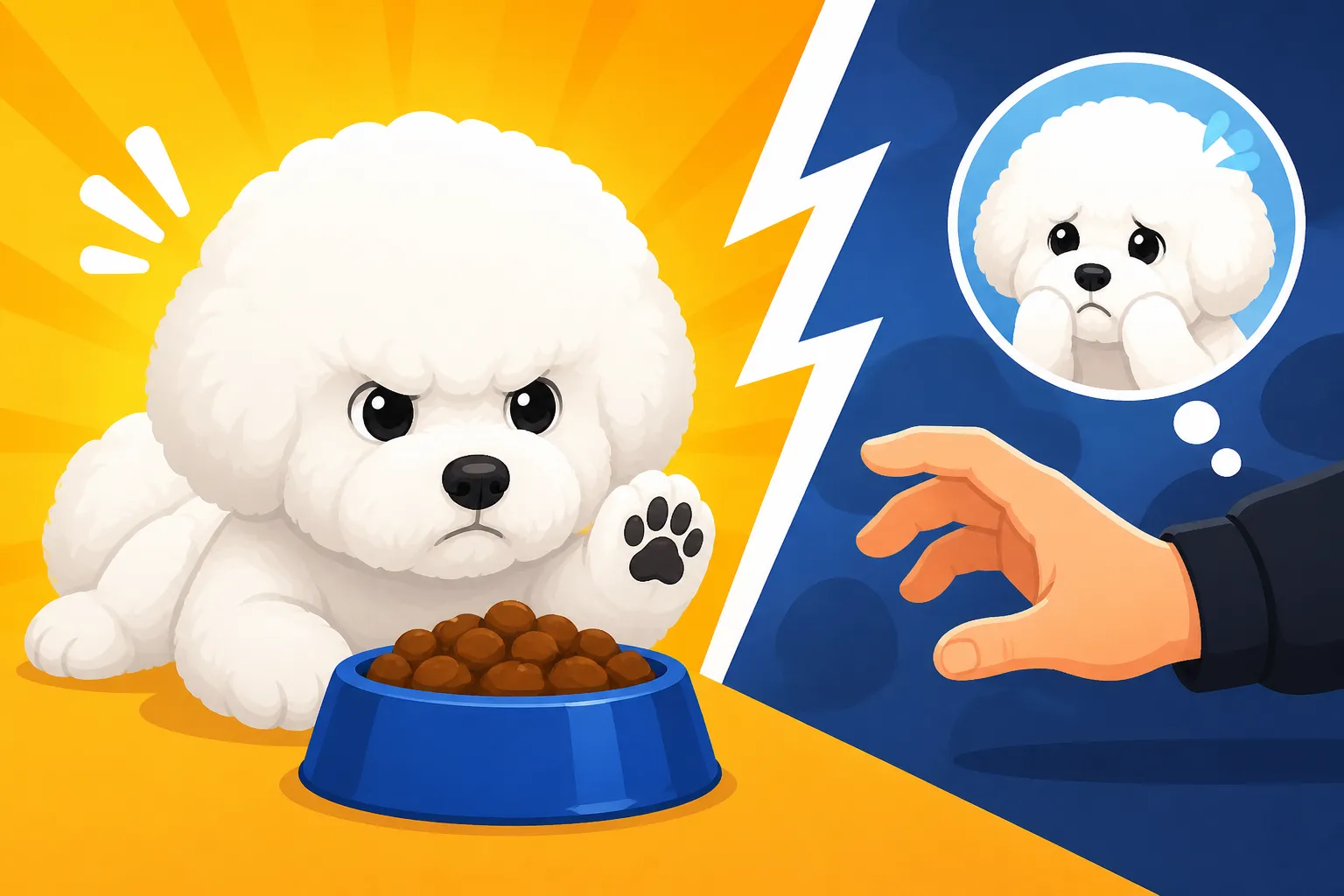
Whether a Bichon Frise Guards Its Food
It can be incredibly disheartening, even a little scary, when your sweet, fluffy Bichon Frise suddenly acts like a dragon guarding its treasure over a bowl of kibble. You might wonder if you've done something wrong, or if your affectionate little companion has a hidden aggressive streak. This guide is here to shed light on why a Bichon Frise might guard its food, what those warning signs look like, and how you can gently and effectively work with your beloved pet to ensure meal times are a calm and safe experience for everyone.
What Food Guarding Looks Like in a Bichon Frise
Food guarding, also known as resource guarding, is a natural canine behavior where a dog protects items they value from perceived threats. While some breeds are more prone to it, any dog, including our charming Bichons, can display this behavior. It’s not about being "mean"; it's a deep-seated instinct.
Subtle Signs You Might Be Missing
Sometimes, food guarding starts subtly, and as loving pet parents, we might not even realize what we're seeing. It's not always a full-blown growl and snap right off the bat. Imagine your Bichon, usually a social butterfly, suddenly freezing over their food bowl when you walk by. Their body might stiffen, their ears might pin back, or their tail might go rigid instead of its usual cheerful wag. You might notice them quickly finishing their food as if someone is about to steal it, or moving their bowl to a secluded spot.
They might also give you a hard stare, a kind of "don't even think about it" look with wide, unblinking eyes. Perhaps they lower their head over the bowl, using their body as a shield. These are all early indicators that your Bichon Frise is feeling possessive about their meal. Ignoring these signals can, unfortunately, lead to the behavior escalating because your dog learns that these subtle warnings aren't effective in deterring the perceived threat (you, or another pet).
When Guarding Becomes More Obvious
If the subtle signs aren't respected, or if the dog has a stronger guarding instinct, the behavior can become much more pronounced and concerning. This is when you start to see the classic signs of aggression. Your Bichon might emit a low growl when you get too close, or even a sudden, sharp bark directed right at you or another family member. They might bare their teeth, wrinkling their nose and pulling their lips back in a clear warning.
The ultimate escalation involves snapping or biting. A snap is a quick lunge and bite that doesn't make contact, or just grazes the air. A bite, of course, means contact, and it can range from a light nip to a more serious injury. If your Bichon has reached this point, it's a clear sign that they are truly distressed and feel the need to use their strongest deterrent to protect their food. This is a crucial point where professional intervention is highly recommended for everyone's safety and your dog's well-being. It's important to understand that your Bichon isn't trying to be aggressive; they're simply communicating, in the only way they know how, that their valuable resource is under threat.
Why Your Bichon Frise Might Be Guarding Their Food
Understanding the "why" behind food guarding is the first step toward addressing it effectively. It’s rarely about malice and almost always rooted in instinct or past experiences.
The Deep-Seated Instinct of Resource Guarding
At its core, resource guarding is an ancestral instinct. In the wild, animals have to compete for food, and guarding resources ensures survival. While our pampered Bichons live a far cry from their wild ancestors, these instincts are still hardwired into their brains. Some dogs simply have a stronger genetic predisposition to this behavior than others. It's a spectrum, with some dogs barely showing any guarding tendencies, and others being very protective.
Think about it from your Bichon's perspective: this bowl of food represents sustenance, a valuable, finite resource. When you or another pet approaches, their primal brain might interpret it as a challenge for that resource. They don't understand that you're the one who provides all their food; they just see an approaching threat to what they have right now. This instinct can be particularly strong if they feel insecure or anxious in general.
The Impact of Past Experiences
Just like humans, dogs are products of their experiences. A Bichon Frise that has experienced food insecurity in the past is much more likely to guard their food. This could mean they were part of a large litter where they had to fight for food, or perhaps they were a rescue Bichon Frise who went hungry before finding their forever home. Even seemingly minor events, like another dog in the household frequently stealing their food, can trigger guarding behavior.
Consider a scenario where a young Bichon puppy in a multi-dog household always had their bowl approached or stolen by a larger, bolder dog. To cope, that puppy might learn to eat very quickly and display warning signs to protect their meal. These learned behaviors, even if not necessary in their new, safe home, can persist. Similarly, if a well-meaning owner or child frequently took their bowl away "just because" or to tease them, the dog learns that human hands near the bowl mean loss, not good things, leading to defensiveness. These past traumas, even if unintentional, can profoundly shape a dog's relationship with their food bowl.
Underlying Health Issues That Mimic Guarding
Sometimes, what looks like food guarding can actually be a symptom of an underlying health problem. If a dog is experiencing pain or discomfort, they might become more irritable and protective of their space and resources. Imagine your Bichon has a toothache; the act of eating might be painful, and they might guard their bowl because they associate interference with more pain or discomfort. Similarly, gastrointestinal issues could make them protective of their food as they try to manage their symptoms.
Conditions like urinary tract infections or bladder stones, which Bichons are unfortunately prone to, can make a dog more sensitive and reactive. If your Bichon is suddenly showing guarding behavior when they never did before, a trip to the vet is crucial to rule out any medical causes. The First Signs a Bichon Frise Has Stones or other health problems could manifest as behavioral changes. A physical examination and potentially some diagnostic tests can help determine if there's a medical reason for the sudden change in temperament around food.
How to Safely Address Food Guarding in Your Bichon Frise
Addressing food guarding requires patience, consistency, and a commitment to positive reinforcement. Never punish your Bichon for guarding their food, as this will likely escalate the aggression and damage your bond.
Management Strategies for Immediate Safety
The very first step is to implement management strategies to prevent guarding incidents from happening. This is crucial for everyone's safety, especially if children are in the home.
- Separate Feeding Spaces: If you have multiple pets, feed them in separate rooms or crates. This eliminates competition and allows each dog to eat in peace.
- Designated Feeding Times: Establish clear feeding times and stick to them. This predictability can reduce anxiety around meal scarcity.
- "Safe" Feeding Areas: Consider feeding your Bichon in a quiet, low-traffic area where they won't feel approached or threatened. Some owners use a crate or a dedicated mat.
- Puzzle Feeders & Slow Feeders: If your Bichon eats too fast, a slow feeder bowl can help. These bowls, readily available on platforms like Amazon, have ridges or mazes that force your dog to eat more slowly, reducing the frantic "eat it before it's gone" mentality. Puzzle feeders can also make mealtime a positive, engaging activity rather than a race.
- No Free-Feeding: Avoid leaving food out all day, as this can exacerbate guarding if your Bichon feels they constantly need to protect their bowl. Stick to scheduled meals.
Desensitization and Counter-Conditioning
This is the cornerstone of positive, long-term behavior modification for food guarding. The goal is to change your Bichon's emotional response to you approaching their food. Instead of feeling threatened, they should learn that your approach means good things happen.
Here's a step-by-step approach:
- Start from a Distance: While your Bichon is eating, stand far enough away so they don't show any guarding signs. This might be across the room or even in another room.
- Approach and Treat (from a distance): Gently toss a high-value treat (something truly irresistible, like cooked chicken or cheese) near their bowl, but not directly into it, as you walk by. Don't stop or loom; just keep moving. The idea is to associate your movement with something positive.
- Gradual Reduction of Distance: Over many, many sessions (days or weeks), slowly decrease the distance from which you toss the treat. You're aiming for your Bichon to look up at you with anticipation, wagging their tail, rather than tensing up.
- Dropping Treats into the Bowl: Once your Bichon is comfortable with you being closer and tossing treats near the bowl, you can start dropping treats directly into the bowl as you pass by. Again, don't reach in, just drop and keep moving.
- Brief Stops: Eventually, you can pause briefly next to their bowl after dropping a treat, and then move away.
- "Bowl Exchange" (Advanced): Only attempt this if your Bichon is consistently happy and relaxed with your presence. Offer a super high-value treat in exchange for them voluntarily moving away from their bowl. Once they take the treat, quickly place their bowl back. This teaches them that giving up their bowl leads to an even better reward. Never just take the bowl away without an exchange.
Remember, this process takes time. If your Bichon shows any sign of guarding, you've moved too quickly. Go back to the previous step where they were comfortable. Consistency is key. You might also find resources from reputable trainers or online programs, like those offered by BAXTER & Bella, helpful in guiding you through these steps with video demonstrations and expert advice.
When to Seek Professional Help
If your Bichon Frise's food guarding involves growling, snapping, or biting, or if you feel unsafe or unsure about implementing the training steps, it's absolutely time to call in a professional. A certified professional dog trainer or a veterinary behaviorist has the expertise to assess the severity of the guarding, identify specific triggers, and develop a tailored behavior modification plan.
They can guide you through the desensitization and counter-conditioning process safely and effectively, ensuring that both you and your Bichon are protected. Sometimes, medication might be considered in conjunction with behavior modification for severe cases, especially if underlying anxiety is a significant factor. Don't hesitate to seek help; addressing resource guarding early and correctly is vital for your Bichon's well-being and a harmonious household. Whether Medication Helps an Anxious Bichon Frise might be relevant here if anxiety is a contributing factor.
Preventing Food Guarding in Bichon Frise Puppies
Starting with good habits from puppyhood is the best way to prevent food guarding from ever becoming an issue. It’s all about creating positive associations with humans and their food.
Building Positive Associations with Food and People
From the moment you bring your Bichon Frise puppy home, you want them to see humans as generous givers, not threats, when it comes to food.
- Hand-Feeding: Regularly hand-feed your puppy a portion of their meal. This builds trust and teaches them that human hands deliver deliciousness, not deprivation.
- "Surprise" Treats in the Bowl: While your puppy is eating, occasionally walk by and drop an extra, high-value treat into their bowl. This teaches them that your approach adds to their meal, rather than taking away. Imagine a little Bichon happily munching, and suddenly a tiny piece of cheese appears! That's a powerful positive association.
- Gentle Handling During Meals: From a young age, gently touch your puppy's ears, back, or tail while they are eating. This helps them get used to being touched during mealtime without feeling threatened. Always ensure they are comfortable and enjoying their meal.
- Involve Family Members: Make sure all family members, including children (under strict supervision), participate in these positive interactions. This ensures your puppy generalizes these good feelings to everyone in the household. Teach children not to tease or take away a dog's food.
These early experiences are critical. If your puppy learns that people are benign and often enhance their meal, they are far less likely to develop guarding issues later. Many puppy classes, like those found through BAXTER & Bella's online training programs, also incorporate exercises to prevent resource guarding, focusing on positive interactions and trust-building. The First Year With a Bichon Frise Puppy will involve many opportunities to build these positive connections.
Establishing Safe Feeding Practices from Day One
Setting up a consistent and safe feeding environment is crucial for preventing resource guarding.
- Consistent Meal Schedule: Feed your puppy at the same times each day. This helps them understand that food will always be available and reduces anxiety about scarcity.
- Designated, Quiet Feeding Spot: Give your puppy their own space to eat where they won't be bothered by other pets or excessive foot traffic. This could be a corner of the kitchen, their crate, or even a playpen setup. This fosters a sense of security around their meal.
- Separate Bowls for Multiple Pets: If you have more than one dog, always feed them in separate, isolated areas. This prevents any competition or potential for conflict, ensuring each dog feels secure with their own meal. Even if they seem fine at first, competitive eating can quickly lead to guarding.
- No Interference During Meals (Unless Training): While you're working on positive associations, avoid unnecessary interference with their bowl. The goal is to make your presence a positive, predictable event, not a constant interruption.
By making mealtime a consistently positive, predictable, and safe experience, you significantly reduce the chances of your Bichon Frise developing resource guarding. Remember that Whether a Bichon Frise Works for Food or Praise can vary, but food is a powerful motivator for positive reinforcement in training, especially when used wisely.
Comparison of Safe vs. Unsafe Responses to Food Guarding
It's vital to know what actions help and what actions can make food guarding worse. Here's a quick comparison to guide you.
| Action | Safe and Recommended | Unsafe and Not Recommended |
|---|---|---|
| Approaching Bowl | Toss high-value treats from a distance, gradually getting closer. Always offer something better. | Reaching directly into the bowl, trying to take food away by force, or scolding the dog. |
| If Guarding Occurs | Retreat immediately and assess your distance. Seek professional help if the behavior is severe. Implement management strategies. | Punishing the dog (e.g., yelling, hitting, spraying water), which escalates fear and aggression. |
| Feeding Routine | Consistent meal times, separate feeding areas for multiple pets, using slow feeders or puzzle bowls found on Amazon. | Free-feeding (leaving food out all day), allowing other pets or people to constantly bother the eating dog. |
| Puppy Prevention | Hand-feeding, dropping treats into the bowl while puppy eats, gentle handling during meals, positive reinforcement for desired behavior. Online puppy courses like those from BAXTER & Bella can offer guidance. | Allowing children to annoy the puppy during meals, frequent teasing by taking food away, not providing a secure eating space, ignoring early subtle signs. |
| Response to Growling | Immediately back away and give the dog space. This shows you respect their warning and can de-escalate the situation. | Continuing to approach, staring the dog down, or punishing the growl. A growl is a warning; punishing it teaches the dog to bite without warning next time. |
Remember, your Bichon Frise isn't trying to be difficult or malicious. They are communicating a deep-seated instinct or learned fear. With understanding, patience, and consistent positive reinforcement, you can help your furry friend feel safe and secure around their food. This not only resolves the guarding behavior but also strengthens the bond you share. Whether a Bichon Frise Is Stubborn is less about stubbornness and more about instinct when it comes to guarding resources.
Disclaimer
This article is for general informational purposes only and does not constitute professional advice. Laws, prices and regulations vary by location and change over time. Consult a qualified professional for guidance on your specific situation.