Whether a Bichon Frise Refuses to Toilet in Snow
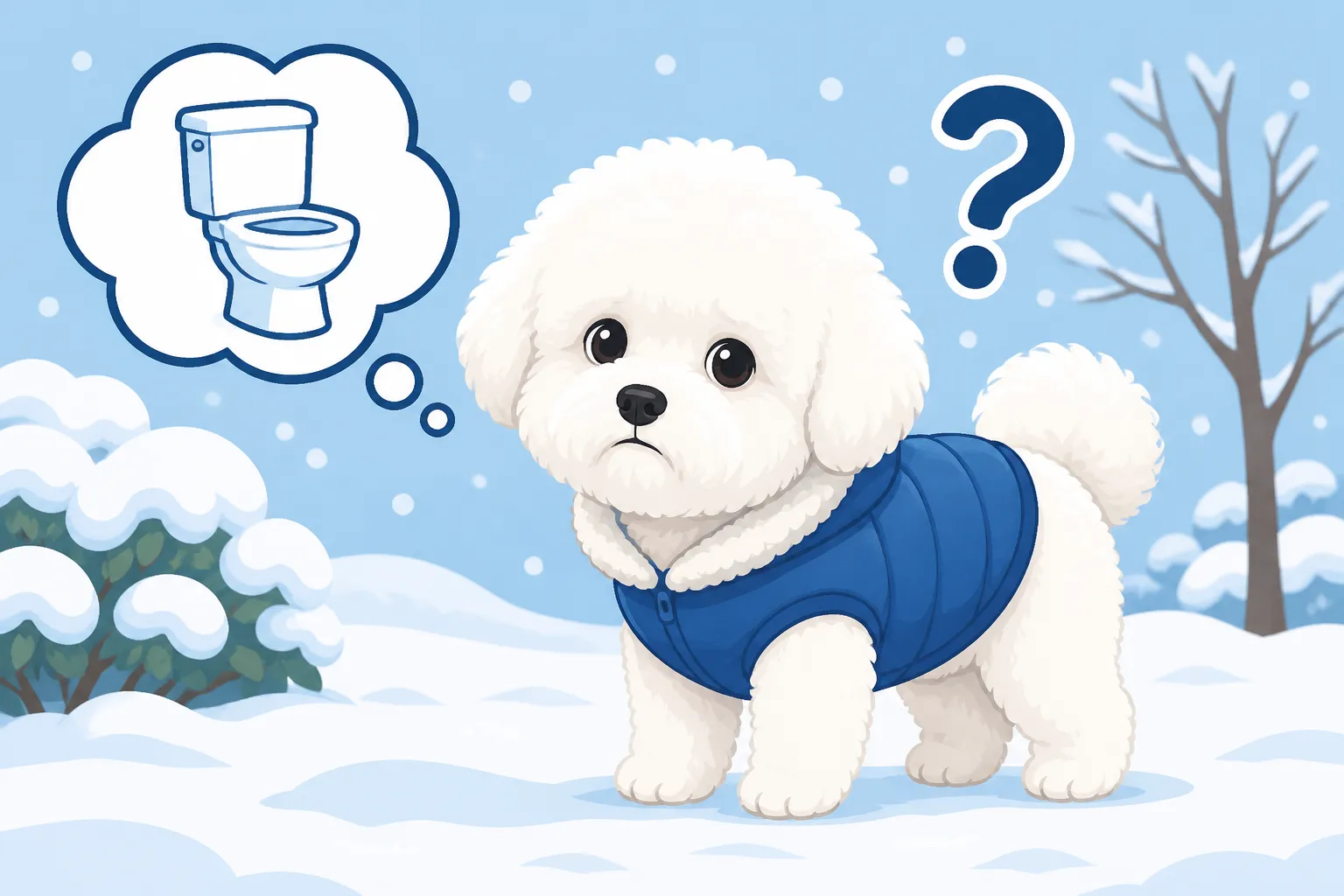
It's absolutely maddening, isn't it? You’ve spent countless hours, endured endless clean-ups, and finally, finally, your adorable Bichon Frise is reliably housetrained. Then winter hits, the first big snow falls, and suddenly, all that hard work seems to vanish into a fluffy white void. Your little cotton ball stands at the door, looks out at the pristine white landscape, shivers dramatically, and gives you a look that clearly says, "Absolutely not." Many Bichon owners face this exact frustration, and it's not just stubbornness; there are genuine reasons behind their snow-aversion. This comprehensive guide will explore why your Bichon might be refusing to toilet in the snow and, more importantly, equip you with practical strategies to help them brave the winter wonderland for their potty breaks.
Understanding Why Snow Can Be a Problem for Bichon Frises
For us humans, snow can be a magical, beautiful thing. For a tiny Bichon Frise, however, it can be a bewildering, uncomfortable, and even frightening experience. Their small size and sensitive nature make them particularly susceptible to the challenges posed by snow. It’s not about being difficult; it's often a genuine response to an environment they perceive as hostile or confusing.
The Sensory Overload of Snow
Imagine stepping into a completely alien landscape. That's a bit like what snow can be for a Bichon, especially if they haven't experienced it much before. Every sense is assaulted in a new way, and it can be overwhelming for a creature so small and accustomed to routine.
Fear of the Unknown: Texture, Cold, Depth
First off, the texture of snow is entirely different from grass, pavement, or even mud. It’s cold, wet, and often crunchy or powdery, which can feel very strange and unpleasant on their delicate paw pads. A Bichon Frise relies heavily on its sense of touch through its paws to navigate the world. Suddenly, that familiar ground is gone, replaced by something that feels like walking on a thousand tiny ice cubes or sinking into a cold, wet cloud. The unfamiliar sensation can be startling and make them hesitant to even step foot on it, let alone settle down to do their business.
Then there's the sheer depth of it. For a Bichon that might only stand 9-12 inches tall, even a few inches of snow can feel like a formidable, icy mountain range. They can sink, get lost, or feel vulnerable when their belly is dragging through the freezing wetness. This physical discomfort quickly translates into an instinct to avoid the snow altogether. They might feel like they're wading through quicksand, making them reluctant to move or find a comfortable spot to squat. This isn't laziness; it's a legitimate concern for their comfort and safety in what feels like an entirely new, challenging terrain.
Temperature Sensitivity: Small Paws, Thin Coat
Bichons, with their fluffy white coats, might look like they're built for winter, but their smaller stature and often finer undercoat (compared to truly cold-weather breeds) mean they lose heat quickly. Their little paw pads are directly exposed to the freezing ground, and unlike some larger breeds, they don't have a thick layer of fat or dense fur to protect them. Frostbite on paw pads is a real concern if they spend too long on icy surfaces.
Furthermore, when they do venture out, their entire underside, from belly to legs, can become soaked and chilled almost instantly. No one enjoys being cold and wet, and a Bichon is no exception. This isn't just about discomfort; prolonged exposure can lead to them getting truly cold, which can lower their immune response or exacerbate underlying health issues. If your Bichon is older or has conditions like arthritis, the cold can make their joints ache more, adding another layer of aversion to the snowy outdoors. You might even find yourself wondering, Whether a Bichon Frise Needs a Coat in Winter to protect them from the chill.
Disrupting Established Routines
Dogs thrive on routine and predictability, and Bichon Frises are no exception. Their housetraining success is often built upon a consistent schedule and designated potty spots. Snow can completely obliterate these familiar cues, leaving your dog confused and unwilling to adapt.
Breaking Habits: Regular Potty Spot Gone
Think about it: your Bichon has a favorite patch of grass, a specific corner by the fence, or a tree they always visit. They've formed a strong association between that particular spot and relieving themselves. When snow blankets everything, their familiar landmarks disappear. The scent cues are buried, the visual markers are gone, and what was once a comfortable, routine spot is now an undifferentiated expanse of white. This can be genuinely disorienting for them. They might circle, looking for their usual "bathroom," and when they can't find it, they simply hold it in rather than improvise in an unfamiliar environment.
This disruption to routine can be quite stressful. Dogs, especially those who are creatures of habit, can become anxious when their world suddenly changes. Their internal clock and learned behaviors are telling them to go to that spot, but that spot no longer exists as they know it. It’s not malicious; it's a breakdown in their learned association, making them hesitant to perform a vulnerable act like squatting to pee or poop in a place that doesn't feel right.
Confusion and Uncertainty: Where Is the Grass?
Beyond the disappearance of specific spots, there's the fundamental question of "where do I go?" Dogs often use visual and olfactory cues to pick a potty spot. Snow covers everything, making it difficult for them to sniff out where other dogs have gone or to identify a patch of grass that feels appropriate. The uniform white can be confusing. They might not understand that the entire yard is now fair game, or conversely, they might be worried about stepping into something unknown hidden beneath the snow.
This uncertainty can lead to holding their bladder or bowels for much longer than is healthy, which can sometimes lead to accidents indoors. If your Bichon seems to be dancing around, sniffing frantically, and then retreating to the door without doing anything, it’s likely confusion rather than outright defiance. It’s an urgent situation where they need to go, but they simply don't know where to go in this new, bewildering landscape. Sometimes, frequent squatting without actually relieving themselves can also be a sign of urinary discomfort, so if this persists, it's always wise to rule out medical issues. You might wonder, Whether Frequent Squatting Means Stones Not Training.
Strategies to Encourage Your Bichon Frise to Potty in the Snow
Okay, so we understand why they might be refusing. Now, let's talk about what we can actually do to help our fluffy friends adapt to their temporary snowy toilet. It requires patience, positive reinforcement, and sometimes, a little creative problem-solving.
Creating a Safe and Inviting Potty Zone
Making the outdoor experience less intimidating and more comfortable is often the first step to success. If they feel safe and warm, they're much more likely to relax and do their business.
Shoveling a Path and Area: Familiar Ground
One of the simplest yet most effective strategies is to create a dedicated, cleared potty area. Grab that shovel and clear a reasonable-sized square or rectangle in your yard, down to the grass or pavement. This provides a familiar, clear surface where your Bichon can feel the ground beneath their paws and won't have to wade through deep snow. The key is consistency – always take them to that exact spot.
You might also consider shoveling a short, clear path to this area from your door. This prevents them from having to trudge through deep snow just to get to their spot, which can be a major deterrent. If they have an easy, familiar route and a predictable, clear space, it significantly reduces the sensory overload and physical discomfort. They'll appreciate having a "normal" spot in the middle of the snowy chaos. This small effort can make a huge difference in helping them feel secure enough to relieve themselves.
Using Booties and Coats: Warmth and Protection
Since small paw pads and thin underbellies are big issues for Bichons in the snow, providing them with protection is paramount. Dog booties, while sometimes a comical sight, can be incredibly effective. They protect their paws from the cold, ice, and salt that might be on sidewalks. Introduce them slowly indoors first, with lots of treats and praise, so they associate them with positive experiences. Don't expect your Bichon to love them instantly, but with patience, many dogs learn to tolerate them, especially when they realize it means warmer paws outside. Amazon has a wide variety of options, from simple rubber boots to insulated fabric ones, so you can find something that fits your Bichon's tiny feet well.
In addition to booties, a warm dog coat or sweater is essential. It provides an extra layer of insulation, keeping their core body temperature up and their belly dry as they navigate the snow. Look for one that covers their chest and belly well, and perhaps has a waterproof outer layer to keep the snow from soaking through. A warm, dry Bichon is a much happier Bichon, and a happier Bichon is more likely to go potty outside. Remember, their comfort is key to overcoming their snow aversion. If they’re shivering and miserable, they’re going to want to rush back inside without doing what they went out for.
Gradual Introduction and Positive Reinforcement
Punishment for accidents indoors when they're simply too cold or scared to go outside is counterproductive. Instead, focus on positive reinforcement to build confidence and create positive associations with the snowy potty experience. Whether Punishing Accidents Sets a Bichon Frise Back is an important consideration in any training scenario, especially when dealing with environmental challenges.
Baby Steps: Short Exposures, High-Value Treats
When you first start taking your Bichon out into the snow, even to the cleared area, don't expect them to perform immediately. Start with very short exposures, just long enough for them to step out, sniff around, and get a feel for the environment. If they take even one step into the snow (or the cleared area), offer immediate, enthusiastic praise and a very high-value treat – something they only get for this specific task. Think tiny pieces of cooked chicken, cheese, or their absolute favorite soft treat.
The goal is to build positive associations. They need to understand that going out in the snow, even for a moment, leads to wonderful things. Don't drag them out or force them; gently encourage them with a cheerful tone. If they refuse to budge, bring them back in and try again a little later. Consistency and patience are your best friends here. You’re essentially retraining them for a new "bathroom" environment, and just like puppy housetraining, it takes time and many successful repetitions. For more general housetraining tips, you might revisit The Toilet Routine That Finally Works on a Bichon Frise.
Celebrating Success: Praise, Rewards, Consistency
The moment your Bichon actually pees or poops in the snow (or the cleared area), it's time for a party! Lavish them with over-the-top praise, a handful of those high-value treats, and perhaps a quick, happy indoor play session. Make it clear that this was an amazing accomplishment. The more you celebrate success, the more likely they are to repeat the behavior.
Consistency in your routine is also crucial. Take them out at the same times you normally would, even if it's snowing. Don't wait until they're bursting. Schedule frequent trips, especially right after waking up, after meals, and before bedtime. If you find your Bichon is particularly prone to holding it or is struggling with urgency, you might even consider bringing them out Whether a Bichon Frise Needs Waking in the Night for an extra potty break during heavy snow periods. This proactive approach minimizes the chances of indoor accidents and reinforces the idea that outside is where they go. For general training advice and resources, platforms like BAXTER & Bella offer online programs and support that can be invaluable in these challenging training situations.
Alternative Solutions for Extreme Snow or Persistent Refusal
Sometimes, despite your best efforts, the snow is just too deep, the weather too harsh, or your Bichon's aversion too strong. In these cases, having an indoor backup plan is not a sign of failure but a practical necessity to maintain their housetraining and well-being.
Temporary Indoor Potty Areas
When the great outdoors is truly unmanageable for your little one, a temporary indoor solution can prevent accidents and reduce stress for everyone. These shouldn't be seen as a permanent replacement for outdoor potty breaks, but as a vital bridge during severe weather.
Potty Pads and Indoor Grass Patches: Pros and Cons
Potty pads (or "pee pads") are a classic go-to for small dogs. They offer an absorbent surface that mimics the outdoor experience, and can be placed in a designated, easy-to-clean area indoors. The main pro is convenience and quick access when outdoor conditions are impossible. The con is that some dogs become too reliant on them and can be harder to transition back to exclusively outdoor pottying once the snow melts. Also, some Bichons might shred them or simply mistake them for another soft surface. You might ask, Whether a Bichon Frise Learns to Use a Pad, and the answer is usually yes, but consistency is key.
Another option gaining popularity is an indoor grass patch, often made with real or artificial grass. These can feel more natural to a dog than a flat pad, and the texture might be more appealing. They often come with a tray for easy clean-up. The pros are the more natural feel and potentially easier transition back to outdoor grass. The cons can include odor (especially with real grass), maintenance, and cost. Whichever you choose, place it in a low-traffic area that's easy to clean, like a laundry room, bathroom, or a corner of the kitchen.
Designated Space: Consistency is Key
Regardless of whether you choose pads or grass patches, the most important thing is to have a consistent, designated indoor potty space. Don't move it around. Your Bichon needs to understand that this specific spot is where they are allowed to go indoors. Treat it like a mini outdoor potty area. Take them to it at the same times you would normally take them outside. Use a specific verbal cue, like "potty time" or "go pee," just as you would for outdoor pottying.
When they use it successfully, reward them lavishly with praise and a treat, just like you would for outdoor success. This consistency helps solidify the understanding that this is the place for indoor relief. It prevents them from thinking that any indoor spot is acceptable, which would quickly undo all your housetraining. While not ideal long-term, during a blizzard or an ice storm, a reliable indoor alternative is a lifesaver.
Seeking Professional Guidance
If your Bichon's snow aversion is extreme, leading to accidents, anxiety, or prolonged holding, it might be time to bring in the professionals. They can help rule out underlying issues and offer tailored behavioral advice.
Vet Check: Rule Out Medical Issues
Before assuming it's purely a behavioral issue, it's always wise to schedule a visit with your veterinarian. Persistent refusal to urinate or defecate can be a sign of underlying medical problems that are exacerbated by the cold or simply causing discomfort. Conditions like urinary tract infections, bladder stones (which Bichons are notoriously prone to, see Why a Bichon Frise Forms Stones Twenty Times as Often), or even arthritis can make going outside in the cold and snow painful or difficult.
Your vet can perform a physical examination, urinalysis, and possibly imaging (like an X-ray or ultrasound) to check for these issues. If there's a medical problem, addressing it will not only improve their health but also likely resolve their snow-pottying reluctance. An untreated medical issue can turn a simple dislike of snow into a dangerous situation where your dog is holding it for too long, leading to complications.
Trainer Consultation: Behavioral Insights
If your vet gives your Bichon a clean bill of health, then consulting with a certified professional dog trainer or behaviorist can be incredibly beneficial. They have expertise in animal behavior and can offer personalized strategies tailored to your specific dog's temperament and your home environment. They can help you identify subtle cues you might be missing, refine your training techniques, and provide guidance on managing anxiety related to novel environments.
A trainer can also help you implement desensitization and counter-conditioning protocols to gradually reduce your Bichon’s fear or discomfort with snow. This might involve structured play in a small amount of snow, pairing it with high-value rewards, and slowly increasing exposure. They can also provide support for reinforcing indoor potty training temporarily and making the transition back outdoors smoother. Sometimes, an objective third party can see what you, as a loving owner, might be too close to notice.
Long-Term Management and Prevention
While we can't control the weather, we can take steps to make future winters less stressful for our Bichons and ourselves. Building a resilient, adaptable dog starts early and continues throughout their lives with consistent training and exposure.
Early Exposure and Acclimation
The best defense against snow aversion is a good offense: introduce your Bichon to varied environments and textures from a young age, if possible. This builds their confidence and reduces fear of the unknown.
Puppyhood Socialization: Introduce New Textures Early
If you have a Bichon Frise puppy, take advantage of the critical socialization window. Expose them to as many different safe sights, sounds, and textures as possible, including different outdoor surfaces. If you live in an area that gets snow, try to introduce them to a small, non-threatening patch of snow early on. Don't force them, but allow them to sniff and explore a little, offering treats and praise. Even allowing them to walk on a damp towel or a crinkly blanket can help them get used to novel sensations underfoot.
The goal isn't necessarily for them to love snow, but to see it as "just another thing" rather than a terrifying anomaly. A well-socialized puppy is generally more adaptable and less likely to develop strong phobias about new experiences later in life. This broad exposure helps them build resilience, making them less prone to anxieties when confronted with something new, like a fresh snowfall.
Gradual Habituation: Small Snow Experiences
For adult Bichons who already have a strong aversion, you can still work on gradual habituation. This means slowly, safely, and positively exposing them to snow in small doses. On a day with light, fresh snow, maybe just let them step a paw out the door, give a treat, and come back in. Over time, increase the duration or the number of steps. You could even bring a small, clean pile of snow into a contained area, like a bathtub or a large plastic bin, for them to investigate indoors with supervision and treats.
The key is to keep it positive and short. Never make it a negative experience. If they show signs of stress (shivering excessively, tail tucked, trying to bolt), back off and try again with even smaller steps next time. This process is about building positive associations and slowly desensitizing them to the unfamiliar aspects of snow. It’s similar to how you might help a Bichon get used to something like a harness or grooming tools – slow, steady, and with plenty of rewards.
Maintaining a Consistent Routine (Even in Winter)
Consistency truly is king when it comes to housetraining, especially for Bichons. Stick to a predictable schedule, and your dog will feel more secure and understand what's expected of them, regardless of the weather.
Scheduled Potty Breaks: Consistency Matters
Even with snow on the ground, try to maintain your regular potty schedule as much as possible. If your Bichon normally goes out first thing in the morning, after breakfast, midday, after dinner, and right before bed, stick to those times. This routine helps regulate their body and reinforces the idea that these are the designated times for elimination. Don't wait until they're desperate, as that increases the chances of an indoor accident and can create more anxiety around going out.
If you know your Bichon has a small bladder, you might even need to increase the frequency of trips slightly during winter, especially if they are only doing quick pees due to the cold. Remember, their small size means they might need to go out more often than a larger dog. Some owners might worry Whether a Bichon Frise's Small Bladder Is the Problem with housetraining generally, but a consistent schedule helps manage this.
Clear Communication: Cues and Rewards
Continue to use your established potty cues ("go potty," "outside," etc.) every single time you take them out. This helps them understand the purpose of the trip. When they successfully go in the snow (or the cleared area), continue to provide enthusiastic praise and high-value rewards. The stronger the positive association, the more willing they will be.
It's also important to be observant. Learn your Bichon's unique "gotta go" signals. Do they pace? Whine? Stand by the door? Sniff the ground intently? Responding quickly to these cues, even in snowy weather, reinforces the bond of trust and helps prevent accidents. A consistent routine, paired with clear communication and generous rewards, will help your Bichon navigate winter potty breaks like a pro, making snowy days much more enjoyable for both of you.
Disclaimer
This article is for general informational purposes only and does not constitute professional advice. Laws, prices and regulations vary by location and change over time. Consult a qualified professional for guidance on your specific situation.