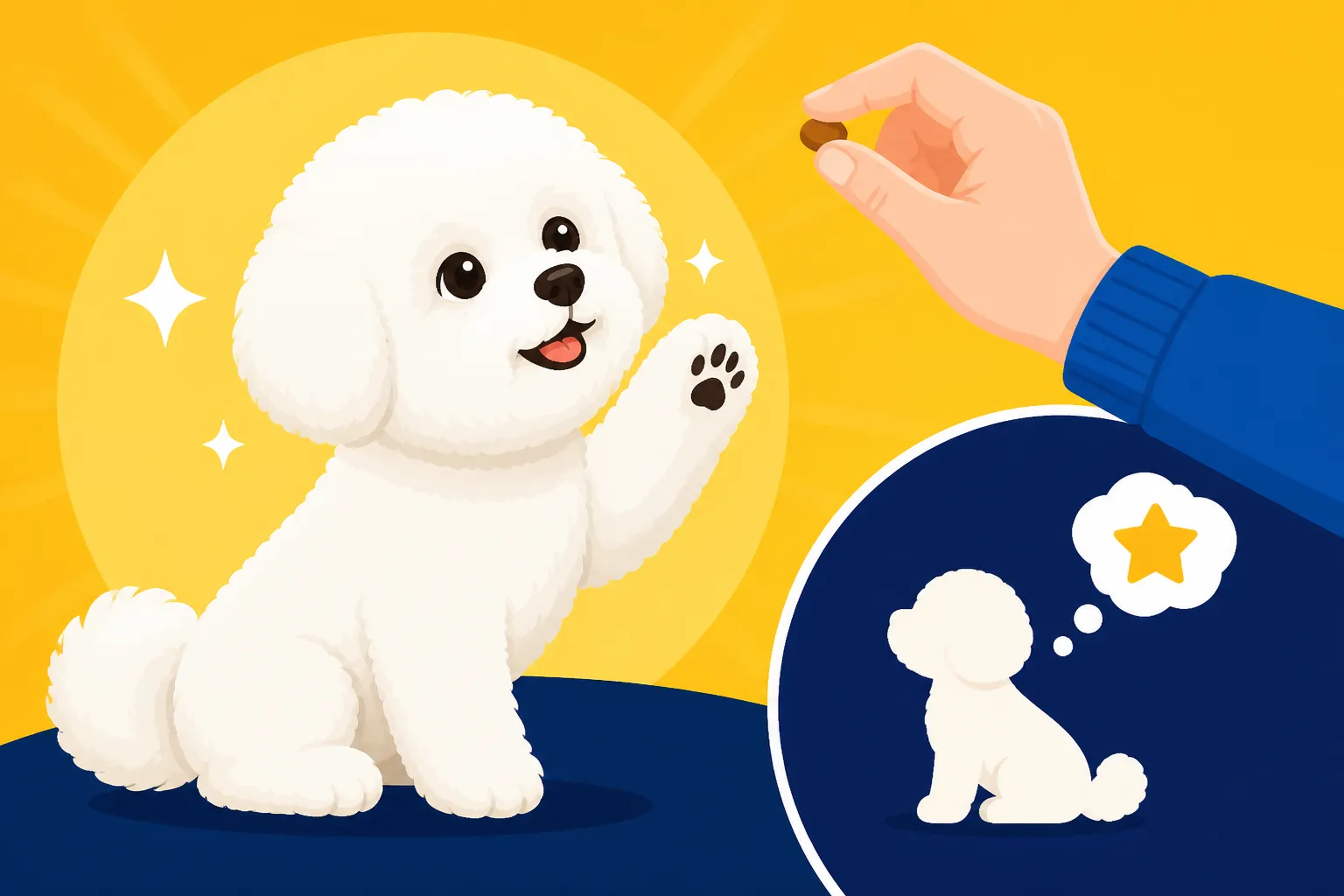
Whether a Bichon Frise Learns Tricks
Many Bichon Frise owners find themselves wondering if their adorable, fluffy companion is capable of more than just looking cute and offering cuddles. It’s a common misconception that small dogs aren’t as intelligent or trainable as their larger counterparts, often leading to owners underestimating their Bichon's potential beyond basic commands. This comprehensive guide aims to shed light on the surprising mental capabilities of your Bichon Frise and provide actionable steps to teach them a variety of engaging tricks, enriching both your lives.
The Surprising Intelligence and Eagerness to Please of a Bichon Frise
It's easy to look at a fluffy white Bichon Frise, with their bright, dark eyes and perpetually cheerful demeanor, and imagine them solely as a decorative lap dog. However, beneath that soft, cloud-like exterior lies a keen mind, a rich history, and a strong desire to connect and learn. Owners often overlook this mental capacity, focusing instead on grooming and cuddles, but doing so means missing out on a deeply rewarding aspect of sharing your life with this intelligent breed.
More Than Just a Fluffy Face
Let's be real: Bichons are undeniably charming. Their cuteness can sometimes overshadow their cleverness, leading people to believe they're simply born to be adored. But if you delve into their lineage, you'll find that the Bichon Frise has a fascinating past. These weren't always just pampered companions; they were historically popular among street performers and circus acts in Europe. Imagine a tiny white dog, not just sitting pretty, but performing complex routines, balancing on hind legs, and executing tricks that delighted crowds. This isn't just an anecdote; it's a testament to their innate intelligence, agility, and willingness to learn.
This history tells us that a Bichon Frise thrives on mental engagement. If they aren't given appropriate outlets for their minds, they can easily become bored, leading to behaviors we might mistakenly label as "stubbornness" or "naughtiness." In reality, they're simply looking for something interesting to do. So, if you've been underestimating your Bichon's capacity for learning, it's time to adjust your perspective and tap into that historical cleverness. They aren't just here to be cute; they're here to interact, learn, and impress you with their smarts.
The Drive for Connection and Rewards
One of the most powerful motivators for a Bichon Frise is their desire to please their human companions. They are incredibly social dogs who thrive on interaction, praise, and being a central part of the family unit. This inherent social drive makes them excellent candidates for trick training because they genuinely enjoy the one-on-one attention and positive reinforcement that training sessions provide. For a Bichon, a training session isn't just about learning a new command; it's a shared activity that strengthens the bond with their favorite person.
Beyond pleasing you, Bichons are often highly food-motivated, which is a fantastic asset in trick training. A small, high-value treat can work wonders in capturing their attention and guiding them through new behaviors. Think of little pieces of cooked chicken, cheese, or specialized training treats. But it's not just about the food. Enthusiastic verbal praise, a cheerful "Good job!" or a quick game with a favorite squeaky toy can be just as rewarding. They understand and appreciate your positive feedback, and that appreciation fuels their eagerness to learn more. Understanding What a Bichon Frise Will Work For is key to successful training. Whether it's a tasty morsel or a happy cheer, knowing what truly motivates your individual Bichon will make all the difference in their trick-learning journey.
Getting Started with Trick Training: Foundations and Fun
Embarking on the journey of trick training with your Bichon Frise should be a fun and positive experience for both of you. It’s not about perfection right out of the gate, but about consistent, joyful interaction. Laying down a solid foundation of good communication and positive reinforcement techniques will make all the difference in how quickly and enthusiastically your Bichon picks up new skills.
Building a Strong Foundation with Basics
Before you jump into teaching your Bichon Frise how to weave through your legs or balance a treat on their nose, it’s absolutely essential to ensure they have a solid grasp of basic obedience commands. Think of commands like "sit," "stay," "come," and "down" as the ABCs of dog training. These aren't just about manners; they are the fundamental building blocks for almost any trick you'll want to teach. For instance, teaching "play dead" is much easier if your dog already knows "down" and "stay." A solid "stay" command will be invaluable when working on tricks that require your Bichon to hold a position or wait for a cue.
Establishing these basics does more than just prepare them for tricks; it also creates a clear line of communication between you and your dog. When your Bichon understands what you’re asking and trusts that following your cues leads to good things, they become more confident and willing learners. If you haven't already, consider enrolling in a basic obedience class or using an online program like those offered by BAXTER & Bella, which can guide you through these essential commands with positive methods. This foundational work will make subsequent trick training smoother and far more enjoyable for everyone involved. How Fast a Bichon Frise Learns a New Cue can vary, but strong basics always accelerate the process.
Positive Reinforcement: The Bichon Frise Way
When it comes to training a Bichon Frise, or any dog for that matter, positive reinforcement is the gold standard. This means rewarding desired behaviors, rather than punishing unwanted ones. For a sensitive and eager-to-please breed like the Bichon, harsh corrections or scolding can be counterproductive, potentially making them fearful, anxious, or less willing to try new things. Instead, focus on celebrating every little step in the right direction.
Imagine your Bichon trying to figure out a new trick. If they offer even a slight movement towards what you want, immediately reward them with a treat, praise, or a quick game. This tells them, "Yes! That's it! Keep trying!" You're essentially shaping their behavior, guiding them with rewards until they perform the full trick. Clicker training can be particularly effective here, as the click acts as a precise marker for the exact moment they perform the correct action, followed by a reward. This clarity helps them understand much faster. Consistency is vital; make sure everyone in the household uses the same cues and rewards to avoid confusion. A Bichon who feels safe and motivated by positive interactions will blossom into a confident trickster, ready to tackle anything you throw their way.
Keeping Sessions Short and Sweet
Bichon Frises, like many smaller breeds, often have bursts of energy followed by a need for rest. While they are intelligent and capable, their attention spans can sometimes be shorter than those of larger working breeds. Therefore, the secret to successful trick training lies in keeping your sessions brief, engaging, and always ending on a high note. Trying to force a long, repetitive training session is a recipe for boredom, frustration, and a dog that quickly loses interest. This is especially true when you are working on something new and challenging. Whether Short Sessions Suit a Bichon Frise is not just a suggestion, it's a proven strategy for success.
Aim for training sessions that last no more than 5-10 minutes, perhaps two or three times a day. During these short bursts, your Bichon is more likely to stay focused, retain what they’ve learned, and remain enthusiastic about the process. When you notice their attention waning, or if they start making mistakes, it's time to stop. Always try to end a session after they've successfully performed a trick, even if it's one they already know well. This leaves them feeling accomplished and excited for the next session, associating training with positive feelings. It's much better to have several short, successful sessions than one long, arduous one that leaves both of you feeling defeated.
A Repertoire of Tricks for Your Clever Bichon Frise
Once your Bichon Frise has mastered the basics and understands the game of positive reinforcement, the world of tricks is truly your oyster. Their natural intelligence and eagerness to please make them perfect candidates for learning a wide variety of fun and impressive stunts. You’ll be amazed at what your fluffy friend can achieve with a little patience and consistency!
Classic Tricks with a Bichon Flair
Let's start with some beloved classics that are well within your Bichon's capabilities, adding their own unique charm to each performance.
- Shake a Paw: This is often one of the first tricks dogs learn, and it’s perfect for a sociable Bichon.
- How to teach it: Start by asking your Bichon to "sit." Hold a treat in a closed fist and present it to them at their paw level. They'll likely try to get the treat with their mouth. When they inevitably paw at your hand, say "Shake!" or "Paw!" and immediately open your hand to give them the treat and lavish them with praise. Repeat this several times. Once they consistently paw, you can start presenting an open hand, eventually fading out the treat in your hand as they understand the cue.
- Roll Over: This one takes a bit more coordination but is highly achievable.
- How to teach it: Have your Bichon lie down. Lure them onto their side by holding a treat close to their nose and moving it in an arc over their shoulder, encouraging them to roll onto their back and then over to the other side. As they roll, say "Roll over!" and reward them enthusiastically when they complete the motion. Break it down into smaller steps if needed, rewarding for lying on their side first, then for a partial roll.
- Play Dead: This trick is a real crowd-pleaser and combines several basic cues.
- How to teach it: It's easiest if your Bichon already knows "down." Once they are down, use a treat to lure them onto their side, similar to the start of "roll over." As they fall onto their side, say "Bang!" or "Play dead!" and reward them. Practice holding the "dead" position for longer periods, gently increasing the duration before the reward. You can even add a little hand signal, like making a finger-gun motion.
Remember, every Bichon is an individual, and some will pick up tricks faster than others. Don't get discouraged if one trick takes longer than another. The key is to keep it fun and positive, celebrating every small success.
Advanced and Unique Tricks for Brainy Bichons
Once your Bichon has the hang of the basic tricks, you can push their mental boundaries with more complex and impressive feats. These advanced tricks provide excellent mental stimulation and deepen your communication. Many interactive toys and puzzle feeders available from retailers like Amazon can also help build their problem-solving skills, which are great precursors to these tricks.
- Fetch a Specific Toy (by Name): This trick requires your Bichon to learn the names of their toys.
- How to teach it: Start with two distinct toys. Name one, say "Bunny." Play with "Bunny" exclusively, saying its name often. Then, place "Bunny" and another toy a short distance away. Say "Fetch Bunny!" and encourage them to retrieve it. Reward only when they pick up "Bunny." Slowly add more named toys once they've mastered two or three. This builds their vocabulary and selective retrieval skills.
- Ring a Bell: This is a super practical trick that can also be very cute.
- How to teach it: You can use a small bell hung by the door for potty training or a tabletop bell for getting your attention. For the potty bell, simply jingle it every time you take your Bichon out. They'll soon associate the sound with going outside. To make them ring it, put a dab of peanut butter on the bell or hold a treat nearby. When they nudge it with their nose or paw, praise and treat. Soon, they'll ring it to communicate! Whether Bell Training Works on a Bichon Frise – yes, it absolutely can, and is quite effective!
- Tidy Up (Put Toys in a Basket): This trick is not only impressive but genuinely helpful around the house!
- How to teach it: You'll need a toy basket and a toy. Start by having your Bichon pick up a toy (if they know "take it" or "fetch," even better). Then, hold the basket near their mouth and cue them to "drop it" directly into the basket. Immediately reward. Gradually increase the distance from where they pick up the toy to the basket. You can eventually use a "tidy up" cue for them to gather multiple toys. This is a brilliant way to channel their intelligence into a practical skill.
These tricks require more steps and patience, but watching your Bichon Frise perform them is incredibly rewarding. They love the challenge and the praise that comes with mastering something new.
Leveraging Their Natural Tendencies
Sometimes, the best tricks are those that build upon a dog's natural behaviors. Your Bichon Frise has some wonderfully distinctive traits that can be molded into entertaining and unique tricks.
- The Bichon Blitz into a "Settle": You know the "Bichon Blitz," right? Those sudden, energetic bursts where your fluffy friend races around the house at top speed, often after a bath or an exciting event. Whether the Bichon Blitz Happens Every Day or occasionally, it's a great opportunity!
- How to teach it: Instead of just letting them zoom, you can put a cue to it. When they start their blitz, say "Go crazy!" or "Zoomies!" and encourage their exuberance. Then, once they've burned off some energy, you can call them to you and practice a "settle" command, rewarding them for calming down. This helps channel their natural bursts of energy in a fun, controlled way, teaching them an "off switch" too.
- "Watch" or "Alert": Bichons are often quite alert to their surroundings, barking at passersby or sounds outside. Instead of just trying to stop the barking, you can harness this natural vigilance.
- How to teach it: When your Bichon naturally looks at something outside or hears a sound, say "Watch!" or "Alert!" and reward them for looking in that direction (without excessive barking). The goal isn't to make them bark more, but to give them a calm, directed way to "alert" you to something. This can be great for helping them understand when it's appropriate to notice things versus barking indiscriminately.
- "Bow" or "Curtsy": Bichons have a natural elegance, and a bow is a perfect trick for them.
- How to teach it: Hold a treat to their chest, slowly moving it down between their front paws and slightly back. This encourages them to lower their front end into a bow while keeping their rear end up. As they do this, say "Bow!" and reward. This utilizes their natural flexibility and can be a charming way to greet people.
By working with their inherent traits, you’re not fighting against their nature but enhancing it, making training more intuitive and enjoyable for your Bichon.
Benefits Beyond Bragging Rights and Overcoming Challenges
While teaching your Bichon Frise tricks is incredibly fun and gives you plenty to show off to friends and family, the benefits extend far beyond simple entertainment. Trick training provides crucial advantages for your dog's well-being and strengthens the bond you share in profound ways.
Strengthening the Bond and Boosting Confidence
Every successful trick your Bichon learns is a tiny victory shared between you. The process of working together, communicating, and achieving a goal creates a powerful bond. Your dog learns to trust your guidance, understands your cues, and delights in your praise. This shared activity isn't just about commands; it's about partnership and mutual understanding. A Bichon Frise, already known for its Whether a Bichon Frise Is Genuinely Cheerful nature, becomes even more joyful and connected when actively engaged in this kind of interaction.
Furthermore, mastering tricks is a huge confidence booster for your dog. A confident dog is generally a happier, better-adjusted dog. For Bichons who might be a little shy or timid in new situations, learning tricks can give them a sense of purpose and achievement. They learn that they can understand and influence their environment through their actions, which is incredibly empowering. Imagine a previously nervous Bichon proudly performing "shake a paw" for a new visitor—it transforms their demeanor. This increased confidence can spill over into other areas of their life, making them more resilient and outgoing. It's one of the reasons why a well-trained, confident Bichon can make an excellent Whether a Bichon Frise Makes a Therapy Dog.
Mental and Physical Exercise
We often think of physical exercise as walks and playtime, but mental exercise is just as vital for a dog's overall health and happiness, especially for intelligent breeds like the Bichon Frise. Trick training provides a fantastic mental workout, challenging their brains, improving their problem-solving skills, and preventing boredom. A mentally stimulated Bichon is less likely to engage in destructive behaviors like excessive barking or chewing, which often stem from boredom and pent-up energy.
While many tricks are performed in place, others involve movement, offering a gentle form of physical activity. Think of tricks like "weave," "fetch," or even a complex "roll over." These movements engage different muscle groups and contribute to their overall fitness. Importantly, trick training can also serve as a wonderful way for your Bichon to Whether a Bichon Frise Settles After Exercise. After a mentally stimulating trick session, many dogs feel pleasantly tired and are more likely to relax. It's a balanced approach to their well-being, ensuring both their bodies and minds are well-cared for.
Troubleshooting Common Trick Training Hurdles
Even the most enthusiastic Bichon Frise and dedicated owner can hit a snag or two during trick training. It's completely normal to encounter challenges, and knowing how to navigate them will keep the process positive and productive. After all, even though Whether a Bichon Frise Is Easy to Train is often true, no dog is perfect, and every dog has their moments.
- Distraction: Bichons can be easily distracted by sounds, smells, or family members.
- Solution: Start training in a quiet, low-distraction environment, like a specific room in your home. Gradually introduce distractions as your Bichon becomes more proficient. If they get distracted, simply redirect their attention with a high-value treat or a cheerful sound, and go back to an easier step of the trick. You might also need to up the ante on your treats; sometimes a piece of cooked chicken is more compelling than their regular kibble.
- Perceived Stubbornness: Sometimes, your Bichon might seem "stubborn" or unwilling to perform a trick.
- Solution: More often than not, this isn't stubbornness but a communication breakdown. Re-evaluate if your cue is clear, if your rewards are motivating enough, or if the steps are too big. Break the trick down into even smaller, achievable segments. Go back to a step they can do, reward them, and then slowly progress. Never punish; simply re-guide. Remember that Bichons are generally eager to please, so if they're not performing, there's usually an underlying reason related to clarity or motivation. Whether a Bichon Frise Is Stubborn often depends on the handler's approach!
- Lack of Motivation: If your Bichon seems uninterested, it could be due to boredom, fatigue, or discomfort.
- Solution: Ensure training sessions are short and fun, as discussed earlier. Try different types of rewards—some Bichons prefer toys over treats, or vice versa. If they seem genuinely disinterested, take a break and try again later. Sometimes, a dog just isn't in the mood, and forcing it will only create negative associations. If you're consistently struggling, consider seeking advice from a certified professional dog trainer or exploring online courses like those provided by BAXTER & Bella, which offer structured programs and support. They can provide fresh perspectives and tailor advice to your specific Bichon's personality.
| Trick Type | Example Tricks | Estimated Learning Time | Key Motivator | Benefits |
|---|---|---|---|---|
| Foundation | Sit, Stay, Down, Come, Look at Me | 1-3 weeks (consistent practice) | Treats, Praise | Builds communication, confidence, control |
| Easy Classics | Shake a Paw, Spin, High Five | 1-4 weeks | Treats, Praise, Play | Fun, interactive, confidence building |
| Intermediate | Roll Over, Bow, Weave Through Legs | 2-6 weeks | High-value Treats, Enthusiastic Praise | Mental challenge, agility, bond strengthening |
| Advanced | Play Dead, Fetch Named Toys, Tidy Up, Ring a Bell | 4 weeks – ongoing | Specific Toys, Varied Treats, Goal Achievement | Deepens communication, problem-solving, practical skills |
Disclaimer
This article is for general informational purposes only and does not constitute professional advice. Laws, prices and regulations vary by location and change over time. Consult a qualified professional for guidance on your specific situation.