Whether Pads Slow a Bichon Frise Down Later
One of the trickiest parts of bringing a fluffy, adorable Bichon Frise puppy into your home is often the housetraining. It's easy to be tempted by the convenience of potty pads, especially with those tiny bladders. However, many owners later find themselves stuck in a frustrating cycle, wondering if those pads actually made things harder in the long run. This guide dives deep into whether using potty pads can indeed slow down your Bichon Frise's progress toward reliably going outside and offers practical strategies to navigate this common challenge.
The Allure and Pitfalls of Potty Pads for Bichon Frises
Let's be honest, those little white fluffballs are undeniably cute, but they also come with a small bladder and a penchant for tiny accidents. Potty pads seem like a perfect solution, a quick fix to protect your floors and sanity during those early weeks. But what often starts as a temporary measure can quickly become a habit that's surprisingly hard to break, ultimately hindering your long-term housetraining goals.
Initial Convenience vs. Long-Term Goals: Why Owners Choose Pads
When you first bring home a Bichon Frise puppy, especially one that might only be eight or ten weeks old, it feels like they need to pee every twenty minutes! You're constantly watching, constantly rushing them outside, and still, accidents happen. Potty pads offer a sense of control and cleanliness. You can place them in a designated area, and at least some of the accidents happen there, saving your carpets and sanity. For many, it feels like a crucial stepping stone, especially for tiny breeds where the thought of battling the elements every hour can be daunting. You might think, "I'll just use them for a little while, until they're bigger, then we'll transition." This intention is good-hearted, but it often overlooks the underlying lessons your puppy is learning.
The "Bichon Frise Housetraining Challenge": A Breed-Specific Perspective
Bichon Frises, while intelligent and eager to please, are often considered one of the more challenging breeds to housetrain. Their small size means frequent urination, and they can be quite sensitive to weather conditions – a sprinkle of rain or a cold gust of wind might send them scurrying back indoors, preferring the comfort of an indoor "toilet." This inherent challenge, combined with the initial convenience of pads, can create a perfect storm where reliance on indoor options becomes entrenched. Understanding that Why a Bichon Frise Is Famously Hard to Housetrain is half the battle; knowing how to approach it strategically, right from the start, is the other.
The "Two Toilet" Conundrum: Why Pads Can Confuse Your Bichon Frise
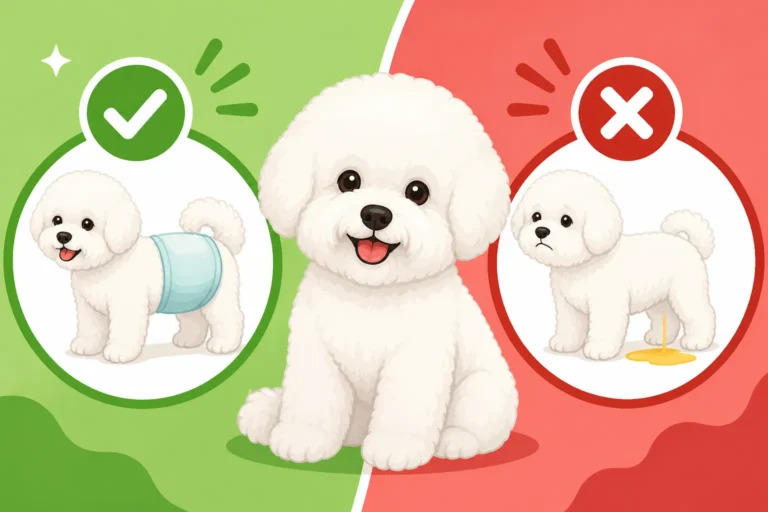
The core issue with potty pads, and why they often slow down future outdoor training, is that they teach your Bichon Frise two conflicting rules: it's okay to eliminate inside the house, but also, sometimes, outside the house. Imagine trying to learn a language where some days a word means one thing, and other days it means the opposite. It creates confusion, and dogs, much like us, thrive on consistency.
Conflicting Cues: Indoor vs. Outdoor Pottying
When you consistently allow your Bichon Frise to use a pad indoors, you're inadvertently teaching them that soft, absorbent surfaces inside the home are appropriate for elimination. To a dog, a potty pad isn't some magical "designated spot"; it's just a specific texture and smell that says "go here." This can lead to your Bichon Frise seeking out other similar textures – a bath mat, a rug, a pile of laundry – when a pad isn't available or they miss it. The distinct difference between "indoor toilet" and "outdoor toilet" becomes blurred. They don't inherently understand that one is a temporary solution and the other is the permanent goal. They simply learn that both are acceptable, depending on the immediate circumstances.
Environmental Generalization: Understanding Where to Go
Dogs generalize behaviors based on context. If your Bichon Frise learns to relieve themselves on a pad that smells of urine, they associate that smell and texture with the act of going potty. Then, when you try to transition them exclusively outside, they might struggle to understand why the rules have suddenly changed. The grass, pavement, or dirt outside doesn't have that familiar "potty pad" scent, nor does it feel the same under their paws. This lack of generalization means you're essentially retraining them from scratch, often at an older age when habits are more deeply ingrained. This is where many owners feel like their Bichon Frise is regressing or being stubborn, when in reality, the dog is just following the rules it was initially taught. It’s a classic case of mixed signals that can be very frustrating for both parties.
Bridging the Gap: Strategies for Transitioning Off Potty Pads
If you've already started with potty pads, don't despair! It's certainly possible to transition your Bichon Frise to exclusively outdoor pottying, but it requires patience, consistency, and a clear plan. Think of it as a gradual adjustment rather than an abrupt switch, which can minimize confusion and accidents.
The Gradual Move: Slowly Relocating the Pad
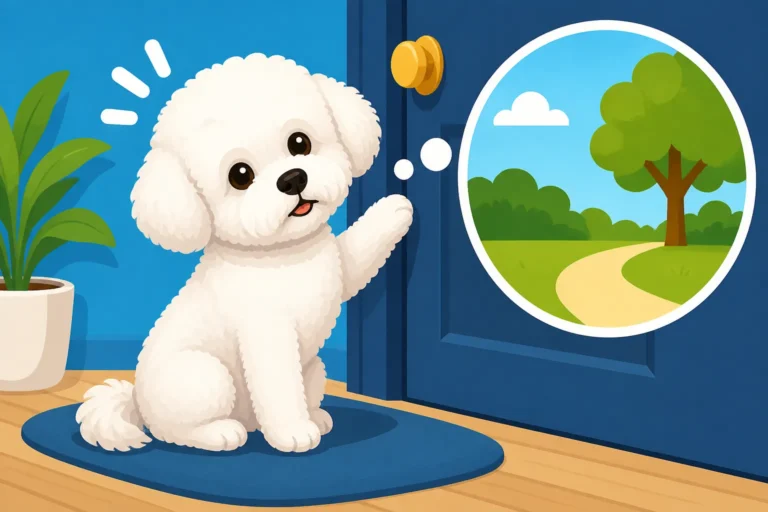
The key to transitioning off pads is to make the outdoor location the most appealing and accessible option. Start by very slowly moving the potty pad closer and closer to the door your Bichon Frise uses to go outside. This might mean moving it just a few inches each day, over the course of a week or two. Once the pad is right by the door, start moving it just outside the door, then further into the yard, or to your desired potty spot. Each time your Bichon Frise successfully uses the pad in its new location, offer enthusiastic praise and a high-value treat. Eventually, the pad can be phased out entirely, or at least reduced in size, reinforcing that the outdoor area is the true toilet. For some dogs, cutting the pad into smaller and smaller pieces can help, until they're just going on the ground where the pad used to be.
Positive Reinforcement: Rewarding Outdoor Success
Positive reinforcement is absolutely critical during this transition. Every single time your Bichon Frise goes potty outside, make it a huge celebration! Use happy, excited tones, offer their favorite treats immediately, and give lots of gentle praise. The goal is to make going outside the most rewarding experience possible. If they have an accident inside, don't scold them. Simply clean it up thoroughly with an enzymatic cleaner (like those found on Amazon) to eliminate the scent, and resolve to be more diligent with your supervision and outdoor trips. Your Bichon Frise will respond much better to being rewarded for good behavior than being punished for mistakes. Building on the successful habits is far more effective than dwelling on the missteps. A consistent, happy routine is exactly The Toilet Routine That Finally Works on a Bichon Frise.
Avoiding the Pad Trap: Starting Your Bichon Frise Outdoors from Day One
The most straightforward way to avoid the "two toilet" dilemma is to simply skip the pads altogether and commit to outdoor housetraining from the very beginning. While this requires more effort and vigilance upfront, it establishes clear expectations for your Bichon Frise and can lead to faster, more reliable housetraining in the long run.
Consistent Outdoor Schedule: The Foundation of Success
From the moment you bring your Bichon Frise puppy home, establish a strict and predictable potty schedule. Puppies need to go out frequently – after waking up, after eating, after playing, and before bed. For a young Bichon Frise, this might mean every 30 minutes to an hour initially. Keep track of their potty breaks and successes in a diary or a simple chart. This helps you learn their individual rhythm and anticipate their needs. Even if they don't seem to have to go, take them out on schedule. Take them to the exact same spot every time, as the scent cues will encourage them. A written schedule can be incredibly helpful for maintaining consistency, as Whether a Written Toilet Schedule Helps a Bichon Frise for many owners.
Crate Training and Supervision: Essential Tools for Bichon Frises
Crate training is an invaluable tool for housetraining a Bichon Frise, especially when you're aiming for outdoor-only pottying. Dogs are naturally reluctant to soil their sleeping area, so a properly sized crate becomes their "den." When you can't actively supervise your puppy, they should be in their crate for short periods. This prevents accidents and helps them learn to hold it. The moment they come out of the crate, take them directly outside. If you're struggling with implementing this, resources like BAXTER & Bella offer comprehensive online programs that can guide you through effective crate training and consistent routines.
Supervision is equally critical. Keep your Bichon Frise on a leash indoors if you can't watch them like a hawk. This allows you to interrupt any squatting attempts and immediately usher them outside. Recognize The First Signs a Bichon Frise Has Stones which can be very subtle, as accidents aren't always just about training. Never give them free rein of the house until they are reliably housetrained, which can take several months. For more on this, check out Whether Crate Training Works on a Bichon Frise.
Here's a quick comparison of potty pad training vs. outdoor-only training:
| Feature | Potty Pad Training (Initial) | Outdoor-Only Training (Initial) |
|---|---|---|
| Convenience | High (indoor option always available) | Moderate (frequent outdoor trips required) |
| Learning Curve | Teaches "indoor is okay" then "outdoor is okay" | Teaches "outdoor is always okay" |
| Accident Risk | Lower initial indoor accidents on floors | Higher initial indoor accidents off designated area |
| Effort | Less immediate supervision, more later retraining | More immediate supervision, less later retraining |
| Generalization | Can lead to confusion with other indoor surfaces | Clear understanding of outdoor environment |
| Transition | Requires active phasing out and retraining | No transition needed |
| Timeframe | Often extends overall housetraining time | Can lead to faster, more consistent results |
When Potty Pads Are (Reluctantly) Necessary for Your Bichon Frise
While the general recommendation is to avoid potty pads for housetraining whenever possible, there are specific situations where they might be a necessary evil or a practical compromise. These aren't ideal scenarios for primary housetraining, but rather exceptions to the rule.
Apartment Living and Inclement Weather: Practical Considerations
If you live in a high-rise apartment building and taking your tiny Bichon Frise puppy down multiple flights of stairs or an elevator every hour is simply not feasible, potty pads can offer a temporary solution during the critical early weeks. In such cases, the goal should still be to transition to outdoor elimination as soon as the puppy has more bladder control and can hold it longer. You might start by always taking them to a designated spot on a balcony if you have one, or even a specialized indoor "grass patch" that feels more like the outdoors.
Similarly, extreme weather conditions – blistering heat, heavy rain, or deep snow – can make outdoor potty breaks genuinely unpleasant or even unsafe for a small Bichon Frise. As Whether a Bichon Frise Refuses to Go Out in Rain highlights, they can be quite particular about weather. For those short-term, unavoidable situations, a potty pad can prevent accidents and discomfort. However, it's crucial to resume outdoor training as soon as conditions improve, ensuring it's seen as an occasional contingency, not the norm.
Medical Needs and Senior Bichon Frises: When Health Dictates Use
Sometimes, medical conditions can make consistent outdoor pottying a challenge. A Bichon Frise recovering from surgery, especially urinary tract surgery like the kind needed for stones (see What Stone Surgery Involves on a Bichon Frise), might have temporary incontinence or need to urinate more frequently than usual. In these cases, pads can provide a hygienic way to manage accidents while they heal.
For senior Bichon Frises, age can bring about a decline in bladder control or mobility issues, making frequent trips outside difficult or impossible. An older dog who is Whether an Old Bichon Frise Becomes Incontinent might benefit greatly from having an accessible indoor option, preserving their dignity and your floors. In these situations, pads are not a failure of training but a compassionate accommodation for a beloved pet's changing needs. Always discuss any sudden changes in your senior Bichon Frise's potty habits with your veterinarian to rule out underlying medical issues like kidney disease or cognitive dysfunction.
Ultimately, while potty pads offer immediate convenience, they often introduce confusion for your Bichon Frise, potentially slowing down the process of becoming reliably housetrained outside. For most Bichon Frise owners, a consistent, positive reinforcement-based approach focused on outdoor pottying from day one, coupled with effective supervision and crate training, remains the most efficient path to success.
Disclaimer
This article is for general informational purposes only and does not constitute professional advice. Laws, prices and regulations vary by location and change over time. Consult a qualified professional for guidance on your specific situation.