Whether an Undersocialized Bichon Frise Recovers
It's truly heartbreaking to realize your sweet Bichon Frise is struggling with the world around them, isn't it? Many of us dream of a confident, outgoing companion, but sometimes, through no fault of our own or theirs, our little fluffy friends develop fear, anxiety, or even aggression due to a lack of proper early exposure. If you're wondering if your undersocialized Bichon Frise can ever truly recover and lead a happy, adjusted life, this guide is for you. We'll explore what undersocialization means, why it happens, and what concrete steps you can take to help your beloved pet navigate a sometimes overwhelming world.
Understanding Undersocialization in Bichon Frises
When we talk about an "undersocialized" Bichon Frise, we're not just talking about a shy dog. We're describing a dog who missed crucial opportunities during their formative months to learn that the world isn't a scary place. For a small, sensitive breed like the Bichon, this can manifest in ways that are deeply concerning for owners, from constant barking at strangers to outright panic in new situations. It’s a profound struggle, and it's essential to understand that it's rarely about a "bad" dog; it’s about a dog who wasn't given the tools to cope.
Imagine a puppy born into a chaotic environment, maybe a puppy mill, where human contact is minimal, and the sounds they hear are mostly stress-inducing, not comforting. Or perhaps they were purchased from a well-meaning but uneducated owner who kept them isolated at home until they were much older, thinking they were protecting them. These early experiences—or lack thereof—sculpt their entire perception of safety and normalcy. The world becomes a vast, unpredictable, and frightening place, and their default response is often fear.
The Critical Puppyhood Window
For a Bichon Frise, just like any dog, there's a specific, non-negotiable window during puppyhood when they are most receptive to new experiences and learning that the world is safe. This "socialization window" typically runs from about 3 weeks to 16 weeks of age. During this time, puppies need gentle, positive exposure to a wide variety of sights, sounds, smells, people (of all ages and types), and other vaccinated, friendly dogs. They need to learn that the vacuum cleaner isn't a monster, that the mail carrier isn't a threat, and that friendly strangers often have treats.
If a Bichon puppy misses out on this crucial period—perhaps they came from a situation where they were confined, or an owner was overly protective due to their small size and perceived fragility—they can develop significant gaps in their understanding of normal environmental stimuli. Instead of curiosity, they develop apprehension. Instead of excitement, they learn to dread. This isn't just a minor hurdle; it's a fundamental deficit in their emotional development that requires immense dedication to address later on. You might have read about The First Year With a Bichon Frise Puppy, and much of that first year is about building this foundational confidence. When that foundation is missing, it creates deeper challenges.
Signs You Have an Undersocialized Bichon
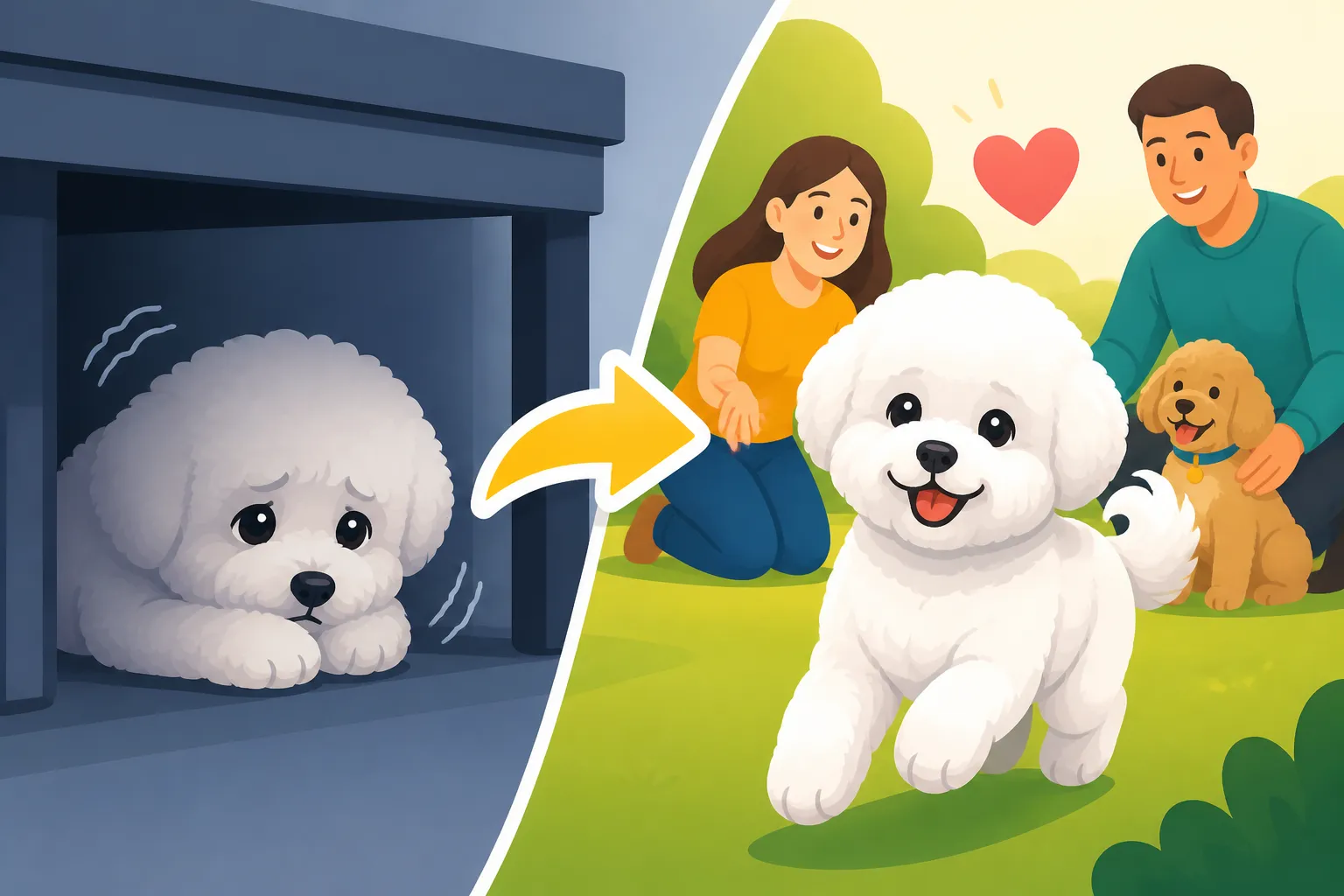
Recognizing the signs of undersocialization in your Bichon Frise is the first step toward helping them. It's not always overt aggression; often, it's a subtle but persistent anxiety. You might notice your Bichon trembling when a new person enters the room, barking incessantly at passersby outside the window, or hiding under furniture when an unfamiliar sound occurs. They might refuse to walk past certain objects on the street, become stiff or try to bolt when another dog approaches, or even snap if someone reaches for them too quickly.
These behaviors aren't attempts to be "naughty" or dominant; they are deeply rooted fear responses. An undersocialized Bichon might pant excessively, drool, or try to escape new situations. They might refuse food in novel environments, indicating a high level of stress. While the breed standard speaks of The Merry Temperament the Bichon Frise Standard Demands, an undersocialized Bichon often struggles to embody this, instead presenting as nervous, reactive, or withdrawn. If your Bichon lunges or barks at children, for instance, it's usually because they weren't properly introduced to children in a positive way during that critical window, leading them to perceive kids as unpredictable and scary rather than potential playmates.
The Recovery Journey: Is It Possible?
This is the big question, isn't it? And the honest answer is: yes, significant improvement is absolutely possible, but "recovery" is best thought of as a journey toward management and increased confidence, rather than a magical cure that makes all past issues disappear. Your Bichon Frise may never be the most outgoing dog at the dog park, but they can learn to feel safe, reduce their anxiety, and navigate their daily life with far less stress. It requires dedication, consistency, and a deep well of patience from you, their loving human.
One of the great strengths of the Bichon Frise is their intelligence and their deep bond with their people. These qualities, combined with their relatively small size, can be huge assets in this process. While it's a misconception to think that a small dog is automatically "easier" to train, their manageable size does mean that reactive behaviors are less physically daunting, allowing for safer, more controlled training scenarios. You're leveraging their desire to please you and their capacity for learning, even if that learning involves overcoming deep-seated fears.
Patience and Positive Reinforcement Are Paramount
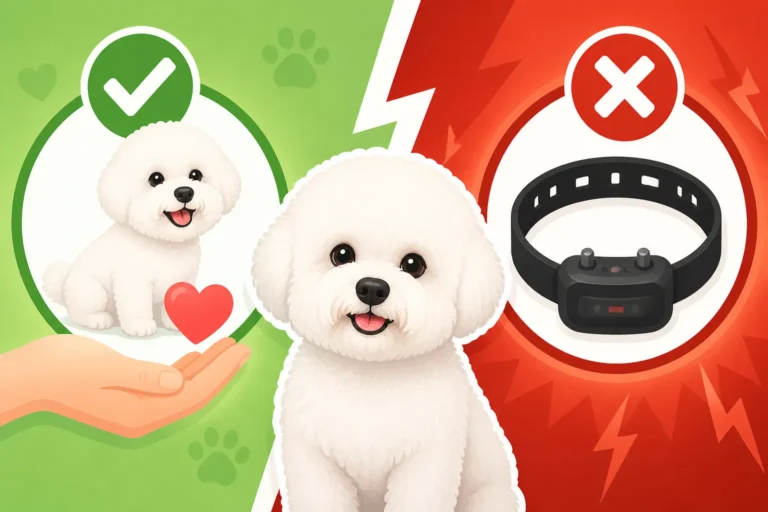
Forget any notion of "dominance" or trying to "show them who's boss" with an undersocialized dog. That approach will only escalate fear and damage trust. With an undersocialized Bichon, patience and positive reinforcement are not just good ideas; they are the only way forward. Every interaction, especially when encountering something they find scary, must be gentle, calm, and end on a positive note. We're talking about building new, positive associations to replace old, fearful ones.
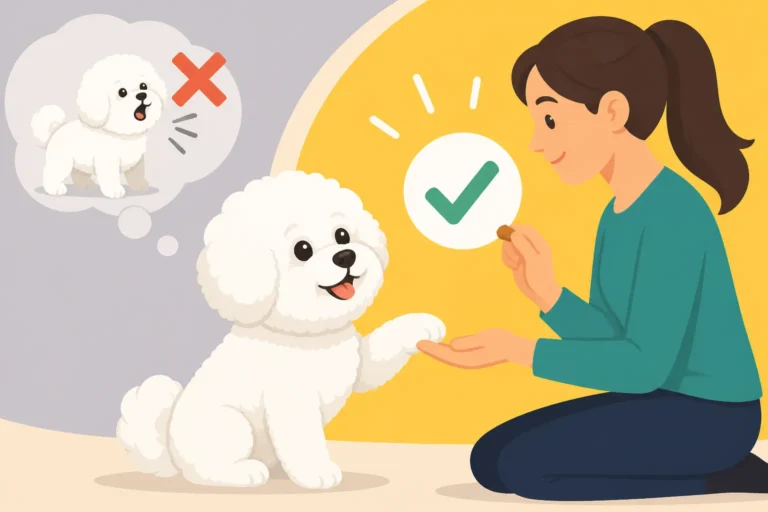
This means using high-value treats (think tiny bits of cooked chicken, cheese, or specialized training treats from your local pet store or found online through a retailer like Amazon) whenever your Bichon is exposed to something that normally triggers fear, even if they're just tolerating it from a distance. The goal is to make them think, "Oh, that scary thing means delicious chicken!" Keep sessions incredibly short, end before they get overwhelmed, and always let them "win" by moving away from the trigger if they show signs of distress. It's about empowering them to make good choices, not forcing them into situations they can't handle.
Gradual Exposure and Desensitization
The path to helping an undersocialized Bichon lies in carefully controlled, gradual exposure, also known as desensitization and counter-conditioning. This is a scientific, ethical approach that systematically reduces your dog's reaction to a fear-inducing stimulus. It's about showing them, bit by bit, that the world isn't so bad, and they are safe with you. This isn't about throwing them into a busy dog park and hoping for the best; that would be akin to throwing someone afraid of heights off a cliff.
Here's how it generally works: if your Bichon is terrified of other dogs, you might start by simply sitting with them on a bench across the street from a park where dogs are playing, far enough away that your Bichon notices but doesn't react negatively. The moment they glance at a dog without barking or trembling, you mark that moment with a verbal cue ("yes!") and immediately give them a super tasty treat. Over days, weeks, or even months, you might slowly decrease the distance, always staying below their threshold for fear. This slow, deliberate process rewires their brain. For owners looking for structured guidance, programs like BAXTER & Bella offer online resources and coaching that can be invaluable in mapping out these gradual exposure steps. They can help you identify triggers and design a specific plan for your unique situation, providing the reassurance and expertise many owners need.
Practical Strategies for Rebuilding Confidence
Helping an undersocialized Bichon Frise isn't about a single fix; it's about a multi-faceted approach, combining environmental management, positive training, and often professional guidance. It's about setting them up for success in every way possible, and constantly reinforcing that they are loved and safe. Consistency across all these areas is what truly makes a difference in building their confidence over time.
Think of it like rehabilitating a human with anxiety. We wouldn't expect them to overcome deep-seated fears overnight, and we'd provide them with tools and support. Your Bichon deserves the same. This means being mindful of their environment, understanding their limits, and celebrating every tiny step forward.
Creating a Safe and Predictable World
One of the most important things you can do for an undersocialized Bichon is to create a safe, predictable home environment. A consistent routine—feeding times, potty breaks, playtime—can provide a sense of security. Designate a "safe space" for them, like a crate in a quiet corner covered with a blanket, where they can retreat when feeling overwhelmed. This isn't a punishment; it's their sanctuary. If you are considering Whether Crate Training Works on a Bichon Frise, for an undersocialized dog, a crate can be a fantastic tool for creating a secure den.
Minimizing unexpected triggers in the home is also key. If the doorbell causes panic, practice having friends knock softly, or even just simulate the sound quietly on your phone, rewarding calm behavior. For walks, if busy streets are overwhelming, seek out quieter paths or walk during off-peak hours. Sometimes, calming aids can offer support. You can find things like thunder shirts or pheromone diffusers on platforms like Amazon that some owners report help reduce anxiety in their dogs. These aren't magic bullets, but they can be part of a larger strategy to make your Bichon feel more secure.
Enlisting Professional Help
While many general dog training principles apply, an undersocialized Bichon Frise often benefits immensely from professional guidance. A certified professional dog trainer (CPDT-KA) or a veterinary behaviorist has specialized knowledge in fear, anxiety, and aggression. They can assess your Bichon's specific triggers, severity of fear, and individual learning style, then develop a tailored behavior modification plan. Trying to navigate these complex issues alone can be overwhelming, frustrating, and sometimes even counterproductive if done incorrectly.
A good professional will prioritize your dog's emotional well-being and use only force-free, positive reinforcement methods. They can teach you how to read your Bichon's subtle body language, which is crucial for identifying when they are stressed before a full-blown reaction occurs. They might recommend specific exercises, such as "look at that" games, where your dog learns to look at a trigger and then immediately look back at you for a reward. They can also help determine if medication might be a beneficial short-term tool to reduce anxiety and allow your Bichon to be more receptive to training, especially in severe cases. This kind of expert support can be invaluable, especially if you're dealing with issues like Whether a Bichon Frise Cries When You Leave due to separation anxiety rooted in insecurity.
Long-Term Management and Realistic Expectations
Helping an undersocialized Bichon Frise is not a short-term project; it's a commitment for life. While you can expect significant improvements, it’s important to set realistic expectations. Your Bichon may never be the life of every party, and that's perfectly okay. The goal is for them to be a happy, confident dog within the context of their capabilities and comfort level, not to transform them into something they're not. This ongoing dedication and understanding will foster the deepest bond between you two.
Celebrate every small victory – a walk where they ignored a trigger, a moment of calm around a new person, or simply choosing to relax in the living room instead of hiding. These are huge achievements for a dog that has spent much of its life in fear. Your belief in them, combined with consistent effort, is the most powerful tool you have.
The Role of a Stable Home Environment
The stability and calmness of your home environment are foundational to your undersocialized Bichon's progress. Think about your daily routines: are they consistent? Is your home generally peaceful, or is there a lot of chaos and unpredictability? A dog struggling with anxiety thrives on knowing what to expect. This doesn't mean you have to walk on eggshells, but it does mean being mindful of how your actions and the household atmosphere affect your sensitive companion.
If your Bichon has developed anxiety around being left alone, providing a calm departure routine and a safe, comfortable space can help immensely. For example, leaving a puzzle toy filled with treats when you leave can distract them. Ensuring they get appropriate mental and physical exercise that doesn't overwhelm them is also critical. A tired dog, even an anxious one, tends to be a calmer dog. If you've wondered What Bichon Frise Owners Wish They Had Known before getting their pup, often managing early socialization and anxiety features high on that list.
Understanding Your Bichon's Limits
Ultimately, a significant part of "recovery" for an undersocialized Bichon Frise is about accepting who they are and helping them thrive within their unique personality. Not every dog is meant for bustling city walks, crowded cafes, or boisterous dog parks. For your Bichon, happiness might look like quiet walks in nature, safe playtime with one or two familiar, calm dog friends, and plenty of cuddles at home. It's about finding their happy medium and respecting it.
Your Bichon may never be entirely without apprehension in new situations, but with your loving guidance, they can learn coping mechanisms and trust that you will keep them safe. The joy comes from seeing them gain confidence, even if it’s just a little bit at a time, and knowing that you've given them the gift of feeling more secure in their world. And that's a truly wonderful thing.
| Behavior Indicating Undersocialization | Possible Underlying Emotion | Initial Owner Response |
|---|---|---|
| Excessive barking at strangers | Fear, territoriality | Increase distance, reward quiet |
| Hiding under furniture/behind owner | Fear, insecurity | Provide safe space, avoid forcing interaction |
| Lunging or growling at other dogs | Fear, defensive aggression | Avoid direct confrontation, create space, use positive reinforcement |
| Refusing to walk/freezing on walks | Overwhelm, fear of novelty | Reduce stimuli, short positive outings, carry if necessary |
| Excitement urination upon greeting | Overstimulation, anxiety | Keep greetings calm, ignore until settled |
| Shaking, panting, drooling in new places | High anxiety, panic | Remove from situation, desensitize gradually at distance |
| Snapping when touched unexpectedly | Fear, pain (rule out medical) | Learn body language, approach slowly, condition positive touch |
Disclaimer
This article is for general informational purposes only and does not constitute professional advice. Laws, prices and regulations vary by location and change over time. Consult a qualified professional for guidance on your specific situation.