The Tear Stains Under a Bichon Frise’s Eyes
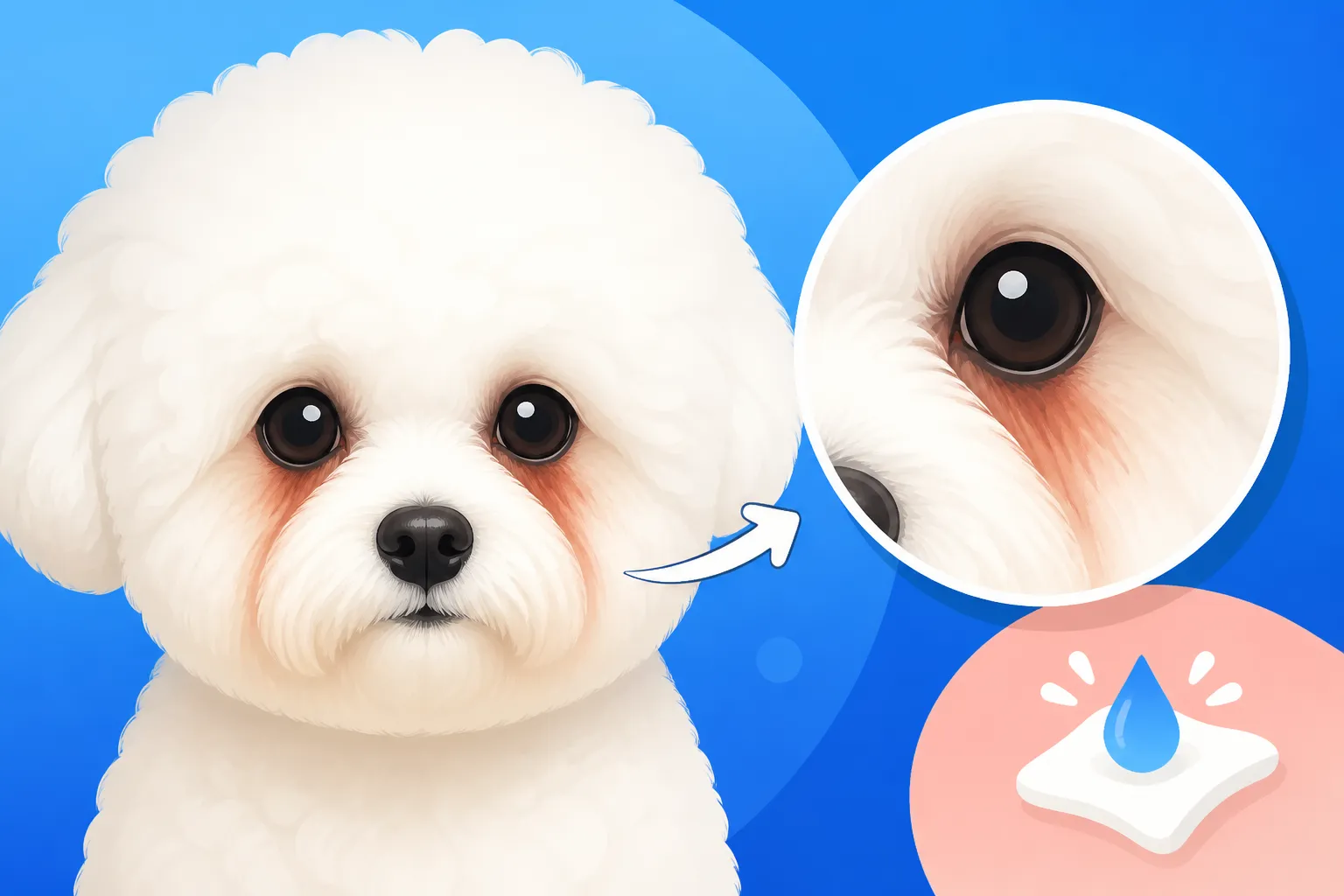
One of the most common, and frankly, most frustrating, challenges of living with a beautiful white Bichon Frise is battling those persistent reddish-brown tear stains that seem to appear almost overnight. You start with this pristine, cloud-like puppy, and before you know it, their adorable little face is streaked, making them look perpetually sad or dirty. It's not just an aesthetic issue; those stains can signal discomfort or even underlying health concerns. This comprehensive guide will dive deep into why these stains happen, what you can do about them, and how to keep your Bichon Frise's face as bright and clean as their cheerful personality deserves.
Understanding Bichon Frise Tear Stains: More Than Just a Cosmetic Issue
It’s easy to dismiss tear stains as just a minor cosmetic annoyance, but for a Bichon Frise, they can be much more than that. The very structure of their sweet faces and the nature of their luxurious white coats make them particularly susceptible. Understanding the 'why' behind the stains is the first step in effectively managing them.
The Anatomy of a Bichon Frise Eye and Tear Production
To really get a handle on tear stains, we need to talk a little about how your Bichon's eyes work. Like all dogs, Bichons produce tears to keep their eyes lubricated, clean, and healthy. These tears are produced by lacrimal glands and are typically drained away through tiny ducts located in the inner corner of the eye, near the nose. This drainage system is generally very efficient. However, in many small breeds, including our beloved Bichons, this system isn't always perfect.
Sometimes, these drainage ducts can be partially blocked, or the openings are simply too small to handle the normal volume of tear production. Imagine a sink with a slow drain – the water starts to pool. In a Bichon, this pooling means tears overflow onto the fur around the eyes rather than draining internally. This overflow, known as epiphora, is the primary reason for the persistent wetness that leads to staining. On top of that, some Bichons naturally have shallower eye sockets or prominent eyes, which can also contribute to tears spilling out rather than funneling into the drainage system. It's a combination of genetics and their adorable facial structure that sets them up for this common issue. You might also want to look into Whether a Bichon Frise's Tear Ducts Block for more detailed information on this aspect.
Why Bichon Frises Are Prone to Staining
So, why are Bichons seemingly at the top of the list for tear staining? It comes down to a perfect storm of factors. First, that beautiful, snow-white coat, while stunning, is also a double-edged sword. Any discoloration, no matter how minor, shows up dramatically against white fur. On a darker dog, you might never even notice the staining, but on a Bichon, it's immediately obvious.
Secondly, their fine, often curly hair around the eyes can act like a wick, drawing moisture from the tear film outwards and holding it against the skin. This creates a constantly damp environment, which is ripe for problems. The mineral content in tears, along with proteins, can react with light and air, oxidizing and leading to that reddish-brown hue. But it's not just the tears themselves causing the color; that damp environment is also a breeding ground for yeast and bacteria, which we'll discuss next. These microorganisms, particularly the red yeast called Pityrosporum, produce pigments that significantly intensify the reddish-brown staining, turning it into that stubborn, almost rust-colored mess we all recognize.
Common Causes Behind Those Pesky Reddish-Brown Streaks
While the appearance of tear stains is universal among Bichon owners, the root causes can be surprisingly varied. It's not always just "too many tears." Pinpointing the specific reason for your Bichon's staining is crucial for finding the most effective solution.
Epiphora and Excessive Tearing
Epiphora, or excessive tearing, is often the first culprit we think of when we see tear stains. It means the tears are overflowing onto the face instead of draining properly. As we touched on, a common reason for epiphora in Bichons is conformation – their genetic makeup. Their small, sometimes slightly prominent eyes, coupled with shallow tear ducts or tear duct openings (punctae) that are just too tiny or even completely absent, means there's nowhere for the tears to go but down their face. Sometimes, the eyelids themselves can be an issue. If the eyelids roll inward (entropion) or outward (ectropion) even slightly, or if there's an extra row of eyelashes (distichiasis) that irritates the eye, tear production can increase as the eye tries to flush out the irritant, leading to more overflow.
Environmental irritants also play a huge role. Think about it: dust, pollen, smoke, even harsh cleaning products in your home can irritate your Bichon's sensitive eyes, causing them to water excessively. A breezy day on a walk might cause more tearing, or perhaps a sudden change in season brings new allergens into the air. Keeping their environment clean and free from irritants can make a noticeable difference. It’s a constant battle, but being mindful of what might be making their eyes water more than usual is a great starting point for managing the problem.
Yeast and Bacterial Infections
Here's where the staining gets really stubborn and often acquires that dark, reddish-brown color and even a slight odor. When tears constantly wet the fur around the eyes, it creates a warm, moist environment – basically, a perfect little petri dish for yeast and bacteria to thrive. The most common culprit is a yeast called Malassezia or Pityrosporum, which naturally lives on dog skin but can overgrow in damp conditions. This yeast produces a reddish-brown pigment, and when it mixes with the natural minerals in tears, it creates those unmistakable, deep rust-colored stains.
Bacterial infections, while less common as the primary cause of staining, can certainly exacerbate the issue. If your Bichon has persistent tearing, bacteria like Staphylococcus can move in, leading to skin irritation, redness, and even a secondary skin infection (pyoderma) under the stained fur. This isn't just cosmetic; it can be itchy, uncomfortable, and even painful for your dog. You might notice your Bichon rubbing their face more, and the area might feel warm to the touch. This is why addressing the underlying wetness is so important, because it removes the ideal breeding ground for these opportunistic organisms. For more on related skin issues, check out Whether a Bichon Frise Gets Yeast on Its Skin.
Diet, Water, and Underlying Health Conditions
Believe it or not, what goes into your Bichon's body can significantly impact tear staining. Many owners report a reduction in staining when they switch to a high-quality, grain-free diet with fewer artificial additives and fillers. The theory is that some ingredients, or poor-quality ingredients, can lead to systemic inflammation or simply an imbalance in the dog's body, which in turn affects tear composition or overall health. Some speculate that certain minerals or by-products in cheaper foods might even contribute to the pigments in tears. Fresh food options, like those offered by Ollie, are popular with some owners for improving overall health and, anecdotally, reducing tear stains.
Water quality is another often-overlooked factor. Tap water, especially if it's high in minerals like iron and chlorine, can react with tears and exacerbate staining. Many owners find success by switching their Bichon to filtered water or bottled water. Using a ceramic or stainless steel bowl instead of plastic can also help, as plastic bowls can harbor bacteria and tiny scratches, which can then be transferred to your dog's mouth and potentially irritate their system. Whether Filtered Water Reduces a Bichon Frise's Staining is a good read if you're exploring this option. Beyond diet and water, certain underlying health conditions can also cause or worsen tear staining. Dental disease, for example, can cause inflammation that irritates the tear ducts. Ear infections, even minor ones, can sometimes lead to increased tearing on the affected side due to nerve pathways. Even allergies, whether environmental or food-related, can cause itchy, watery eyes, contributing to the problem. If you suspect an underlying health issue, a vet visit is always the best course of action.
The Impact of Tear Stains on Your Bichon Frise's Health and Comfort
It's easy to focus on the appearance of tear stains, but it's vital to remember that these aren't just ugly marks. They can genuinely impact your Bichon Frise's physical comfort and overall well-being. Ignoring them can lead to more serious problems down the line.
Skin Irritation and Dermatitis
The constant dampness from overflowing tears creates a perfect storm for skin irritation. Imagine having wet skin all day, every day – it would get raw, itchy, and uncomfortable, right? The same goes for your Bichon. The skin under those stained areas, especially in the folds near the nose and around the inner corners of the eyes, can become inflamed and tender. This condition is called dermatitis. It can manifest as redness, hair loss in the affected area, and sometimes even small pustules or scabs.
This irritation leads to a vicious cycle: the discomfort causes your Bichon to rub or scratch at their face, which further irritates the skin, potentially introducing more bacteria and making the problem worse. It's not uncommon for these areas to develop secondary bacterial or yeast infections, which only adds to their misery. What started as a cosmetic stain can quickly escalate into a genuine dermatological issue that requires veterinary attention and targeted treatment. Validating your frustration here is important because it truly is frustrating to see your happy-go-lucky Bichon scratching at their face because of something that seems so simple.
Odor and Hygiene Concerns
Another unwelcome consequence of chronic tear staining is the development of an unpleasant odor. That constantly damp, yeasty environment around the eyes doesn't just look bad; it often smells bad too. The combination of stale tears, bacterial growth, and yeast can create a musty, sometimes slightly sweet or pungent smell that can be quite noticeable, especially when you're cuddling your furry friend. This odor isn't just off-putting; it's a clear indicator that there's an active microbial population thriving on your dog's face.
Beyond the smell, the hygiene concerns are significant. The matted, stained fur can become stiff and crusty, trapping dirt, debris, and more moisture. This makes the area incredibly difficult to keep clean and can lead to further skin breakdown. Regular cleaning becomes not just about appearance but about preventing infections and maintaining your dog's overall cleanliness and health. It highlights why daily attention to this area is non-negotiable for a Bichon Frise owner.
Vision Obstruction (in severe cases)
While less common, in severe and prolonged cases, tear staining can actually lead to some degree of vision obstruction. If the fur around the eyes is constantly soaked, matted, and crusted, it can eventually stick together and even grow into the dog's line of sight. Imagine trying to see through a constantly matted, dirty fringe. While Bichons have excellent peripheral vision, direct obstruction can impact their ability to see clearly, especially when navigating close-up or interacting with toys.
This matted fur can also rub against the cornea, causing constant irritation to the eye itself. Over time, chronic irritation can lead to more serious eye issues, such as corneal ulcers or conjunctivitis. These conditions are painful and can, if left untreated, lead to permanent vision damage. Therefore, maintaining clear vision and preventing eye irritation is another critical reason why proactively managing tear stains is an essential part of responsible Bichon Frise care. Regular attention helps prevent these minor annoyances from escalating into major health problems. If you're concerned about vision or eye health, reading Whether a Bichon Frise Gets Corneal Ulcers could offer further insight.
Daily Grooming Habits to Tackle Tear Stains Head-On
Effective tear stain management isn't a one-time fix; it's an ongoing commitment to daily care. Establishing a consistent grooming routine is paramount to keeping those stains at bay and ensuring your Bichon's comfort.
Gentle Daily Wiping and Cleaning Techniques
This is your first line of defense! Daily wiping is absolutely essential for a Bichon Frise prone to tear stains. The goal is to remove fresh tears and minimize the damp environment that bacteria and yeast love. You'll want to use a soft, lint-free cloth or a dedicated eye wipe. Many commercial wipes are available on platforms like Amazon or Chewy, specifically designed for gentle eye cleaning. Look for ones that are fragrance-free and alcohol-free to avoid irritation.
The technique is crucial: gently wipe the area from the inner corner of the eye outwards, always using a fresh part of the cloth or a new wipe for each eye to prevent cross-contamination. Don't rub harshly; instead, use a dabbing motion to absorb moisture and gently loosen any dried crust. For stubborn crusts, you can dampen the area with a little warm (not hot!) water first to soften them before wiping. Consistency is key here. Just like we wash our faces daily, your Bichon needs this routine to prevent stains from taking hold. Think of it as preventative maintenance that saves you a bigger headache later. You might wonder How Long Brushing a Bichon Frise Takes, and while this is different, the principle of regular, gentle care applies across grooming aspects.
The Right Tools for the Job
Having the correct tools makes all the difference in making this daily routine easier and more effective. Forget rough paper towels or abrasive cloths.
Here's what you'll want in your tear stain arsenal:
- Soft, Lint-Free Wipes or Cotton Pads: These are indispensable. Choose wipes specifically designed for pet eyes to ensure they are safe and gentle. You can find these easily at pet stores or online retailers like Chewy.
- Fine-Toothed Comb (Flea Comb): A small, metal flea comb is excellent for gently combing out any dried tear crusts or separating matted hairs around the eyes. Be incredibly careful not to poke your dog's eye! Use it only after the area has been softened by a damp wipe.
- Eye Wash Solution: A sterile saline solution, similar to what humans use for contact lenses (but ensure it's preservative-free and safe for pets), can be very helpful for flushing out any debris or excess tears. Apply it to a cotton ball and gently dab around the eye.
- Stain Removers (with caution): There are many topical stain remover solutions available. Some contain mild oxidizing agents or gentle cleansers. Always read labels carefully, ensuring they are safe for use around the eyes and free of harsh chemicals or antibiotics. Test a small area first to check for any adverse reactions.
Remember, the goal is gentle cleaning and maintenance, not harsh scrubbing. Investing in good quality tools will make the process less stressful for both you and your Bichon.
Trimming the Hair Around the Eyes
This is a step that often gets overlooked but can make a huge difference, especially for Bichons with particularly long or thick hair around their eyes. Those long strands can act like sponges, soaking up tears and holding moisture against the skin, intensifying staining and irritation. Carefully trimming this hair can significantly reduce the surface area for tears to cling to.
You'll need small, blunt-tipped scissors, specifically designed for pet grooming around sensitive areas. It's best to do this when your Bichon is calm and relaxed, perhaps after a walk or cuddle session. Gently hold their muzzle to keep their head still, and use your fingers to pull the hair away from the eye itself. Trim only the very tips of the hair that are directly in the path of the tear flow or are excessively long and prone to matting. Never cut hair that is too close to the eyelid, and always point the scissors away from the eye. If you're nervous about doing this yourself, your professional groomer can easily take care of it during your regular appointments. A good groomer understands the importance of this careful trimming for both aesthetics and hygiene.
Dietary Adjustments and Water Quality: A Holistic Approach
When battling tear stains, it's not just about what you apply topically; it's also about what goes into your Bichon's body. A holistic approach that considers diet and water quality can yield impressive results for many owners.
The Role of Food Ingredients in Staining
Just like with us, what our dogs eat directly impacts their overall health, and this can extend to tear stains. Many anecdotal reports from Bichon Frise owners suggest that certain ingredients in commercial dog foods can contribute to tear staining. Specifically, foods high in artificial colors, preservatives, fillers like corn and wheat, or lower-quality protein sources are often flagged. The theory is that these ingredients may cause a mild inflammatory response in the body, which can alter tear composition or increase tear production, leading to more staining.
Switching to a high-quality, limited-ingredient diet, often grain-free, with a single novel protein source (like duck or lamb, if your dog hasn't had them before), can sometimes make a noticeable difference. Brands like Ollie focus on fresh, human-grade ingredients, which some owners find beneficial for reducing overall inflammation and improving their dog's coat and eye health. Always introduce new foods gradually to avoid upsetting your Bichon's stomach. It's a process of trial and error, but paying close attention to ingredients can uncover a hidden cause of your dog's persistent stains. Remember, a healthy gut often means a healthy dog, and that can reflect in clearer eyes.
Improving Water Quality and Intake
This might sound like a small detail, but water quality can truly play a role in tear staining. Tap water in many areas contains minerals like iron, magnesium, and chlorine. When these minerals are present in your dog's tears and constantly wet the fur, they can oxidize upon exposure to air and sunlight, contributing to that reddish-brown discoloration. Some theories even suggest that the dissolved solids in tap water can contribute to bacteria and yeast growth.
Many Bichon owners swear by giving their dogs only filtered water or bottled spring water. You can use a Brita filter pitcher or even install a faucet filter to improve the quality of your dog's drinking water. Another key aspect is encouraging adequate water intake. Well-hydrated dogs tend to have healthier systems overall, and proper hydration helps to dilute waste products in the body, which might, in turn, lead to less concentrated tears. Consider adding a few drops of salmon oil to their food or offering wet food (many prescription urinary foods come in wet form, which is great if your Bichon has stone history). A pet water fountain, available on Amazon or Chewy, can also entice some dogs to drink more, as they are often attracted to moving water. Anything that encourages them to drink more and ensure they're drinking clean water can contribute to clearer eyes.
Safe and Effective Supplements (with caution)
The market is flooded with supplements claiming to eliminate tear stains, and it's a minefield for concerned pet parents. While some natural supplements can be helpful, it's crucial to approach them with caution and always discuss them with your vet first. Many popular tear stain supplements in the past contained antibiotics like Tylosin, which, while effective at reducing staining (by killing bacteria and yeast), are now widely discouraged due to concerns about antibiotic resistance and potential side effects. These are absolutely to be avoided unless prescribed by a vet for a specific bacterial infection, and even then, long-term use for cosmetic reasons is not advisable.
On the safer side, some owners have reported success with natural supplements that aim to support overall health and reduce inflammation. These might include probiotics to promote gut health, which can indirectly impact tear composition, or antioxidants like cranberry extract. Some specific enzymes are also marketed as tear stain reducers. The key is to choose products from reputable manufacturers, understand the ingredients, and have realistic expectations. No supplement is a magic bullet, and they should always be used as part of a comprehensive approach that includes daily cleaning and addressing any underlying health issues. Never give your Bichon a supplement without your veterinarian's approval, especially since some can interact with other medications or existing health conditions.
When to Seek Veterinary Help: Recognizing Red Flags
While many tear stain issues can be managed at home, there are definite red flags that indicate it's time to call your veterinarian. Ignoring these signs could lead to more serious health problems for your Bichon Frise.
Signs That Warrant a Vet Visit
It's important to differentiate between routine tear staining and signs of a deeper problem. If you notice any of the following, don't delay in scheduling an appointment with your vet:
- Sudden Increase in Tearing: If your Bichon's eyes suddenly start watering much more than usual, especially if it's accompanied by squinting, pawing at the face, or a change in temperament, it could indicate pain or irritation.
- Thick or Discolored Discharge: While tear stains are often reddish-brown, a discharge that is green, yellow, or excessively thick and pus-like is a strong indicator of a bacterial infection in the eye itself, not just on the fur.
- Redness or Swelling of the Eye/Eyelid: Any noticeable redness in the whites of the eyes (conjunctivitis), or swelling of the eyelids or surrounding tissues, warrants immediate veterinary attention.
- Changes in Eye Appearance: If one eye looks different from the other (e.g., cloudy, dilated pupil, excessive blinking) or if you see a visible foreign object, don't try to remove it yourself.
- Strong, Foul Odor: While a mild yeasty smell can accompany stains, a truly foul, pungent odor suggests a more serious bacterial overgrowth or infection in the skin folds.
- Pain or Discomfort: If your Bichon seems sensitive when you try to clean their face, pulls away, or shows any signs of pain, there might be an active infection or irritation that needs medical treatment.
- Hair Loss or Raw Skin: If the skin under the stained fur is becoming raw, irritated, developing scabs, or showing significant hair loss, it's dermatitis that needs veterinary intervention to prevent further infection and discomfort.
- Staining on one side only: While some dogs stain on both sides, if your Bichon suddenly starts staining much more on just one side, it could indicate a specific issue with that eye or tear duct.
Remember, your Bichon can't tell you if they're in pain, so it's up to you to be vigilant for these signs. Early intervention can prevent minor issues from becoming major problems.
Diagnosing Underlying Eye and Health Issues
When you take your Bichon Frise to the vet for tear stain concerns, especially if red flags are present, your vet will perform a thorough examination. They're not just looking at the stains; they're looking for the cause. This often starts with a general physical exam to rule out systemic issues like allergies or dental disease. Then, they'll focus on the eyes.
Common diagnostic tests might include:
- Schirmer Tear Test: This measures tear production to see if your Bichon is producing too many or too few tears (dry eye can also cause irritation and secondary staining).
- Fluorescein Stain Test: A special dye is applied to the eye to check for corneal ulcers or scratches on the surface of the eye, which can cause increased tearing.
- Ophthalmoscopic Exam: The vet will use a special light to look into the eye and assess its internal structures, checking for any abnormalities.
- Nasolacrimal Duct Flush: If blocked tear ducts are suspected, the vet might attempt to flush the ducts with sterile saline to clear them. This is often done under light sedation.
- Examining Eyelid Conformation: They'll check for issues like entropion (inward rolling eyelids), ectropion (outward rolling eyelids), or extra eyelashes that might be irritating the eye.
- Skin Scraping/Cytology: If there's significant skin irritation or infection under the stains, your vet might take a small sample to look for yeast or bacteria under a microscope, helping them choose the right medication.
All of these steps help your vet get to the bottom of why your Bichon is staining, allowing for a targeted and effective treatment plan rather than just masking the symptoms. For further reading, you might find Whether a Bichon Frise Needs a Yearly Eye Exam insightful.
Medical Treatments and Procedures
Once a diagnosis is made, your vet will recommend appropriate medical treatments or procedures. These can vary widely depending on the underlying cause:
- Antibiotics/Antifungals: If a bacterial or yeast infection is confirmed on the skin or in the eye, your vet will prescribe topical ointments, drops, or even oral medications to clear the infection. These are crucial for addressing discomfort and smell.
- Anti-inflammatory Medications: For severe dermatitis or eye irritation, anti-inflammatory drops or oral medications might be used to reduce swelling and discomfort.
- Tear Duct Surgery: If blocked tear ducts are the primary issue and flushing doesn't resolve it, surgical intervention might be considered. This could involve enlarging the puncta (tear duct openings) or correcting other structural abnormalities. This is usually a last resort for severe, chronic issues.
- Eyelid Surgery: For conformational issues like entropion or ectropion, or to remove irritating extra eyelashes, surgical correction might be recommended to prevent ongoing irritation and excessive tearing.
- Allergy Management: If allergies are the root cause, your vet might suggest allergy testing, specific allergy medications, or even immunotherapy shots to manage the allergic response. Whether Allergy Treatment Can Avoid Steroids is a related topic you might explore.
Remember, every Bichon is an individual, and the best treatment plan will be tailored to your dog's specific needs and the exact cause of their tear stains. It’s a partnership between you and your vet to ensure your furry friend is both happy and healthy.
Dispelling Myths and Avoiding Harmful Remedies
The internet is full of advice, and when it comes to tear stains, there's a lot of misinformation and outright dangerous "cures" floating around. It's crucial to be discerning and prioritize your Bichon's health above quick fixes.
Why "Miracle Cures" Can Be Dangerous
The promise of a "miracle cure" for tear stains is incredibly appealing when you're dealing with stubborn discoloration. Unfortunately, many of these products, particularly older formulations or those from less reputable sources, can be incredibly dangerous. The most significant concern revolves around products that contain antibiotics, such as Tylosin. While these products can indeed make the stains disappear quickly by killing the bacteria and yeast that contribute to the color, they come with serious risks.
Long-term, indiscriminate use of antibiotics, especially without a specific diagnosis of a bacterial infection, contributes to antibiotic resistance. This means that when your Bichon really needs antibiotics for a serious illness, they might not work as effectively. Furthermore, antibiotics can disrupt your dog's natural gut flora, leading to digestive issues and other health problems. Beyond antibiotics, some "miracle cures" might contain harsh bleaching agents or chemicals that are simply not safe for use around a dog's delicate eyes. Always be skeptical of products that promise instant results or don't list all their ingredients clearly. If it sounds too good to be true, it probably is. Your Bichon's health is too important to risk with unverified remedies.
The Dangers of Antibiotic-Based Stain Removers
Let's reiterate this because it's so important: steer clear of any tear stain remover that contains antibiotics like Tylosin, unless it's been specifically prescribed by your veterinarian for a diagnosed bacterial infection and is used under their strict guidance. These products were once widely available over-the-counter and often marketed as harmless ways to achieve a pristine white face. However, the veterinary community now overwhelmingly advises against their use for cosmetic purposes.
The main danger, as mentioned, is the contribution to antibiotic resistance. Every time antibiotics are used unnecessarily, we increase the chances of bacteria developing resistance to them. This isn't just a concern for your dog; it's a public health issue. Beyond resistance, long-term antibiotic use can have side effects. It can alter the delicate balance of beneficial bacteria in your dog's gut, potentially leading to chronic digestive problems, weakened immunity, and even the overgrowth of other harmful organisms. So, while you might see a temporary improvement in the staining, you could be setting your Bichon up for more serious health challenges down the road. It’s a trade-off that's simply not worth it for cosmetic reasons.
Natural Remedies: What Works and What Doesn't
Many owners understandably turn to natural remedies hoping for a safe and gentle solution. Some natural approaches can indeed be beneficial, while others are either ineffective or, in some cases, surprisingly risky.
What might work (with caution and vet approval):
- Probiotics: Supporting gut health with a good quality probiotic can sometimes indirectly help reduce staining by improving overall systemic balance and immunity. A healthy gut means a healthier dog, and this can sometimes reflect in tear composition.
- Cranberry Extract: Some owners report mild success with cranberry extract, which is thought to acidify the urine and potentially inhibit bacterial growth, similar to its use for urinary tract infections. However, the evidence for tear stains is largely anecdotal.
- Filtered Water: As discussed, removing minerals and chlorine from drinking water can help reduce the chemical reaction that leads to staining. This is a safe and often effective change.
- Dietary Changes: Switching to a high-quality, whole-food diet free of artificial additives can reduce systemic inflammation and improve overall health, which may lessen staining.
- Colloidal Silver: Some holistic practitioners suggest topical colloidal silver for its purported antimicrobial properties. However, its efficacy and safety for eye use are debated, and it should only be considered under professional guidance.
What to avoid or what generally doesn't work (and can be risky):
- Apple Cider Vinegar (ACV) or Lemon Juice: Never, ever apply acidic substances like ACV or lemon juice directly to your dog's eyes or surrounding skin. They are highly irritating and can cause severe pain, chemical burns, or even permanent eye damage. While diluted ACV in water is sometimes suggested, its effectiveness for staining is unproven and too acidic for regular consumption.
- Hydrogen Peroxide: This is a bleaching agent and is far too harsh for delicate eye tissue. It can cause severe irritation and potential damage.
- Human Eye Drops: Unless specifically instructed by your vet, do not use human eye drops. They might contain ingredients harmful to dogs.
- Dairy Products (e.g., yogurt): While yogurt contains probiotics, feeding dairy to dogs can often lead to digestive upset, and it's not a targeted solution for tear stains.
- Cornstarch or Talcum Powder: These can dry the area but can also clump, trap bacteria, and if inhaled or get into the eye, can cause irritation or infection.
Always prioritize safety and consult your vet before trying any new remedy, natural or otherwise. A comprehensive approach involves consistent cleaning, dietary considerations, and veterinary oversight when necessary.
Here's a quick comparison of common tear stain remedies:
| Remedy Type | Mechanism/Goal | Pros | Cons | Vet Recommendation |
|---|---|---|---|---|
| Daily Wipes | Removes fresh tears, prevents microbial growth | Safe, gentle, effective for prevention & mild stains | Requires consistency, doesn't address underlying causes | High |
| Filtered Water | Reduces mineral deposits, cleaner tears | Safe, easy to implement, promotes hydration | May not be sufficient alone, results vary | High |
| High-Quality Diet | Reduces inflammation, improves tear composition | Holistic health benefits, can significantly reduce staining | Can be costly, results take time, requires consistency | High |
| Topical Cleansers | Dissolves existing stains, gentle antiseptic | Targeted stain removal, can improve hygiene | Some contain harsh chemicals, need to choose carefully, only addresses symptom | Moderate |
| Antibiotic Supplements | Kills bacteria/yeast, removes color quickly | Fast results (cosmetic) | Severe risk of antibiotic resistance, gut issues, not for long-term use | Low (unless prescribed) |
| Acidic Solutions (ACV, lemon) | Theoretical pH change/bleaching | None, highly dangerous | Severe eye damage, pain, irritation | None |
| Probiotics/Cranberry | Supports gut health/urinary tract | Generally safe, can contribute to overall health | Efficacy for tear stains is anecdotal, results are slow and subtle | Moderate |
| Trimming Hair | Prevents wicking, reduces dampness | Simple, effective for mechanical cause | Requires careful technique, risk of injury if not done properly | High |
Living with a Tear-Stain Prone Bichon Frise: Long-Term Management
Accepting that tear stains are often a part of the Bichon Frise package is the first step toward effective long-term management. It's about establishing a sustainable routine and being patient with the process.
Establishing a Sustainable Routine
The key to keeping tear stains under control is consistency, not just short bursts of intense effort. Think about it like brushing your own teeth – it's a daily habit, not something you do once a month. For your Bichon, this means integrating tear stain care into your daily routine seamlessly.
Here’s what a sustainable routine might look like:
- Morning Wipe-Down: First thing in the morning, gently wipe your Bichon's eyes with a dedicated pet eye wipe or a soft, damp cloth. This removes any overnight accumulation and prevents fresh tears from drying and setting into stains. This takes just a minute or two.
- Evening Check-Up: Before bed, do another quick check and wipe if needed, especially after walks or playtime where dust or debris might have irritated their eyes.
- Regular Grooming: Schedule professional grooms every 4-6 weeks to keep the hair around their eyes, face, and body trimmed and clean. Discuss tear stain management with your groomer; they can offer invaluable advice and help with tricky areas. You'll find more information on this routine in How Often a Bichon Frise Needs Grooming.
- Filtered Water: Ensure your Bichon always has access to fresh, filtered water. Refill their bowl frequently.
- Consistent Diet: Stick to a high-quality, consistent diet that works for your dog. Avoid frequent changes or table scraps, which can upset their system.
- Environmental Awareness: Be mindful of irritants in your home, like strong perfumes, air fresheners, or dusty areas, and try to minimize your Bichon's exposure to them.
By making these steps a routine, you won't feel overwhelmed, and your Bichon will get used to the regular handling, making the process easier for both of you.
Patience and Consistency Are Key
This is where many owners get frustrated and give up. Tear stains don't disappear overnight, and you might not see immediate dramatic results from your efforts. It took time for those stains to build up, and it will take time for them to fade. New hair growing in will be white, but the existing stained hair has to grow out or be trimmed away.
- Be Patient: Don't expect a pristine white face in a week. It could take several weeks, or even months, of consistent effort to see significant improvement, especially if the staining is severe.
- Be Consistent: Skipping a day here and there can quickly undo weeks of progress. Make it a non-negotiable part of your dog care.
- Observe and Adjust: Pay attention to what seems to make your Bichon's stains better or worse. Did a change in food help? Does a certain type of weather exacerbate it? Use your observations to fine-tune your approach.
- Don't Get Discouraged: It's easy to feel defeated when you're putting in the effort and not seeing immediate results. Remind yourself that you're not just improving aesthetics, you're also preventing irritation and promoting your dog's health. Celebrate the small victories, like less crusty build-up or a slightly lighter stain.
This journey with tear stains is often a marathon, not a sprint. Your dedication and consistency will ultimately pay off in a healthier, happier, and brighter-faced Bichon Frise.
Celebrating Small Victories
In the ongoing battle against Bichon Frise tear stains, it's easy to get caught up in the "perfectly white" ideal and overlook the progress you're making. But trust me, as a seasoned dog parent, celebrating the small victories is crucial for maintaining your sanity and motivation! Maybe today, your Bichon sat perfectly still for their eye wipe, or perhaps you noticed that the area under their eyes isn't quite as red or inflamed as it was last month. These are huge wins!
Perhaps you see that the new hair growing in is truly white, meaning your preventative measures are working for the new growth, even if the old stained hair is still there. Or maybe the offensive odor has significantly diminished. These are all signs that your diligent efforts are paying off. Acknowledge these improvements. Give your Bichon an extra cuddle or a favorite treat for tolerating their grooming. This positive reinforcement works for both of you! It strengthens your bond and reminds you that your hard work isn't in vain. Remember, the goal isn't just a picture-perfect face (though that's a nice bonus), but a comfortable, healthy, and happy dog. And that's always worth celebrating.
Disclaimer
This article is for general informational purposes only and does not constitute professional advice. Laws, prices and regulations vary by location and change over time. Consult a qualified professional for guidance on your specific situation.