Which Blade Length Suits a Bichon Frise
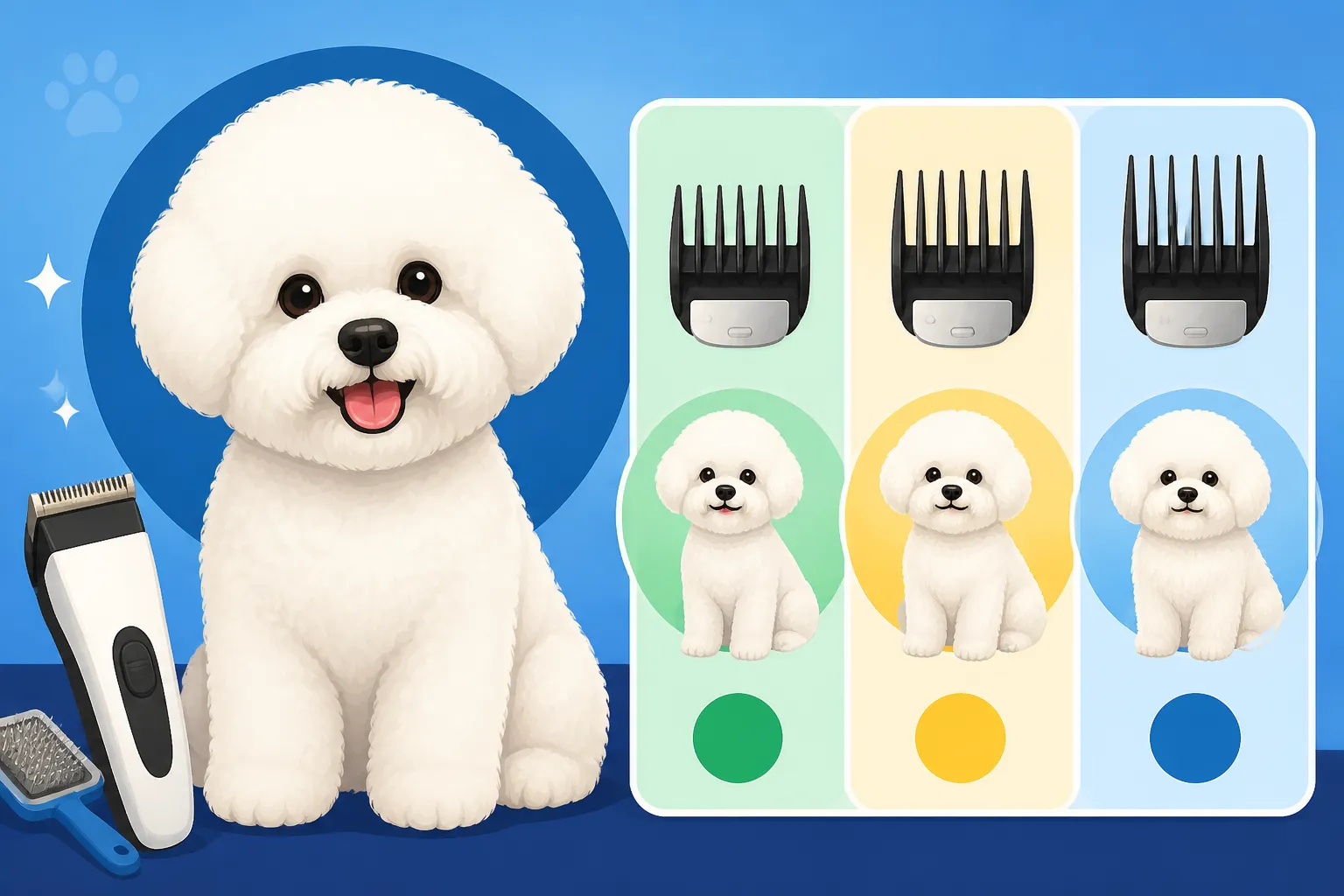
Choosing the right blade length for your beloved Bichon Frise can feel like a daunting task. You want your fluffy friend to look their best, but also be comfortable and easy to maintain. Many new Bichon owners grapple with the desire for that iconic "powder puff" look versus the practical realities of daily life, matted coats, and managing skin health. This guide will walk you through the various blade length options, what they mean for your Bichon's appearance and comfort, and help you make an informed decision, whether you're grooming at home or communicating with a professional.
Understanding the Bichon Frise Coat: More Than Just Fluff
The Bichon Frise coat is truly a marvel, designed to protect them from the elements in their historical seafaring days. It's a double coat, but not in the shedding sense like a Husky. Instead, it consists of a soft, dense undercoat and coarser, curlier guard hairs that stand away from the body. This unique texture is what gives them that cloud-like appearance, but it's also the source of many grooming challenges. It grows continuously and the shed hair gets trapped within the curls, leading to matting if not properly managed.
The Double-Layered Challenge
Many people think of a Bichon's coat as just one big fluffy layer, but it's actually two working together. The soft, cottony undercoat is incredibly dense, providing insulation and that plush feel. Overlapping this are the guard hairs, which are slightly coarser and have a distinct springy curl. When these two layers intertwine, especially if dead hair isn't brushed out, they form mats tighter than a sailor's knot. This dense structure, while beautiful, is also why Bichons are often considered "hypoallergenic" – their hair doesn't shed easily into the environment. However, this also means it absolutely needs regular, thorough brushing to prevent those tangles from turning into solid felt. For an owner, this means a consistent commitment to grooming, regardless of the blade length chosen.
Why Matting is a Major Concern
Matting isn't just an aesthetic issue; it's a serious health concern for a Bichon Frise. Mats pull on the skin, causing discomfort, pain, and even skin infections. They can hide parasites, trap moisture, and prevent air circulation, leading to hot spots and fungal growth. Imagine wearing a sweater that's constantly pulling at your skin in multiple places, getting tighter and tighter. That's what severe matting feels like to a dog. For a groomer, dealing with a matted coat often leaves no option but to shave it very short to get under the mats and release the dog from pain. This is why discussing blade length is so critical – it's about prevention and comfort as much as it is about looks. Prevention starts with consistent care, as discussed in How Long Brushing a Bichon Frise Takes.
The "Powder Puff" Ideal: Achieving and Maintaining Longer Lengths
When we picture a Bichon Frise, we often think of that perfect, round, fluffy "powder puff" look, almost like a walking cotton ball. This iconic style is achieved through skilled scissoring, carefully shaping the coat to stand out from the body, emphasizing the natural curl and density. While breathtaking, this look requires significant dedication from both the groomer and the owner to maintain its pristine condition.
The Art of Scissoring and Longer Coats
To get that true "powder puff" silhouette, groomers typically use scissors, not clippers, on the main body of the dog. Clippers tend to give a more uniform, flat finish, whereas scissoring allows for shaping, layering, and encouraging the coat to stand out naturally. This means working with longer hair, often 1 to 2 inches or more, to create the desired voluminous effect. The process is meticulous and time-consuming, requiring a keen eye and steady hand. It's a true art form, which is why Why a Groomer Scissors a Bichon Frise Instead of Clipping It is such an important read.
However, a longer, scissored coat means more responsibility for the owner. Daily brushing and combing down to the skin are non-negotiable to prevent matting. Any lapse in this routine, even for a few days, can lead to painful tangles that a groomer might not be able to brush out. It also requires more frequent professional grooming appointments, usually every 4-6 weeks, to maintain the shape and prevent the coat from becoming unmanageable. The investment of time and resources is considerable, but the result is undeniably stunning.
Challenges of a Longer Coat for Daily Life
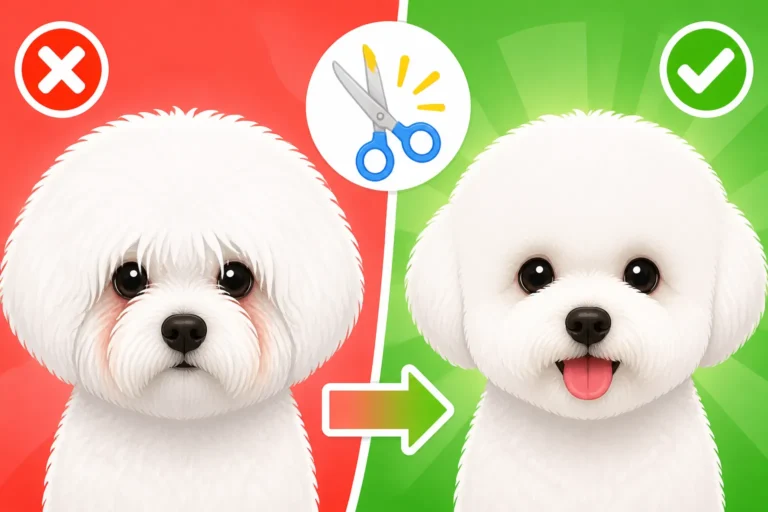
While beautiful, a longer Bichon coat presents practical challenges for everyday life. Imagine your Bichon running through wet grass, rolling in the dirt, or even just eating dinner – all of these activities can quickly soil and tangle a long coat. Tear staining around the eyes can become more prominent against a longer, white face, requiring diligent daily cleaning as discussed in Wiping Daily Keeps a Bichon Frise Clean.
Furthermore, small children or other pets in the household might inadvertently pull or tangle the long hair during play. Owners need to be prepared for the extra time spent cleaning and drying their Bichon after walks, especially in damp weather. The longer the coat, the more easily it can pick up debris, burs, or even snowballs in winter. It’s a commitment to constant vigilance and maintenance, making the longer "powder puff" style a luxury that comes with significant effort. For some, the sheer amount of work involved means this ideal look isn't sustainable for their lifestyle, leading them to explore shorter, more practical options.
Common Blade Lengths for Pet Bichons: Practical, Shorter Options
While the show ring demands that fluffy silhouette, most pet Bichon Frises live a more practical, active life. For many owners, the constant battle with mats and the sheer volume of grooming required for a long coat simply isn't feasible. This is where clipper blades come in, offering a range of shorter, easier-to-maintain styles that keep your Bichon comfortable and clean without sacrificing their charm.
The Workhorse Blades: #5F, #7F, and #10
When you're looking for a practical, low-maintenance cut, these are the blades you'll most often hear groomers talk about. They are all "finish" blades (indicated by the 'F'), meaning they leave a smooth, finished look without needing a comb attachment.
- #10 Blade: This is the shortest commonly used blade for a pet trim, leaving the hair approximately 1/16th of an inch long. It's often used for sanitary areas, paw pads, and bellies, but some owners opt for a full body #10 cut, especially if their dog is heavily matted, has severe skin issues, or lives in a very hot climate. It offers maximum practicality, minimal matting risk, and is quick to dry. The downside is that it doesn't give much fluff and can sometimes make the dog look a bit "naked," especially if they have sensitive skin. It's also typically used on dogs that are being shaved down due to extreme matting.
- #7F Blade: This blade leaves the hair about 1/8th of an inch long. It's a popular choice for pet owners who want a short, easy-care coat that still offers a little more coverage than a #10. It significantly reduces matting issues, makes bathing and drying quicker, and can be a good option for Bichons prone to hot spots or skin allergies. Your dog will still look cute, just more "sporty" than "fluffy." It's also a common length for shaving down heavily matted dogs where a #10 might be too close for comfort.
- #5F Blade: This blade leaves the hair about 1/4th of an inch long. This is often seen as a good compromise, offering enough length for a soft, plush feel, but still short enough to be manageable. Matting is much less of an issue compared to scissored styles, and the coat dries reasonably fast. It's a favorite for many pet owners who want their Bichon to look tidy and feel soft, without the extensive daily grooming commitment of a longer coat.
These blades provide different degrees of practicality and aesthetics. The shorter you go, the less matting risk and easier the upkeep, but you lose some of that signature Bichon fluff. The slightly longer #5F gives a bit more plushness while remaining quite practical.
Guard Combs and Longer Clipped Styles
If you want a bit more length than a #5F provides, but still prefer the consistency and speed of clippers over scissoring, guard combs are your best friend. These are plastic or metal attachments that fit over a #30 or #40 clipper blade, allowing the blade to cut only the hair that passes through the comb's teeth.
- Guard Comb Lengths: Guard combs come in a variety of lengths, typically ranging from 1/2 inch up to 1 inch or even longer. Common choices for Bichons include 1/2 inch or 3/4 inch. These can create a lovely, plush, and uniform cut that's longer than a standard blade, but still generally easier to maintain than a fully scissored show coat.
- Pros of Guard Combs: They offer more protection for the skin compared to shorter blades, create a consistent length, and can give a softer, fluffier appearance without the intense scissoring. They're excellent for maintaining a "teddy bear" look.
- Cons of Guard Combs: While they leave more length, they also mean more brushing is required than with a #7F or #10 blade. The hair can still mat if not brushed regularly, especially at longer guard comb lengths. You also need a powerful clipper and sharp blade underneath the comb to prevent the comb from snagging or leaving an uneven cut. They might not achieve the same airy, sculpted look as professional scissoring, but they offer a great middle ground for pet owners.
When considering a groomed look, it's about balancing aesthetics with practicality. A great grooming session involves healthy products too; you can often find a good selection of specialized shampoos and conditioners on Chewy to keep their coat in top condition.
Factors Influencing Your Blade Length Choice
Deciding on the perfect blade length for your Bichon isn't just about what looks cute. It's a blend of practical considerations, your dog's individual needs, and your lifestyle. What works for one Bichon owner might be a nightmare for another.
Lifestyle and Time Commitment
This is arguably the biggest factor. Be honest with yourself about how much time you realistically have to dedicate to grooming.
- Busy Schedule: If you have a demanding job, young children, or simply prefer to spend your free time on activities other than daily rigorous brushing, a shorter blade length (like a #5F or #7F) will be your saving grace. These lengths drastically reduce the risk of matting and cut down on drying time after baths, making overall maintenance much quicker and less stressful. You'll still need to brush, but perhaps only a couple of times a week, and baths can be stretched a bit further between professional grooms.
- Active Lifestyle: Does your Bichon love hiking, trips to the beach, or playing in the dog park? A longer coat will pick up more burrs, dirt, and debris, and get wet more easily. A shorter cut will be much easier to clean and dry, preventing skin issues and keeping your dog more comfortable during their adventures. Imagine cleaning sand out of a perfectly coiffed long coat versus a practical short one – no contest!
- Show Ring Aspirations: If you plan to show your Bichon, then the "powder puff" scissored style is non-negotiable, and you'll need to commit to the extensive daily brushing and frequent professional grooming that entails. For the vast majority of pet owners, this isn't the case, freeing them up to choose what's best for their individual dog and family.
It's about finding that sweet spot where your dog looks good, feels comfortable, and your grooming routine is sustainable.
Skin Health and Allergies
Your Bichon's skin condition can heavily influence the ideal blade length.
- Skin Allergies: Bichons are unfortunately prone to allergies, which can manifest as itchy, red, or inflamed skin. What Atopic Dermatitis Does to a Bichon Frise describes these challenges. For these dogs, a shorter coat (like a #7F or #10) can be incredibly beneficial. It allows medicated shampoos and topical treatments to reach the skin more effectively, promotes better air circulation to prevent hot spots, and makes it easier for you or your vet to spot any new skin issues. Longer hair can trap allergens against the skin, exacerbate itching, and make it harder to treat.
- Hot Spots and Infections: In warmer climates or for dogs prone to skin fold dermatitis, a shorter cut can prevent moisture and bacteria from getting trapped against the skin, reducing the likelihood of hot spots and yeast infections.
- Previous Matting Issues: If your Bichon has a history of severe matting that required a complete shave down, choosing a consistently shorter blade length moving forward can help prevent future painful incidents. It allows the coat to grow out without immediately becoming tangled again, giving both you and your dog a fresh start. Your vet might even recommend a shorter cut to facilitate healing or ongoing treatment.
Always discuss your Bichon's specific skin needs with your veterinarian and groomer. They can help recommend the best blade length to support their overall skin health.
Climate and Season
The weather outside plays a significant role in your Bichon's comfort and coat care.
- Warm Weather: During hot summer months, a shorter cut (like a #7F or #5F) can help your Bichon stay cooler and prevent overheating. While their coat provides some insulation, a heavy, dense coat can trap heat. A shorter cut also means quicker drying after a swim or a walk in the rain, which is great for preventing skin issues in humid conditions. Just be mindful that extremely short cuts (like a #10 or shorter) can expose fair skin to sunburn, so ensure proper sun protection if your dog spends extended time outdoors.
- Cold Weather: In colder climates, a slightly longer coat (a #5F or even a guard comb length) offers more insulation. However, even in winter, a very long coat can become matted by snow, ice, or the friction of winter coats, so a moderate, well-maintained length is often preferred. A short but not "shaved" length still allows for easy cleaning of wet snow without compromising warmth significantly, especially if your Bichon wears a sweater or coat for outdoor adventures. It's about finding a practical balance between warmth and manageability for your specific climate.
DIY Grooming vs. Professional Groomers: Blade Choices and Expertise
Many Bichon owners consider tackling grooming themselves, especially with the rising cost of professional services. However, there's a world of difference between a quick brush-out and a full-body trim, and the choice of blade length often comes down to who is holding the clippers.
What Professional Groomers Offer
When you take your Bichon to a professional groomer, you're not just paying for a haircut; you're paying for expertise, specialized tools, and often, an eye for detail that's hard to replicate at home.
- Expert Advice: A good groomer will assess your Bichon's coat condition, skin health, and temperament, and discuss the best blade length and style for your dog and your lifestyle. They can advise on how to manage matting, address tear stains, and even spot potential health issues like lumps or skin infections that you might miss. They understand the nuances of the Bichon coat and how different blades will interact with it to achieve a desired look or solve a particular problem.
- Specialized Tools and Techniques: Professional groomers use high-quality, sharp clippers and a wide array of specialized blades and guard combs that provide a smooth, even finish. They also have industrial dryers, grooming tables, and an arsenal of shampoos and conditioners designed for specific coat types and skin conditions. Their technique for scissoring, especially on the round head and legs, is honed over years of practice, something most home groomers can't easily replicate. They can even advise on the best products for home use, which you might find on Amazon or from professional suppliers.
- Efficiency and Safety: A professional groomer can typically complete a full groom much faster than a novice, which is less stressful for your dog. They are also trained in safe handling techniques, minimizing the risk of nicks, cuts, or stress-related injuries, especially when working with difficult areas or matted coats. Their ability to handle the entire process efficiently and safely, including nail trims and ear cleaning, is invaluable. What a Full Bichon Frise Groom Costs gives an idea of the investment involved in this professional care.
The Home Grooming Perspective
For those brave enough to venture into home grooming, the blade length you choose will largely be dictated by your skill level, the quality of your equipment, and your patience.
- Simplicity is Key: If you're grooming at home, starting with a simpler, shorter cut is often the wisest choice. A #5F or #7F blade can provide a uniform, easy-to-maintain length that's forgiving for a beginner. Trying to achieve a perfectly scissored "powder puff" look at home without professional training is incredibly difficult and often leads to uneven, choppy results and frustration for both you and your dog.
- Equipment Investment: Home grooming requires an initial investment in quality clippers, sharp blades (which need to be replaced or sharpened), various combs, brushes, and a sturdy grooming table. Cheap clippers often pull hair and leave an uneven finish, making the experience unpleasant for your Bichon. Many online retailers like Chewy offer comprehensive home grooming kits.
- Learning Curve and Patience: Learning to groom your Bichon well takes time and practice. Be prepared for mistakes, and prioritize your dog's comfort and safety over achieving perfection. Short, positive grooming sessions, focusing on one area at a time, will build trust. If your Bichon has a low tolerance for standing still, a quicker, clipper-based trim will be much less stressful than a long scissoring session. Remember, consistent Home Brushing Makes Salon Visits Easier and any home grooming attempts more successful.
Ultimately, whether you choose a professional groomer or attempt home grooming, the most important thing is to ensure your Bichon is comfortable, mat-free, and healthy. Don't be afraid to experiment (with the help of your groomer) to find the blade length and style that truly suits both you and your fluffy companion.
Maintaining the Chosen Length: Tools and Routine
Once you've decided on the ideal blade length for your Bichon Frise, the journey doesn't end there. Regular maintenance between professional grooming appointments, or as part of your home grooming routine, is crucial to keep their coat in top condition and prevent issues. It's an ongoing commitment that ensures your Bichon stays comfortable and looking great.
Essential Home Grooming Tools
Having the right tools at home is non-negotiable, regardless of the length you choose. These aren't just for looking pretty; they're vital for preventing mats and maintaining skin health.
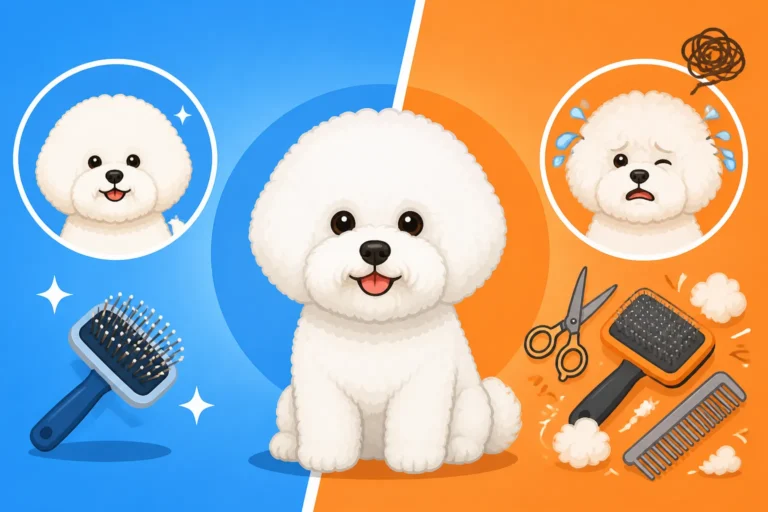
- Slicker Brush: A good quality slicker brush with firm but flexible pins is your primary weapon against tangles. You'll use this to brush through the coat, making sure to get down to the skin to remove any loose undercoat or forming mats. For Bichons, brushing should always be done in sections, working through the coat layer by layer.
- Metal Comb: A sturdy metal comb with both wide and fine teeth is essential for checking your work after brushing. The fine-toothed end should be able to glide smoothly through the entire coat, from skin to tip, without snagging. If it snags, you've missed a tangle, and you need to go back with the slicker brush. This is particularly important for areas prone to matting like behind the ears, armpits, and leg furnishings.
- Nail Clippers or Grinder: Keeping nails trimmed prevents discomfort and helps maintain good paw health. Start early to get your puppy used to having their paws handled.
- Ear Cleaner and Cotton Balls/Pads: Bichons often have hairy ear canals, making them prone to infections. Regular cleaning with a vet-approved solution is vital. How Often a Bichon Frise's Ears Should Be Cleaned explains why this is so important.
- Eye Wipes/Stain Remover: For those stubborn tear stains, gentle, daily wiping with specialized products or just warm water can make a big difference.
- Shampoo and Conditioner: Use a high-quality, dog-specific shampoo and conditioner that suits your Bichon's coat and skin needs. Many brands offer whitening shampoos or those for sensitive skin. You can find a wide range of these products on major online retailers.
Creating a Sustainable Grooming Routine
Consistency is far more important than intensity when it comes to Bichon grooming. A little bit often is much better than trying to fix a huge problem once a month.
- Brushing Schedule: Even with a shorter clip, daily or every-other-day brushing is ideal, especially for that soft Bichon coat. For longer cuts (like those done with guard combs or scissored styles), daily brushing is non-negotiable. Spend at least 10-15 minutes, focusing on those trouble spots. If you manage to keep them mat-free, your professional groomer will love you (and likely charge less!).
- Bathing: How often you bathe your Bichon depends on their lifestyle and coat length. A shorter cut might need a bath every 3-4 weeks, while a longer, whiter coat might require it every 1-2 weeks to stay pristine. Always use dog-specific products, rinse thoroughly to prevent skin irritation, and dry completely to prevent matting and fungal issues. A high-velocity dryer, even a small one for home use, can make drying much faster and more effective.
- Professional Grooming Appointments: For most pet Bichons, a professional groom every 6-8 weeks is a good baseline to maintain their chosen length and address areas you might miss. If you opt for a shorter, low-maintenance clip, you might be able to stretch it to 8-10 weeks, but any longer and you risk matting again. For longer, scissored styles, expect to visit the groomer every 4-6 weeks to keep that perfect shape. This regular schedule helps manage Why a Bichon Frise Coat Grows Forever.
By establishing a consistent routine with the right tools, you can ensure your Bichon Frise's coat remains healthy, comfortable, and beautifully maintained, no matter which blade length you choose.
Blade Length Chart for Bichon Frises
To help visualize the common blade lengths and their effects, here's a quick overview. Remember, these are general guidelines, and individual coat texture can affect the final appearance.
| Blade Length | Hair Length (Approx.) | Appearance (General) | Pros | Cons | Ideal For |
|---|---|---|---|---|---|
| #10 | 1/16 inch (1.5mm) | Very short, almost velvety. Can look "shaved." | Extremely low maintenance, prevents all matting, good for severe skin issues/mats, fastest drying. | Little to no fluff, can expose skin to sun, less "Bichon" look, can feel prickly as it grows. | Heavily matted dogs (necessity), severe skin conditions, very hot climates, maximum practicality. |
| #7F | 1/8 inch (3mm) | Short, tidy, "sporty" look. Still very close to the skin. | Great matting prevention, easy to clean, dries quickly, good for active dogs, allows skin to breathe. | Minimal fluff, less "cuddly" feel, still fairly short for winter months. | Active dogs, owners with limited grooming time, dogs prone to hot spots, easier maintenance for allergy sufferers. |
| #5F | 1/4 inch (6mm) | Plush, soft, "puppy cut" look. Some body and bounce. | Good balance of length & manageability, soft feel, reduced matting risk compared to longer cuts. | Requires more brushing than #7F/#10, slightly longer drying time, still not the full "powder puff." | Owners wanting a soft, plush feel without extreme maintenance, good for year-round comfort. |
| #4F | 3/8 inch (9.5mm) | Longer "puppy cut," more substantial fluff. | More coverage and plushness, still relatively manageable, good for cooler climates. | Matting risk increases, needs more consistent brushing, longer drying time. | Owners who enjoy grooming, want a fluffier look, but don't want to commit to extensive scissoring. |
| Guard Combs | 1/2 inch to 1+ inch | Fluffy, "teddy bear" look, uniform length. | Can achieve a very fluffy, rounded look without full scissoring; more versatile lengths. | Requires consistent brushing (daily for longer combs), can still snag if not used correctly. | Owners wanting a "show" look without the full scissoring, willing to commit to regular brushing. |
| Scissored | 1.5 – 2+ inches | "Powder puff," iconic show ring look, highly sculpted. | The ultimate Bichon look, maximum fluff and volume. | Extremely high maintenance, daily rigorous brushing, frequent professional grooms, highest matting risk. | Show dogs, owners dedicated to extensive grooming time and professional services. |
Disclaimer
This article is for general informational purposes only and does not constitute professional advice. Laws, prices and regulations vary by location and change over time. Consult a qualified professional for guidance on your specific situation.