Whether a Bichon Frise Yellows With Age
Bichon Frise coat yellowing occurs from aging, oxidation, bodily fluids, and trapped oils. Owners learn why fur changes color.
The daily stuff, done right.
Feeding amounts by life stage, coat and skin routines, dental and nail care, exercise needs, and what changes as they age.
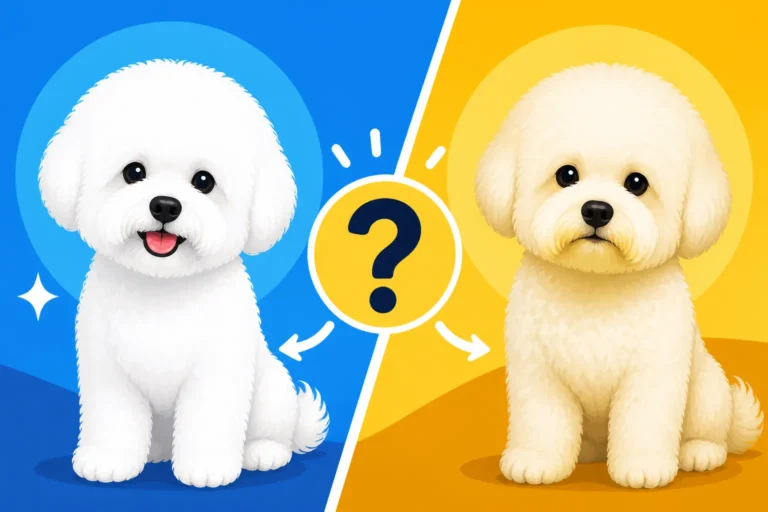
Bichon Frise coat yellowing occurs from aging, oxidation, bodily fluids, and trapped oils. Owners learn why fur changes color.
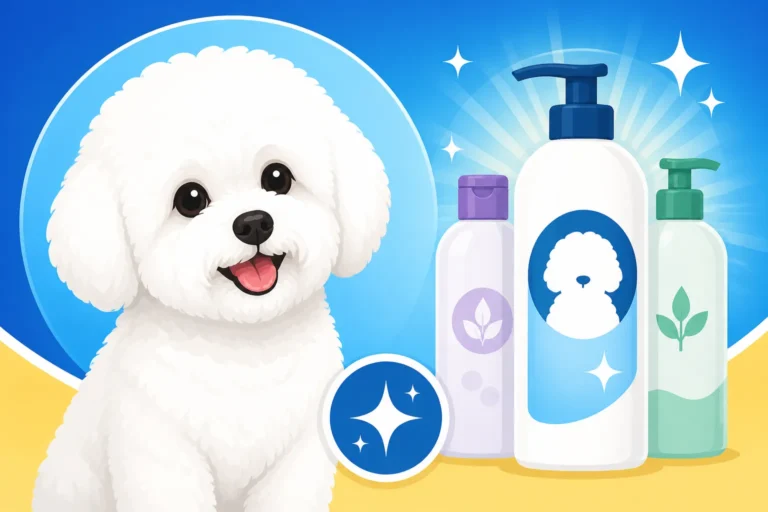
Bichon Frise coat discoloration results from trapped dirt, tear stains, tap water minerals, and everyday environmental factors.

Professional grooming frequency for a Bichon Frise double coat prevents painful matting and removes trapped dander from the fur.
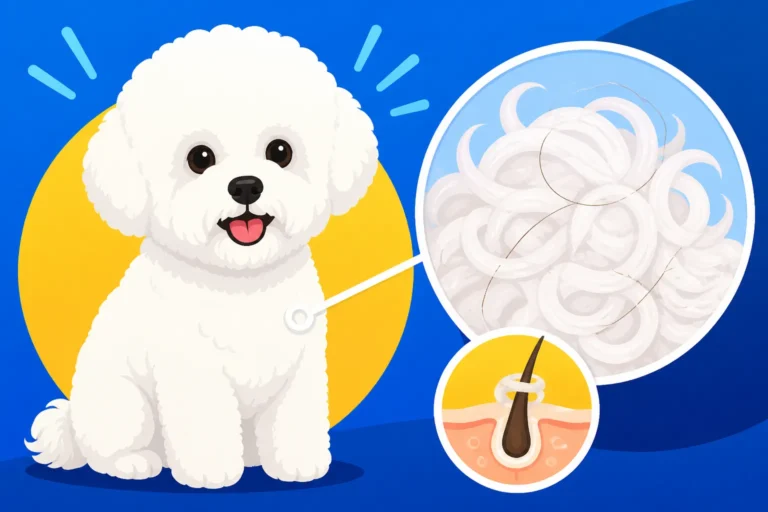
Bichon Frise shed hair stays trapped inside the dense curly double coat, preventing loose hairs from falling onto furniture and floors.
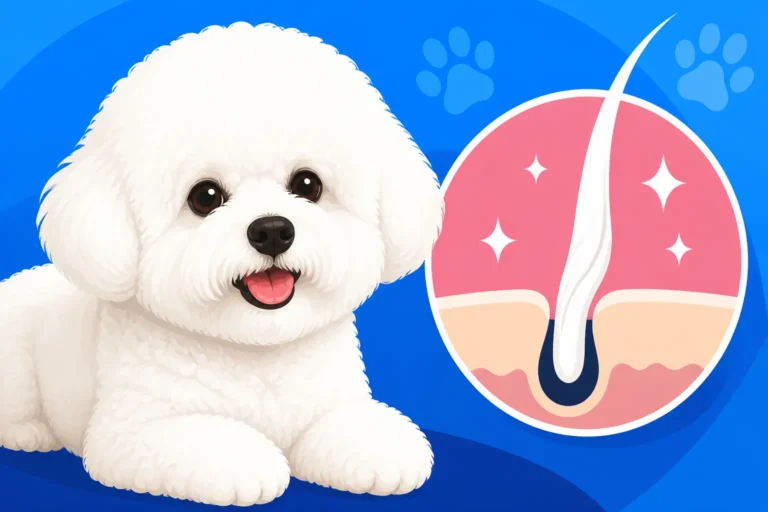
The Bichon Frise hair growth cycle features a long active phase and a very short resting phase, creating continuous growth.
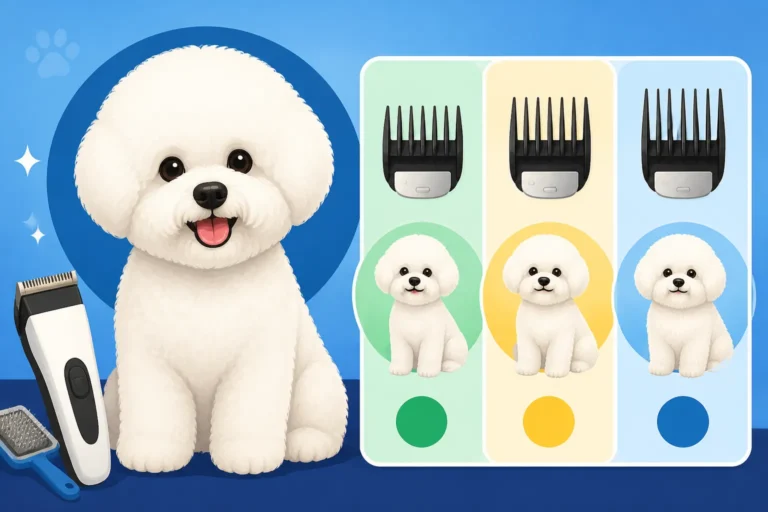
Bichon Frise blade length options, double coat maintenance, and one to two inch scissoring techniques for the powder puff look.

Bichon Frise pet trims offer a practical, manageable alternative to the high-maintenance show ring powder puff coat style.

Clipping a Bichon Frise provides a practical alternative to traditional scissoring and explains how coat maintenance works.
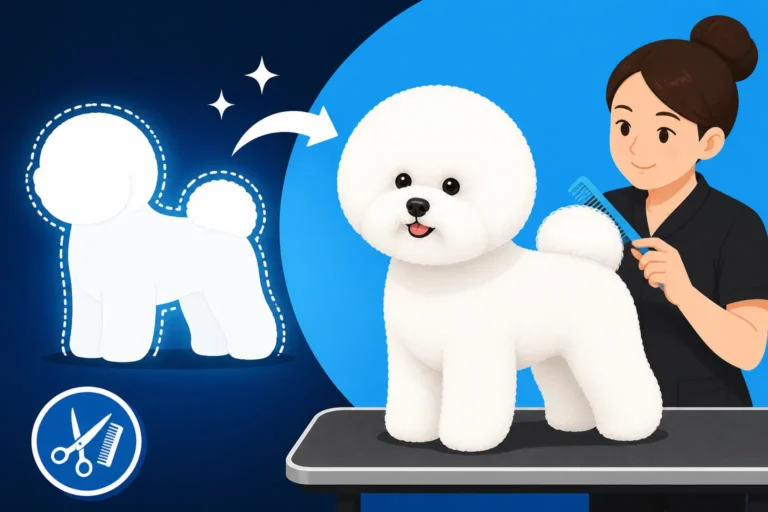
The Bichon Frise breed standard outline and powder puff haircut maintain coat health, prevent mats, and protect the dog.
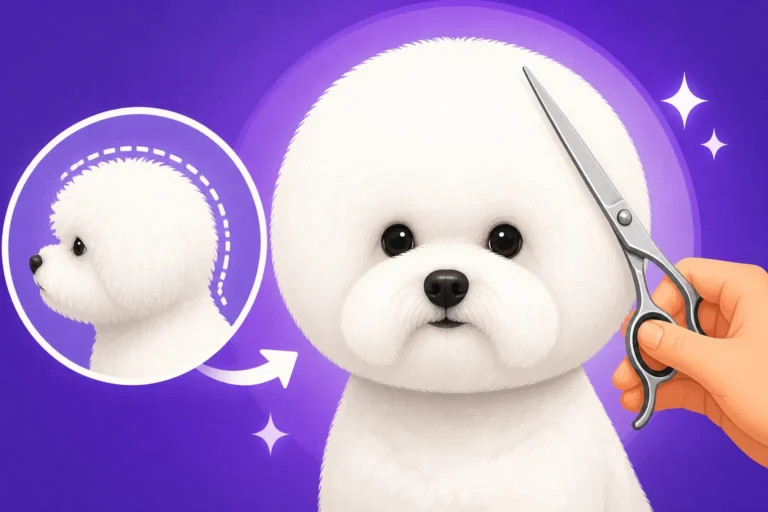
The Bichon Frise round head grooming technique explains proportion, balance, and the correct straight and curved shears.