Whether a Bichon Frise Needs a Force Dryer
Bichon Frise double coats trap moisture and cause painful mats, explaining why a force dryer removes water and stops dampness.
The daily stuff, done right.
Feeding amounts by life stage, coat and skin routines, dental and nail care, exercise needs, and what changes as they age.

Bichon Frise double coats trap moisture and cause painful mats, explaining why a force dryer removes water and stops dampness.
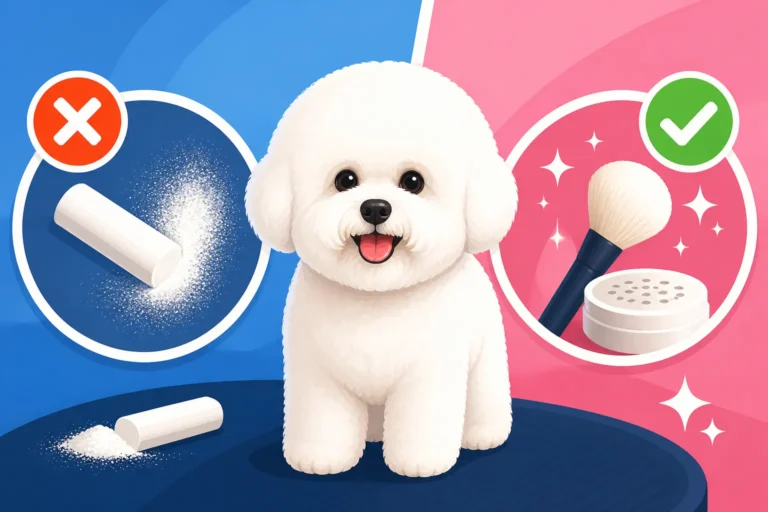
Chalk on show Bichon Frises, where the breed standard demands a pure white coat and stains from tears, saliva and urine make that color a grooming challenge.
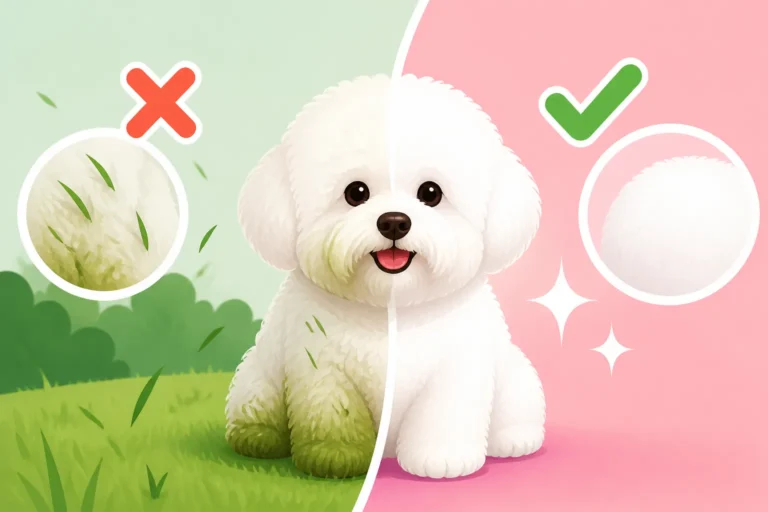
Chlorophyll pigments from damp grass combine with porous Bichon Frise white fur to create stubborn stains on paws and bellies.

Sunlight and natural oils cause a Bichon Frise white coat to turn cream through photo-oxidation and environmental particle accumulation.
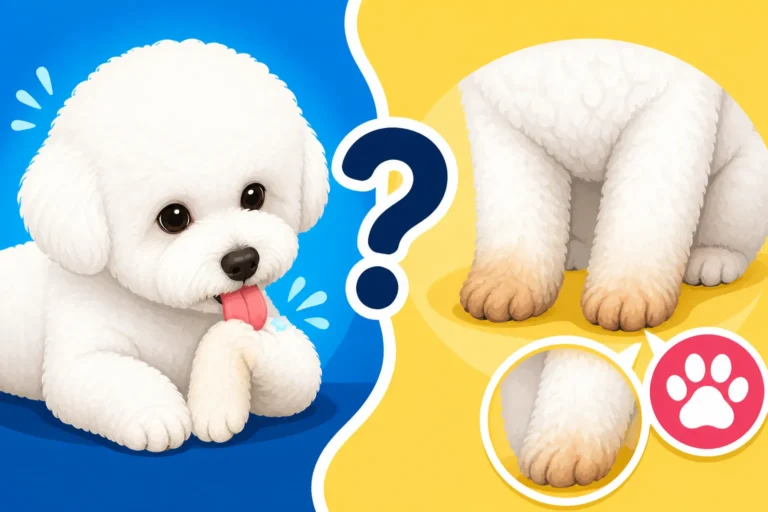
Porphyrin compounds and yeast in Bichon Frise saliva cause reddish brown leg stains through oxidation and constant moisture.

Purple shampoo usage on a Bichon Frise determines if this product safely removes yellow coat discoloration and saliva stains.

Whitening shampoo effects on Bichon Frise double coats, explaining specific risks and how to maintain sparkling white fur safely.

Weekly washing removes trapped dirt from a Bichon Frise double coat and prevents painful matting, skin irritation, and infections.

Bichon Frise grooming photos help pet owners communicate their desired powder puff look to prevent trim miscommunications.

Bichon Frise show trim maintenance requires daily brushing and weekly baths, making it impractical for most average pet owners.