Whether a Bichon Frise’s Muzzle Should Be Kept Short
Bichon Frise muzzle length balances the classic powder puff appearance against daily hygiene, reducing food stains and wet tangles.
The daily stuff, done right.
Feeding amounts by life stage, coat and skin routines, dental and nail care, exercise needs, and what changes as they age.

Bichon Frise muzzle length balances the classic powder puff appearance against daily hygiene, reducing food stains and wet tangles.
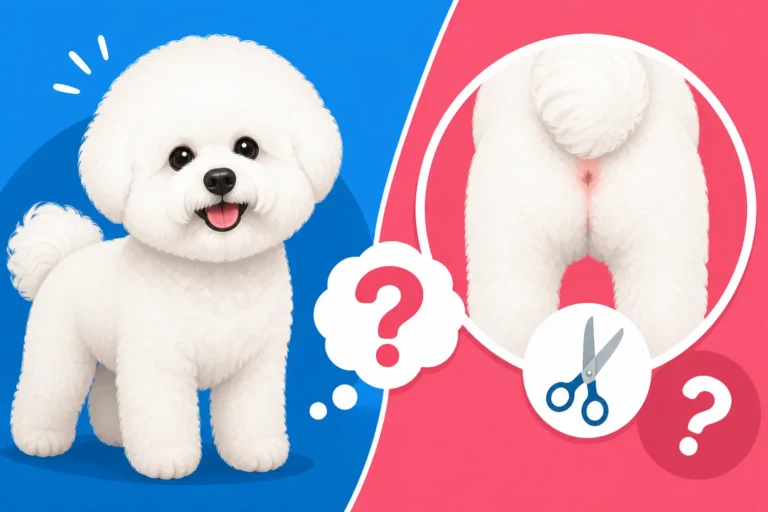
Trimming a Bichon Frise sanitary area prevents waste accumulation, urine scald, skin infections, and painful blockages for the dog.

Bichon Frise foot trimming prevents painful mats, improves traction on smooth floors, and maintains the signature round cat foot look.

Bichon Frise grooming schedules of six weeks cause trapped loose hair, severe coat matting, skin irritation, and painful shaving.

Professional Bichon Frise grooming every four to six weeks prevents painful matting and maintains the iconic powder puff coat.

A clipped Bichon Frise coat and what owners can realistically expect regarding regrowth of the double coat are explained.

Clipped Bichon Frise coats lose their rounded powder puff shape because clipping alters the unique curly double coat volume.

Bichon Frise coat grooming methods compared, weighing scissoring aesthetics against clipper practicality for pet owners.

Bichon Frise round head grooming at home involves managing unique double coat textures, professional tools, and realistic expectations.

Adult Bichon Frise coat care requires more effort because adult hair is denser and develops tight mats around six to nine months.