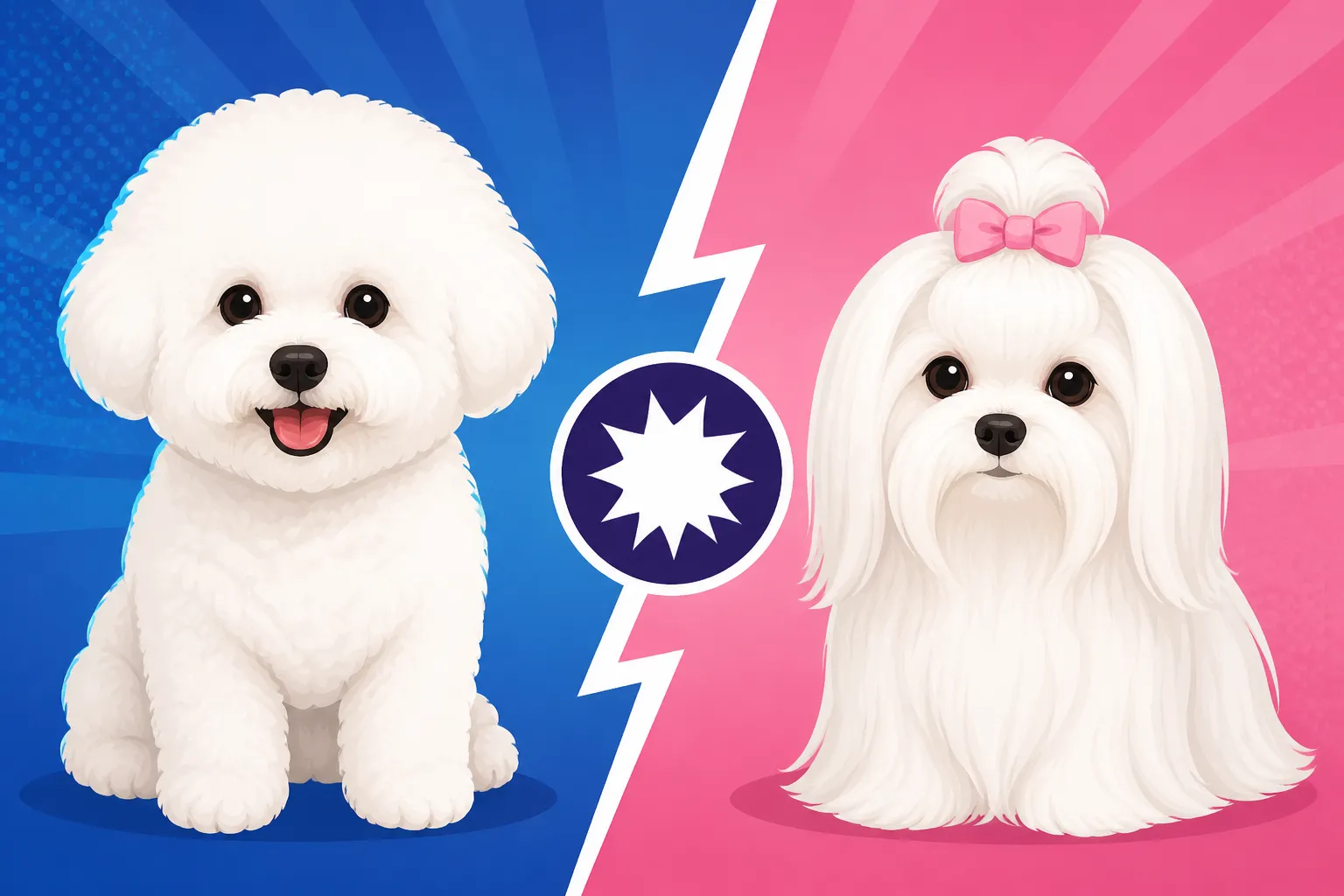
The Bichon Frise Against a Maltese
Choosing between a Bichon Frise and a Maltese can feel like a delightful but daunting task, especially when both breeds are so undeniably charming and share that fluffy, white appeal. Many prospective dog parents find themselves torn, wondering if these small, seemingly similar companions have significant differences beneath their cloud-like exteriors. This comprehensive guide aims to unravel the unique characteristics, care requirements, and personalities of the Bichon Frise and the Maltese, helping you decide which precious puff might be the perfect fit for your home and lifestyle.
The Shared Heritage of Two Beloved White Fluffs
It's easy to look at a Bichon Frise and a Maltese and assume they're practically the same dog in different packaging, especially with their signature white coats and spirited dispositions. However, while they certainly share some historical overlap, understanding their distinct ancestries can illuminate some of their modern-day differences in temperament and build.
Deep Roots in the Mediterranean
Both the Bichon Frise and the Maltese belong to a larger family of small, white companion dogs often referred to as "Bichon type" dogs, which sprang from the Mediterranean region. These breeds were highly prized by sailors and merchants who would often carry them on long voyages, using them for companionship and, some say, even for vermin control on ships. Imagine these little bundles of joy charming their way across ancient trade routes, from the port cities of Italy to the sun-drenched islands. This shared origin story means they both carry a long lineage of being adored pets, bred for human interaction and close companionship. You can read more about their history in The Canary Island the Bichon Frise Is Named After.
For centuries, these small, lively dogs were considered valuable commodities and status symbols, particularly among the nobility. Their charming demeanor and manageable size made them ideal lap dogs and travel companions. While the precise lines of their early development can be a bit blurry due to limited historical records, it's clear that their shared lineage bestowed upon them a natural affinity for people and a desire to be at the center of attention. This deep-seated need for human connection is still very evident in both breeds today, making them wonderfully loyal and affectionate family members.
Diverging Paths and Royal Court Connections
While their roots intertwine, the Bichon Frise and Maltese began to develop distinct paths as they spread across Europe. The Maltese, for instance, has a history that stretches back thousands of years, with evidence of its existence found in ancient Egyptian artifacts and Greek writings. They were particularly cherished by the Roman aristocracy, who admired their delicate beauty and elegant stature. Over time, the Maltese became synonymous with luxury and refinement, often depicted in art and sought after by royalty across the continent. Their long, silken white coats and gentle disposition earned them a place on the laps of queens and noblewomen, making them symbols of aristocratic grace.
The Bichon Frise, on the other hand, truly blossomed in popularity during the Renaissance in France and Spain, particularly during the 16th century. French nobility absolutely fell in love with these playful, intelligent dogs, giving rise to their modern name, which translates roughly to "curly lap dog." They were pampered, perfumed, and adorned with ribbons, becoming fixtures in royal courts and high society. Later, after the French Revolution, many Bichons found new careers as street performers, accompanying organ grinders and circus acts, which further cemented their reputation for intelligence, trainability, and a captivating stage presence. This diverse background, moving from royal lapdog to street entertainer, contributed to the Bichon's robust and adaptable nature.
Deciphering Their Distinct Appearances
At first glance, both the Bichon Frise and the Maltese appear as fluffy, white bundles of joy. However, spend a little time with each breed, and you'll quickly notice the subtle yet significant differences in their size, bone structure, and most notably, their coats. These distinctions aren't just cosmetic; they often dictate grooming routines, how they carry themselves, and even how they interact with their environment.
Size, Structure, and the Iconic "Powder Puff"
When you hold a Bichon Frise, you'll generally find a dog that feels surprisingly sturdy for its size. Bichons typically stand about 9 to 12 inches tall at the shoulder and usually weigh between 12 to 18 pounds. They have a compact, well-proportioned body with a distinct, rounded head that contributes to their famous "powder puff" appearance. This robust bone structure allows them to be quite active and playful, often engaging in bursts of energetic "zoomies" around the house. They carry themselves with a confident, cheerful gait, reflecting their lively personalities. You can learn more about their size in What a Bichon Frise Actually Weighs. The overall impression of a Bichon is one of solid, happy athleticism within a small package.
The Maltese, by contrast, is a more delicate and diminutive breed. They are smaller than Bichons, typically standing only 7 to 9 inches tall and weighing a mere 4 to 7 pounds. Their bone structure is finer, giving them a more elegant and fragile appearance. While they are still playful, their smaller size means they might be more prone to injury if not handled carefully, particularly by small children. The Maltese typically moves with a smooth, flowing gait, and their aristocratic bearing is quite distinct. Their head is proportionate to their body, but it doesn't have the same rounded, fluffy appearance as the Bichon's due to their different coat type.
Coat Texture and Grooming Expectations
Here's where the most striking visual difference lies, and it's a huge factor in daily care: their coats. The Bichon Frise boasts a double coat, comprised of a soft, dense undercoat and a coarse, curly outercoat. This combination gives them that signature "powder puff" look, which is meant to stand off the body and be soft to the touch, almost like velvet. This curly texture traps shed hair, making them a popular choice for allergy sufferers, as they are considered truly hypoallergenic. However, this non-shedding quality comes with a significant trade-off: intensive grooming. Their curls are prone to matting and tangling without consistent daily brushing and professional grooming every 4-6 weeks to maintain that iconic shape. The Powder Puff Outline the Bichon Frise Standard Describes goes into detail about this look.
The Maltese, on the other hand, has a single coat that is long, silky, and flows smoothly to the ground. There's no undercoat to speak of, which also contributes to its hypoallergenic reputation. This coat is pure white and incredibly fine, resembling human hair. While it doesn't have the same matting potential from dense curls as the Bichon, it's highly susceptible to tangles, knots, and breakage. Without daily brushing, preferably with a pin brush and metal comb, the Maltese's coat will quickly become a matted mess, especially in areas of friction like behind the ears, under the legs, and where a harness sits. Keeping a Maltese coat long and pristine is a labor of love, requiring considerable dedication, often more so than the Bichon's, if the owner wants to maintain that floor-length show look. Many owners opt for a shorter "puppy cut" to make daily maintenance more manageable.
| Feature | Bichon Frise | Maltese |
|---|---|---|
| Size (Height) | 9-12 inches | 7-9 inches |
| Weight | 12-18 pounds | 4-7 pounds |
| Body Structure | Compact, sturdy, well-proportioned | Delicate, finer boned, elegant |
| Coat Type | Double coat: soft undercoat, curly outercoat | Single coat: long, silky, flowing |
| Shedding | Minimal (trapped in coat) | Minimal (trapped in coat) |
| Hypoallergenic? | Generally considered | Generally considered |
| Grooming Need | Daily brushing, professional grooms 4-6 weeks | Daily brushing, professional trims as needed |
| Common Colors | Pure White (sometimes cream/apricot markings as pups) | Pure White |
Temperament: More Than Just a Cute Face
While both breeds are renowned for their affectionate and companionable natures, their personalities have distinct nuances that are important to consider. These aren't just fluffy decorations; they are intelligent, sensitive beings with unique ways of expressing themselves and interacting with the world around them.
The Playful, Outgoing Bichon
The Bichon Frise is often described as a "merry" dog, and it's a descriptor that truly fits their vibrant personality. They are typically extroverted, cheerful, and full of zest for life. A Bichon rarely meets a stranger and is usually eager to greet everyone, from the mail carrier to a new guest, with a wagging tail and an enthusiastic bounce. Their playful nature endures well into adulthood and even senior years; it's not uncommon to see a 10-year-old Bichon still performing "the Bichon blitz" (a sudden burst of running around like crazy for pure joy). This exuberance makes them wonderful companions for active families or individuals who enjoy daily walks and playtime. The Merry Temperament the Bichon Frise Standard Demands perfectly encapsulates this spirit.
Bichons are highly intelligent and love to be the center of attention. They thrive on interaction and can develop separation anxiety if left alone for extended periods without proper training and socialization. They are known for being excellent trick dogs, easily learning commands and often inventing their own playful antics to entertain their humans. While generally good with children and other pets, their enthusiastic play style means that interactions with very young children should always be supervised to ensure neither the dog nor the child gets accidentally hurt during a moment of unbridled joy. They need consistent positive reinforcement training to channel their intelligence and energy productively.
The Gentle, Affectionate Maltese
The Maltese, while also affectionate and playful, tends to have a more refined and somewhat gentler demeanor than the Bichon. They are deeply devoted to their families, often forming incredibly strong bonds with one primary caregiver. While they can be friendly with strangers, they might take a moment longer to warm up, preferring to assess the situation from the comfort of their human's lap. Their play is often less boisterous than a Bichon's, favoring games of fetch or cuddling on the couch rather than wild zoomies, though they certainly have their moments of playful bursts!
Because of their smaller size and delicate nature, the Maltese often excels in calmer environments. They are fantastic lap dogs and enjoy nothing more than being close to their people, whether that's curled up on a cushion or following you from room to room. Their sensitive nature means they respond best to gentle handling and positive reinforcement. They can be prone to "small dog syndrome" if not properly socialized and trained, where they might become overly yappy or dominant if allowed to believe they are the pack leader. While generally good with older, respectful children, their fragility makes them less suitable for very young, boisterous kids who might not understand how to handle such a tiny creature safely.
Grooming Demands: White Coats Don't Stay White on Their Own
Both Bichons and Malteses are beautiful, but their striking white coats are high-maintenance and demand consistent attention. This isn't a "wash-and-wear" kind of dog; proper grooming is essential not just for aesthetics, but for their health and comfort. If you're not prepared for the commitment, these might not be the breeds for you.
Daily Brushing and Professional Care
For a Bichon Frise, the curly double coat, while charming, is a magnet for mats. Without daily brushing, those soft curls will quickly intertwine and form painful knots that can pull on their skin. A slicker brush followed by a metal comb to check for tangles is an absolute must, reaching all the way down to the skin. Missing even a small patch can lead to a significant mat in a very short time. Beyond daily brushing, professional grooming every 4 to 6 weeks is non-negotiable. This involves bathing, drying, and scissoring their coat into the characteristic round "powder puff" shape. Many owners find that setting up recurring appointments with a professional groomer is the best way to manage this. Investing in high-quality grooming tools is key, and you can often find great options on sites like Chewy that cater to specific coat types. The Six Week Bichon Frise Groom That Never Stops truly highlights this constant need.
The Maltese, with its long, single, silky coat, requires a different approach but no less dedication. To prevent tangles and maintain that flowing look, daily brushing with a pin brush is crucial. It's easy for their fine hair to snag and knot, especially if they're playing outdoors or if there's any moisture in their coat. Many Maltese owners opt for a "puppy cut" or shorter trim to reduce the intensity of daily grooming. Even with a shorter trim, regular bathing (often weekly or bi-weekly) and conditioning are necessary to keep their coat clean and free of grime that can cause matting. Because their coats grow continuously, professional trims are still needed to maintain a desired length and keep them tidy, whether that's every few weeks for a short cut or less frequently if keeping it long.
Tear Staining and Keeping Them Pristine
A common challenge for both breeds, given their pristine white coats, is tear staining. Those adorable dark tracks under their eyes can be a source of frustration for owners. These stains are caused by porphyrins, iron-containing molecules excreted in tears, which turn reddish-brown when exposed to air and light. Excessive tearing can exacerbate the problem, often due to irritants, allergies, or sometimes even blocked tear ducts. While a veterinary check-up is always recommended to rule out underlying health issues, managing tear stains is largely a grooming endeavor.
For both Bichons and Malteses, daily wiping of the eye area with a damp cloth or a specialized tear stain remover product is vital. Keeping the hair around their eyes trimmed short can also help prevent moisture and bacteria from accumulating. Diet can sometimes play a role, with some owners finding that certain foods or filtered water can reduce staining. Regular face washing and ensuring their grooming includes thorough cleaning of the tear ducts can make a big difference. It's a constant battle, but with diligence, you can keep their faces looking bright and clean. You might find various tear stain treatments and specialized shampoos on Chewy to help with this persistent issue.
Understanding Their Health Profiles
Every breed comes with its predispositions, and while both the Bichon Frise and Maltese are generally healthy dogs, being aware of common health concerns can help you provide the best preventative care and spot potential issues early. Responsible breeding practices aim to minimize these risks, but no dog is entirely immune.
Common Health Concerns for Each Breed
The Bichon Frise is unfortunately known for a few specific health challenges. One of the most prevalent and frustrating issues is the tendency to form calcium oxalate bladder stones. Bichons are genetically predisposed to these painful stones, which can cause frequent urination, straining, or even life-threatening blockages, particularly in males. Managing this often requires a special prescription diet for life, increased water intake, and regular veterinary check-ups, including urine tests and imaging. Why the Bichon Frise Tops the Stone Risk List explains this predisposition in detail. Additionally, Bichons can be prone to allergies, manifesting as itchy skin, ear infections, and paw licking. Patellar luxation (slipping kneecaps), cataracts, and dental disease are also common.
The Maltese, being a smaller breed, shares some common small-dog ailments. Patellar luxation is a concern, as is tracheal collapse, a condition where the windpipe weakens and can lead to a honking cough, especially under excitement or during exercise. Dental disease is also rampant in Maltese, requiring diligent home care and regular professional cleanings to prevent tooth loss and gum infections. Hypoglycemia (low blood sugar) can be an issue, particularly in puppies or very tiny adults, making consistent feeding important. Progressive Retinal Atrophy (PRA) is another eye condition to be aware of. While not as prone to bladder stones as Bichons, proper hydration and a balanced diet are still important for urinary health.
Lifespan and Senior Care
Both breeds generally enjoy relatively long lifespans, typically living between 12 to 15 years, and sometimes even longer with excellent care. The Fourteen to Fifteen Years a Bichon Frise Lives is a testament to their longevity. As they age, both Bichons and Malteses will require adjustments to their care to keep them comfortable and healthy.
Senior Bichons might experience increased incidence of arthritis, making it harder for them to jump or climb. Their vision and hearing may decline, and maintaining their special urinary diet becomes even more critical. Regular vet check-ups will likely include more comprehensive blood work to monitor organ function. For senior Malteses, continued vigilance against dental disease is paramount, as is monitoring for signs of heart conditions. Their delicate frames mean joint supplements or ramps for furniture might be beneficial. Both breeds will benefit from softer bedding, a consistent routine, and continued mental stimulation to keep their minds sharp. As they slow down, ensuring they still get gentle exercise and plenty of affection is key to a high quality of life.
Training and Adaptability: Finding the Right Fit for Your Home
Bringing any dog into your home requires a commitment to training and understanding their needs. While both Bichons and Malteses are intelligent and eager to please, they do present unique considerations when it comes to learning new behaviors and fitting into different lifestyles.
Housetraining Challenges and Successes
Let's be real: small dogs, in general, can be notoriously difficult to housetrain, and both the Bichon Frise and Maltese are often cited in this category. Their small bladders mean they simply cannot hold it for as long as larger breeds, requiring more frequent potty breaks. Consistency and patience are absolutely crucial. For Bichons, there's a running joke about their housetraining stubbornness, and it's not entirely without merit. Many owners find Why a Bichon Frise Is Famously Hard to Housetrain to be a relatable struggle. They can be very sensitive to weather, sometimes refusing to go out if it's raining or too cold. Early and consistent crate training, coupled with a strict potty schedule and generous rewards for outdoor success, is the most effective approach. Expect accidents, and be prepared to clean them thoroughly with enzymatic cleaners to prevent repeat offenses.
Malteses, due to their even tinier size, can also be challenging. It's often so easy for them to "hide" an accident indoors, making it harder for owners to catch them in the act and redirect. Like Bichons, they need frequent potty breaks and a highly consistent routine. Puppy pads can be a double-edged sword: while they offer a convenient indoor option, they can also delay a puppy's understanding that all pottying should happen outside. Some owners find success with specialized indoor grass patches or litter boxes for small dogs. For both breeds, praise and high-value treats are far more effective than punishment, which can lead to fear and secretive elimination.
Living in Apartments vs. Houses
Both the Bichon Frise and the Maltese are excellent candidates for apartment living, primarily due to their small size and relatively moderate exercise requirements. Neither breed needs a sprawling backyard, though they certainly appreciate access to safe outdoor spaces. Daily walks, playtime indoors, and mental stimulation are sufficient to keep them happy and healthy. Whether a Bichon Frise Suits an Apartment delves deeper into their suitability for smaller spaces.
The Bichon Frise's playful energy means they enjoy a good romp, whether it's in a fenced yard or a dog park, but short walks and indoor games are often enough. They thrive on being part of family activities and will be perfectly content snuggling on the couch after a play session. Their adaptable nature allows them to adjust to various living situations, as long as they receive adequate attention and exercise. The Maltese, being even smaller, is also very well-suited to apartment life. Their exercise needs are easily met with short strolls and indoor play. They are often less boisterous than Bichons, making them ideal for quieter households or individuals who enjoy a more relaxed pace of life. For both breeds, living in an apartment means prioritizing those outdoor potty breaks, especially since their small bladders mean frequent trips are a must.
Disclaimer
This article is for general informational purposes only and does not constitute professional advice. Laws, prices and regulations vary by location and change over time. Consult a qualified professional for guidance on your specific situation.