The Signs a Bichon Frise Is Getting Old
It's never easy watching our beloved Bichon Frise start to slow down, seeing those once boundless bursts of energy replaced by longer naps and a hesitant step. As they transition from their lively adult years into wise seniors, understanding the subtle and not-so-subtle signs of aging is crucial for providing them with the best possible care and ensuring their golden years are as comfortable and joyful as they deserve. This guide will walk you through what to look for, offering insights into the physical, behavioral, and cognitive changes that commonly mark the journey into old age for your cherished companion.
Physical Transformations in Your Aging Bichon Frise
Just like us, Bichons undergo various physical changes as they age. These transformations can range from cosmetic shifts in their famous fluffy coat to more significant alterations in their mobility and sensory capabilities. Paying close attention to these indicators allows us to adjust their environment and care routine proactively.
Changes in Coat and Skin Health
One of the first things many Bichon owners notice is a subtle shift in their dog's pristine white coat. What was once thick and springy might become a bit thinner, coarser, or even slightly duller. You might observe a yellowish tint developing, particularly around areas prone to licking or environmental exposure, even with diligent grooming. This isn't just about aesthetics; a dull coat can sometimes indicate underlying nutritional deficiencies or health issues that a senior dog might be more susceptible to.
Beyond the coat itself, the skin underneath can also change. Older Bichons might develop drier skin, which can lead to more itching or flakiness. You might also start to notice various lumps and bumps appearing. While many of these are benign fatty tumors (lipomas) or cysts, it's absolutely vital to have any new growths checked by your veterinarian. They can differentiate between harmless lumps and those that might require further investigation or removal. Sometimes, the skin becomes less elastic, and wounds may take longer to heal, making careful handling and preventing injuries even more important.
Mobility and Joint Concerns
The bouncy, energetic "Bichon blitz" might become a thing of the past for an aging Bichon Frise. You'll likely notice them slowing down, perhaps taking longer on walks or showing less enthusiasm for games of fetch. Stiffness, especially after resting or first waking up, is a very common complaint. This can manifest as difficulty getting up from a lying position, a hesitant gait, or reluctance to jump onto furniture or climb stairs, which they once did with ease. This can be a sign of arthritis in a Bichon Frise at eleven or older, a degenerative joint disease that affects many senior dogs.
Arthritis, or osteoarthritis, is essentially wear and tear on the joints, causing pain and inflammation. While it can't be cured, it can be managed effectively with a combination of medication, supplements, and lifestyle adjustments. Your vet might recommend anti-inflammatory drugs, pain relievers, or joint supplements containing glucosamine and chondroitin. Creating a senior-friendly home environment, with ramps for furniture access and non-slip rugs, can also make a huge difference in their comfort and quality of life. Regular, gentle exercise is still important to maintain muscle mass and joint flexibility, but the type and duration of activity will need to be tailored to their capabilities.
Sensory Decline
Aging often brings a decline in sensory perception, affecting your Bichon's sight and hearing. You might notice they don't respond as quickly to their name or the doorbell, or they seem confused when you approach them from behind. This could indicate gradual hearing loss. If their vision is deteriorating, they might start bumping into furniture, be more hesitant in dimly lit areas, or seem disoriented in new environments.
Cataracts, a clouding of the lens of the eye, are quite common in older dogs and can significantly impair vision, sometimes leading to blindness. While some cataracts can be surgically removed to restore sight, for many dogs, it's about learning to adapt. Keeping furniture in the same place, using consistent verbal cues, and maintaining a familiar routine can help a visually impaired Bichon navigate their world with confidence. Many Bichons adapt remarkably well to reduced sight or hearing, relying more on their sense of smell and touch. Regular veterinary eye exams are crucial to monitor these changes and address any pain or discomfort, such as with glaucoma or dry eye, which some Bichons are prone to.
Dental Deterioration
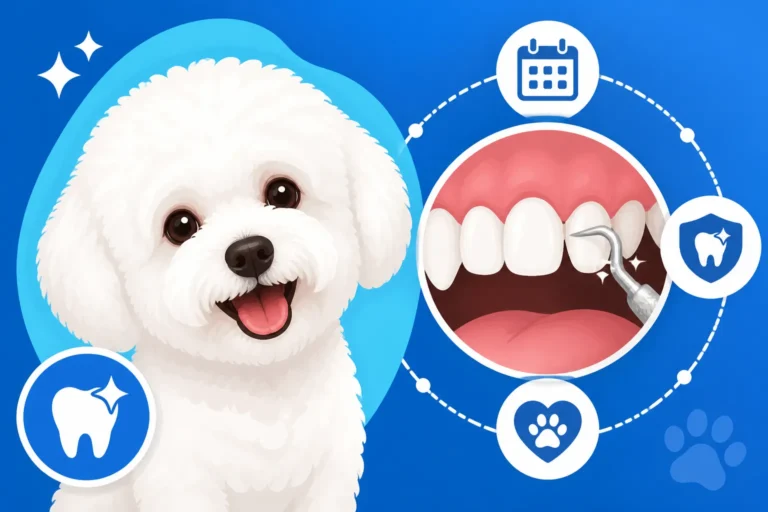
Oral health is often overlooked but becomes increasingly critical as a Bichon Frise ages. Years of plaque and tartar buildup can lead to severe dental disease in a Bichon Frise, causing pain, infection, and even impacting overall systemic health. You might notice extremely bad breath, discolored or loose teeth, bleeding gums, or a reluctance to eat hard kibble or chews they once loved.
Advanced dental disease can make eating painful, leading to weight loss and discomfort. Bacteria from severe gum disease can also enter the bloodstream, affecting vital organs like the heart, kidneys, and liver. Regular professional dental cleanings under anesthesia are often necessary for senior Bichons. While anesthesia carries some risks for older dogs, modern protocols, pre-anesthetic bloodwork, and careful monitoring significantly mitigate these. Discussing your Bichon's dental health with your vet and committing to home dental care, such as brushing with pet-specific toothpaste, is paramount to prevent worsening issues.
Behavioral Shifts in Senior Bichons
Beyond the physical changes, the way your Bichon Frise behaves can also offer strong clues that they're entering their senior years. These shifts might seem subtle at first, but they accumulate, indicating a need for adjustments in their daily life and your understanding.
Altered Routine and Activity Levels
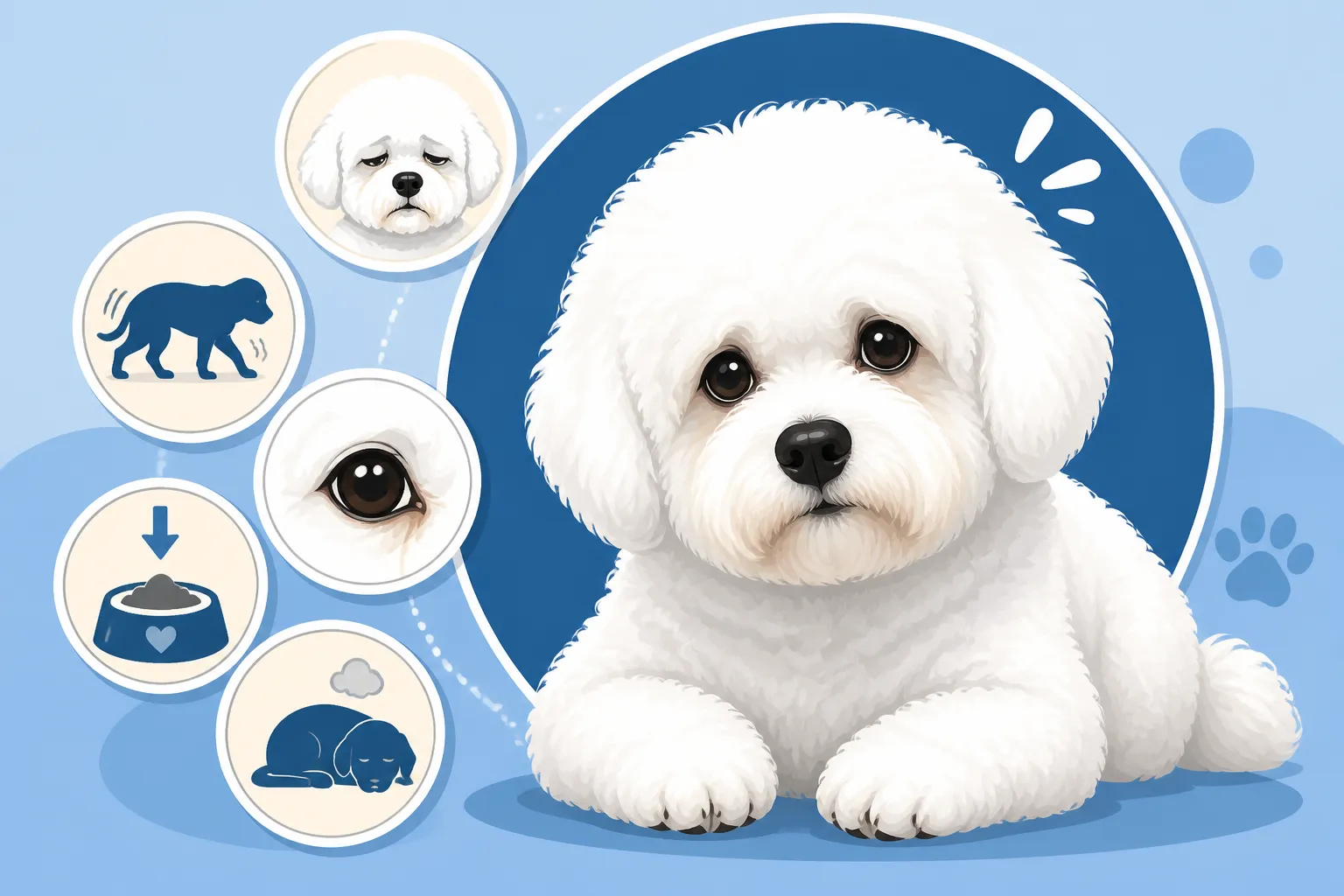
One of the most noticeable behavioral shifts in an aging Bichon is a general decrease in energy and a change in their daily routine. They might sleep more during the day, taking longer and deeper naps, and seem less interested in extended play sessions or long walks. Where they once might have enthusiastically greeted you at the door with a vigorous tail wag and a toy in their mouth, now they might offer a more subdued welcome, or even remain on their bed for a moment before slowly coming over.
This doesn't mean they've lost their joyful spirit entirely, but rather that their stamina and desire for intense activity have diminished. They might still enjoy short, gentle strolls around the block, sniffing all the interesting smells, but prolonged exercise will likely exhaust them. It's important to respect these changes and not push them beyond their comfort zone. Provide comfortable, easily accessible sleeping spots, perhaps an orthopedic bed, and ensure their environment is quiet and calm when they are resting. It’s also worth noting if they become restless at night, pacing or seeming unable to settle, as this can sometimes be a sign of discomfort or cognitive changes.
Changes in House-Training Habits
This is a particularly frustrating sign for many owners, especially given that a Bichon Frise is famously hard to housetrain in the first place. A previously perfectly house-trained Bichon might suddenly start having accidents indoors, which can be disheartening. However, these lapses are often not a sign of forgotten training, but rather a symptom of underlying physical changes. As Bichons age, their bladder control can weaken, and they might not be able to "hold it" as long as they once could. They might also develop increased urgency to urinate or defecate.
Beyond age-related weakening, increased accidents can also be a red flag for common senior health issues. Conditions like kidney disease, diabetes in a Bichon Frise, or even a urinary tract infection can lead to increased thirst and more frequent urination. Importantly, a very common issue for Bichon Frises as they age is the formation of bladder stones. If your senior Bichon is having frequent accidents, straining to urinate, or you notice blood in their urine, it’s imperative to get them to the vet immediately to rule out or treat issues like bladder stones or infections. Early detection and intervention are key to managing these conditions and maintaining their quality of life.
Increased Vocalization or Anxiety
Some senior Bichons may become more vocal as they age. This can manifest as increased whining, barking, or even howling, sometimes seemingly without a clear reason. This can be particularly confusing and upsetting for owners. This increased vocalization can be linked to several factors: it might be a sign of pain or discomfort they can't otherwise express, a symptom of hearing loss (they can't hear themselves as well, so they vocalize louder), or an indicator of cognitive dysfunction syndrome (CDS), where they become disoriented or anxious.
Anxiety can also become more pronounced in older Bichons. They might become more clingy, follow you from room to room, or show signs of separation anxiety even if they were fine being left alone before. Fear of thunderstorms or loud noises might worsen. Conversely, some senior Bichons might become more irritable or less tolerant of being handled, especially if they are experiencing pain. Observing these changes closely and discussing them with your vet is important, as management strategies – from medication to behavioral modifications and environmental enrichment – can help ease their discomfort. Having a good pet insurance policy, like one from Healthy Paws, can certainly help with the costs associated with investigating and treating these behavioral changes and underlying health issues.
Cognitive Decline and Mental Wellness
Just like people, dogs can experience cognitive changes as they age, sometimes leading to a condition known as Canine Cognitive Dysfunction (CCD) or "doggy dementia." Recognizing these signs is crucial, as early intervention and supportive care can significantly improve their quality of life.
Disorientation and Confusion
One of the most distressing signs of aging for many Bichon owners is seeing their once-sharp companion become disoriented. Your old Bichon Frise might get confused in familiar surroundings, such as standing in a corner staring at a wall, struggling to navigate around furniture they've lived with for years, or even getting "stuck" behind doors. They might forget where their food bowl is or where they usually go to the bathroom.
Another common manifestation of disorientation is a change in their sleep-wake cycles. A dog with cognitive decline might sleep more during the day but then become restless and wander at night, sometimes pacing or whining. This can be incredibly disruptive for both the dog and the household. Creating a structured routine, avoiding moving furniture, and ensuring they have a comfortable, quiet sleeping area can help mitigate some of this confusion. If you notice your old Bichon Frise gets confused, discussing it with your vet is important, as there are often medications and supplements that can help manage the symptoms of CCD.
Changes in Social Interaction
As a Bichon ages, their social interactions can shift dramatically. They might become less engaged with family members, showing less interest in being petted or played with. Some senior Bichons might become more withdrawn, preferring to sleep alone rather than cuddling on the couch. Conversely, others might develop increased clinginess, following you constantly or becoming anxious when you leave their sight, as mentioned earlier.
Sometimes, cognitive decline can lead to irritability. An older Bichon who was always tolerant of children or other pets might suddenly growl or snap if startled or approached too quickly. They might not recognize familiar people or pets, reacting with fear or aggression. These changes are rarely malicious; they are often rooted in confusion, pain, or heightened anxiety. It's essential to understand that these aren't deliberate acts of defiance but rather symptoms of their aging brain. Adapting your interactions to be gentle, predictable, and respecting their space is paramount.
Learning and Memory Issues
While Bichons are generally intelligent and eager to please, an aging brain can impact their ability to learn new commands or even remember old ones. You might find that teaching them a new trick feels impossible, or they might seem to "forget" cues they've known their whole life. This isn't stubbornness; it's a genuine decline in their cognitive function.
They might also exhibit repetitive behaviors, such as incessant licking of objects, pacing in circles, or staring blankly into space. While these behaviors can be signs of other underlying medical conditions, in a senior dog, they often point to cognitive dysfunction. Keeping their minds active with gentle puzzle toys, short training sessions reviewing old commands, and enriching their environment can help. Antioxidant-rich diets and supplements specifically formulated for brain health, sometimes found in specialized senior dog foods or prescribed by your vet, can also be beneficial in slowing the progression of cognitive decline.
Common Health Challenges in Older Bichons
While many signs of aging are natural, some can indicate underlying health conditions that require veterinary attention. Being aware of these common challenges in older Bichons allows for early detection and better management.
Kidney and Heart Health
As Bichons age, their organs also start to show wear and tear. Kidney disease is a silent and progressive condition often seen in senior dogs. Signs can include increased thirst, frequent urination (especially during the night), a dull coat, loss of appetite, and weight loss. If you notice your Bichon drinking constantly or having accidents indoors, it's crucial to have their kidney function checked by a vet. Early detection and dietary management can significantly slow the progression of kidney disease.
Heart disease, particularly mitral valve disease, is another common concern for smaller breeds like Bichons. Signs might include a persistent cough (especially at night or when excited), reduced stamina, difficulty breathing, or fainting spells. Your vet might detect a heart murmur during a routine check-up, even before symptoms appear. Regular veterinary check-ups, including blood tests and possibly a yearly eye exam or annual X-rays as part of a senior panel, are vital for monitoring these conditions. Pet insurance, like that offered by Healthy Paws, can be a lifesaver when it comes to the ongoing costs of managing chronic conditions such as heart or kidney disease.
Diabetes and Endocrine Issues
Diabetes in a Bichon Frise is a condition where the body either doesn't produce enough insulin or can't properly use the insulin it produces, leading to high blood sugar levels. While it can occur at any age, it's more common in middle-aged to senior dogs. Classic signs include excessive thirst and urination, increased appetite but with weight loss, and sometimes cataracts that develop rapidly. If left untreated, diabetes can lead to severe complications.
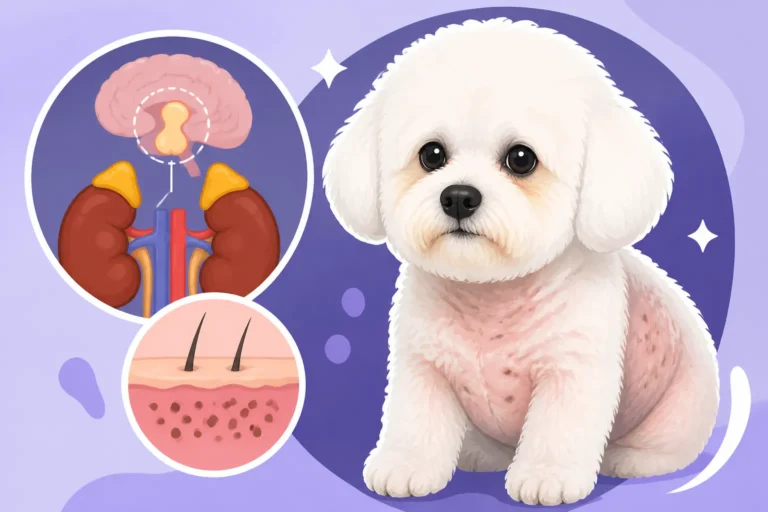
Other endocrine issues, such as hypothyroidism (underactive thyroid) or Cushing's disease (overactive adrenal glands), can also appear in older Bichons. Symptoms can be vague, ranging from lethargy, weight gain, and hair loss for hypothyroidism, to increased thirst, urination, a pot-bellied appearance, and thinning skin for Cushing's. These conditions require specific diagnostic tests and ongoing medical management. Regular veterinary screenings for senior dogs are incredibly important to catch these issues early.
Urinary Tract and Stone Recurrence
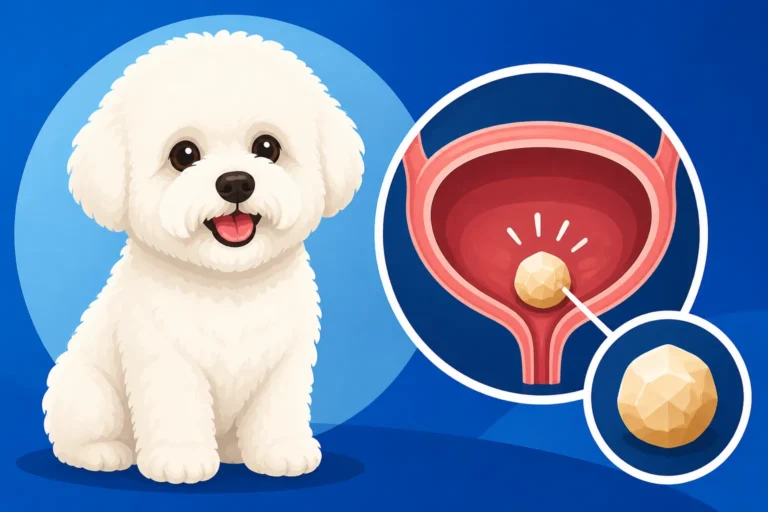
Bichon Frises have a well-documented genetic predisposition to forming urinary stones, particularly calcium oxalate stones. While they can form at any age, the risk can persist or even increase as they get older, especially if they haven't been on a strict preventative diet. For more insights, you can read about why a Bichon Frise forms stones twenty times as often. The signs that a Bichon Frise has stones include frequent urination, straining to urinate, passing small amounts of urine, licking their urinary opening excessively, and sometimes blood in the urine. These symptoms can be easily confused with simple aging-related incontinence or a urinary tract infection, which often accompanies stones.
If your senior Bichon starts showing these signs, prompt veterinary attention is crucial. Diagnostics like urinalysis and X-rays or ultrasound will be needed to identify the problem. If stones are present, they often need to be removed surgically or managed through a specific prescription diet. After stone removal, a Bichon Frise must stay on a specific diet for life, and careful monitoring is necessary to prevent recurrence. This is a significant health concern that many Bichon owners face as their dogs age.
Lumps, Bumps, and Cancer Risk
As mentioned earlier with skin changes, older Bichons are more prone to developing various lumps and bumps. While many are benign, the risk of cancer increases with age across all dog breeds. Lumps can appear on or under the skin, in the mouth, or even internally, impacting organs. It's not just visible lumps; unexplained weight loss, lethargy, decreased appetite, or changes in breathing can also be subtle signs of internal tumors.
It's a good habit to perform regular "lump checks" on your Bichon, gently feeling over their body while petting them. Any new lump, or any existing lump that changes in size, shape, or consistency, should be evaluated by your veterinarian. They might recommend aspiration (drawing cells with a needle for microscopic examination) or a biopsy to determine if the growth is benign or malignant. Early detection of cancerous growths significantly improves the prognosis and treatment options.
| Sign of Aging | Possible Cause(s) | When to See a Vet |
|---|---|---|
| Increased Napping | Natural aging, fatigue, pain, underlying illness | If sudden, excessive, or accompanied by other symptoms |
| Stiffness / Limping | Arthritis, joint pain, injury | Any noticeable lameness or difficulty moving |
| Accidents Indoors | Weakened bladder, UTI, kidney disease, diabetes, bladder stones | Immediately, especially if straining or blood is present |
| Increased Thirst/Urination | Kidney disease, diabetes, Cushing's disease | If significant and persistent changes are noted |
| Disorientation / Pacing | Canine Cognitive Dysfunction (CCD), pain, anxiety | If frequent, severe, or disrupting sleep cycles |
| Changes in Appetite | Dental pain, illness, organ issues, medications | If persistent loss of appetite or sudden increase |
| New Lumps or Bumps | Fatty tumors, cysts, warts, cancer | Any new growth, or changes to existing ones |
| Persistent Cough | Heart disease, collapsing trachea, allergies | Any new or worsening cough |
| Vision / Hearing Loss | Natural aging, cataracts, glaucoma, ear infections | If sudden, severe, or impacting quality of life |
| Irritability / Anxiety | Pain, CCD, fear, underlying illness | If sudden personality changes or increased distress |
As your beloved Bichon Frise enters their senior years, the changes you observe are a natural part of life's journey. Being attentive to these signs, understanding their potential causes, and working closely with your veterinarian are the best ways to ensure their comfort, health, and happiness. While the average age a Bichon Frise reaches is between fourteen to fifteen years, the quality of those later years depends heavily on the care and vigilance you provide.
Disclaimer
The information provided in this article is for educational purposes only and is not intended to be a substitute for professional veterinary advice, diagnosis, or treatment. Always seek the advice of your veterinarian or other qualified health provider with any questions you may have regarding a medical condition.