Whether an Old Bichon Frise Gets Confused
It's incredibly heartbreaking to watch your once vibrant, bouncy Bichon Frise start to slow down, and even more so when they begin to show signs of confusion. You might find yourself wondering if their absent stares or moments of disorientation are just part of getting old, or if something more is going on. This guide is here to walk you through understanding why an old Bichon Frise might seem confused, what those signs could mean, and how you can support your beloved companion through their golden years.
Understanding Canine Cognitive Dysfunction CCD in Bichon Frises
Watching your senior Bichon Frise become confused can be one of the most distressing parts of their aging journey. It’s not just a cute quirk; it’s a genuine concern that points to changes happening within their brain. Just like people, dogs can experience cognitive decline as they get older, a condition formally known as Canine Cognitive Dysfunction (CCD). It’s often compared to Alzheimer’s disease in humans, and while it doesn't manifest identically, the core idea of a deteriorating brain function leading to confusion and memory loss is very much the same.
What is CCD and How Does it Manifest?
Canine Cognitive Dysfunction is a progressive neurobehavioral syndrome that affects older dogs, leading to a decline in their cognitive abilities. This isn't just about them forgetting a trick or two; it impacts their memory, learning, awareness, and decision-making skills. For a Bichon Frise, whose typical lifespan can reach The Fourteen to Fifteen Years a Bichon Frise Lives, reaching senior status means they are more susceptible to these age-related changes.
The signs can be subtle at first and gradually worsen. You might notice your Bichon staring blankly at a wall, getting stuck behind furniture, or struggling to navigate a space they’ve known their whole life. They might seem disoriented, especially in new environments or even in familiar parts of your home, like the living room or backyard. This disorientation can be incredibly frightening for them, leading to increased anxiety or even panic. Think about how disorienting it would be to suddenly not recognize your own bedroom – that's potentially what they're experiencing.
Beyond spatial confusion, CCD can affect their social interactions. A once-friendly Bichon might become withdrawn, less enthusiastic about greetings, or even irritable when approached. They might forget house-training rules they've known for years, leading to accidents indoors, which can be frustrating for owners but is a clear symptom of cognitive decline, not defiance. Their sleep-wake cycles can get thrown off, meaning they might pace and vocalize at night, then sleep all day. It’s a profound shift, and it’s important to remember that these behaviors are not intentional; they're symptoms of a neurological condition.
Why Bichon Frises Might Be Prone to CCD
While no specific breed is definitively more "prone" to Canine Cognitive Dysfunction in the way that some breeds are predisposed to certain joint problems or heart conditions, the simple fact is that all dogs, regardless of breed, become more susceptible to CCD as they age. However, breeds known for their longevity, like the Bichon Frise, statistically have a higher chance of developing CCD simply because they live long enough to reach the age bracket where it commonly occurs.
Bichons are generally a robust and healthy breed, but as they age, their bodies and minds naturally start to experience wear and tear. The Age a Bichon Frise Counts as Senior typically starts around 8-10 years old, and it's in these later years that cognitive decline can begin to manifest. It's not a fault of the breed itself, but rather a natural consequence of their longer lives allowing them to reach the age where these neurological changes become more prevalent. Factors like genetics, overall health throughout their life, nutrition, and environmental enrichment can all play a role in how and when CCD might present itself, but ultimately, it's an age-related condition that many senior dogs face.
Common Signs of Confusion in an Aging Bichon Frise
Identifying the signs of confusion in your senior Bichon Frise is the first step toward understanding and managing their condition. It's often subtle at first, manifesting as slight changes in their daily habits or reactions. You know your Bichon best, so pay close attention to any departures from their normal behavior, no matter how small they seem.
Disorientation and Spatial Confusion
One of the hallmark signs of confusion in an aging Bichon Frise is disorientation, especially in familiar surroundings. It's heartbreaking to see, but your dog might start to get lost or confused in their own home.
- Getting Stuck: Imagine your Bichon, who once navigated your home with grace, suddenly gets stuck behind a door they usually push open, or corners themselves behind the sofa, looking puzzled about how to get out. They might stare at a blank wall or a corner of the room as if waiting for something to happen or being unsure of their surroundings.
- Difficulty with Routine Paths: Perhaps they hesitate at the top or bottom of stairs, even though they've climbed them countless times. They might struggle to find their food bowl or water dish, or wander aimlessly in the yard instead of heading straight to their favorite potty spot. This isn't forgetfulness in the way we might forget where we put our keys; it's a profound lack of spatial awareness.
- Lack of Recognition of People or Objects: While less common in early stages, severe CCD can lead to your Bichon not recognizing family members or other pets. They might approach you cautiously as if you're a stranger, or not respond to their name with the usual enthusiasm. They might also appear startled by common household objects they've seen every day. This is a very difficult symptom for owners to witness, as it feels like they're losing connection with their beloved pet.
Altered Interactions and Personality Changes
Confusion can deeply impact your Bichon's emotional state and how they interact with the world and with you. Their bright, merry temperament, which is so characteristic of the breed, can unfortunately dim.
- Increased Anxiety or Fear: A confused Bichon may become more anxious, especially when left alone or when their routine is disrupted. They might start to shadow you constantly, seeking reassurance, or they may become clingy. Conversely, some dogs might become more withdrawn, preferring to sleep alone or avoid interaction. You might notice them pacing more often, trembling, or becoming easily startled by sounds or movements that never bothered them before.
- Irritability or Aggression: While not typical for the sweet-natured Bichon, some dogs with CCD can become irritable or even display uncharacteristic aggression if they are confused, startled, or in pain. They might snap if touched unexpectedly, particularly if they are also experiencing pain from conditions like Arthritis in a Bichon Frise at Eleven or Dental Disease in a Bichon Frise. This is usually a sign of fear or discomfort, not maliciousness.
- Changes in Affection or Play: A Bichon who once loved cuddling and playing fetch might show less interest in these activities. They might not greet you at the door with the same excitement, or they may forget to bring you toys to initiate play. This decline in social engagement can be a clear indicator of cognitive changes affecting their emotional responses and memory of past interactions.
Changes in Sleep-Wake Cycles and House-Training
These are often some of the most frustrating and noticeable changes for owners, but it's crucial to remember they stem from neurological confusion.
- Disrupted Sleep Patterns: Many senior dogs with CCD experience a reversal of their normal sleep-wake cycle. They might sleep profoundly during the day, then become restless, pace, whine, or bark excessively at night. This nocturnal activity can be incredibly disruptive to both your household and your Bichon's well-being. It's as if their internal clock has gone haywire, and they can't distinguish between night and day.
- Loss of House-Training: This is a particularly challenging symptom. Your Bichon, who has been perfectly house-trained for years, might suddenly start having accidents indoors. They might urinate or defecate in places they never would have before, sometimes right after being outside. This isn't an act of defiance; it's often because they've forgotten the appropriate place to eliminate, or they no longer recognize the signals their body is sending them. Whether an Old Bichon Frise Becomes Incontinent can also be a factor, but often with CCD, it's more about confusion than just a loss of bladder control. They may simply "forget" they need to go out, or forget how to ask.
Ruling Out Other Health Issues Causing Confusion
It's vital to understand that while your Bichon Frise might seem confused, it's not always Canine Cognitive Dysfunction. Many other health conditions, common in senior dogs, can present with similar symptoms, making it tricky to pinpoint the exact cause without professional veterinary help. That's why a thorough check-up is always the very first step.
Medical Conditions Mimicking CCD Symptoms
Several treatable medical conditions can make your Bichon appear confused or disoriented. These are important to rule out because, unlike CCD which has no cure, these conditions often have effective treatments that can significantly improve your dog's quality of life.
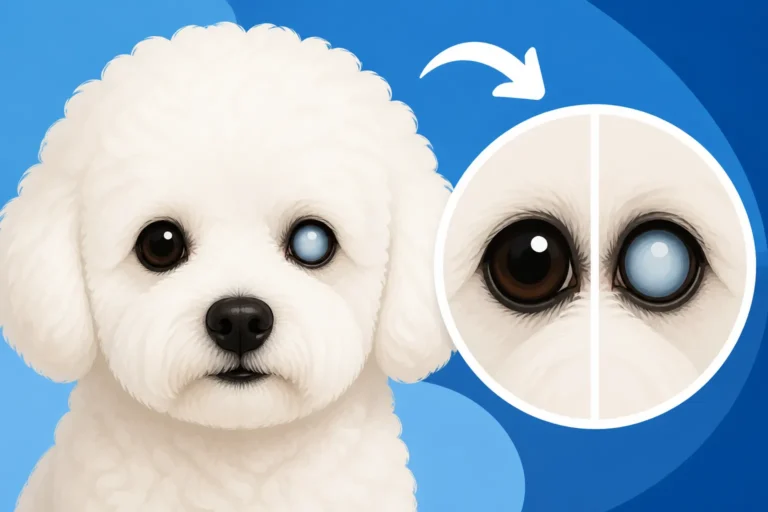
- Vision and Hearing Loss: As dogs age, their senses naturally decline. Severe vision impairment can make your Bichon bump into things, get disoriented in familiar spaces, or seem anxious, mimicking signs of confusion. Similarly, significant hearing loss can make them less responsive to commands or their name, leading you to believe they're "forgetting" when they simply can't hear you. The Eyes a Bichon Frise Inherits can predispose them to certain eye conditions that worsen with age, further impacting their spatial awareness.
- Pain: Chronic pain, perhaps from severe arthritis or other orthopedic issues like Slipping Kneecaps in a Bichon Frise, can make a dog reluctant to move, appear withdrawn, and even cause them to snap if touched. Dogs in pain may also struggle to get comfortable, leading to restlessness at night, which might be mistaken for CCD-related sleep disruption. A dog whose body hurts may not want to engage, and this can be confused with cognitive decline.
- Metabolic Diseases: Conditions affecting organs like the kidneys, liver, or thyroid can cause a build-up of toxins or imbalances in the body, which directly affect brain function. For instance, advanced kidney or liver disease can lead to lethargy, disorientation, and even seizures. Thyroid issues, such as hypothyroidism, can also cause dullness, weight gain, and mental sluggishness. If your Bichon has diabetes, a condition covered in Whether a Bichon Frise Gets Diabetes, poorly managed blood sugar levels can also lead to neurological signs.
- Endocrine Disorders: Cushing's Disease in a Bichon Frise Past Seven is another common ailment in older Bichons that can cause a variety of symptoms, including increased thirst and urination, a pot-bellied appearance, and sometimes even neurological signs like lethargy or weakness that could be misinterpreted as confusion. While Cushing's itself doesn't directly cause CCD, the systemic stress it puts on the body can certainly exacerbate cognitive issues or create symptoms that overlap.
- Brain Tumors or Other Neurological Issues: In rarer but more serious cases, a brain tumor, stroke, or other neurological insult can directly affect a Bichon's cognitive function, leading to acute confusion, seizures, behavioral changes, or disorientation. These conditions require immediate veterinary attention and advanced diagnostics.
The Importance of a Thorough Veterinary Examination
Given the overlap in symptoms between CCD and other medical conditions, a comprehensive veterinary examination is absolutely non-negotiable when your old Bichon Frise starts showing signs of confusion. Your vet will act as a detective, systematically ruling out treatable causes before considering a diagnosis of CCD.
Here’s what a thorough examination might involve:
- Full Physical Exam: This will include checking their eyes, ears, teeth (as How Often a Bichon Frise's Teeth Need Scaling is a common concern), heart, and abdomen. The vet will assess for any signs of pain, masses, or abnormalities.
- Blood Work: A complete blood count (CBC) and a biochemistry panel will evaluate organ function (kidneys, liver, thyroid) and check for infections, anemia, or other systemic issues. These tests are crucial for identifying metabolic diseases that can impact brain function.
- Urinalysis: A urine sample can reveal urinary tract infections, kidney issues, or diabetes, all of which can influence behavior and overall well-being.
- Blood Pressure Measurement: High blood pressure can sometimes lead to neurological changes or even strokes in older dogs.
- Neurological Examination: This involves specific tests to assess reflexes, coordination, gait, and cranial nerve function, helping the vet pinpoint if there’s a primary neurological problem.
- Further Diagnostics: If the initial tests are inconclusive, or if a more serious condition is suspected, your vet might recommend advanced imaging like X-rays (to check for things like heart enlargement, which can lead to reduced oxygen to the brain, as discussed in Whether a Bichon Frise Gets a Heart Murmur), ultrasound, or even an MRI or CT scan to get a detailed view of the brain. These more advanced diagnostics can be costly, and this is where having pet insurance can be a huge help. Many pet parents find policies from providers like Healthy Paws invaluable for covering a significant portion of these unexpected expenses, ensuring their Bichon gets the best possible care without financial strain being the primary concern. Healthy Paws can make a real difference when exploring complex diagnoses.
Only after ruling out all other potential medical explanations will your vet likely consider a diagnosis of Canine Cognitive Dysfunction. Even then, the diagnosis is often one of exclusion, meaning it’s made when other causes have been eliminated, and the symptoms are consistent with CCD. This comprehensive approach ensures that your Bichon Frise receives the most accurate diagnosis and appropriate management plan. Getting these diagnostic tests done, even if they seem extensive, is really the best way to determine What Bichon Frises Are Most Often Treated For and address the root cause of their confusion.
Strategies for Managing Confusion in Your Senior Bichon Frise
Once other medical conditions have been ruled out, and Canine Cognitive Dysfunction is the most likely diagnosis, the focus shifts to managing the symptoms and improving your Bichon's quality of life. While there's no cure for CCD, there's a lot you can do to support your furry friend and make their golden years as comfortable and peaceful as possible.
Creating a Supportive Home Environment
Making thoughtful adjustments to your home environment can significantly reduce stress and confusion for your aging Bichon. Think about it from their perspective – what once was familiar might now seem daunting.
- Maintain a Consistent Routine: Dogs thrive on routine, and for a cognitively challenged Bichon, predictability is paramount. Stick to consistent feeding times, walk schedules, and potty breaks. This helps them anticipate what comes next and reduces anxiety. Try to keep their sleeping area, food, and water bowls in the same place.
- Simplify Their World: Remove clutter and ensure clear pathways, especially in areas your Bichon frequents. If they're struggling with stairs, consider blocking access or carrying them to prevent falls. Place non-slip rugs on slippery floors, as this can help with their confidence and mobility, especially if they have issues like Slipping Kneecaps in a Bichon Frise.
- Provide Familiar Comforts: Keep their favorite bed, blankets, and toys easily accessible. The scent of familiar items can be very reassuring. If they are prone to accidents, consider washable bedding or pet-friendly pads, but always maintain regular trips outside.
- Gentle Guidance: If your Bichon gets stuck or disoriented, gently guide them back to familiar territory rather than startling them. Use soft vocal cues and a calm demeanor. Consider baby gates to confine them to a safe, easily navigable area when you can't supervise directly. For Bichons struggling with house-training, regular trips outside, perhaps every 2-3 hours, can help prevent accidents, as mentioned in Whether an Old Bichon Frise Becomes Incontinent.
- Night Lights: If your Bichon is disoriented at night, leaving a soft night light on can help them navigate their surroundings and reduce anxiety, especially if they are waking up confused about where they are.
Diet, Supplements, and Medications
Nutrition and targeted treatments play a significant role in supporting cognitive health. It’s always best to discuss these options with your veterinarian.
- Prescription Cognitive Support Diets: Many veterinary brands offer specialized diets formulated for aging dogs with cognitive decline. These diets are typically enriched with antioxidants, omega-3 fatty acids (like DHA and EPA), medium-chain triglycerides (MCTs), and other nutrients that support brain health. Brands like Purina Pro Plan Veterinary Diets NeuroCare or Hill's Prescription Diet b/d are often recommended by vets. These diets aim to provide the brain with alternative energy sources and combat oxidative stress, which contributes to cognitive decline.
- Supplements: Beyond prescription diets, several supplements might be beneficial. Omega-3 fatty acids, particularly DHA, are crucial for brain function. Antioxidants like Vitamin E and C, L-carnitine, and alpha-lipoic acid can help protect brain cells from damage. SAMe (S-adenosylmethionine) is another supplement that has shown promise in improving cognitive function and mood. Always consult your vet before starting any supplements, as they can interact with other medications or conditions.
- Medications: The most common prescription medication for Canine Cognitive Dysfunction is selegiline hydrochloride (Anipryl®). This drug works by increasing dopamine levels in the brain, which can improve cognitive function and reduce some behavioral symptoms associated with CCD. It's not a cure but can help manage symptoms in some dogs. Your vet will assess if this medication is appropriate for your Bichon and monitor them for any side effects. Remember, the cost of long-term medication, much like diagnostic tests, can be eased with good pet insurance. Healthy Paws plans can often help cover these ongoing prescription costs, which can add up significantly over time.
- Addressing Concurrent Health Issues: Remember, any underlying health issues that were ruled out but managed, like Whether a Bichon Frise Gets Diabetes or Cushing's Disease in a Bichon Frise Past Seven, must continue to be treated. Optimal management of these conditions will also contribute to your Bichon's overall well-being and cognitive clarity.
Mental Stimulation and Gentle Exercise
Even senior Bichons with cognitive decline benefit from appropriate mental and physical activity. It’s about keeping their minds and bodies engaged without over-stressing them.
- Short, Familiar Walks: Gentle, regular walks in familiar, safe environments are excellent for physical health and mental stimulation. They provide opportunities for sniffing and exploring, which is a powerful cognitive exercise for dogs. Avoid new, chaotic environments that might overwhelm a confused Bichon.
- Puzzle Toys and Interactive Feeders: These can provide mental enrichment by making your Bichon "work" for their food. Start with simple puzzles and gradually increase difficulty if appropriate. This helps keep their mind active and engaged, even if they aren't as agile as they once were.
- Gentle Play Sessions: Continue to engage your Bichon in short, gentle play sessions with their favorite toys, if they are interested. This maintains a bond and provides some physical and mental exercise. Be mindful of their energy levels and don't push them too hard.
- Positive Reinforcement Training: Even older dogs can learn new things or relearn forgotten cues. Short, positive training sessions using simple commands and high-value treats can stimulate their brain and reinforce desirable behaviors. Patience is key here.
- Social Interaction: Keep your Bichon engaged with family members. Gentle petting, brushing, and quiet conversation can be comforting and help maintain social bonds. Avoid overwhelming them with too many new people or boisterous interactions.
By implementing these strategies, you can provide a loving, supportive environment that helps your senior Bichon Frise manage the challenges of cognitive dysfunction, allowing them to enjoy their remaining years with dignity and comfort. It's truly about Caring for a Bichon Frise Past Eleven in a holistic way, adapting to their changing needs.
| Symptom Category | Signs Often Seen in CCD | Signs That Could Be Other Conditions |
|---|---|---|
| Disorientation | Getting stuck, staring blankly, wandering aimlessly, getting lost in familiar rooms. | Bumping into objects due to vision loss, hesitation due to pain. |
| Interaction Changes | Reduced greeting enthusiasm, increased anxiety/clinginess, irritability if startled, decreased play interest. | Withdrawal due to pain, aggression due to fear (hearing loss), lethargy from metabolic disease. |
| Sleep/Wake Cycles | Nocturnal restlessness, pacing, vocalizing at night, sleeping more during the day. | Restlessness due to pain, needing to urinate frequently (UTI, diabetes, Cushing's). |
| House-Training | Accidents indoors, forgetting to ask to go out, eliminating in inappropriate places. | Frequent urination due to UTI/diabetes, incontinence, pain making it hard to get outside. |
| Activity Level | Decreased activity, less exploration, reduced enthusiasm for walks/play. | Lethargy due to pain, heart disease, anemia, thyroid issues, diabetes. |
Ultimately, understanding Knowing When an Old Bichon Frise Has Had Enough is a difficult decision every pet owner may face, and providing comfort and quality of life is paramount.
Final Thoughts
Watching your beloved Bichon Frise navigate the complexities of old age, especially when confusion starts to creep in, can be one of the hardest parts of being a pet parent. It's a journey filled with both challenges and opportunities to show unwavering love and support. Remember, a confused Bichon isn't intentionally misbehaving; they're struggling with neurological changes that are beyond their control.
The most important takeaway is this: if you notice any signs of confusion or significant behavioral changes in your senior Bichon Frise, don't hesitate to reach out to your veterinarian immediately. While Canine Cognitive Dysfunction is a common age-related condition, many other treatable health issues can mimic its symptoms. A thorough vet check-up is essential to rule out these possibilities and ensure your furry friend receives the most accurate diagnosis and appropriate care plan. With patience, understanding, and dedicated veterinary partnership, you can help your Bichon Frise maintain the best possible quality of life through their golden years.
Disclaimer
This article is intended for informational purposes only and does not constitute veterinary advice. Always consult with a qualified veterinarian for any health concerns or before making any decisions about your pet's medical care or treatment plan. Individual pet needs may vary.