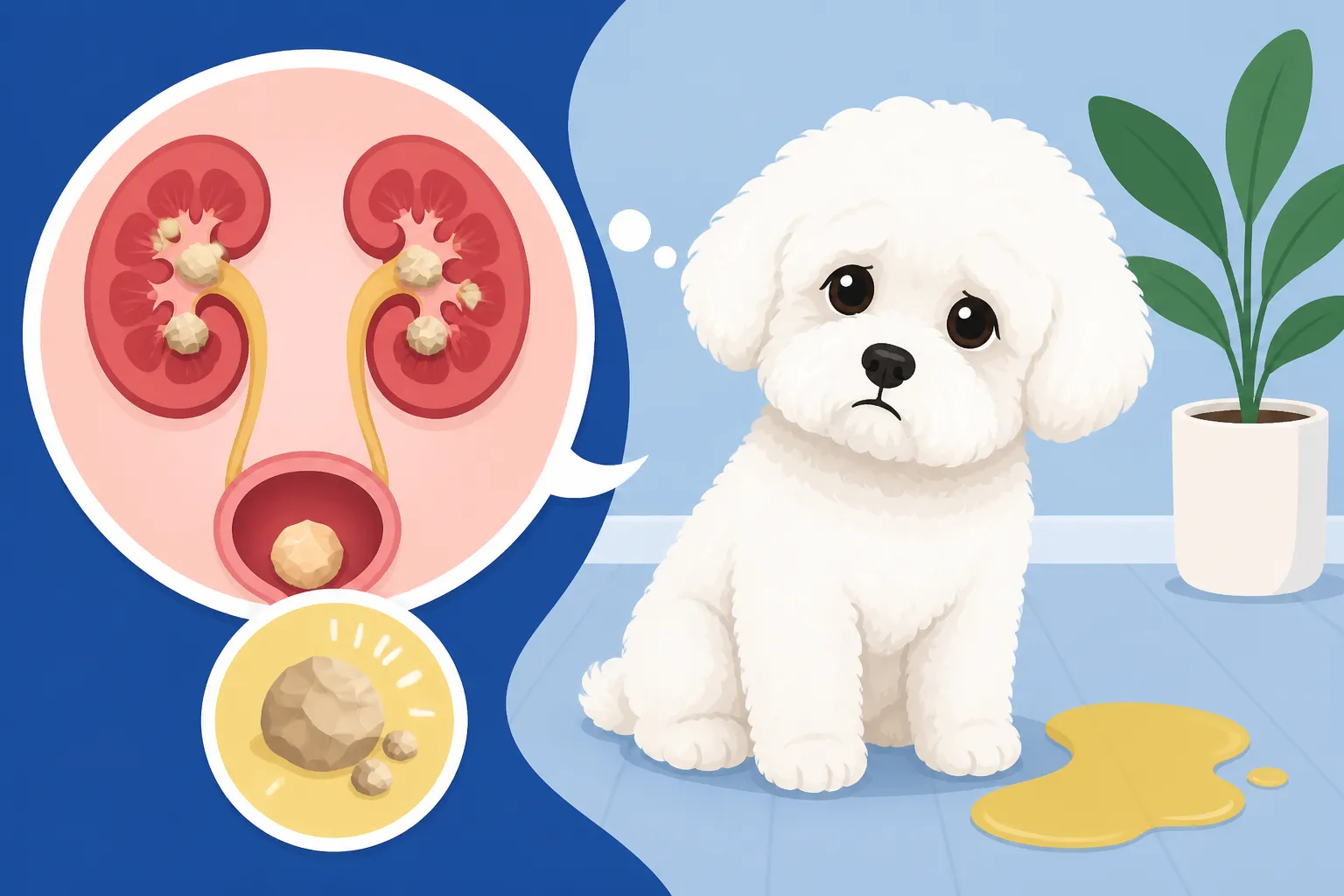
Whether Stone Trouble Explains a Bichon Frise’s Accidents
It’s absolutely heartbreaking when your sweet Bichon Frise, who you thought was perfectly housetrained, suddenly starts having accidents indoors. You might find yourself frustrated, confused, and even a little angry, wondering what went wrong with all your hard work. But before you blame yourself or your furry friend for a sudden regression in housetraining, it’s crucial to consider that these accidents might not be a behavioral issue at all, but rather a cry for help from a painful medical condition, specifically bladder stones. This guide will help you understand the strong connection between bladder stones and housetraining problems, and how to recognize the signs that your Bichon might be suffering in silence.
The Link Between Bladder Stones and Housetraining Accidents
Imagine having a sharp pebble rattling around inside your bladder – sounds incredibly uncomfortable, right? That’s essentially what bladder stones are like for your Bichon Frise. These mineral formations can cause immense pain and irritation, directly impacting your dog's ability to control their urination, no matter how well-trained they once were. It’s a common misconception that all accidents are purely behavioral, but with Bichons, especially given their predisposition to certain types of stones, we really need to look at the medical side first.
How Stones Affect Urination Habits
When bladder stones are present, they can cause inflammation and irritation of the bladder lining. This chronic irritation leads to a constant feeling of needing to urinate, even if there’s only a small amount of urine in the bladder. For your Bichon, this translates into an increased frequency of urination, often with an urgent need to go right now. They might not even be able to hold it long enough to get outside, leading to accidents right where they stand or just inside the door. It’s not that they’ve forgotten their training; it’s that their body is physically unable to comply with the learned behavior due to the discomfort and overwhelming urge. Think of it like a human with a severe bladder infection – the need to go is sudden and intense, and sometimes impossible to hold. This is a very common scenario for a Bichon experiencing this kind of internal distress.
Misinterpreting Accidents as Behavioral Issues
It’s so easy to fall into the trap of thinking these accidents are purely behavioral. You might scold your dog, try to reinforce old training methods, or even restrict their access to certain areas of the house. However, if the root cause is medical, these approaches won't work and can actually make the situation worse by increasing your dog’s anxiety and fear. Your Bichon might become distressed because they know they’re doing something "wrong" but physically cannot help it. This cycle of accidents, frustration, and punitive measures can severely damage the bond you share with your dog. It's vital to remember that a previously housetrained dog who suddenly starts having frequent accidents is almost always experiencing a medical issue, not a sudden lapse in manners. They are trying their best, but their body is betraying them.
The Specific Urgency and Frequency
Bichons with bladder stones often display a very particular pattern of urination. You might notice them asking to go out much more frequently than usual, sometimes just minutes after coming back inside. When they do go out, they might only produce a small amount of urine each time, or strain as if trying to push something out. This straining, called stranguria, is a huge red flag. They may even squat repeatedly without producing any urine at all. Indoors, the accidents might be small puddles, but they're numerous. The urgency can be so profound that they simply can’t wait, even if you’re heading for the door. These aren’t lazy or defiant accidents; they’re symptoms of an irritated bladder crying out for relief. Keep an eye on how much they actually urinate, not just how often they squat.
Recognizing the Signs: When to Suspect Stones Over Training Lapses
Distinguishing between a training regression and a medical emergency like bladder stones is critical for your Bichon's health and comfort. As owners, we spend so much time focusing on their behavior, it can be easy to overlook physical symptoms, especially subtle ones. But knowing what to look for can make all the difference.
Red Flags Beyond Just Accidents
While accidents are the most obvious sign, there are other crucial indicators that suggest bladder stones are the culprit. The most alarming sign is blood in the urine, which can range from a faint pink tinge to a noticeable red. This indicates significant irritation and inflammation within the urinary tract. You might also observe your Bichon straining excessively while trying to urinate, or exhibiting discomfort, perhaps whimpering or adopting an unusual stance. Frequent licking of the genital area is another common sign, as the irritation from the stones can cause itchiness or pain. They might also appear restless, seem to have less energy, or even lose their appetite due to the constant discomfort. Any combination of these symptoms, especially in conjunction with accidents, strongly points towards a medical issue. You can read more about The First Signs a Bichon Frise Has Stones to get a clearer picture.
Changes in Previously Housetrained Dogs
One of the strongest clues that something medical is at play is a sudden change in a dog who was previously reliably housetrained. If your Bichon has been consistent for months or years, and then inexplicably starts having accidents, especially if they are frequent and urgent, it's highly unlikely to be a training issue. A well-established routine doesn't just unravel overnight without a reason. This abrupt shift should immediately raise concerns about underlying health problems. It's often accompanied by other subtle changes in behavior or demeanor that you might not initially connect to urination, but which are all part of the discomfort your dog is feeling. For example, a dog who usually loves to play might become withdrawn or less enthusiastic. This regression isn’t defiance; it’s a symptom. You might find it useful to compare this with typical housetraining challenges discussed in How Many Weeks a Bichon Frise Takes to Be Clean.
Differentiating Medical vs. Behavioral Accidents
It can be tough to tell the difference, especially when you're frustrated. Here's a quick guide to help you differentiate:
| Feature | Behavioral Accident | Medical Accident (Stones/UTI) |
|---|---|---|
| Onset | Gradual, or tied to a specific stressor/change | Sudden, often without clear external trigger |
| Frequency | Variable, often related to owner absence/attention seeking | Increased, frequent small amounts, urgent need to go |
| Location | Often in specific "protest" spots, or when left alone | Anywhere, often near the door or where the urge strikes |
| Urgency | Less immediate, dog might hesitate or signal late | Extreme, immediate need to go, may not be able to hold it |
| Straining | Rare | Common, dog hunches or pushes, may whine |
| Volume of Urine | Normal or large puddle | Small, frequent puddles |
| Color of Urine | Normal (yellow) | May be bloody, cloudy, or discolored (see Whether Blood in a Bichon Frise's Urine Means Stones) |
| Licking Genitals | Rare | Frequent |
| Overall Demeanor | May seem anxious, bored, or attention-seeking | May seem uncomfortable, restless, lethargic, painful |
This table helps illustrate why looking beyond just "accidents" is so important. If you’re seeing multiple signs from the "Medical Accident" column, it's time to act.
What to Do If You Suspect Bladder Stones
If you've noticed any of the red flags discussed, or your perfectly housetrained Bichon has suddenly started having accidents, the very first and most important step is to contact your veterinarian immediately. Do not delay, as bladder stones can quickly escalate into a life-threatening emergency, especially if they cause a blockage. Whether a Straining Bichon Frise Is an Emergency highlights the gravity of the situation.
Immediate Veterinary Consultation
When you call your vet, describe all the symptoms you've observed, no matter how minor they seem. Mention the frequency of urination, any straining, the color of the urine (if you've seen it), and any changes in your dog's overall behavior or appetite. It’s also helpful to collect a fresh urine sample if possible before your appointment, as this can speed up the diagnostic process. Your vet will likely want to see your Bichon right away for an examination and diagnostic tests. Trying to treat the problem yourself with home remedies or waiting to see if it gets better on its own is extremely risky and could lead to severe complications for your dog. Timely intervention is crucial for a positive outcome.
Diagnostic Process
Once at the vet, they will typically perform a thorough physical examination, paying close attention to your Bichon’s abdomen. The next steps usually involve a urine analysis (urinalysis) to check for infection, blood, crystals, and pH imbalances. The presence of crystals, while not definitive for stones, is a strong indicator. To confirm bladder stones, imaging is essential. This usually means X-rays and/or an ultrasound. X-rays can reveal the presence of certain types of stones, like calcium oxalate stones, which are common in Bichons, but not all stones are visible on X-ray. An ultrasound, however, can often detect even small stones and provide a clearer picture of the bladder's condition and the presence of any blockages. The diagnostic process is quick and relatively non-invasive, providing answers so treatment can begin. Knowing How a Vet Confirms Stones in a Bichon Frise can help you understand what to expect.
Management and Treatment
The treatment for bladder stones depends entirely on the type of stone your Bichon has. Some stones, like struvite stones, can often be dissolved with a special prescription diet and antibiotics if a bacterial infection is present. This diet specifically alters the urine's pH and composition to break down the stones over several weeks or months. Other types of stones, particularly calcium oxalate stones, which are very common in Bichons and often recur, cannot be dissolved. For these, surgical removal (cystotomy) is usually necessary. During surgery, the stones are physically removed from the bladder. In some cases, very small stones can be flushed out of the bladder (urohydropropulsion) under sedation. After treatment, managing the underlying condition, often with a lifelong prescription diet, is key to preventing recurrence. Addressing the stones directly will almost always resolve the housetraining issues, as the source of pain and urgency is removed.
Preventing Recurrence and Supporting Future Housetraining
Dealing with bladder stones once is enough for any pet parent. The good news is that with proper management, you can significantly reduce the risk of recurrence and help your Bichon regain confidence in their housetraining. It's a team effort between you, your vet, and your furry friend.
Ongoing Dietary Management
For many Bichons who have experienced bladder stones, especially calcium oxalate stones, a prescription urinary diet becomes a lifelong commitment. These diets are carefully formulated to create an environment in the bladder that discourages stone formation. For instance, specific diets are designed to reduce the concentration of stone-forming minerals and maintain an ideal urine pH. It's critical that your Bichon eats only this prescribed food and that treats are either eliminated or strictly limited to those approved by your vet as compatible with the urinary diet. Even a small amount of "regular" food or an inappropriate treat can undermine the effectiveness of the diet and significantly increase the risk of stones returning. This can be a challenge, as Bichons can be notoriously charming beggars, but it’s vital for their long-term health. You can learn more about The Diet a Bichon Frise Stays On for Life. When looking for compatible treats, you might find some good options on platforms like Amazon, but always, always check with your vet first to ensure they won't interfere with the specialized diet.
Monitoring and Regular Check-ups
Prevention doesn't stop with diet. Regular monitoring is absolutely essential. Your vet will likely recommend periodic urine tests and potentially imaging (X-rays or ultrasound) to check for any signs of new stone formation. The frequency of these check-ups will depend on your Bichon's specific history and the type of stones they had, but yearly or even semi-annual checks are not uncommon. These check-ups are crucial for catching any potential recurrence early, before stones become large or cause significant problems. It's also a good idea to continue observing your Bichon's urination habits closely at home. Any return of straining, increased frequency, or blood in the urine warrants an immediate call to your vet, even if it's before a scheduled check-up. You might want to ask your vet Whether a Bichon Frise Should Be Urine Tested Yearly.
Rebuilding Trust and Routine
Once the bladder stone issue has been successfully treated and managed, it's time to help your Bichon rebuild their confidence in housetraining. They may have associated accidents with pain or discomfort, or even with your frustration. Start fresh with a positive reinforcement approach, similar to how you would train a puppy. Re-establish a consistent potty schedule, taking them out frequently, especially after waking, eating, and playing. Lavish praise and a special, approved treat (if allowed by their diet) every single time they successfully urinate outside. Avoid punishment for any lingering accidents inside, as this can create anxiety. Use an enzymatic cleaner, which you can easily find on Amazon, to thoroughly remove any odor from indoor accidents, as residual scent can encourage them to go in the same spot again. If you're feeling a bit lost on how to restart positive, consistent training, a structured program like those offered by BAXTER & Bella can provide excellent guidance and support, helping you and your Bichon get back on track with clear, effective communication and rewards-based learning. Patience and consistency are your best friends here, allowing your Bichon to regain trust in their body and in your cues.
Disclaimer
This article is for general informational purposes only and does not constitute professional advice. Laws, prices and regulations vary by location and change over time. Consult a qualified professional for guidance on your specific situation.