Whether a Bichon Frise Learns to Enjoy Being Scissored
It’s a common dream for Bichon Frise owners: to have their fluffy companion stand calmly, even happily, for the elaborate scissoring required to maintain their iconic "powder puff" look. The reality, however, often involves a wiggly pup, a frustrated owner, and sometimes, a less-than-perfect haircut. Many of us wonder if our Bichon will ever truly learn to enjoy being scissored, or if it will always be a battle of wills. This guide will delve into what it takes to transform grooming from a chore into a tolerable, and perhaps even pleasant, experience for your beloved Bichon.
The Reality of Grooming: It's a Necessity, Not Always a Joy Ride
Let's be honest, few dogs spontaneously leap with joy at the sight of clippers or scissors, especially when it involves meticulous work around their delicate face and paws. For a Bichon Frise, however, regular, thorough grooming isn't just about looking good; it's a critical part of their health and well-being. Their unique coat demands attention, and learning to tolerate, if not enjoy, scissoring is a non-negotiable aspect of responsible Bichon ownership.
Why Scissoring is Essential for a Bichon Frise
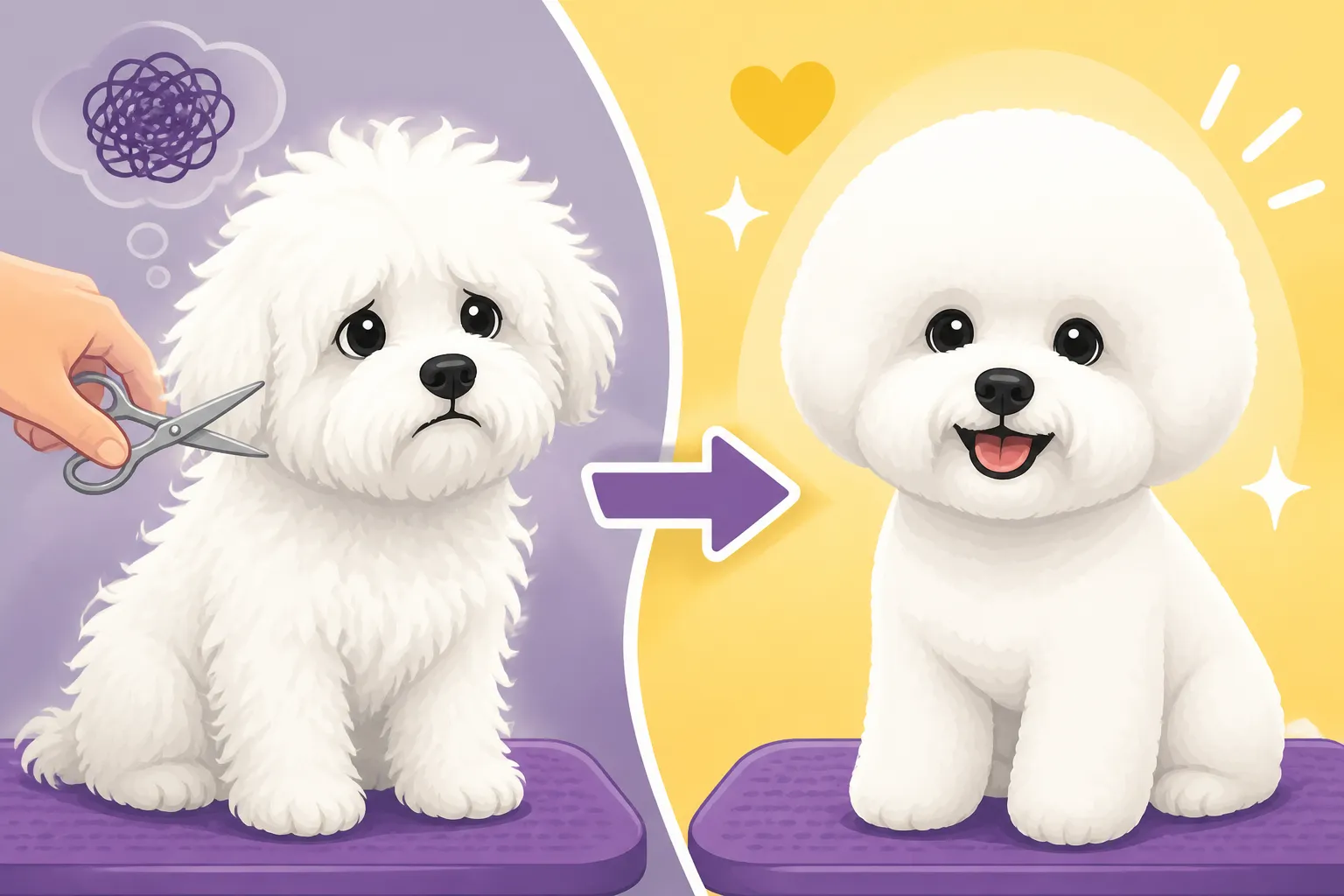
The Bichon Frise coat is a marvel – soft, dense, and curling, giving them that signature cloud-like appearance. But this very beauty is what makes it high-maintenance. Unlike many breeds that shed, a Bichon Frise's shed hair gets trapped within its dense undercoat, quickly leading to mats and tangles if not regularly brushed and trimmed. These mats can be incredibly painful, pulling on their skin, restricting movement, and creating a breeding ground for skin infections. Scissoring is crucial for maintaining the proper length and shape, preventing these issues, and allowing air to circulate against their skin.
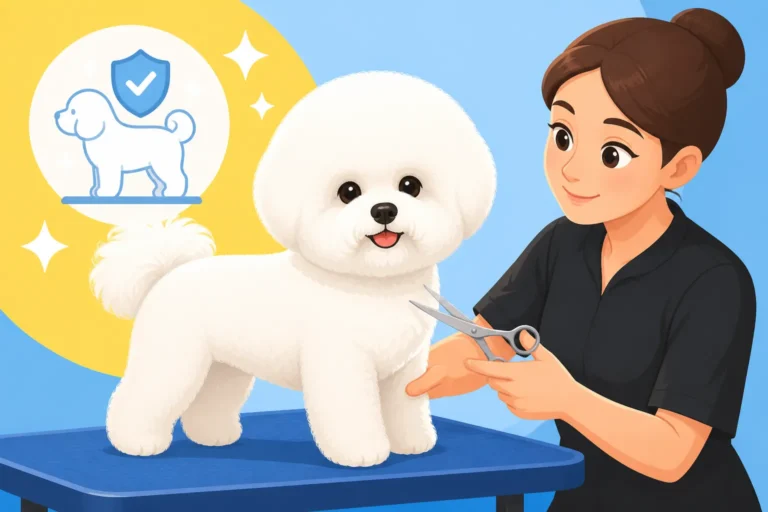
Imagine trying to walk or even lie down comfortably with your hair constantly pulling at your scalp. That's what a matted coat feels like for a Bichon. Scissoring helps to keep the coat at a manageable length, especially around the face, ears, and sanitary areas, which often accumulate debris and moisture. Without regular scissoring, a Bichon can quickly become uncomfortable, itchy, and prone to serious skin problems. This isn't just about aesthetics; it's about comfort and hygiene. A professional groomer or a dedicated owner will spend considerable time with scissors, creating that perfect rounded head, neat paws, and a well-balanced body shape. The Powder Puff Outline a Bichon Frise Is Scissored Into goes into more detail about this specific look.
Understanding a Bichon Frise's Natural Grooming Instincts
Dogs aren't born understanding why we need to poke and prod them with sharp objects. Their natural instinct when something unfamiliar approaches their body, especially sensitive areas like their face or paws, is often to recoil, nip, or simply try to escape. For a Bichon Frise, who are often quite sensitive and intelligent, this can be even more pronounced. They pick up on our anxiety, too. If we're nervous about scissoring their delicate facial hair, they'll sense it and become wary themselves.
Puppies, in particular, explore the world with their mouths and paws. Having scissors near their eyes or ears can feel threatening, and their initial reactions are perfectly normal. It's our job to gently, patiently, and consistently introduce them to grooming tools and the process itself, making it as low-stress as possible. This isn't about breaking their spirit; it's about building trust and teaching them that these interactions are safe and even come with rewards. Understanding that their initial resistance isn't naughtiness, but rather a natural protective instinct, can help us approach the task with more empathy and patience.
Building a Positive Association: From Tolerance to Enjoyment
The key to a Bichon Frise learning to enjoy being scissored lies in creating overwhelmingly positive associations with the process from a very young age. It's a marathon, not a sprint, and consistency is far more important than perfection, especially in the beginning.
Early Introduction and Desensitization to Grooming Tools
Start early. I cannot stress this enough. As soon as you bring your Bichon Frise puppy home, even before their first professional groom, begin handling them. Gently touch their paws, ears, tail, and face every single day. Make it a routine, and always pair it with positive reinforcement. Short sessions are better than long, overwhelming ones. Hold a pair of blunt-nosed grooming scissors (or even a pair of kitchen scissors with the blades covered) near them, let them sniff, and offer a treat. Don't even attempt to cut hair initially. The goal is simply to make the sight, smell, and sound of the tools neutral, then positive.
You can also use a small, quiet electric shaver (even an old beard trimmer works for this initial step) without turning it on, just letting them feel it against their body. Once they're comfortable with that, turn it on briefly, hold it away from them, and give a treat. Gradually, bring it closer. This desensitization process is crucial for making them less fearful of the actual grooming. For more in-depth guidance on specific techniques, articles like Getting a Bichon Frise Used to Scissors and Teaching a Bichon Frise to Hold Still on a Table offer excellent advice. Websites like BAXTER & Bella offer comprehensive online puppy programs that include modules on handling and desensitization, which can be a fantastic resource for new owners wanting to get it right from the start.
Positive Reinforcement and Rewards During Scissoring
Every single step of the scissoring process should be linked with something good. This means high-value treats, verbal praise, and gentle petting. Break down the grooming session into tiny steps. For example, if you're scissoring around their face:
- Approach with scissors: Treat.
- Touch scissors to coat (no cutting): Treat.
- Make one small snip: Treat.
- Put scissors down: Treat.
Keep sessions short, especially for puppies. Five minutes of positive interaction is far more beneficial than twenty minutes of struggle. If your Bichon shows any sign of stress or discomfort, stop immediately, reassure them, and try again later, breaking the step down even further. Never punish or scold your Bichon during grooming; this will only create a negative association and make future sessions harder. The goal is for them to associate the presence of scissors and the act of trimming with yummy rewards and positive attention. This consistent reward system is how a Bichon Frise learns that being scissored means good things happen, slowly turning tolerance into something they might even look forward to.
The Role of a Consistent Routine
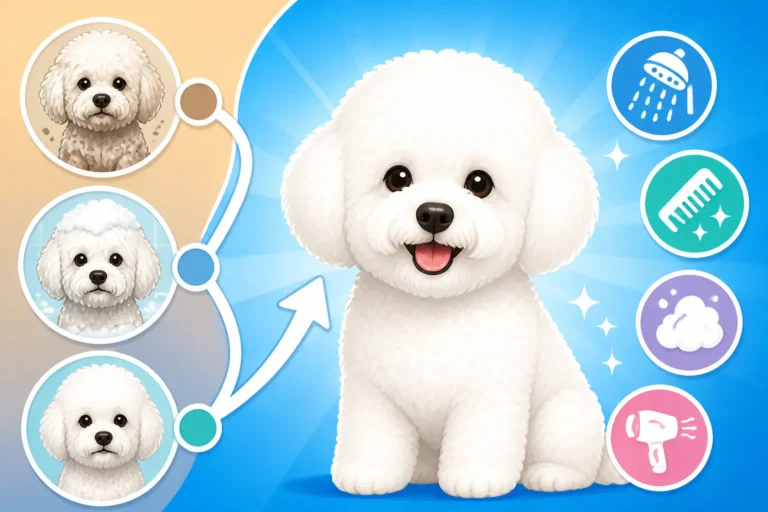
Dogs thrive on routine and predictability. Establishing a regular grooming schedule, whether it's weekly brushing and quick trims at home or a professional groom every 4-6 weeks, helps your Bichon Frise understand what to expect. If grooming only happens sporadically when they are already matted and uncomfortable, they will understandably dread it. Regular, pleasant short sessions are much easier for them to accept than infrequent, lengthy, and possibly painful sessions.
A consistent routine also helps you, the owner, stay on top of their coat maintenance. It prevents severe matting, which often necessitates painful dematting or even shaving down, both of which are unpleasant experiences that can set back any positive grooming associations you've built. Think of it as dental hygiene for humans – regular brushing prevents painful trips to the dentist. The same goes for grooming a Bichon Frise. A consistent schedule, where your Bichon knows that after a short time of standing still, a treat is coming, reinforces the positive behavior. This predictability fosters a sense of security, which is key to turning grooming into an activity they can settle into.
Addressing Challenges and Setbacks
Even with the best intentions and consistent effort, you might encounter challenges. Some Bichons are naturally more sensitive, or they might have had a negative grooming experience in the past. It’s important to acknowledge these setbacks and adapt your approach rather than giving up.
When Scissoring Becomes a Struggle
If your Bichon Frise consistently struggles, nips, tries to escape, or shows significant fear during scissoring, it's a sign that something needs to change. First, revisit your technique. Are you being gentle? Are you offering enough high-value treats? Are your sessions too long? Sometimes, simply changing the location of the groom (e.g., from the floor to a sturdy table with a non-slip mat) can make a difference, as a raised surface often signals "work time" to a dog and can make it harder for them to escape. You can find excellent non-slip mats and grooming tables on platforms like Amazon, which can significantly improve stability and safety during at-home grooming.
Consider the tools you're using. Are your scissors sharp? Dull scissors pull at the hair, causing discomfort. Are they the right size for the delicate work needed on a Bichon Frise? You might also need to re-evaluate the depth of your desensitization training. Perhaps your dog isn't truly comfortable with the sound and feel of the scissors yet, and you need to go back to basics, spending more time on just showing the tools and rewarding calm behavior. If your Bichon has had a particularly painful mat removal, they might associate all grooming with pain. Patience and a slow, gentle approach are paramount in these situations.
Professional Help and Specialized Training
Sometimes, a Bichon Frise's resistance to scissoring is beyond what an owner can manage alone, or perhaps the owner needs to brush up on their own skills. This is where professional help comes in.
- Professional Groomers: A skilled groomer has experience with many different temperaments and can often work wonders with a difficult dog. They use specialized equipment, know how to handle dogs safely, and can often get the job done efficiently and with minimal stress. Communicate openly with your groomer about your dog's history and challenges. They can often provide tips for at-home maintenance between visits, reinforcing the positive habits. How Often a Bichon Frise Needs a Full Groom explores the ideal frequency for these professional visits.
- Certified Professional Dog Trainers (CPDTs): If the struggle is rooted in deep-seated fear or behavioral issues, a dog trainer specializing in cooperative care or fear-free techniques can be invaluable. They can teach you and your Bichon Frise specific behaviors, such as a "chin rest" or a "stand-stay," that make grooming safer and less stressful. They use positive reinforcement to build confidence and help your dog learn to actively participate in their care. The BAXTER & Bella online puppy school is a great example of a resource that offers structured training to help build a strong foundation for handling and cooperative care.
- Veterinary Behaviorists: In rare cases, extreme fear or aggression during grooming might warrant consultation with a veterinary behaviorist, who can assess if there's an underlying medical or anxiety disorder contributing to the behavior and recommend appropriate treatment or medication if necessary.
A table outlining different approaches and their benefits:
| Approach | Key Benefits | Ideal For |
|---|---|---|
| Early Desensitization | Builds positive associations from the start | Puppies, new Bichon Frise owners |
| Positive Reinforcement | Creates willingness and reduces fear | All Bichons, especially those with mild apprehension |
| Consistent Routine | Establishes predictability and comfort | All Bichons, reinforces good habits |
| Professional Groomer | Expert handling, specialized tools, efficient work | Complex grooms, matted coats, owners lacking skill/time, dogs with moderate anxiety |
| Dog Trainer/Behaviorist | Addresses behavioral issues, teaches cooperative care | Dogs with severe fear, aggression, or past trauma related to grooming |
Recognizing True Enjoyment vs. Mere Tolerance
It's important to set realistic expectations. While some Bichons might genuinely learn to love the attention of a good groom, for many, "enjoyment" might simply mean calm acceptance and tolerance. Both are fantastic outcomes!
Signs Your Bichon Frise is Comfortable or Happy
How can you tell if your Bichon is moving beyond mere tolerance? Look for these signs:
- Relaxed Body Language: Their body is loose, not stiff or tense. Their tail might wag gently, or be in a neutral position, rather than tucked.
- Soft Eyes and Mouth: Their eyes won't be wide or darting, and their mouth might be slightly open in a relaxed "smile" or neutral, without panting or lip licking (which can be a sign of stress).
- Voluntary Participation: They might lean into your touch, offer a paw willingly, or even nudge the grooming tool with their nose.
- Taking Treats Calmly: They eat treats without snatching or gulping, indicating a lower stress level.
- Relaxed Breathing: No excessive panting unless it's hot or they've just exercised.
- Falling Asleep: The ultimate sign of comfort! Some dogs get so relaxed during gentle grooming sessions that they doze off.
If you see these signs, congratulations! You've successfully created a positive grooming experience for your Bichon Frise. This is the result of patience, consistency, and a deep understanding of your dog's needs.
Managing Expectations: Not Every Dog Will Love It
It’s crucial to understand that not every Bichon Frise will become a dog who leaps onto the grooming table with glee. Just like people, dogs have individual personalities and thresholds for what they enjoy. Some might always just tolerate grooming, seeing it as a necessary part of their day that comes with rewards, rather than a pleasurable activity in itself. And that is perfectly okay!
The goal is to ensure grooming is fear-free and low-stress. If your Bichon Frise stands still, doesn't try to bite or escape, and accepts treats calmly, you've achieved a huge success. Don't compare your dog to others you see online who appear perfectly serene. Every dog's journey is unique. Your focus should be on building trust and making the process as comfortable and safe as possible for your individual Bichon. Continued positive reinforcement and consistent, gentle handling will help maintain this level of acceptance throughout their life. It's a testament to your bond and dedication that your Bichon Frise can calmly endure, and sometimes even enjoy, the meticulous scissoring needed to keep them healthy and beautiful.
Disclaimer
This article is for general informational purposes only and does not constitute professional advice. Laws, prices and regulations vary by location and change over time. Consult a qualified professional for guidance on your specific situation.