Whether a Bichon Frise’s Stones Can Be Prevented at All
It's absolutely heartbreaking to discover your beloved Bichon Frise has bladder stones, especially when you feel like you've been doing everything right. Many of us Bichon parents live with the constant worry of these painful, recurring issues, wondering if there’s anything concrete we can do to truly stop them from forming. This guide aims to tackle that very frustration, diving deep into whether preventing a Bichon Frise's stones is even possible and, if so, what practical steps you can take to safeguard your furry companion.
Understanding the Bichon Frise's Unique Predisposition
First things first, it's crucial to acknowledge that Bichon Frises are, unfortunately, genetically prone to developing bladder stones, particularly calcium oxalate stones. It's not a reflection of your care, but a biological reality for the breed. This breed-specific susceptibility means prevention isn't a "one-and-done" solution, but an ongoing, vigilant commitment. Understanding Why a Bichon Frise Forms Stones Twenty Times as Often as other breeds can really help set realistic expectations and inform your approach.
The Role of Genetics in Stone Formation
It's a tough pill to swallow, but genetics play a significant hand in whether your Bichon Frise will develop stones. We’re talking about an inherited predisposition that affects how their bodies process certain minerals and waste products. This isn't about blaming the breeder, but about understanding that some Bichons are simply more "at risk" due to their lineage. For many of us, this means that even with the most meticulous care, the risk is always there, looming. It's why many owners ask Whether a Bichon Frise's Stone Risk Is Inherited. Breeders who conduct health screening, though not always guaranteeing freedom from stones, can provide some insights into family history.
Think of it like this: just as some human families are predisposed to certain conditions, so too are certain dog breeds. In Bichons, their metabolism can sometimes lead to urine that's oversaturated with calcium and oxalate, creating the perfect environment for these tiny crystals to form and then grow into painful stones. This genetic component underscores why prevention isn't just about diet, but about understanding and mitigating a fundamental biological vulnerability.
Why Calcium Oxalate Stones Are So Common
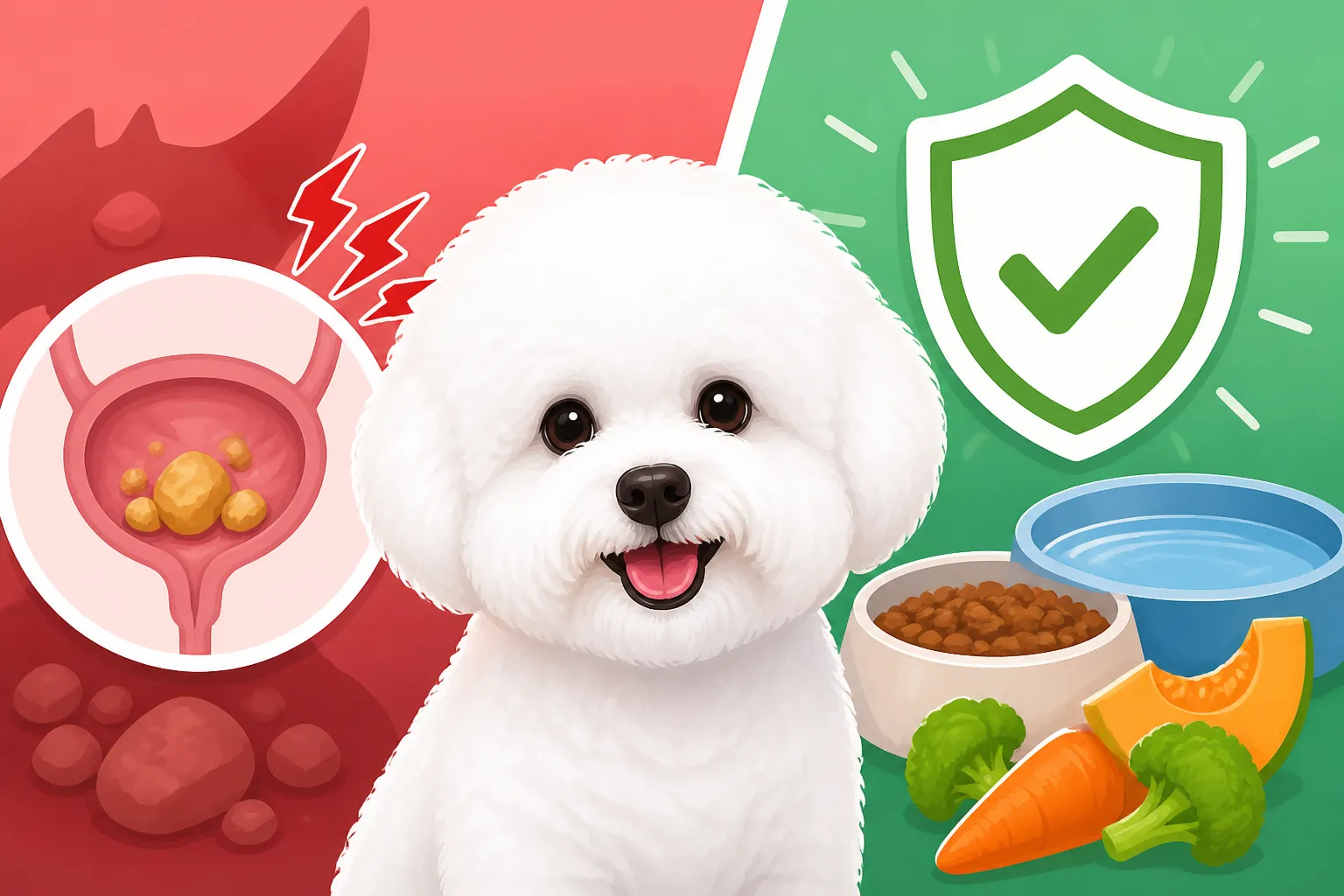
Calcium oxalate stones are particularly common in Bichons, and they’re notorious because, unlike some other types of stones, they generally cannot be dissolved with diet alone. This is a huge distinction and a major source of frustration for owners. If your Bichon develops these, surgery is often the primary treatment. Learning What a Calcium Oxalate Stone Is in a Bichon Frise truly highlights why prevention is so critical. These stones form when there's an excess of calcium and oxalate in the urine, and certain urinary pH levels can also exacerbate their formation.
The microscopic crystals begin to aggregate, slowly growing into larger stones that can irritate the bladder lining, cause pain, and, in severe cases, even block the urethra, becoming a life-threatening emergency. This means that our preventative efforts must focus on reducing the building blocks of these stones and creating an environment in the bladder that's less hospitable to their formation.
Dietary Management as the Cornerstone of Prevention
If there's one area where you have significant control in stone prevention for your Bichon Frise, it's diet. This isn't just about choosing any dog food; it’s about a carefully formulated prescription diet designed to alter urine chemistry. It’s a lifelong commitment for many, and it often feels like a tightrope walk trying to ensure they get everything they need without triggering stone formation.
Prescription Diets: A Lifelong Commitment
Once a Bichon has had calcium oxalate stones, or if they are deemed at high risk, a prescription urinary diet becomes a non-negotiable part of their daily life. This isn't a temporary measure; it's truly The Diet a Bichon Frise Stays On for Life. These specialized foods are formulated to achieve several critical goals:
- Lower Calcium and Oxalate: Reducing the amount of these minerals ingested directly lessens their presence in the urine.
- Sodium Content: Many urinary diets have a slightly elevated sodium content, which encourages increased water intake. More water means more dilute urine, which is a key factor in prevention.
- Urine pH Modification: They are designed to promote a more alkaline (or sometimes neutral, depending on the specific stone type) urine pH. Calcium oxalate stones are more likely to form in acidic urine, so shifting the pH is vital.
Leading veterinary prescription food brands like Hill's Prescription Diet c/d Multicare, Royal Canin Urinary SO, and Purina Pro Plan Veterinary Diets UR Urinary are commonly recommended. Your vet will advise the best fit for your Bichon. The challenge often lies in convincing a picky Bichon to eat it, and then sticking to it religiously. Even small deviations can undermine months of careful management.
The Pitfalls of Treats and Table Scraps
This is where many well-meaning Bichon parents struggle, myself included. It’s hard to resist those adorable puppy dog eyes when you're eating a snack. However, for a Bichon prone to stones, even a tiny piece of cheese or a non-prescription treat can be detrimental. These seemingly innocent extras can throw off the carefully balanced chemistry that the prescription diet works so hard to maintain.
Imagine the prescription food as a meticulously crafted shield. Every treat or scrap that isn't specifically approved for a urinary diet chips away at that shield, potentially exposing your Bichon to the very risks you're trying to prevent. It's tough, but understanding that Whether One Treat Can Restart a Bichon Frise Stone is a very real concern can help you stay strong. If you absolutely must give treats, discuss vet-approved, low-oxalate, or prescription urinary treats with your veterinarian. Options might include certain cooked lean meats in tiny quantities, or specific brands of urinary treats designed for stone prevention.
Maximizing Hydration to Dilute Urine
Dilution is a powerful weapon in the fight against bladder stones. The more water your Bichon Frise drinks, the more dilute their urine becomes, and the harder it is for crystals to form and clump together. This sounds simple, but getting a small dog to drink enough water can sometimes feel like an uphill battle.
Encouraging Water Intake
Many Bichon owners wonder Whether Water Intake Changes a Bichon Frise's Risk, and the answer is a resounding yes. Promoting consistent and adequate water intake is paramount. Here are some strategies that can really make a difference:
- Multiple Water Stations: Place several bowls of fresh water around your home. Sometimes, simply having water readily available in different locations encourages more frequent sips.
- Water Fountains: Many dogs are drawn to flowing water. A pet water fountain can be a game-changer, as the movement and aeration can make water more appealing. Just remember to keep it clean!
- Add Water to Food: If your Bichon eats dry kibble, adding a little warm water to it before serving can significantly boost their daily water intake. Let it soak for a few minutes to soften.
- Wet Food: Incorporating wet prescription urinary food, if available and suitable, is an excellent way to get more moisture into their diet. Whether Wet Food Helps a Bichon Frise's Stones is a common question, and yes, the higher moisture content is a huge plus.
- Ice Cubes: Some Bichons love to crunch on ice cubes, especially during warmer months. These can be a fun way to sneak in extra hydration. Just make sure they're not too big for your little one to manage safely.
The Importance of Frequent Urination
Frequent urination isn't just a byproduct of increased water intake; it's a preventative measure in itself. The longer urine sits in the bladder, the more time crystals have to settle and grow. Regular potty breaks ensure the bladder is flushed out frequently, reducing the residency time of potential stone-forming materials.
Consider your Bichon's daily routine:
- Scheduled Potty Breaks: Stick to a consistent schedule, taking your Bichon out frequently throughout the day, especially after waking up, after meals, and before bedtime.
- Extended Playtime Outdoors: Encourage longer walks and playtime in the yard to stimulate urination. The more active they are, the more likely they are to drink and then need to go.
- Accessibility: Ensure your Bichon always has easy access to an appropriate potty area. If you're out for an extended period, consider a dog walker or a safe indoor potty solution.
- Monitoring: Keep an eye on how often your Bichon is urinating. A significant decrease might indicate they're not drinking enough or could signal a problem.
Remember, Whether Frequent Urination Protects a Bichon Frise is key to managing stone risk. It's about constant flushing of the urinary system.
Regular Monitoring and Veterinary Oversight
Even with the best diet and hydration strategies, consistent veterinary monitoring is crucial for Bichon Frises prone to stones. You can’t see what’s happening inside, so relying on your vet’s expertise and diagnostic tools is non-negotiable.
Urine Testing: Your Early Warning System
Regular urine testing is one of the most proactive steps you can take. Your vet can check for several key indicators that point towards potential stone formation:
- Urine pH: As mentioned, pH plays a role. Your vet will monitor this to ensure it's in the optimal range for preventing calcium oxalate stones. Sometimes, home pH strips can be used, but your vet will interpret results accurately. Many owners wonder Whether a Bichon Frise Needs Urine pH Monitored, and the answer is absolutely, yes!
- Specific Gravity: This measures how concentrated the urine is. Lower specific gravity indicates more dilute urine, which is what we want.
- Crystals: The presence of calcium oxalate crystals in the urine indicates a higher risk of stone formation, even if no actual stones are visible yet. Catching these early allows for adjustments to the preventative plan.
- Urinary Tract Infections (UTIs): UTIs can sometimes contribute to stone formation or complicate existing issues, so detecting and treating them promptly is important.
Your vet will likely recommend urine tests every few months, or as often as they deem necessary based on your Bichon's history and risk factors. These tests are relatively inexpensive and provide invaluable insights into your dog's urinary health.
Imaging: X-rays and Ultrasounds
While urine tests are great for catching microscopic clues, imaging is essential for seeing if any stones have actually formed. Calcium oxalate stones are generally radiopaque, meaning they show up clearly on X-rays.
- Regular X-rays: Your veterinarian might recommend periodic X-rays of your Bichon's bladder. This is often done every 6-12 months for high-risk dogs, even if they show no symptoms. This proactive approach helps catch tiny stones before they become large, painful problems. It's valid to ask Whether a Bichon Frise Should Be X Rayed Yearly to monitor for new stone development.
- Ultrasounds: Ultrasounds offer a different perspective and can sometimes detect stones that are very small or in locations that are harder to visualize on X-rays. They are also excellent for assessing the bladder wall and checking for any inflammation or thickening.
The goal with imaging is early detection. If a stone is caught when it's still small, it might be possible to remove it less invasively or manage it more easily before it causes severe discomfort or a blockage.
Lifestyle and Environmental Factors
Beyond diet and hydration, certain lifestyle and environmental considerations can also contribute to or mitigate the risk of stone formation in your Bichon Frise. It's about creating a holistic approach to their well-being.
Stress Reduction
While direct scientific links between stress and bladder stone formation in dogs are still being researched, chronic stress can have a profound impact on overall health, including immune function and inflammation. A happy, low-stress environment can only benefit your Bichon.
- Consistent Routine: Dogs thrive on routine. Predictable feeding times, potty breaks, and exercise schedules can reduce anxiety.
- Comfortable Environment: Ensure your Bichon has a quiet, safe space to retreat to, away from household hustle and bustle if they need it.
- Adequate Exercise and Mental Stimulation: Regular, appropriate exercise helps burn off excess energy and reduces stress. Mental stimulation through puzzle toys or training sessions keeps their minds engaged.
- Positive Reinforcement: Training and interactions should always be positive and reward-based to build confidence and strengthen your bond.
A calmer dog is generally a healthier dog, and while it might not directly prevent a stone, it certainly won't hurt.
The Role of Pet Insurance in Long-Term Management
Let's be realistic: managing a Bichon Frise with a stone predisposition can be costly, from the ongoing prescription food to the regular vet visits, urine tests, and potentially imaging. Should a stone develop and require surgery, the costs can be substantial. This is where pet insurance, like a policy from Healthy Paws, can be incredibly helpful.
Many pet parents consider insurance a luxury until they're faced with a large, unexpected vet bill. A good pet insurance policy can help alleviate the financial burden of managing a chronic condition or covering emergency surgeries. While pre-existing conditions are typically not covered, if you enroll your Bichon early, before any stone issues arise, preventative care and subsequent stone treatments could be covered. This financial safety net allows you to make medical decisions based on what's best for your dog, rather than solely on your budget. Thinking ahead about What a Bichon Frise Stone Prevention Costs a Year can make the decision to get insurance an easy one.
Preventing bladder stones in a Bichon Frise is definitely a challenge, but it's not an impossible one. It requires a dedicated, multi-faceted approach combining a strict prescription diet, diligent hydration strategies, proactive veterinary monitoring, and a low-stress environment. While genetics mean we can't eliminate the risk entirely for every Bichon, by consistently implementing these preventative measures, you significantly improve your fluffy friend's chances of living a healthier, stone-free life. It's a journey that demands patience and commitment, but seeing your Bichon thriving makes every effort worthwhile.
| Preventative Measure | Key Action | Why It Helps | Important Considerations |
|---|---|---|---|
| Dietary Management | Prescription Urinary Diet | Lowers stone-forming minerals, optimizes urine pH. | Must be fed exclusively; no unapproved treats or table scraps. |
| Hydration | Encourage increased water intake | Dilutes urine, making crystal formation less likely. | Multiple water sources, fountains, wet food, water added to kibble. |
| Frequent Urination | Regular, consistent potty breaks | Flushes out bladder frequently, reduces crystal residency time. | Consistent schedule, active play, easy access to potty areas. |
| Urine Monitoring | Regular urinalysis (pH, specific gravity, crystals) | Detects early signs of stone formation or infection. | As recommended by vet (e.g., every 3-6 months); critical early warning. |
| Imaging | Periodic X-rays or Ultrasounds | Visualizes stones when they are small, before symptoms arise. | As recommended by vet (e.g., every 6-12 months for high-risk dogs). |
| Stress Reduction | Consistent routine, calm environment | Supports overall health and well-being. | Adequate exercise, mental stimulation, positive reinforcement. |
Disclaimer
The information provided in this article is for general educational purposes only and should not be considered a substitute for professional veterinary advice. Always consult with your veterinarian for any health concerns or before making any decisions related to your Bichon Frise's medical care or treatment plan.