Whether a Bichon Frise’s Stones Ever Stop Coming Back
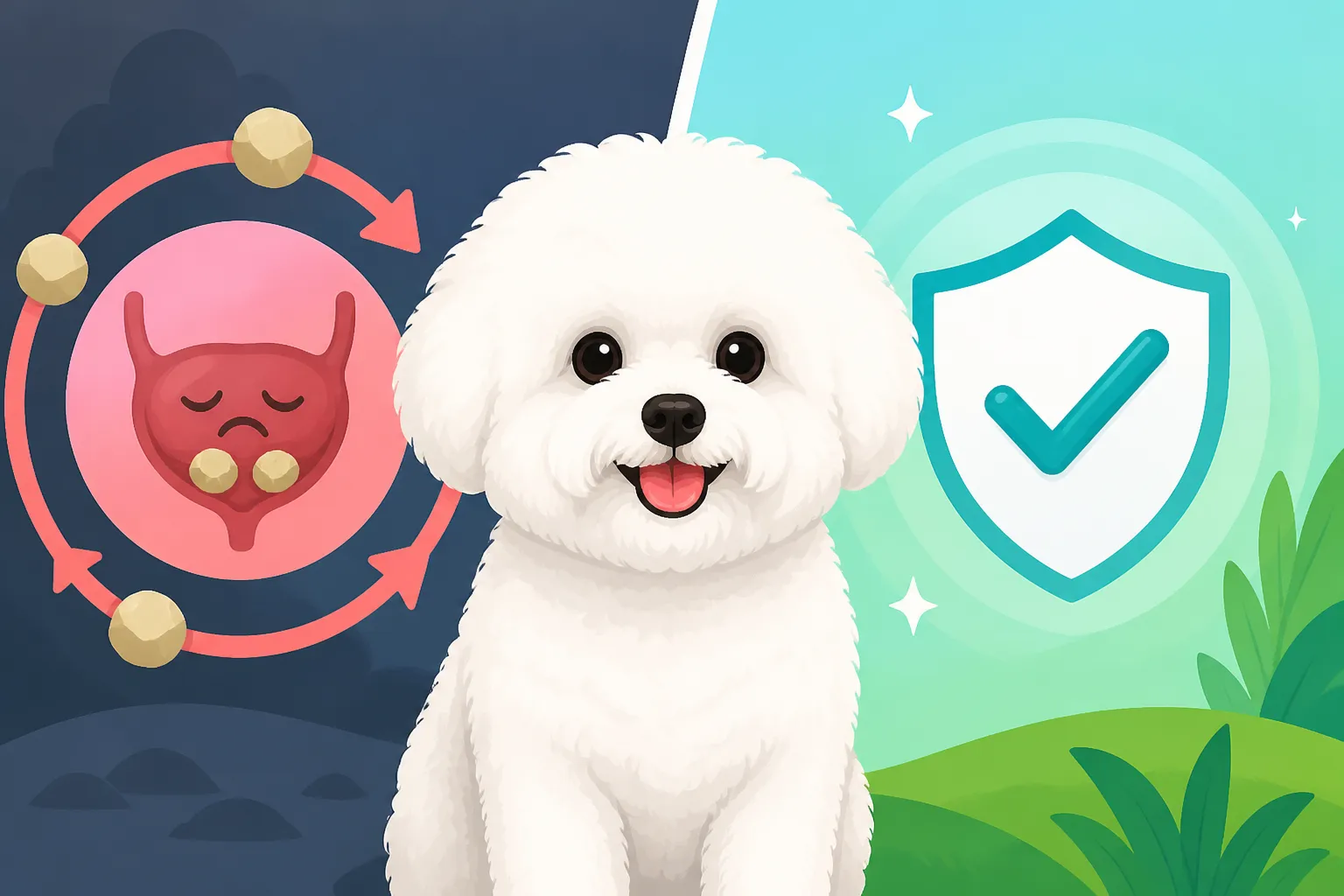
For many Bichon Frise owners, the discovery of bladder stones isn't just a one-time scare; it can feel like the start of an endless battle. The question that keeps so many of us up at night, after seeing our beloved curly-coated companions suffer through discomfort or even surgery, is whether these stubborn stones will ever truly stop coming back. This guide delves into the challenging reality of recurrent bladder stones in Bichon Frises and what you can realistically expect and actively do to manage this persistent health concern.
The Harsh Reality: Recurrence is Common, Not an Anomaly
It’s heartbreaking to learn that your sweet Bichon Frise has bladder stones, but perhaps even more disheartening is the understanding that, for many, it won't be a singular event. Unlike some ailments that can be treated and then forgotten, bladder stones, particularly the calcium oxalate type prevalent in Bichons, have a notorious tendency to return. This isn't a reflection of your care; it's rooted deep in their genetics and physiology.
Why Bichon Frises Are Uniquely Prone to Stone Recurrence
Bichon Frises, along with a few other small breeds, carry a genetic predisposition that makes them highly efficient "stone-forming factories." This isn't just bad luck; it's often etched into their very DNA. Their metabolism can create a urinary environment that is more concentrated with calcium and oxalate, and sometimes their urine pH is predisposed to favor crystal formation, making them prime candidates for developing these painful mineral deposits. It’s a systemic issue, not just an isolated bladder problem. We often wonder Why a Bichon Frise Forms Stones Twenty Times as Often, and the answer lies in this inherent susceptibility.
Understanding the type of stone is crucial here. While struvite stones can sometimes be dissolved with special diets and antibiotics (as they are often linked to urinary tract infections), calcium oxalate stones—the most common culprits in Bichons—cannot. Once formed, they generally require physical removal, usually through surgery, or sometimes through less invasive procedures if they are tiny enough to be flushed. This distinction is vital because it means that for oxalate stone formers, prevention of new stones, rather than dissolution of existing ones, becomes the lifelong focus.
The Statistics of Return: A Lingering Concern
If you've heard stories of stones coming back, you're not alone. The statistics for calcium oxalate stone recurrence in Bichon Frises are indeed sobering. Many studies and veterinary observations indicate that a significant percentage of dogs will form new stones within one to three years after their first removal, even with diligent management. This isn't to scare you, but to set realistic expectations. It's why we often ask How Often a Bichon Frise's Stones Return – because the answer impacts daily care.
The continuous worry can feel overwhelming. Imagine having gone through the stress and expense of surgery, only to find yourself back at the vet a year or two later, facing the same diagnosis. This scenario is a reality for many Bichon Frise owners. While "stopping" recurrence entirely might be an unrealistic expectation for some highly predisposed individuals, managing it and significantly reducing the frequency and severity of new stone formation is absolutely possible with dedicated care. It's about shifting from a cure mindset to a lifelong management approach.
Lifelong Strategies for Minimizing Recurrence
Since Bichon Frise bladder stones, particularly calcium oxalates, are often a recurring issue, the focus shifts from a one-time fix to a comprehensive, unwavering management plan. This strategy isn't just about reacting to problems; it's about proactively creating an environment hostile to stone formation.
The Cornerstone: Prescription Urinary Diet
When your vet prescribes a special urinary diet, it's not just a suggestion; it's arguably the single most important tool in preventing stone recurrence. These diets are meticulously formulated to achieve several key objectives: they control mineral levels (especially calcium and oxalate precursors), help maintain an optimal urine pH (usually slightly alkaline to reduce oxalate solubility), and, critically, they often promote increased water intake by having higher moisture content or ingredients that encourage drinking. This nutritional therapy is medicine in kibble or wet food form.
Adhering to this diet with absolute strictness is paramount. Even a tiny, seemingly innocent treat or a stolen bite of human food can disrupt the delicate balance the prescription diet is working so hard to maintain. This can be incredibly tough when your Bichon gives you those soulful, pleading eyes, but it’s a non-negotiable aspect of their health. We often ponder Whether a Bichon Frise Ever Comes Off the Stone Diet, and for oxalate stone formers, the answer is usually a resounding no. Finding a diet your Bichon likes can be a challenge, but brands often have multiple flavors or wet food options. Many owners find it convenient to order these specialized foods from trusted online retailers like Chewy, which often stock a wide range of veterinary diets.
Hydration, Hydration, Hydration: Diluting the Risk
Think of it this way: the more diluted your Bichon's urine is, the less concentrated the stone-forming minerals become, and the harder it is for them to clump together and form crystals, let alone stones. Increased water intake is a simple yet profoundly effective strategy. Encouraging your Bichon to drink more should become a daily mission. This isn't just about offering water; it's about making it enticing and readily available.
There are many ways to boost water intake. Water fountains can be very appealing to dogs, as they provide fresh, circulating water. Adding a splash of water or low-sodium broth to their prescription kibble can significantly increase their daily fluid consumption. Switching to a wet prescription urinary food, if your vet approves and your Bichon enjoys it, is another excellent way to ensure higher moisture intake. Whether Wet Food Helps a Bichon Frise's Stones is a common question, and generally, the increased moisture content is a definite plus. Every drop counts in preventing stones.
Consistent Monitoring and Early Detection
Even with the perfect diet and ample hydration, regular veterinary oversight is non-negotiable for a Bichon Frise prone to stones. Consistent monitoring is your best defense against recurrence because it allows for early detection of any new crystal or stone formation before they grow large enough to cause severe problems or require emergency surgery.
This monitoring typically involves a combination of routine urine tests (to check specific gravity, pH, and look for any crystals) and diagnostic imaging, such as X-rays or ultrasound, usually performed every six to twelve months. Whether a Bichon Frise Should Be Urine Tested Yearly and Whether a Bichon Frise Should Be X Rayed Yearly are crucial considerations that most vets recommend. The goal isn't necessarily to have completely crystal-free urine every single time (microscopic crystals can fluctuate), but to catch larger aggregates or small stones when they are still manageable. This proactive approach can potentially save your Bichon from painful blockages and you from costly emergency procedures. These ongoing diagnostics and specialist consultations can certainly add up, which is why many owners turn to pet insurance providers like Healthy Paws to help cover the costs of managing chronic conditions.
Understanding the Emotional and Financial Impact
Living with a Bichon Frise prone to recurring bladder stones isn't just about diet and vet visits; it carries a significant emotional and financial weight. Acknowledging this impact is important for owners to manage their own well-being alongside their pet's health.
The Mental Load of Chronic Stone Management
The emotional toll of managing a chronic condition like recurrent bladder stones in your beloved Bichon Frise can be immense. Owners often experience a cycle of worry, relief, and then renewed anxiety. You might constantly scrutinize every urination, every slight change in your dog's demeanor, fearing the tell-tale signs of another stone. The First Signs a Bichon Frise Has Stones become something you're hyper-aware of, transforming normal pet ownership into a vigilant watch.
There can be guilt too – the nagging thought that perhaps you could have done more, or that you somehow "failed" despite following all the veterinary advice. It's essential to remember that genetic predisposition plays a huge role, and you are doing your absolute best to manage a challenging situation. The bond you share with your Bichon Frise makes this journey all the more poignant, and the emotional support from your vet and fellow Bichon owners can be invaluable.
The Financial Reality of Recurrent Surgeries and Lifelong Care
Let's be blunt: bladder stone management can be expensive. A single stone removal surgery can be a significant cost, and if stones recur, those expenses multiply rapidly. What One Bichon Frise Stone Surgery Costs and What Three Cost can paint a stark picture for many families. Beyond the surgeries, there are the ongoing costs of prescription urinary diets, which are typically more expensive than regular commercial kibble. Then add in the regular vet check-ups, urine analyses, and X-rays or ultrasounds needed for diligent monitoring.
This continuous financial drain can be a huge source of stress. It can force difficult decisions or make owners feel trapped. This is where pet insurance can truly shine. A good policy from a provider like Healthy Paws can help soften the blow of recurring vet bills, covering a percentage of eligible costs for diagnostics, medications, and even repeat surgeries, allowing you to prioritize your Bichon's health without constantly worrying about the bill. While fresh food diets like Ollie can be fantastic for general health, it's crucial to understand that for calcium oxalate stones, a strict, veterinarian-prescribed urinary diet is typically non-negotiable, and these are often readily available through pet supply retailers like Chewy.
Here's a simplified look at potential costs over time, emphasizing prevention versus intervention:
| Category | Preventative Care (Yearly) | Intervention (Single Event) |
|---|---|---|
| Diet | Prescription urinary food (monthly) | N/A (ongoing cost) |
| Vet Visits | Annual exams, semi-annual urine tests | Emergency consultations |
| Diagnostics | Yearly X-rays/ultrasound | Pre-surgical bloodwork, stone analysis |
| Medication | Possible pH modifiers, supplements (if prescribed) | Pain relief, antibiotics post-surgery |
| Surgery | N/A | Stone removal (cystotomy) |
| Post-Op Care | N/A | Follow-up exams, additional diagnostics |
| Insurance Premiums | Monthly/Annual premium (e.g., Healthy Paws) | N/A (but helps cover other categories) |
While the initial outlay for preventative care, including a specialized diet and regular monitoring, might seem higher than just buying regular food, it pales in comparison to the cost of emergency surgery and post-operative care, especially if it happens repeatedly. Investing in consistent preventative care and considering pet insurance is truly investing in your Bichon Frise's long-term health and your own peace of mind.
Disclaimer
This article is for general informational purposes only and does not constitute professional advice. Laws, prices and regulations vary by location and change over time. Consult a qualified professional for guidance on your specific situation.