Whether a Bichon Frise Will Eat Prescription Food
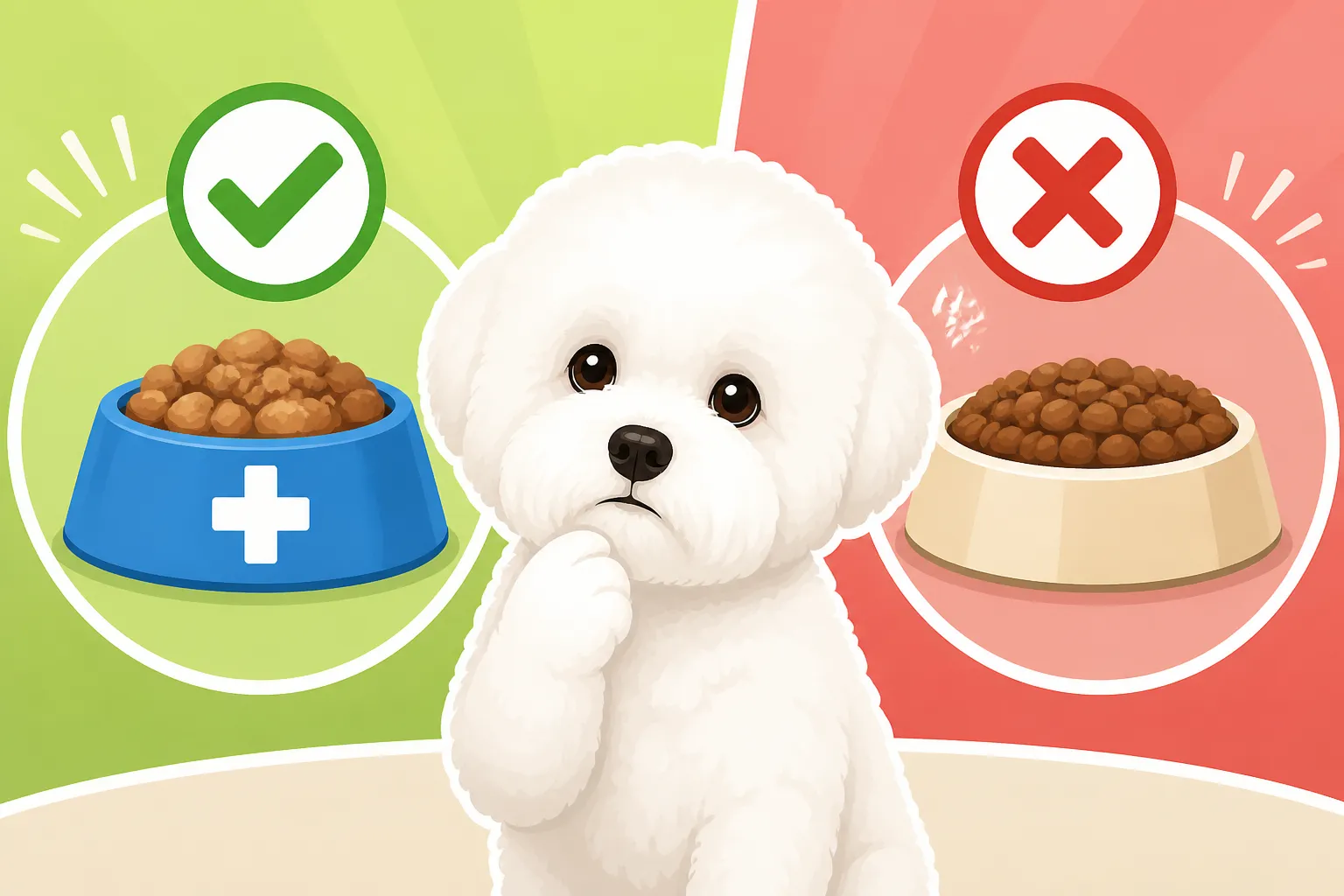
It’s a common scenario for Bichon Frise owners: you’ve just left the vet, armed with a prescription for a special diet to help manage your beloved furry friend’s health, only to be met with a skeptical sniff and a turned-up nose when you put the new food down. Many Bichon owners worry if their famously particular pups will ever accept a different food, especially one prescribed for a medical condition. This comprehensive guide will walk you through why prescription diets are crucial, why your Bichon might be resistant, and practical, empathetic strategies to ensure they eat what they need to thrive.
The Reality of Prescription Diets for Your Bichon Frise
Let's face it, getting a new food prescription for your Bichon Frise can feel like a curveball. You've probably spent years perfecting their mealtime routine, finding just the right kibble or wet food they adore. Now, suddenly, everything changes. But understanding the 'why' behind these specialized diets is the first step in approaching this new challenge with confidence and compassion.
Why Vets Prescribe Specific Foods
Veterinarians don't prescribe a specific food just for fun or because they have a favorite brand. These diets are carefully formulated through extensive research to address very particular medical conditions. Think of it like medicine in food form. They often have precise levels of certain nutrients, minerals, or proteins that are either too high, too low, or completely absent in typical over-the-counter foods. For instance, a diet designed for kidney disease will have carefully controlled phosphorus levels, while a hypoallergenic diet will use novel proteins or hydrolyzed ingredients to avoid triggering an allergic response. Your vet is essentially trying to create the optimal internal environment to help your Bichon recover, manage a chronic illness, or even prevent future health issues.
Common Conditions Requiring Special Diets
Our sweet Bichons, despite their cheerful demeanor, are unfortunately prone to several health issues that often necessitate a specialized diet. One of the most common, and frankly, frustrating issues we see is the formation of urinary stones, particularly calcium oxalate stones. For this, a prescription urinary diet is absolutely critical. It works by altering the urine's pH and composition to make it less hospitable for stone formation. But it's not just stones. Bichons can also suffer from various allergies, manifesting as itchy skin or digestive upset, which require The Atopic Skin a Bichon Frise Is Born With or specialized hypoallergenic diets. Conditions like kidney disease, liver issues, and even Diabetes in a Bichon Frise will each have their own specific dietary requirements aimed at supporting organ function and minimizing symptoms. It's a testament to how integral diet is to overall health; it's not just fuel, it's a vital part of their treatment plan.
The Importance of Adherence for Bichon Frise Health
This is where the rubber meets the road. Once your vet has prescribed a diet, sticking to it faithfully is paramount for your Bichon Frise's health. It’s not just about eating some special food, it's about eating only that special food. Even a small amount of non-prescription food, table scraps, or unapproved treats can undermine the diet's effectiveness. Imagine if a person with a severe nut allergy accidentally ate a cookie made with peanut oil – the consequences could be serious. Similarly, for a Bichon on a stone-prevention diet, even a few high-oxalate treats could potentially kickstart new stone formation. It's tough, especially when they give you those adorable, pleading eyes, but consistency is key to managing their condition and giving them the best quality of life. The Diet a Bichon Frise Stays On for Life highlights this ongoing commitment.
Understanding Why Bichons Might Be Picky Eaters
If you've ever owned a Bichon Frise, you know they can be charmingly stubborn, and this often extends to their eating habits. It's not always a medical issue when they turn their nose up at something new; sometimes, it's just pure Bichon personality. This pickiness can be a real hurdle when introducing a prescription diet.
The Fussy Eater Reputation of Small Breeds
Small breeds, including our beloved Bichons, often get a reputation for being fussy eaters, and it's not entirely unfounded. There are a few theories behind this. For one, their smaller stomach size means they can fill up quickly and feel less urgency to "wolf down" their food like larger breeds. Also, they tend to be very attuned to routine and change. A sudden switch in food can be perceived as something entirely alien and therefore suspicious. Owners, out of love and concern, might inadvertently reinforce picky eating by offering multiple alternatives or hand-feeding, which teaches the dog that holding out leads to better options. It's a delicate dance, trying to ensure they eat enough while not creating a monster of pickiness. The question of Whether a Bichon Frise Is a Fussy Eater is one many owners grapple with.
Texture and Palatability Preferences
Just like us, dogs have texture and flavor preferences. Some Bichons love crunchy kibble, others prefer soft, pâté-style wet food, and some are somewhere in between. When a prescription diet is introduced, it might come in a form or have a taste that is completely foreign to them. The texture could be too hard, too soft, or simply not what they're used to. The flavors in prescription diets are also often milder or different from the highly palatable, often richer, flavors found in many commercial foods. For a dog used to chicken or beef flavored kibble, a novel protein or a bland, specialized formula can be a hard sell. It's not that they dislike it in a truly negative sense, but rather that it doesn't meet their learned expectations of what "food" should taste and feel like. This often leads to the dilemma of Whether Wet Food Suits a Bichon Frise Better for those on specialized diets.
The Impact of Early Feeding Habits
A Bichon Frise's early experiences with food can profoundly shape their future eating habits. Puppies exposed to a variety of safe, appropriate foods and textures often grow into more adaptable eaters. Conversely, a puppy that has only ever eaten one type of kibble, or has been heavily indulged with human food, might develop a more rigid palate. If they're used to a rotating menu of delicious human scraps or treats, a plain prescription diet can seem incredibly boring. This is why establishing good feeding habits from a young age is so important. When considering The First Year With a Bichon Frise Puppy, establishing consistent feeding routines and avoiding excessive human food is crucial to prevent future fussiness, especially if a medical diet becomes necessary down the line.
Strategies for Introducing a New Prescription Diet to Your Bichon Frise
So, you've got the bag of new food, and your Bichon Frise is giving it the suspicious side-eye. Don't despair! There are proven strategies to help your little fluffball accept their new, essential diet. Patience and consistency are your best tools here.
The Gradual Transition Method
This is the golden rule for any diet change, but it's especially critical when transitioning to a prescription food. A sudden switch can not only cause digestive upset but also immediate refusal due to the unfamiliar taste and smell. The key is to mix the new food with the old food, gradually increasing the proportion of the new diet over several days, or even a week or two for particularly sensitive or fussy Bichons.
Here’s a typical schedule, but feel free to extend it if your Bichon is struggling:
- Days 1-3: 75% old food, 25% new food
- Days 4-6: 50% old food, 50% new food
- Days 7-9: 25% old food, 75% new food
- Days 10+: 100% new food
Observe your Bichon carefully during this period. If they show any signs of digestive upset (vomiting, diarrhea) or increased pickiness, slow down the transition even further. You might need to hold at 75/25 for longer, or even go back a step if necessary. This gentle approach gives their digestive system time to adjust and their palate time to get used to the new flavors.
Enhancing Palatability Safely
Sometimes, even with a gradual transition, your Bichon Frise might still be hesitant. This is where you can get a little creative to make the new food more appealing, but always with your vet's approval to ensure you don't compromise the diet's medical integrity.
- Warm Water or Broth: Adding a small amount of warm water or low-sodium, plain chicken or beef broth (ensure it's safe for dogs and free of onions, garlic, and other harmful ingredients) can often enhance the aroma and soften the kibble, making it more palatable. For a Bichon that usually prefers Whether Wet Food Suits a Bichon Frise Better, this can be a good compromise.
- Prescription Wet Food Topper: Many prescription diets come in both dry and wet formulations. Your vet might allow you to use a small spoonful of the prescription wet food as a topper to make the dry kibble more enticing. This is usually fine because it's part of the same therapeutic diet.
- Safe Add-ins (Vet Approved!): In rare cases, for truly stubborn eaters, your vet might suggest a tiny amount of a specific, bland, vet-approved add-in like plain pumpkin puree or a specialized appetite stimulant. Never add anything without your vet's explicit permission, as even seemingly harmless additions could negate the diet's benefits or cause new problems.
Creating a Positive Feeding Environment
The environment in which your Bichon Frise eats can play a big role in their willingness to accept new food. Make meal times calm, consistent, and positive.
- Routine and Location: Feed your Bichon at consistent times each day in a quiet, designated feeding spot where they feel safe and undisturbed. Avoid feeding them immediately after intense play or a stressful event.
- Limit Distractions: If your Bichon is easily distracted, turn off the TV, put away noisy toys, and ensure other pets aren't hovering. Make it a focused mealtime experience.
- Portion Control and "Eat it or Lose it": Put the food down for a set period, say 15-20 minutes. If your Bichon doesn't eat it, pick it up until the next scheduled meal. This teaches them that food is available at certain times and won't be there forever. While this can feel harsh, it's an effective way to prevent free-feeding pickiness, especially important for a dog that needs to be on The Diet a Bichon Frise Stays On for Life. Don't worry, a healthy dog won't starve itself, but always consult your vet if your Bichon goes more than 24 hours without eating.
By combining these strategies, you'll significantly increase the chances of your Bichon Frise happily accepting their new prescription diet.
Overcoming Resistance: When Your Bichon Frise Refuses the Food
You've tried the gradual transition, added a bit of warm water, and set a positive feeding routine, but your Bichon Frise is still staging a hunger strike. It's frustrating, and often anxiety-inducing, especially when you know this food is vital for their health. Don't give up! This resistance often needs a deeper look and potentially more targeted interventions.
Ruling Out Medical Causes for Food Aversion
Before assuming your Bichon is just being stubborn, it's crucial to rule out any underlying medical reasons for their refusal. A sudden, complete loss of appetite, or a prolonged period of not eating, is always a red flag and warrants an immediate vet visit. Your Bichon Frise might not be refusing the food because it's new, but because they genuinely feel unwell.
Consider these possibilities:
- Nausea or Pain: Are they showing other signs of discomfort like lethargy, vomiting, diarrhea, or reluctance to move? They might be nauseous, have an upset stomach, or be experiencing pain from their underlying condition or a new issue.
- Dental Issues: Could they have a sore tooth, gum inflammation, or other dental problems that make eating painful? Bichons are prone to Dental Disease in a Bichon Frise, and chewing hard kibble on an aching tooth is not appealing.
- Progression of Illness: Is their underlying condition worsening? Sometimes, a decline in appetite is a symptom of their disease progressing, rather than a refusal of the food itself.
- Stress or Anxiety: While not strictly medical, high stress or anxiety can cause a dog to lose its appetite. Has there been a recent change in the household?
Your vet can perform an examination, run blood tests, or conduct other diagnostics to get to the bottom of their refusal and address any underlying health concerns before you continue with diet transition efforts.
Exploring Different Forms and Flavors of Prescription Diets
Not all prescription diets are created equal, even within the same brand or for the same condition. If your Bichon Frise is flat-out refusing one particular formula, it's worth discussing alternatives with your veterinarian.
- Wet vs. Dry: As mentioned before, if your Bichon is accustomed to wet food or struggles with chewing, a wet version of the prescription diet might be more appealing. Many brands offer both. Whether Wet Food Suits a Bichon Frise Better is a valid consideration here.
- Different Flavors/Protein Sources: While prescription diets often aim for blandness or novel proteins, sometimes there are variations within a brand's line. For example, a urinary diet might come in chicken flavor or a hydrolyzed protein version. Your vet can advise if another option within the therapeutic category is suitable for your Bichon's specific needs. For example, if your vet prescribed Which Prescription Diet Suits a Bichon Frise With Stones, ask if there are different protein sources or textures available in that same therapeutic category.
- Another Brand: In some cases, if a Bichon absolutely refuses one brand's prescription diet, your vet might recommend trying a similar therapeutic diet from a different reputable brand. While the nutritional profiles are similar, subtle differences in ingredients, texture, and processing can sometimes make one more palatable than another. Companies like Royal Canin, Hill's Prescription Diet, and Purina Pro Plan Veterinary Diets are common providers of these specialized foods.
Consulting Your Veterinarian for Advanced Strategies
When all else fails, don't hesitate to go back to your veterinarian. They are your best resource and have seen countless picky eaters. They might offer advanced strategies or insights:
- Appetite Stimulants: For very sick or resistant dogs, a vet might prescribe a temporary appetite stimulant to kickstart eating, especially if the dog is losing too much weight. This is usually a short-term solution to get them over the hump.
- Syringe Feeding (Short-term): In critical situations where a Bichon needs to eat but absolutely refuses, syringe feeding a liquid form of the prescription diet or a recovery formula might be necessary. This is not sustainable long-term but can be life-saving for a few days.
- Dietary Consultations: Some veterinary practices have a nutritionist on staff, or your vet might refer you to a board-certified veterinary nutritionist. These specialists can work with you to create a personalized, home-prepared therapeutic diet that meets all the medical requirements while also being appealing to your picky Bichon. This is often a last resort due to the complexity and cost, but it can be a lifesaver for dogs with severe food aversions.
- Addressing Behavioral Components: Your vet might also refer you to a veterinary behaviorist if they suspect significant anxiety or behavioral issues are contributing to the food refusal.
It’s an iterative process, and sometimes it takes a bit of detective work and trial-and-error to find what works best for your individual Bichon Frise.
Long-Term Management and Maintaining Compliance
Once your Bichon Frise has (hopefully!) accepted their prescription diet, the work isn't over. Long-term management involves vigilance, consistent monitoring, and carefully navigating the world of treats and supplements to ensure continued adherence and optimal health. It's a lifestyle adjustment for both you and your fluffy companion.
The Role of Approved Treats and Supplements
This is a big one for many Bichon owners. How do you reward your sweet pup without derailing their special diet? The good news is, there are usually options, but they require careful consideration and vet approval.
- Prescription Diet Treats: Many companies that produce prescription diets also offer treats specifically formulated to be compatible with their therapeutic foods. For example, if your Bichon is on a urinary diet, there are often low-oxalate, pH-neutral treats available. Always check with your vet to see if such treats exist for your Bichon's particular diet and condition.
- Single-Ingredient, Vet-Approved Treats: Sometimes, a small piece of a single, bland ingredient can be used as a treat. Think tiny pieces of cooked chicken breast (no skin, no seasoning), or certain fruits or vegetables known to be safe and compatible with the diet. Again, this absolutely requires your vet's go-ahead. For a Bichon on a strict urinary diet, even an apple slice could potentially contain too much oxalate if given frequently. The concern about Whether One Treat Can Restart a Bichon Frise Stone is very real, so vigilance is critical.
- Supplements: If your Bichon is on a homemade prescription diet or has specific nutritional deficiencies, your vet might recommend certain supplements. However, for most commercial prescription diets, adding external supplements isn't necessary and can sometimes even be counterproductive, throwing off the carefully balanced nutritional profile of the food. Always consult your vet before adding any supplements to your Bichon's diet.
Monitoring Your Bichon Frise's Health and Appetite
Maintaining compliance isn't just about what goes into the bowl; it's about observing your Bichon's overall well-being. Regular monitoring is crucial to ensure the diet is working and that they continue to accept it.
- Appetite and Energy Levels: Pay close attention to your Bichon's appetite. Are they eating consistently? Are they finishing their meals? Monitor their energy levels and overall demeanor. Any significant change could indicate a problem with the food, the underlying condition, or a new health issue.
- Body Condition: Keep an eye on their weight and body condition. Are they maintaining a healthy weight? Are they gaining or losing too much? Your vet can help you assess their body condition score during routine check-ups.
- Symptom Management: Most importantly, monitor the symptoms of the condition the diet is meant to address. For a Bichon with urinary stones, are they still straining or having accidents? For a dog with allergies, is their itching under control? If symptoms persist or worsen, the diet might need adjustment or further medical intervention is required. This ongoing assessment helps answer questions like Whether a Bichon Frise Needs Urine pH Monitored or Whether a Bichon Frise Should Be Urine Tested Yearly.
- Regular Vet Check-ups: Consistent veterinary check-ups are non-negotiable. Your vet will want to monitor your Bichon's progress, perform necessary tests (like urine analysis or blood work), and make any adjustments to the diet or treatment plan as needed.
Where to Source Prescription Diets
Knowing where to reliably get your Bichon Frise's prescription food is an important part of long-term management. While you might initially get it directly from your vet's office, there are usually other convenient options.
- Veterinary Clinics: Your vet clinic will almost always stock the most common prescription diets. This is often the easiest and quickest option, especially when starting a new food.
- Online Pet Pharmacies/Retailers: Many online retailers now carry prescription veterinary diets, often at competitive prices and with the convenience of home delivery. Services like Chewy and Amazon often require a prescription authorization from your veterinarian before they will ship the food. You typically provide your vet's contact information, and the retailer will handle the verification process. This can be a real time-saver, especially for bulky bags of kibble or if you live far from your vet.
- Specialty Pet Food Stores: Some larger, independent pet food stores might carry a limited selection of prescription diets, but they will also require vet authorization.
- Direct from Manufacturer: Some manufacturers allow direct ordering through their websites, again with vet authorization.
- Fresh-Prepared Options: For some specialized, veterinary-nutritionist-formulated diets, particularly for dogs with complex needs or extreme fussiness, you might explore fresh-prepared options. Companies like Ollie, while generally offering human-grade commercial diets, sometimes have formulations that can be adapted under vet supervision or a veterinary nutritionist's guidance. However, for standard prescription diets like those for stones or kidney disease, commercial kibble or canned food is typically the most reliable and balanced option.
Always ensure you have a prescription from your veterinarian before attempting to purchase these specialized foods from any source. Having a consistent supply means less stress for you and no skipped meals for your Bichon Frise.
Comparative Table: Common Prescription Diet Challenges & Solutions
| Challenge | Why it Happens (for Bichons) | Solution |
|---|---|---|
| Complete Refusal | Picky eater reputation, unfamiliar taste/texture, underlying medical issue (nausea, dental pain). | Rule out medical problems with vet. Gradual transition over 1-2 weeks. Add warm water or approved broth. Use prescription wet food as topper. Consult vet for alternatives or appetite stimulants. |
| Eating Only Small Amounts | Small stomach capacity, feeling full quickly, holding out for better options, mild aversion. | Stick to scheduled mealtimes (15-20 min window). Pick up food if not eaten. Avoid free-feeding. Monitor weight closely. Ensure treats are not filling them up. |
| Digestive Upset | Too-rapid transition, sensitivity to new ingredients, underlying GI issues. | Slow down transition considerably (over 2-3 weeks). Consult vet immediately if severe vomiting/diarrhea. Ensure no unauthorized treats/table scraps are given. |
| Sneaking Old Food/Treats | Habit, preference for familiar taste, other family members not aware of diet. | Education for entire household on strict adherence. Store old food/treats out of reach. Use only vet-approved prescription treats. Consider dog-proofing waste bins. Whether Treats Ruin a Bichon Frise's Stone Diet is critical. |
| Doesn't Like Dry Kibble Texture | Preference for softer foods, dental discomfort, difficulty chewing. | Offer prescription wet food version. Add warm water to kibble to soften. Ensure good dental hygiene and vet checks for Dental Disease in a Bichon Frise. |
| Seems Unhappy/Lethargic on New Diet | Adjusting to lower palatability, underlying condition worsening, feeling unwell. | Monitor closely for other symptoms. Consult vet promptly. The diet might not be working or another issue is present. Check for boredom and ensure adequate enrichment. |
Disclaimer
This article is for general informational purposes only and does not constitute professional advice. Laws, prices and regulations vary by location and change over time. Consult a qualified professional for guidance on your specific situation.