Whether Medicated Baths Help a Bichon Frise
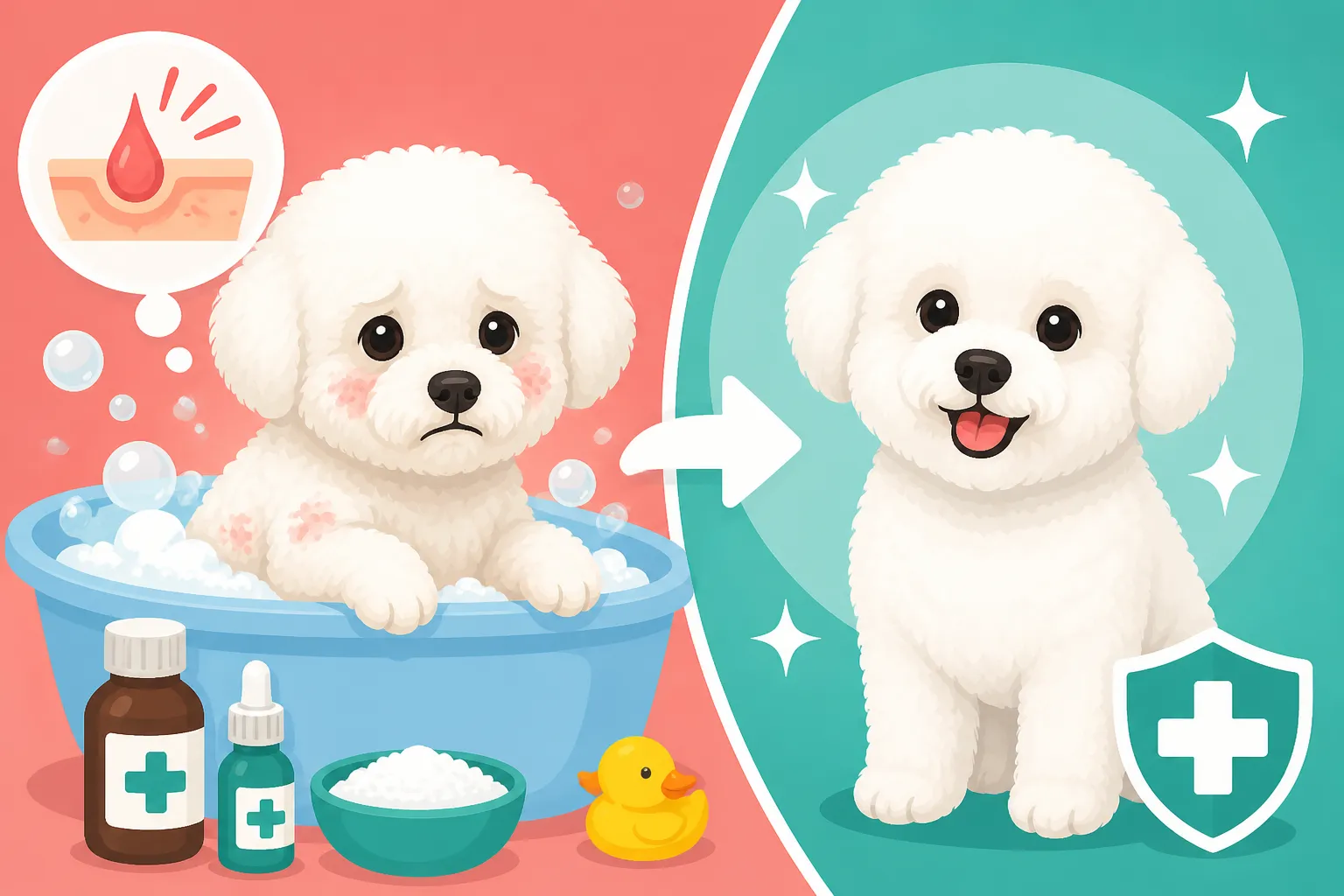
It's incredibly frustrating when your sweet Bichon Frise starts scratching, licking, and rubbing themselves constantly, leaving their usually pristine white coat looking dull, irritated, or even stained. You might have tried various 'sensitive skin' shampoos, only to find the problem keeps coming back, and their skin still looks red and angry. This comprehensive guide will walk you through whether medicated baths can genuinely help your Bichon Frise with their persistent skin issues, explaining what they are, how they work, and how to use them effectively as part of a broader management plan.
Understanding Why Your Bichon Frise Might Need a Medicated Bath
Bichon Frises, with their beautiful, dense coats and sensitive skin, are unfortunately quite prone to certain dermatological challenges. It's a common story: an owner notices their Bichon is just always a little itchy, leading to a cycle of scratching that can quickly escalate into bigger problems. Understanding the root cause is the first step toward effective treatment, and often, medicated baths play a vital role.
Common Skin Conditions in Bichons That Benefit from Medicated Baths
When your Bichon Frise is constantly agitated by an itch, it’s usually not just a simple dry skin issue. These little cloud dogs are particularly susceptible to several specific skin conditions that can make their lives, and yours, quite miserable. One of the most common culprits is atopic dermatitis, an inherited allergic skin disease. If your Bichon's paws are perpetually damp from licking, their belly is red, or they're shaking their head due to recurrent ear infections, it's highly likely that environmental allergens are playing a role. This persistent inflammation can weaken the skin's barrier, making it a welcoming environment for opportunistic invaders. You can delve deeper into this common condition by reading What Atopic Dermatitis Does to a Bichon Frise.
Beyond allergies, Bichons are also very prone to secondary infections because of that constant scratching and licking. Think of it like this: when your skin barrier is compromised, tiny scratches create openings for bacteria and yeast, which are naturally present on the skin, to multiply unchecked. This often leads to bacterial pyoderma (skin infection) or yeast overgrowth caused by Malassezia fungi. You might notice little red bumps, pustules, scabs, or a greasy, "yeasty" smell, often described as smelling like corn chips, particularly in warm, moist areas like armpits, groin, or between paw pads. A specific deep dive into this issue is found in Whether a Bichon Frise Gets Yeast on Its Skin. Medicated baths are fantastic for directly addressing these surface-level infections, cleaning the skin, and delivering active ingredients right where they're needed. They help to reduce the microbial load, alleviate inflammation, and often provide immediate relief, breaking that vicious itch-scratch cycle.
When Regular Shampoos Just Aren't Cutting It
As a Bichon Frise owner, you've probably already invested in a cabinet full of "hypoallergenic," "oatmeal," or "sensitive skin" shampoos, hoping for a miracle. And for mild dryness or occasional irritation, these can certainly offer some temporary comfort. But the disheartening truth is that when your Bichon Frise has an active bacterial or yeast infection, or is in the throes of an allergic flare-up, these gentle, soothing formulas simply aren't potent enough to get to the root of the problem. They might wash away some surface dirt and allergens, and provide a moment of calm, but they lack the active medicinal ingredients needed to kill bacteria, inhibit yeast, or significantly reduce inflammation at a cellular level.
The frustration is real. You give your fluffy friend a bath, they smell lovely for a day, but the persistent licking, chewing, and scratching soon return. This is because regular shampoos don't have the antiseptic, antifungal, or anti-inflammatory properties required to disrupt the life cycle of the microorganisms causing the secondary infection or to truly calm an angry, allergic immune response. It's like trying to cure a serious bacterial infection in humans with just a nice-smelling body wash – it simply won't work. The goal of a medicated bath is not just to clean, but to deliver a targeted therapeutic effect to the skin, which is why your vet will often recommend specific formulations. For more general advice on cleansing, you might want to read Which Shampoo Suits an Itchy Bichon Frise.
Types of Medicated Shampoos and What They Target
Navigating the world of medicated shampoos can feel a bit like learning a new language. There are many different active ingredients, each designed to tackle a specific problem. Knowing what each type does helps you understand why your veterinarian might recommend a particular product for your Bichon Frise.
Antifungal Shampoos for Yeast and Fungal Overgrowth
If your Bichon Frise has that distinctive "corn chip" smell, greasy skin, or brownish discolouration on their paws, around their mouth, or in their ear flaps, chances are they're dealing with a yeast overgrowth, often Malassezia pachydermatis. This common fungal infection thrives in warm, moist environments and is a frequent secondary invader when a Bichon's skin barrier is already compromised by allergies.
Antifungal shampoos are formulated with ingredients like Miconazole or Ketoconazole, which are highly effective at disrupting the cell walls of yeast and other fungi, ultimately killing them. These shampoos aren't just about rinsing away the yeast; they need to stay in contact with the skin for a specific period—often 5 to 10 minutes—to allow the active ingredients to penetrate and do their job. During this "contact time," the shampoo works its magic, breaking down the yeast cells and reducing their population on your Bichon's skin. This reduction in yeast can lead to a significant decrease in itching, redness, and that unpleasant odor, bringing immense relief to your pup. They are a cornerstone treatment for recurrent yeast infections in areas like paw pads, armpits, and groin folds where moisture can easily accumulate.
Antibacterial Shampoos for Skin Infections
Bacterial skin infections, or pyoderma, are another common woe for Bichon Frise owners, frequently appearing as secondary complications to underlying allergies or other skin irritations. You might see red bumps, pustules (small pus-filled pimples), scabs, or areas of hair loss and inflammation, often referred to as "hot spots" if they're acutely irritated and localized. These infections are typically caused by Staphylococcus bacteria, which normally live harmlessly on the skin but can multiply rapidly when the skin barrier is damaged by scratching or licking.
Antibacterial shampoos contain potent ingredients designed to kill or inhibit the growth of these bacteria. The most common and effective active ingredient you'll find is Chlorhexidine. This antiseptic agent works by binding to the bacterial cell wall, disrupting its integrity, and causing the cell to leak and die. Just like with antifungal shampoos, adequate contact time is absolutely crucial for chlorhexidine to be effective. Your vet will instruct you on how long to leave the lather on your Bichon's skin, typically ranging from 5 to 10 minutes, before rinsing thoroughly. These baths are fantastic for reducing the bacterial load on the skin, clearing up active infections, and preventing them from recurring, especially when used in conjunction with other treatments like oral antibiotics if the infection is widespread or deep.
Anti-itch and Soothing Shampoos
While not always strictly "medicated" in the sense of targeting specific pathogens, anti-itch and soothing shampoos play a vital role in managing chronic skin conditions in Bichon Frises, particularly those suffering from allergies. These shampoos are designed to provide relief from discomfort, reduce inflammation, and help restore the skin's natural barrier. They often contain ingredients that calm irritated skin without necessarily killing bacteria or yeast.
Common ingredients in these formulas include colloidal oatmeal, which has natural anti-inflammatory properties and helps to soothe irritated skin. Pramoxine hydrochloride is another ingredient often found in these shampoos; it's a topical anesthetic that provides temporary relief from itching. Some formulations may also include low concentrations of hydrocortisone, a mild corticosteroid, to further reduce inflammation and itch. While these shampoos can offer much-needed comfort, it's important to understand their role. They are generally not curative for active bacterial or yeast infections. Instead, they are often used after an infection has been brought under control with more potent medicated shampoos, or as a maintenance therapy for ongoing allergic skin disease to manage flare-ups and provide comfort. They can be incredibly helpful in keeping your Bichon comfortable between more intensive treatments and are a good option for regular bathing once the primary issue is under control.
Here's a quick overview of common medicated shampoo ingredients and their uses:
| Medicated Shampoo Type | Primary Active Ingredients | What It Targets | Common Uses for Bichons | Important Note |
|---|---|---|---|---|
| Antifungal | Miconazole, Ketoconazole | Yeast (Malassezia), Fungi | Yeasty skin folds, ear margins, paw pads; distinct "corn chip" smell | Needs good contact time; often combined with antibacterial |
| Antibacterial | Chlorhexidine | Bacteria (Staphylococcus) | Pyoderma, hot spots, infected hair follicles; red pustules | Often requires frequent application initially; rinse thoroughly |
| Anti-itch/Soothing | Colloidal Oatmeal, Pramoxine, Hydrocortisone | Itch, Inflammation, Dryness | Temporary relief for intense itching, allergic flare-ups; maintenance | Does not treat underlying infection; usually for comfort/prevention |
| Keratolytic/Keratoplastic | Salicylic Acid, Sulfur, Coal Tar | Seborrhea (oily/flaky skin) | Oily coats, excessive flaking; scaling | Strong odor; can be drying for some; less common for Bichons |
The Proper Technique for Giving Your Bichon Frise a Medicated Bath
Giving a medicated bath isn't quite the same as a quick rinse with regular shampoo. To truly get the benefits for your Bichon's troubled skin, you need to be methodical and patient. Rushing through it or missing key steps can significantly reduce its effectiveness, which means more itching and less relief for your beloved companion.
Preparation is Key: Gathering Supplies and Setting the Scene
Before you even think about getting your Bichon Frise wet, take a moment to prepare everything you'll need. This foresight will make the bathing process smoother and less stressful for both of you. First, gather your supplies: the medicated shampoo prescribed by your vet, several clean, absorbent towels, a non-slip mat for the tub or sink to prevent slips and anxiety, and a brush. For Bichons, it’s absolutely essential to thoroughly brush out any tangles or mats before the bath. Their dense, curly coats can become incredibly matted when wet if not pre-brushed, which not only makes it harder for the shampoo to reach the skin but can also cause discomfort and skin irritation later. For tips on managing their coat, consider How Long Brushing a Bichon Frise Takes.
Additionally, have some cotton balls ready to place gently in your Bichon's ears to prevent water from entering the ear canal, which can lead to ear infections, especially for a breed already prone to them. Make sure the water temperature is comfortably warm, not hot or cold. Choose a calm, quiet time when you won't be interrupted, and try to make the environment as pleasant as possible. Some owners even use a favorite waterproof toy or some soft treats to help distract and reward their Bichon during the process. Remember, a calm owner helps create a calm dog, which is vital for that all-important contact time.
Step-by-Step Medicated Bathing Process
Once you've got your Bichon Frise brushed out and all your supplies at hand, it's time for the bath. The key here is thoroughness and patience, particularly during the contact time.
- Thorough Wetting: Gently place your Bichon in the tub or sink on the non-slip mat. Use a handheld sprayer or a pitcher to thoroughly wet their entire coat down to the skin. Make sure every single hair is saturated.
- Apply Shampoo and Lather: Dispense the recommended amount of medicated shampoo into your hands and apply it evenly over your Bichon's body. Start with the problem areas if they are localized, or apply generally. Work it into a rich lather, massaging it gently but firmly into the skin. Pay special attention to areas prone to infection: armpits, groin, paw pads, and any red or inflamed patches. Be careful around the eyes and mouth, protecting them from direct contact with the shampoo.
- Crucial Contact Time: This is often the most challenging but critical step. Your vet will specify how long the shampoo needs to remain on the skin – typically 5 to 10 minutes. Set a timer! During this time, the active ingredients are doing their work. For many Bichons, standing still for this long is a challenge. This is where those distractions come in handy. Offer a high-value chew toy, a lick mat smeared with peanut butter, or gentle praise. This might be a good time to gently massage their scalp or back, keeping them calm. If your Bichon is particularly squirmy, you might need an extra pair of hands.
- Rinse, Rinse, Rinse: After the contact time is up, rinsing is paramount. Bichons have a dense, double coat that can easily retain shampoo residue. Any left-over shampoo can actually irritate their sensitive skin, making the problem worse or causing new issues. Rinse with clean, warm water until you're absolutely sure all traces of shampoo are gone. This means rinsing longer than you think you need to. Run your fingers through their coat to feel for any remaining slipperiness.
- Gentle Drying: Blot your Bichon dry with clean, absorbent towels. For many Bichons, a low-heat blow dryer can help get their dense coat dry more quickly and prevent matting. Always keep the dryer moving and ensure the air isn't too hot, as excessive heat can irritate sensitive skin. You want them to be completely dry to prevent any lingering dampness from encouraging further yeast or bacterial growth.
Remember, this isn't just a beauty bath; it's a therapeutic treatment. Following these steps diligently will maximize the benefits of the medicated shampoo. Knowing when and how to implement these baths effectively is key, and you can learn more about this in Whether Medicated Baths Control a Bichon Frise's Infections.
Frequency and Duration of Medicated Baths
The frequency and duration of medicated baths are not one-size-fits-all and should always be determined by your veterinarian. Generally, for acute bacterial or yeast infections, your vet might recommend bathing your Bichon Frise quite frequently at first, perhaps every 2-3 days, to quickly reduce the microbial load on the skin. This intensive initial phase is crucial for getting the infection under control and providing rapid relief from discomfort.
As the infection improves, the frequency will likely be tapered. For instance, you might move to twice a week, then once a week, and eventually, for many Bichons with chronic allergic skin disease, a maintenance schedule of once every 1-2 weeks might be recommended. The duration of the entire bathing regimen also varies. For simple, localized infections, a few weeks of consistent medicated baths might be sufficient. However, for Bichons with underlying allergies like atopic dermatitis, medicated baths often become a long-term, ongoing part of their management strategy. This is because the underlying allergic condition predisposes them to recurrent secondary infections, so regular bathing helps to keep these opportunistic invaders at bay. It's critical not to stop the baths prematurely, even if your Bichon's skin looks much better, as this can lead to a rapid relapse of the infection. Always consult your vet before altering the prescribed bathing schedule.
Integrating Medicated Baths into a Holistic Skin Care Plan
While medicated baths are incredibly effective for managing surface skin infections and providing symptomatic relief for your Bichon Frise, they are rarely a standalone solution for chronic or recurring skin problems. Think of them as a crucial tool in a larger toolkit. For lasting relief and overall skin health, these baths need to be integrated into a comprehensive, holistic approach that addresses all contributing factors.
When Medicated Baths Aren't Enough: The Need for Veterinary Intervention
It's a common scenario: you're diligently giving your Bichon Frise medicated baths, following every instruction to the letter, but the scratching, redness, and discomfort just aren't getting better. This is a clear signal that the medicated baths, while helpful for surface issues, aren't addressing the underlying cause of your Bichon's skin problems. This is precisely when a deeper dive with your veterinarian is essential. Medicated baths primarily treat the symptoms (infections, inflammation) but often can't cure the root problem, especially if it's systemic or more complex.
Your vet might need to conduct further diagnostics to pinpoint the exact issue. This could involve skin scrapes to check for mites, fungal cultures to identify less common infections, or bacterial cultures and sensitivity testing to determine the specific bacteria present and which antibiotics will be most effective. Often, oral medications, such as antibiotics for deep bacterial infections, oral antifungals for widespread yeast, or anti-inflammatory drugs like corticosteroids or newer targeted medications for allergy control, will be necessary to work in conjunction with the baths. For Bichons with chronic allergies, your vet might discuss options like allergy testing to identify specific triggers or immunotherapy (allergy shots or oral drops) to desensitize your dog over time. Without addressing that core problem, whether it's allergies, hormonal imbalances, or something else, the cycle of infection and discomfort will simply continue, no matter how many medicated baths you give. Exploring topics like Whether a Bichon Frise Needs Allergy Testing and Managing a Bichon Frise's Skin Without Steroids can offer further insights into these deeper interventions.
Supporting Skin Health Beyond the Bath
Beyond the immediate relief and treatment offered by medicated baths and veterinary prescriptions, a truly effective long-term strategy for your Bichon Frise's skin health involves a holistic approach to their daily care. What you put into their body and how you manage their environment plays a huge role.
First, dietary considerations are paramount. For Bichons with allergies, especially food sensitivities, switching to a novel protein or hydrolyzed protein diet can make a world of difference. Your vet might recommend a specific therapeutic diet designed to support skin and coat health, which often contains specific fatty acid ratios and antioxidants. While not a brand endorsement, you might explore options like those offered by companies focused on single-source proteins or carefully formulated sensitive skin diets. For example, some owners look into fresh food options like Ollie if their vet advises a novel protein approach. Always ensure any dietary change is approved and guided by your veterinarian, as not all "sensitive skin" foods are created equal, and some may not address the underlying issue. Learning Whether a Bichon Frise's Itching Is Food or Pollen can guide your dietary choices.
Secondly, nutritional supplements can provide internal support. Omega-3 fatty acids, often derived from fish oil, are powerful natural anti-inflammatories that can help improve skin barrier function, reduce dryness, and lessen the severity of allergic reactions. Look for high-quality supplements with appropriate dosages for small breeds. Lastly, environmental management is key, especially for Bichons with environmental allergies. Regular cleaning of your home, vacuuming with a HEPA filter, and washing your Bichon's bedding frequently can reduce exposure to dust mites and pollen. During high pollen seasons, simply wiping your Bichon's paws and belly after outdoor excursions can help remove allergens from their coat before they have a chance to penetrate the skin. These measures, combined with appropriate bathing and vet care, create a powerful defense against recurring skin issues. If diet is a suspected factor, you might also find Whether an Elimination Diet Helps a Bichon Frise helpful.
Sourcing Medicated Shampoos: Prescription vs. Over-the-Counter
When it comes to medicated shampoos for your Bichon Frise, you'll generally encounter two main categories: prescription-only and over-the-counter (OTC) options. Understanding the difference is crucial for ensuring effective and safe treatment.
Prescription medicated shampoos are typically recommended or directly dispensed by your veterinarian. These formulations often contain higher concentrations of active ingredients like chlorhexidine, miconazole, or ketoconazole, or specific combinations tailored to a particular type of infection or skin condition. The strength and precise ingredients are chosen based on your Bichon's diagnosis, the severity of the issue, and any other medications they might be on. These shampoos are part of a medical treatment plan, and their use should always be guided by a professional. You'll usually obtain these directly from your vet's office, or your vet might provide a prescription for a reputable online pet pharmacy.
Over-the-counter (OTC) medicated shampoos are widely available at pet stores, larger retailers, and online platforms like Chewy or Amazon. These products generally contain lower concentrations of active ingredients or feature more soothing, natural components. While some OTC options can be helpful for very mild cases, or as a maintenance shampoo once a primary infection is under control, they are often not potent enough to clear up active, moderate to severe bacterial or yeast infections. It's easy to waste money and precious time on OTC products that aren't quite right for your Bichon's specific needs. Before purchasing any OTC medicated shampoo, always have a conversation with your vet. They can advise whether an OTC option is appropriate for your dog's condition or if a stronger prescription formula is necessary. Using the wrong product or a product that's too weak can delay proper healing and potentially worsen your Bichon's discomfort.
Potential Pitfalls and Troubleshooting with Medicated Baths
Even with the best intentions, medicated baths can sometimes come with their own set of challenges. It's important to be aware of these potential pitfalls so you can troubleshoot effectively and ensure your Bichon Frise gets the maximum benefit without any adverse effects.
The Risk of Over-Bathing or Using the Wrong Product
One common mistake Bichon Frise owners can make is either bathing too frequently with the wrong product or using a shampoo that is simply not suited for their dog's specific skin condition. While it might seem intuitive to bath an itchy dog more often, over-bathing with a medicated shampoo, particularly one that is too strong or not formulated for chronic use, can actually strip the skin of its natural protective oils. This can lead to excessive dryness, irritation, and a compromised skin barrier, making your Bichon more susceptible to new infections or exacerbating existing ones. Imagine showering several times a day with harsh soap – your skin would quickly become dry, cracked, and painful. The same applies to your Bichon.
Moreover, using the wrong type of medicated shampoo can be ineffective at best and detrimental at worst. For instance, using a shampoo primarily designed for bacterial infections when your Bichon has a significant yeast overgrowth won't yield the desired results. Conversely, a harsh shampoo meant for severe seborrhea might be far too drying for a Bichon with delicate, allergy-prone skin. It's vital that the shampoo you use is prescribed or specifically recommended by your vet after a proper diagnosis. Guessing or trying random products, even if they claim to be "medicated," can not only waste time and money but also prolong your Bichon's discomfort and potentially make their skin condition worse. Always stick to your vet's specific instructions regarding the type of shampoo and the bathing frequency.
Dealing with a Bichon Frise Who Hates Baths
Let's face it: not every Bichon Frise prances happily into the tub. Some see bath time as a betrayal, a torturous ordeal to be avoided at all costs. This can be especially challenging when medicated baths are a crucial part of their treatment plan and require precise timing and thoroughness. The last thing you want is a stressed-out, wriggling pup who makes the vital "contact time" impossible.
If your Bichon is a bath-hater, the key is gradual desensitization and positive reinforcement. Don't force them. Start by simply getting them used to the bathroom, then the tub itself, perhaps with a handful of high-value treats. Introduce the water slowly, praising and rewarding at each small step. Use a non-slip mat to give them confidence. During the actual bath, maintain a calm demeanor, speak in soothing tones, and have plenty of their favorite treats ready. A lick mat stuck to the side of the tub can be a lifesaver, keeping them distracted and happy for those crucial 5-10 minutes of contact time. Make the experience as pleasant as possible, even if it feels like a battle initially. Consistency and patience will pay off. A negative bath experience can create lasting fear, so you want to prevent that. You might also find insights in Whether a Bichon Frise Learns to Fear the Groomer After Pain to understand how past experiences can influence their behavior during grooming.
Long-Term Management and Preventing Recurrence
For many Bichon Frises, especially those with underlying conditions like environmental allergies, managing skin issues is a marathon, not a sprint. While medicated baths are powerful tools for acute flare-ups and controlling secondary infections, long-term success hinges on consistent, proactive management aimed at preventing recurrence. The goal isn't just to treat the current problem but to minimize the chances of it coming back.
This means strict adherence to any maintenance bathing schedule your vet recommends, even when your Bichon's skin looks perfectly clear. These maintenance baths, perhaps weekly or bi-weekly, help keep microbial populations in check and support a healthy skin barrier. It also involves being incredibly observant of your Bichon's behavior and skin. Are they starting to lick their paws more? Is there a faint yeasty smell developing? Catching these early signs of a flare-up can allow you to intervene quickly with an extra medicated bath or a call to the vet, preventing a full-blown infection. Environmental controls, appropriate diet, and any prescribed oral medications or supplements must also be consistently maintained. Regular veterinary check-ups are non-negotiable, as your vet can monitor their skin health, adjust treatments as needed, and keep an eye on their overall well-being. Understanding that skin health is a lifelong journey for many Bichons will help you budget for ongoing care, which includes these vital treatments. To grasp the broader financial picture, you may want to review What a Bichon Frise's Yearly Vet Bill Looks Like. By staying vigilant and working closely with your vet, you can significantly improve your Bichon's quality of life and keep their beautiful coat and healthy skin shining.
Disclaimer
This article is for general informational purposes only and does not constitute professional advice. Laws, prices and regulations vary by location and change over time. Consult a qualified professional for guidance on your specific situation.