Whether a Bichon Frise’s Ear Hair Needs Plucking
It's incredibly frustrating when you're trying your best to care for your beloved Bichon Frise, only to find conflicting advice on something as seemingly simple as ear hair. One groomer tells you to pluck, another warns against it, and suddenly you're left wondering if you're doing more harm than good. This guide is here to unravel the mystery of ear hair plucking in Bichon Frises, offering clarity on when it might be considered, when it should be avoided, and the best practices for keeping those fluffy ears healthy and happy.
The Unique Ear Environment of a Bichon Frise
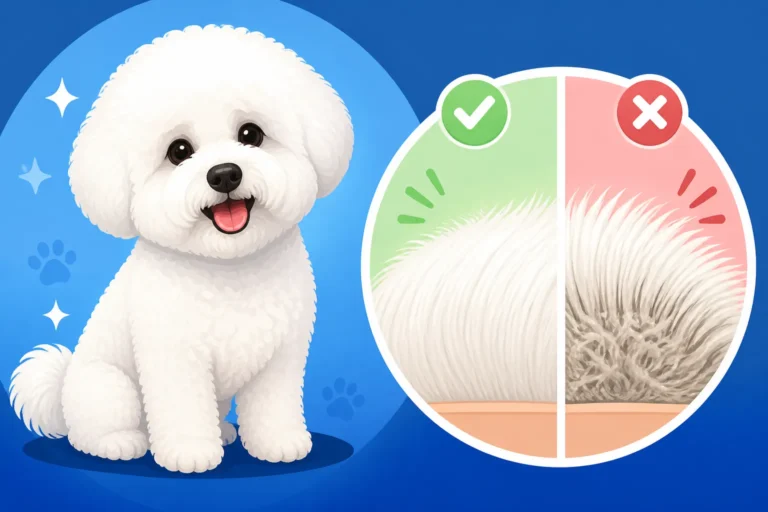
Bichon Frises are known for their luxurious, cotton-like double coat that seems to grow endlessly, and this beautiful coat extends right into their ear canals. Unlike some breeds with smooth, hairless ear canals, the Bichon's ears can be quite fluffy on the inside. This dense hair creates a unique microclimate within the ear that can be both a blessing and a curse.
Why Bichon Frises Have So Much Ear Hair
The Bichon Frise breed standard calls for a soft, curly undercoat with coarser guard hairs, giving them that characteristic powder-puff appearance. This dense coat is great for trapping allergens and reducing shedding, which is why they are often considered a good choice for people with allergies. However, this same hair grows inside their ear canals, sometimes quite profusely. This isn't a flaw in the breed; it's simply a characteristic of their coat type. The hair inside their ears can act like a filter, theoretically catching debris and dust, but it also creates a warm, humid, and often poorly ventilated environment that can trap moisture and wax.
Imagine trying to keep a long, flowing hairstyle perfectly clean and dry after a shower, especially if that hair is inside a dark, confined space. That's a bit like what's happening inside your Bichon's ear. This internal hair, combined with the dropped ear flap, significantly reduces airflow, which can lead to a build-up of earwax and moisture.
How Ear Hair Can Affect Ear Health
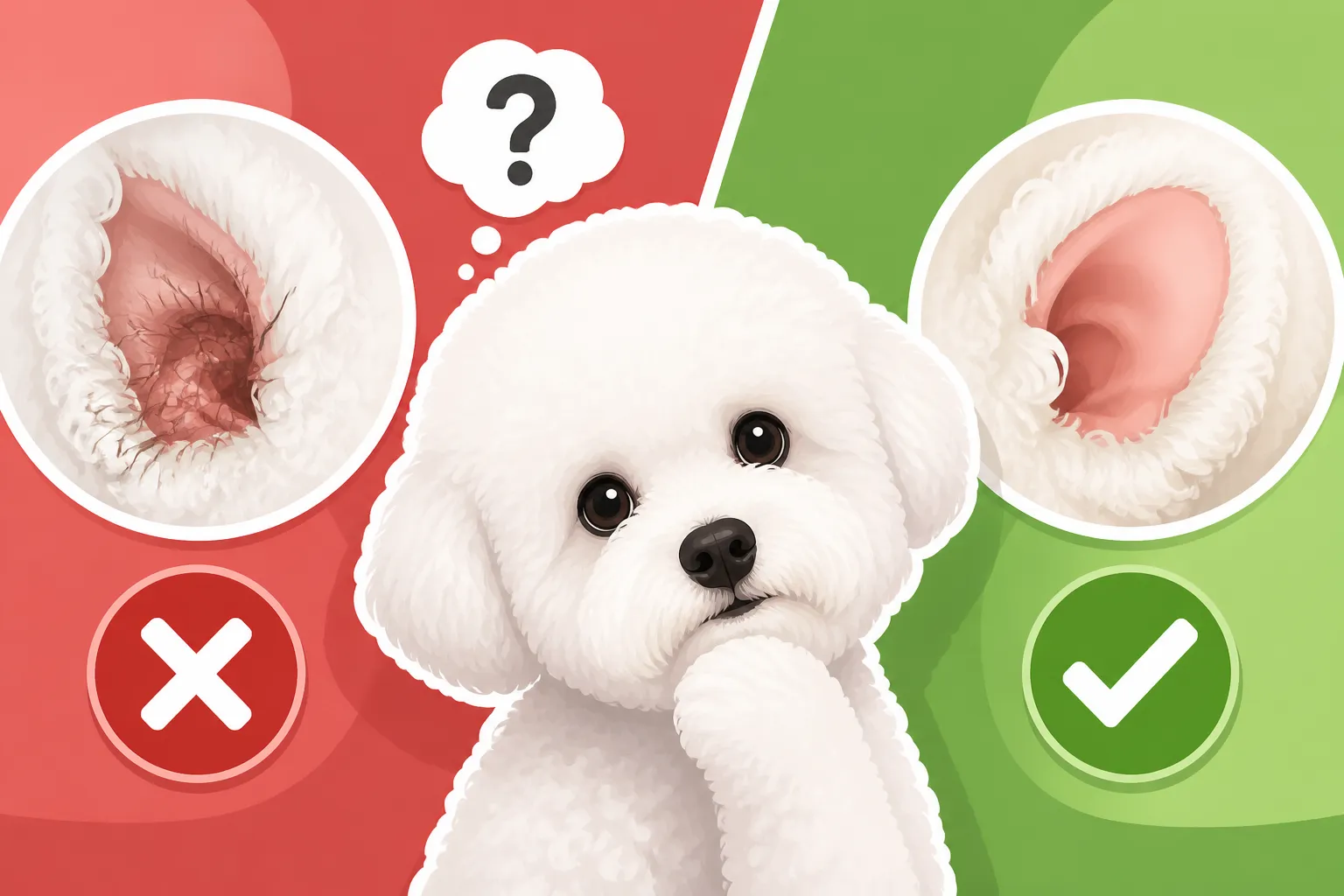
While the hair might initially seem protective, its density can become problematic. This thick mat of hair can actually prevent earwax from migrating out naturally, leading to blockages and accumulation. The trapped wax and moisture then become a perfect breeding ground for bacteria and yeast, which thrive in warm, dark, moist environments. This is a common setup for ear infections, medically known as otitis externa. You might notice your Bichon shaking its head more often, scratching at its ears, or you might detect an unpleasant odor or discharge. Recurrent Ear Infections in a Bichon Frise are unfortunately a common woe for many owners. It’s a classic Catch-22: the hair is part of their charm, but it can also be a significant factor in chronic ear issues.
The Great Ear Plucking Debate: To Pluck or Not to Pluck?
For years, the conventional wisdom among many groomers and even some veterinarians was that ear hair in breeds like the Bichon Frise must be plucked to prevent infections. The idea was simple: remove the hair, improve airflow, reduce moisture, and thus prevent problems. However, in recent times, this advice has become highly controversial, with a growing number of professionals advocating against routine plucking. This differing advice can leave owners feeling confused and unsure of the best path for their furry friend.
Arguments in Favor of Plucking
Proponents of plucking often point to the theoretical benefits of increased ventilation and reduced wax buildup. They argue that by removing the thick hair, the ear canal can "breathe" better, making it less hospitable for bacteria and yeast. For Bichons who suffer from chronic ear infections where dense hair is clearly trapping debris and impeding treatment, some vets or groomers might still recommend cautious plucking. The rationale is that if the hair is truly causing a blockage and preventing medicated drops from reaching the deeper parts of the ear canal, its removal might be a necessary step in treatment.
In some grooming circles, plucking is also seen as a standard part of maintaining the breed, much like regular brushing and scissoring. The belief is that leaving the hair unplucked will inevitably lead to problems. Owners whose Bichons have very heavy ear hair that consistently mats and traps dirt might also lean towards plucking, especially if they've seen improvements in ear health after doing so under professional guidance.
Arguments Against Routine Plucking
On the other side of the debate, a significant number of veterinarians and modern groomers now strongly advise against routine ear hair plucking. Their primary concern is that plucking, even when done carefully, can cause micro-trauma to the delicate skin lining the ear canal. Each hair follicle that is plucked leaves a tiny, open wound, essentially creating an entry point for bacteria. This can actually increase the risk of infection, rather than prevent it, leading to painful inflammation and bacterial colonization.
Furthermore, plucking can be quite painful for the dog. Imagine having hairs pulled from your own ears! While some dogs tolerate it better than others, many find it uncomfortable and will resist, making future ear care more challenging. Repeated plucking can also lead to scar tissue formation and thickening of the ear canal lining, potentially narrowing the canal and making it more prone to problems over time. Whether a Bichon Frise's Ears Trap Moisture is a concern, but plucking might exacerbate rather than alleviate it in some cases. The goal should be to maintain a healthy, intact skin barrier, which plucking can compromise.
Potential Risks and Complications of Ear Hair Plucking
It's natural to want to do what's best for your Bichon Frise, but the act of ear hair plucking, especially when done improperly or too frequently, carries several risks that every owner should be aware of. Understanding these potential complications is key to making an informed decision about your dog's ear care.
Pain and Discomfort
Let's be honest: having hair pulled from any part of your body is rarely a pleasant experience, and your Bichon's ears are no exception. The inside of a dog's ear canal is highly sensitive, with many nerve endings. Even if done by a professional, plucking can cause significant pain and discomfort. Some dogs tolerate it, but many will flinch, cry out, or try to pull away. This negative experience can create a lasting aversion to ear handling, making future necessary veterinary examinations or cleaning sessions incredibly difficult and stressful for both you and your dog.
If your Bichon starts to associate ear care with pain, even routine tasks like checking for redness or applying prescribed medication can become a battle. This is particularly crucial if your dog develops an actual infection and needs daily treatment. A fearful or reactive dog complicates their care significantly.
Inflammation and Infection
Perhaps the most significant risk of ear hair plucking is the potential for inflammation and secondary infection. When hairs are forcefully pulled from the ear canal, the tiny hair follicles are traumatized. This trauma can lead to immediate inflammation, causing the delicate skin lining to become red, swollen, and itchy. These inflamed follicles are essentially miniature open wounds.
These open wounds, combined with the naturally warm and moist environment of the ear canal, create an ideal gateway for bacteria and yeast. Even if the ear was perfectly healthy before plucking, the act itself can introduce bacteria from the surface of the skin or tools, leading to an infection. It's a cruel irony that an attempt to prevent infection could actually cause one. Once an infection takes hold, it can be painful, require veterinary attention, and sometimes a course of antibiotics or antifungals. This is why many modern vets now advise against it, recognizing that the potential for iatrogenic (treatment-induced) infection often outweighs the perceived benefits.
Narrowing of the Ear Canal
Over time, repeated trauma and inflammation from plucking can lead to chronic changes in the ear canal. The body's natural response to injury is to repair itself, often by forming scar tissue. In the ear canal, this repeated scarring and inflammation can cause the delicate lining to thicken and become fibrotic. This thickening can actually narrow the ear canal, a condition known as stenosis.
A narrowed ear canal is a serious problem because it further impedes airflow, makes it even harder for wax and debris to exit, and creates an even more confined space where moisture and pathogens can thrive. It also makes it incredibly difficult for veterinarians to properly examine the ear with an otoscope or for owners to effectively administer ear drops. In severe, chronic cases, this can lead to irreversible damage and sometimes even necessitate complex surgical procedures to open up the ear canal. It’s a long-term consequence that often isn't immediately apparent but can significantly impact your Bichon's quality of life.
Alternatives to Routine Ear Hair Plucking
Given the potential risks associated with plucking, many Bichon Frise owners and veterinary professionals are now turning to alternative, less invasive methods to manage ear hair and maintain optimal ear health. These strategies focus on cleanliness, proper ventilation, and addressing underlying issues rather than aggressive hair removal.
Regular Ear Cleaning and Maintenance
Consistent, gentle ear cleaning is arguably the most important alternative to plucking. The goal is to keep the ear canal clean, dry, and free from excessive wax buildup without causing irritation. This means using a veterinary-approved ear cleaner that is formulated to dissolve wax and dry the ear canal gently. You want something that’s not overly astringent or irritating. Many excellent brands are available, and you can often find them at your local pet store, veterinary clinic, or online retailers like Chewy or Amazon.
To clean your Bichon's ears:
- Gather supplies: Ear cleaner, cotton balls or soft gauze, and treats for positive reinforcement. Avoid cotton swabs, as they can push debris further into the ear and potentially damage the eardrum.
- Apply cleaner: Gently lift your Bichon's ear flap and squirt the recommended amount of cleaner into the ear canal. Don't be shy; you want to fill it up.
- Massage the base of the ear: Gently massage the base of the ear for 20-30 seconds. You should hear a squishing sound as the cleaner breaks up wax.
- Allow your Bichon to shake: Step back and let your dog shake its head. This helps to bring loosened debris to the outer ear.
- Wipe the outer ear: Use a cotton ball or gauze to wipe away any visible debris and excess cleaner from the folds of the ear flap and the opening of the ear canal. Only clean what you can see.
- Repeat if necessary: If the ear is particularly dirty, you might need to repeat the process.
The frequency of cleaning will depend on your individual Bichon. Some dogs need it weekly, others every few weeks. It's always a good idea to discuss this with your vet. Regular cleaning can prevent the need for more drastic measures like plucking and help in identifying problems early. How Often a Bichon Frise's Ears Should Be Cleaned is a really important conversation to have with your vet.
Strategic Trimming of Ear Hair
For Bichons with extremely dense hair that seems to mat and block the ear canal, a compromise between full plucking and no intervention can be strategic trimming. This involves carefully using blunt-nosed scissors or small clippers (like those used for paw pads) to trim the hair just at the entrance of the ear canal and on the underside of the ear flap. The key is to remove only the hair that is clearly blocking the opening or matting, without reaching deep into the canal where the skin is most sensitive.
The goal of trimming is to improve airflow and allow wax to exit more easily, similar to the goal of plucking, but without the trauma to the hair follicles. This should always be done with extreme caution and ideally by a professional groomer or veterinary technician who is experienced with this technique. Never insert scissors deep into the ear canal, as a sudden movement from your dog could lead to serious injury. Trimming can be a much gentler option for managing excess hair, especially for dogs who are prone to external ear infections where debris is clearly accumulating at the canal entrance.
Addressing Underlying Issues (Allergies, Diet, etc.)
It's crucial to remember that ear infections are often a symptom of an underlying problem, not just a standalone issue caused by hair. For many Bichon Frises, chronic ear problems are closely linked to allergies—either environmental or food-related. If your Bichon is constantly scratching its ears, shaking its head, or developing infections despite good cleaning habits, it’s vital to investigate potential allergies. What Atopic Dermatitis Does to a Bichon Frise often includes itchy ears as a primary symptom.
Consult with your veterinarian to explore options for allergy testing or an elimination diet. Dietary changes, such as switching to a limited ingredient diet or a novel protein diet, can sometimes make a world of difference. Products like those offered by Ollie, with fresh, carefully sourced ingredients, might be considered in consultation with your vet if food sensitivities are suspected. Managing these underlying allergies can dramatically reduce ear inflammation and the frequency of infections, often negating any perceived need for plucking. Similarly, ensuring a healthy overall diet can contribute to better skin and coat health, which extends to the ears. Managing a Bichon Frise's Skin Without Steroids is often a multi-faceted approach, and good ear care is part of that.
When Plucking Might Be Considered (Under Veterinary Guidance)
While routine plucking is largely discouraged, there are rare, specific circumstances where a veterinarian might recommend selective or targeted hair removal from the ear canal. This decision should always be made by a qualified vet after a thorough examination and only when other less invasive methods have proven ineffective.
Severe Chronic Infections
In cases of severe, chronic ear infections (otitis externa) where the hair growth is exceptionally dense and demonstrably preventing effective treatment, a vet might consider cautious hair removal. This usually happens when the hair is so thick that medicated ear drops or ointments simply cannot reach the deeper parts of the inflamed ear canal, making it impossible to clear the infection.
Imagine trying to treat an infection through a dense, matted curtain. In such extreme scenarios, a vet might carefully remove some hair to allow topical medications to penetrate and to enable better visualization of the ear canal during examination. This is not a preventative measure but a targeted therapeutic intervention, and it's typically done under sedation or light anesthesia to minimize pain and ensure the dog's safety and cooperation. The focus is purely on facilitating medical treatment, not on routine grooming.
Diagnostic Purposes
Sometimes, very dense ear hair can completely obscure the veterinarian's view into the ear canal, making it impossible to perform a proper otoscopic examination. Without a clear view, it's difficult to assess the severity of inflammation, check for foreign bodies, or visualize the eardrum. In these situations, the vet might carefully remove some hair to allow for a comprehensive diagnostic evaluation.
This is a temporary measure, done only to gather necessary information. For example, if your Bichon has been experiencing Whether a Bichon Frise Shakes Its Head constantly and scratching intensely, the vet needs to see inside to rule out things like polyps, tumors, or a ruptured eardrum. Again, this would be done with utmost care, often with the dog sedated, to prevent pain or further damage, and it's not a recommendation for ongoing maintenance.
Best Practices for Bichon Frise Ear Health
Preventing ear problems in your Bichon Frise is far easier and less painful than treating them. By adopting a proactive and gentle approach to ear care, you can help ensure your dog's ears remain healthy and comfortable throughout their life.
Regular Vet Check-ups and Ear Examinations
The cornerstone of good ear health is regular veterinary care. During your Bichon's annual check-up, your vet will examine their ears thoroughly. This allows them to catch any budding problems early, before they escalate into painful infections. If your Bichon has a history of ear issues, your vet might recommend more frequent ear checks, or you might need to schedule an appointment specifically for an ear concern if you notice any changes.
Prompt attention to any signs of discomfort, such as scratching, head shaking, redness, odor, or discharge, is crucial. Your vet can accurately diagnose the problem, whether it's an infection, allergies, or something else, and provide the appropriate treatment. They can also advise you on the best ear cleaning regimen for your specific dog. It’s also wise to get advice on things like Whether a Bichon Frise Should Be Urine Tested Yearly or Whether a Bichon Frise Needs a Yearly Eye Exam, as overall health impacts ear health too.
Establishing a Gentle Grooming Routine
A regular and gentle grooming routine that includes ear care is essential for Bichon Frises. This involves:
- Weekly Ear Checks: Visually inspect your Bichon's ears at least once a week. Look for redness, swelling, discharge, or any unusual odors. This helps you catch issues early.
- Gentle Cleaning: As discussed, use a vet-approved ear cleaner as often as your vet recommends. Focus on cleaning the visible parts of the ear and the entrance to the canal. Avoid over-cleaning, as this can also cause irritation. The Ears a Bichon Frise Needs Cleaned Every Week often refers to cleaning the visible external parts to prevent buildup.
- Strategic Trimming (if needed): If your Bichon has very long hair around the ear opening that is trapping moisture or getting matted, carefully trim it using blunt-nosed scissors. Always do this from the outside in, never inserting scissors deep into the canal.
- Drying Ears: After baths or swimming, ensure your Bichon's ears are thoroughly dried. Use a soft towel to gently blot the ear flaps and a cotton ball to absorb moisture from the outer ear canal. You can use a bit of cotton in the ears during bathing to prevent water from entering, but be sure to remove it afterwards.
Consistency is key here. A calm and positive approach will make ear care a much better experience for your Bichon.
Using Appropriate Products
The right products make a huge difference in effective ear care.
- Ear Cleaners: Always opt for a veterinary-recommended ear cleaner. These are formulated to be gentle on the delicate ear tissue while effectively dissolving wax and debris. Avoid homemade concoctions unless specifically advised by your vet, as they can sometimes irritate or harm the ear. You can find a wide range of suitable ear cleaners on platforms like Chewy or Amazon.
- Wipes: For quick clean-ups of the outer ear or between full cleanings, ear wipes can be very handy. They are pre-moistened and designed for gentle daily use to remove surface dirt and maintain freshness.
- Grooming Tools: If you decide to trim ear hair, invest in small, blunt-tipped grooming scissors specifically designed for pets. This greatly reduces the risk of accidental injury.
Understanding Your Bichon's Specific Needs
Every Bichon Frise is an individual, and their ear care needs can vary. Some Bichons might have naturally cleaner ears with less hair, while others might be prone to more wax production or have denser hair growth. Factors like living environment (e.g., dusty homes, humid climates), diet, and overall health status can all play a role.
Pay close attention to your dog's ears and learn what "normal" looks and smells like for them. This way, you'll quickly notice any changes that might indicate a problem. Work closely with your veterinarian and a trusted professional groomer to develop an ear care routine that is tailored to your Bichon's unique needs, prioritizing their comfort and long-term health over outdated practices. Remember that Whether a Bichon Frise Needs Ear Drying After a Bath is a crucial step in preventing moisture-related issues.
Conclusion
The question of whether a Bichon Frise's ear hair needs plucking is far from simple, and the shift in professional advice reflects a deeper understanding of canine ear health. While the old adage suggested routine plucking was necessary, current veterinary consensus leans towards avoiding it in most cases due to the potential for pain, trauma, and increased risk of infection.
Instead, the focus has rightly shifted to gentle, proactive care that prioritizes your Bichon's comfort and the integrity of their delicate ear canal. Regular ear cleaning with appropriate products, strategic trimming of external hair when truly necessary, and diligently addressing any underlying health issues like allergies are the pillars of healthy ear maintenance. Always consult with your veterinarian to establish the best ear care routine for your individual Bichon Frise. Their expertise will help you navigate the nuances and ensure your fluffy friend enjoys optimal ear health, free from unnecessary discomfort or complications.
Disclaimer
This article is for general informational purposes only and does not constitute professional advice. Laws, prices and regulations vary by location and change over time. Consult a qualified professional for guidance on your specific situation.