Whether a Slicker Reaches a Bichon Frise’s Skin
If you've ever stood there with your slicker brush, painstakingly trying to get through your Bichon Frise's magnificent cloud of white fur, only to suspect you're just skimming the surface, you're not alone. It's a common frustration for many Bichon parents, wondering if their efforts are truly reaching down to that precious skin, or if they're simply fluffing up the top layer. This guide is going to dive deep into exactly that—how to ensure your slicker brush effectively penetrates your Bichon's dense coat, preventing painful mats and keeping their skin healthy.
The Unique Challenge of the Bichon Frise Coat
The Bichon Frise coat is truly a marvel, a fluffy, soft, and curly white cloud that makes them look like living cotton balls. But beneath that adorable exterior lies a grooming challenge that can baffle even experienced dog owners. Understanding its structure is the first step to mastering its care.
More Than Just Fluff: The Double-Coated Dilemma
Unlike some breeds with single coats, the Bichon Frise boasts a double coat, though it's not quite like a Husky's or a Golden Retriever's. Their outer coat consists of coarse, curly guard hairs, while underneath lies a dense, soft undercoat. This combination is what gives them their signature "powder puff" look and contributes to their non-shedding reputation—the loose undercoat gets trapped within the curlier outer coat.
Because these hairs don't fall out easily, they accumulate and, if not brushed out regularly, will quickly tangle and matt. Imagine trying to brush a dense, curly wool sweater that's started to felt – that's often what you're up against if you don't groom your Bichon properly. This density is precisely why many owners feel their slicker brush isn't doing its job. It's not just hair you're brushing; it's a finely woven, insulating barrier that requires a specific approach to maintain its health and appearance. The goal isn't just to make the top look pretty, but to ensure airflow to the skin and remove all loose, dead hair from the undercoat.
The Matting Magnet: Why Bichon Coats Tangle So Easily
Bichon Frise coats are absolute magnets for mats, and it’s not just due to their double-coat structure. The texture of their hair is inherently predisposed to tangling. The curly nature of both the guard hairs and the undercoat means individual hairs intertwine readily. Every time your Bichon plays, rolls, or even just sleeps, these curls can hook onto each other, forming small knots that quickly escalate into dense, felt-like mats.
Environmental factors also play a huge role. Moisture, whether from a bath, rain, or even just humidity, can tighten curls and exacerbate matting if the coat isn't thoroughly dried and brushed afterward. Friction from harnesses, collars, or even simply rubbing against furniture contributes to mat formation, especially in areas like behind the ears, armpits, and groin. When you add in the trapped dead undercoat that doesn't shed naturally, you have a recipe for serious matting. These mats aren't just unsightly; they pull on the skin, causing discomfort, pain, and even skin infections if left unchecked. A slicker brush, when used correctly, is your primary defense against this relentless matting process.
The Role and Limitations of Your Slicker Brush
The slicker brush is an indispensable tool in any Bichon Frise owner's grooming kit. It's designed to detangle, remove loose hair, and stimulate the skin. However, it's crucial to understand what it can and cannot do on its own.
The Surface Skimmer vs. Deep Diver
A good quality slicker brush, with its multitude of fine, bent wire pins, is excellent for working through the upper layers of a Bichon's coat. It excels at separating individual strands, fluffing the coat, and gently teasing out minor tangles. When you use it with a light, airy stroke, it creates that beautiful, voluminous "powder puff" effect that Bichons are famous for.
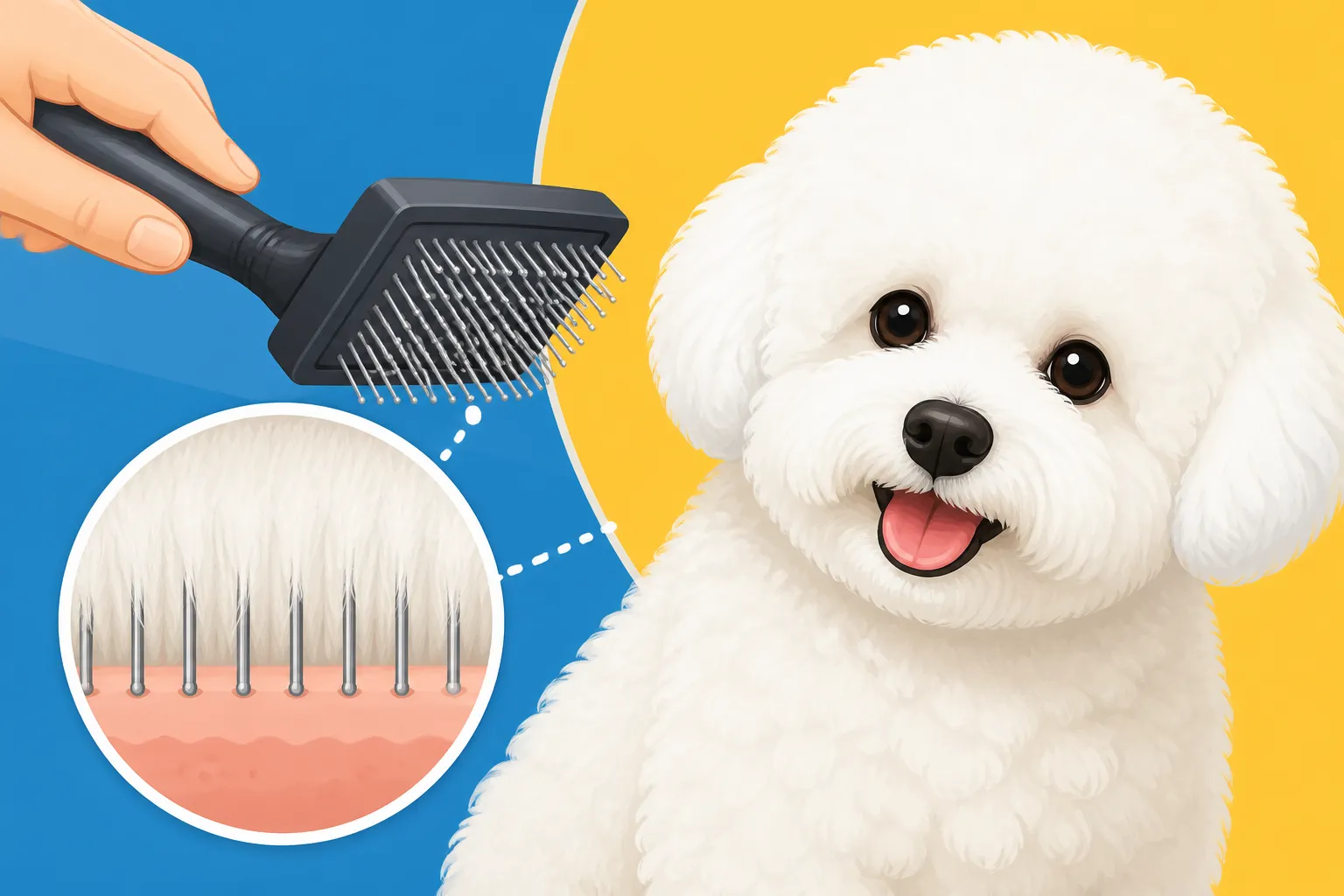
However, the challenge arises when the coat is dense or already starting to matt. If you just brush over the top, the slicker pins might only glide over the outermost layer, leaving the crucial undercoat and the hair closer to the skin untouched. This is where the frustration sets in – you're brushing, but you're not actually reaching the problem areas. It becomes a "surface skimmer" rather than a "deep diver," and the mats continue to form and tighten underneath. Many slicker brushes are designed with pins that are relatively short or too soft for a truly dense Bichon coat, meaning they simply don't have the length or stiffness to penetrate all the way down. You might find a good selection of specialized slicker brushes on sites like Chewy or Amazon, but always read reviews to ensure they're recommended for thick, curly coats.
Why Technique Trumps Tool
While having the right slicker brush is important, your technique is even more critical for a Bichon Frise. Simply running the brush over the coat from top to bottom, as you might with a short-haired dog, is largely ineffective. This method, often called "top brushing," is precisely what leads to the feeling that your slicker isn't reaching the skin. The dense, curly hairs resist the pins, creating a barrier that prevents them from penetrating.
Effective grooming for a Bichon requires a technique called "line brushing." This isn't just a suggestion; it's an absolute necessity. Line brushing involves systematically parting the coat in small sections and brushing in layers, starting from the skin and working outwards. Without this methodical approach, even the best slicker brush will fail to get through the entire depth of the coat, leaving mats to form at the base of the hair shaft. It’s physically impossible for the pins to reach the skin through an unparted, thick coat. So, while your slicker is a vital instrument, consider your hand and your method to be the true conductor of the grooming symphony.
Mastering the Art of Bichon Grooming: Reaching Every Strand
Successfully grooming a Bichon Frise requires more than just a slicker brush; it demands a systematic approach and the right companion tools. The goal is always to get down to the skin, preventing mats and promoting healthy coat growth.
The Power of Line Brushing
Line brushing is the cornerstone of effective Bichon Frise grooming, and it's the answer to whether your slicker brush can reach the skin. This technique ensures that every single layer of your dog's coat is thoroughly brushed, from the skin up. Here’s how you do it:
- Prepare Your Bichon: Make sure your Bichon is clean and completely dry. Brushing a damp or dirty coat is a recipe for disaster, as it will just tighten mats and can even damage the hair. Consider a good quality dog shampoo that won't strip their natural oils, perhaps one from a brand available on Amazon.
- Section the Coat: Start with your Bichon lying on their side or standing comfortably on a grooming table. Begin at the bottom of a leg or flank. Use one hand to hold up the top layers of the coat, exposing a small "line" of hair at the bottom. Think of it like peeling back layers of an onion.
- Brush in Small Sections: With your slicker brush, brush this exposed line of hair downwards and outwards, working from the skin to the ends of the hair. Use firm but gentle strokes. You should be able to see the pins of the slicker brush touching the skin as you brush.
- Work Upwards: Once that section is fully brushed, move your hand up slightly, exposing another small "line" of hair, and repeat the brushing process. Continue this method, working your way up the body, then move to other areas like the chest, back, and head. Pay special attention to areas prone to matting, such as behind the ears, in the armpits, and around the tail.
- Be Thorough: Don't rush. This process takes time, especially for a full coat. A complete line brushing session can easily take an hour or more, depending on the length and condition of your Bichon's coat. Regularity makes each session easier. This thoroughness is what prevents painful mats from forming at the skin level. Remember, even if the top looks good, deep mats can still be forming if you're not line brushing.
The Essential Companion: The Metal Comb
While the slicker brush is your primary tool for line brushing, it has a crucial partner: the metal comb. Think of the slicker as your main detangler and fluff-creator, and the comb as your quality control expert.
After you've line-brushed a section with the slicker, always follow up with a metal comb. A good quality stainless steel comb, with both wide and fine teeth, is perfect. The wide-toothed end is great for initial checks, and the fine-toothed end is what truly verifies your work.
Here’s how to use it:
- Glide Test: Take your metal comb and try to draw it through the same section of hair you just slicker-brushed. Start from the skin and pull it all the way through to the ends.
- What You’re Looking For: If the comb glides through smoothly without snagging, you've done a fantastic job with your slicker brush, and that section is tangle-free down to the skin. If the comb catches, even slightly, it means there's still a tangle or mat hiding in that spot.
- Troubleshooting: Don't force the comb through tangles, as this can cause pain and break hair. Instead, go back to your slicker brush and carefully work on the tangled area again, using gentle, short strokes. You might need to hold the hair at the base near the skin to prevent pulling. Only move on when the comb passes through effortlessly.
This comb-check step is non-negotiable for Bichon grooming. Without it, you're merely guessing if you've reached the skin, and in a Bichon's coat, guessing leads to matting. You can easily find suitable metal combs alongside slicker brushes on popular pet supply sites.
Frequency and Routine: Your Best Defense
Consistency is key to managing a Bichon Frise's coat and ensuring your slicker brush (and comb!) always reaches the skin effectively. Think of grooming not as a chore to dread, but as a regular bonding experience with your furry friend.
- Daily Brushing for Prevention: Ideally, a Bichon Frise should receive a thorough line brushing and combing session every day, or at least every other day. This might sound like a lot, but it’s far less work than battling severe mats. Daily brushing removes loose hair before it has a chance to tangle and keeps the coat open and airy, allowing the slicker to easily penetrate. Regular short sessions are much more manageable than infrequent marathon sessions. You might also find that establishing a routine makes your Bichon more cooperative over time. For more tips on making grooming enjoyable, you might want to read Teaching a Bichon Frise to Hold Still on a Table.
- Professional Grooming: Even with diligent home grooming, most Bichons benefit from professional grooming every 4-6 weeks. Professional groomers have specialized tools, high-velocity dryers, and expertise to handle dense coats and ensure all mats are removed. They can also provide a fresh trim, which is essential for maintaining the breed's signature look and keeping the coat at a manageable length for home care. Shorter coats tend to matt less severely and are easier for you to keep tangle-free between visits. You might find our article on How Often a Bichon Frise Needs Grooming helpful for planning your schedule.
- The Bathing Rule: Never, ever bathe a matted Bichon. Water will only tighten the mats, making them nearly impossible to remove without shaving. Always line-brush and comb your Bichon thoroughly before bathing. After a bath, ensure the coat is completely dry using a blow dryer while brushing simultaneously. Air drying a Bichon is a recipe for mats, as the curls will shrink and tighten as they dry, trapping loose hair. Whether a Bichon Frise Needs a Force Dryer explains why this tool is so helpful.
By sticking to a consistent routine of line brushing, using your comb, and supplementing with professional grooms, you'll ensure your slicker brush always reaches the skin, keeping your Bichon comfortable, healthy, and looking their absolute best.
Choosing the Right Tools and Avoiding Pitfalls
The world of dog grooming tools can be overwhelming, but for a Bichon Frise, selecting the right slicker brush and understanding common mistakes can make all the difference in preventing discomfort and maintaining that beautiful coat.
Selecting the Best Slicker Brush for a Bichon Frise
Not all slicker brushes are created equal, especially when it comes to a Bichon's unique coat. Choosing the right one can significantly improve your effectiveness in reaching the skin and preventing mats.
Here’s what to look for:
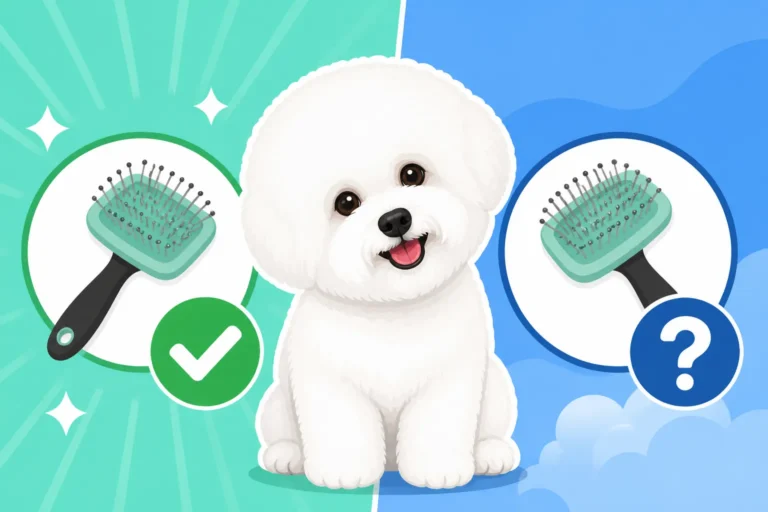
- Pin Type and Density: Opt for a slicker brush with fine, strong, and slightly bent pins. The pins should be dense enough to grab the fine hairs of the undercoat but not so stiff that they scratch the skin. Some slickers have different firmness levels; a medium-firm pin often works well for a Bichon. Avoid brushes with plastic tips on the pins, as these can snag and pull hair, and don't penetrate as effectively.
- Size: Choose a size appropriate for your dog. A medium-sized brush (around 3-4 inches wide) is usually versatile enough for most Bichon Frises, allowing you to cover larger areas while still being maneuverable for smaller, more delicate spots like legs and armpits.
- Handle Comfort: Since you’ll be doing a lot of brushing, a comfortable, ergonomic handle is a must. Your hand will thank you!
- Quality Brands: Investing in a good quality slicker brush is worthwhile. Many reputable pet brands offer excellent slicker brushes designed for double or curly coats. You'll find a wide range of options on platforms like Chewy or Amazon, often with user reviews that can guide your choice.
- Testing it Out: When you get a new brush, gently run it over your own skin (your forearm works well). It should feel firm but not sharp or painful. If it scratches you, it will scratch your dog.
Remember, even the "best" slicker brush needs to be used correctly with the line brushing technique to be effective.
Common Grooming Mistakes That Prevent Skin Penetration
Even with the right tools, it's easy to fall into common traps that hinder your ability to groom your Bichon Frise effectively, leading to hidden mats and discomfort.
- Brushing a Dirty or Wet Coat: This is arguably the biggest mistake. Dirt and debris can act like sandpaper, damaging the coat, and water, as mentioned, tightens mats instantly. Always ensure your Bichon is clean and bone-dry before attempting any thorough brushing.
- Not Using the Comb: Relying solely on the slicker brush without following up with a metal comb is a recipe for disaster. The slicker can create an illusion of fluffiness on the top layer, while mats remain firmly entrenched closer to the skin. The comb is your ultimate truth-teller for whether you've truly reached the skin.
- Brushing Too Hard or Too Soft: Brushing too hard can irritate the skin and cause "brush burn," which is painful and can lead to skin issues. Brushing too softly, however, won't penetrate the dense coat effectively. Find a balance: firm enough to get through the hair, gentle enough not to cause discomfort. Always brush with the hair growth, never against it, unless you are gently teasing out a mat.
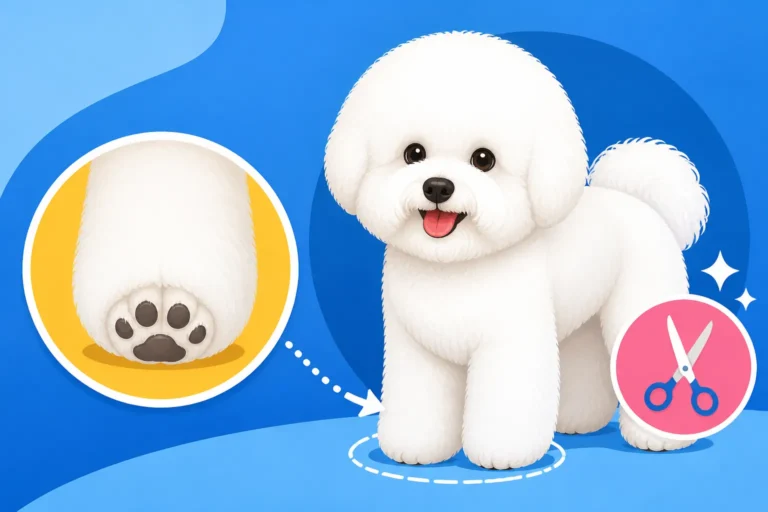
- Skipping Problem Areas: Areas like behind the ears, armpits, inner thighs, tail base, and paws are notorious for matting. These often get overlooked during a quick brush. Be meticulous and dedicate extra time to these zones during each grooming session. A painful incident during grooming can lead to a Bichon that resists future sessions, a topic explored further in Whether a Sore Bichon Frise Refuses Grooming.
- Infrequent Grooming: The Bichon coat grows constantly and mats quickly. Skipping even a few days can mean the difference between a quick brush-through and a battle with stubborn mats. Regularity is the ultimate preventive measure. For a deeper understanding of how the coat changes, refer to The Months a Bichon Frise Puppy Coat Changes.
By understanding your Bichon's unique coat, employing proper line brushing and combing techniques, and avoiding these common pitfalls, you can ensure your slicker brush effectively reaches the skin, maintaining a healthy, mat-free coat for your cherished companion.
Disclaimer
This article is for general informational purposes only and does not constitute professional advice. Laws, prices and regulations vary by location and change over time. Consult a qualified professional for guidance on your specific situation.