Whether a Sore Bichon Frise Refuses Grooming
It's incredibly frustrating when your usually sweet and cooperative Bichon Frise suddenly turns into a squirming, nipping bundle of resistance during grooming. You know they need their regular care to stay healthy and looking their best, but when they pull away, cry, or even snap, it's heartbreaking and confusing. This guide will explore the often-overlooked connection between your Bichon Frise's physical discomfort and their sudden refusal to be groomed, offering insights and practical strategies to help both of you.
The Link Between Pain and Grooming Resistance
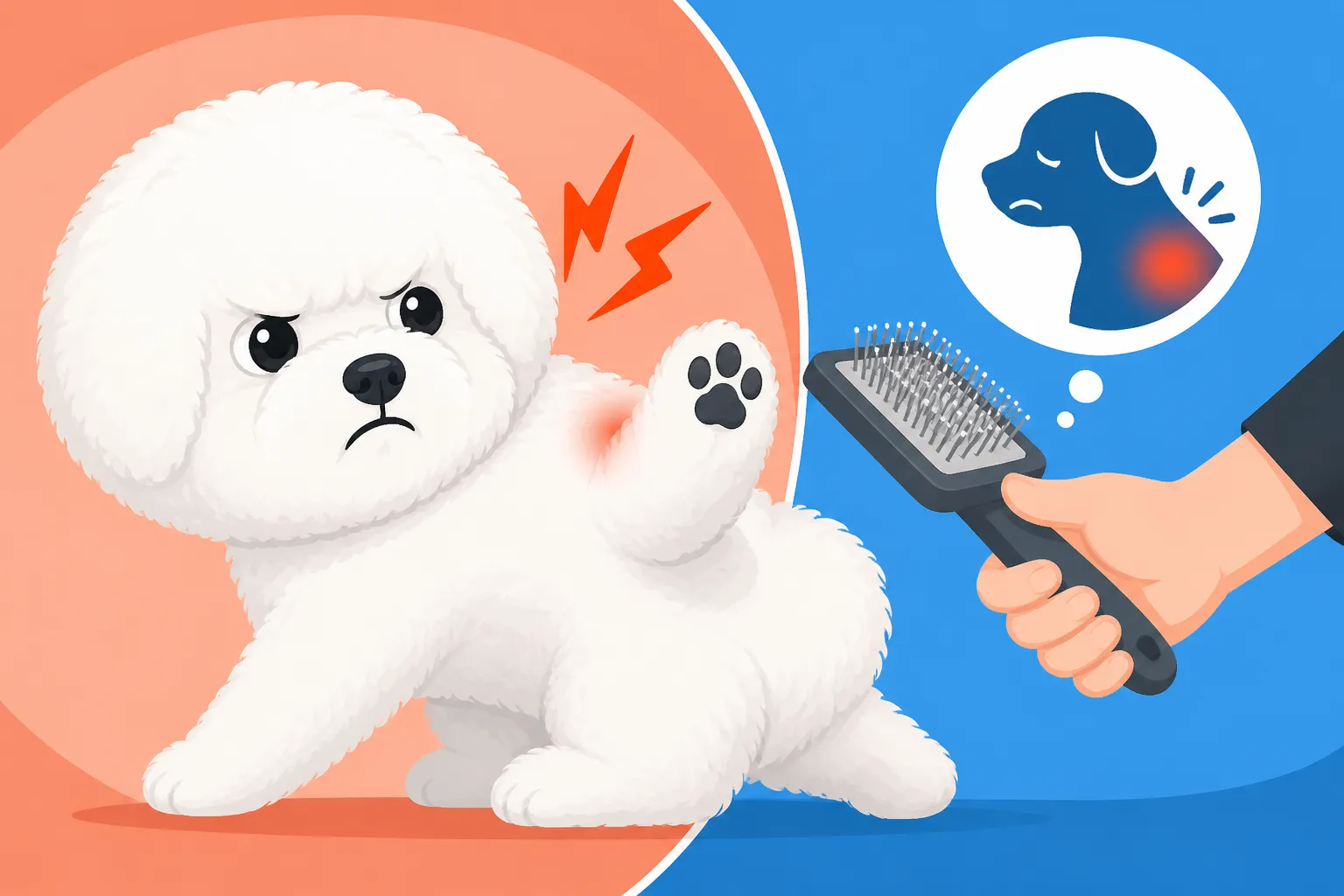
Imagine trying to get a haircut when you have a throbbing migraine, or having your back massaged when you're suffering from a muscle spasm. You'd likely be irritable, flinch, and outright refuse any touch in those sensitive areas. Dogs are no different, especially sensitive breeds like Bichon Frises. When a Bichon Frise, known for its cheerful and affectionate nature, suddenly resists grooming, it's rarely out of malice or stubbornness. More often than not, it's a desperate plea communicating that something hurts.
Why Pain Changes Behavior
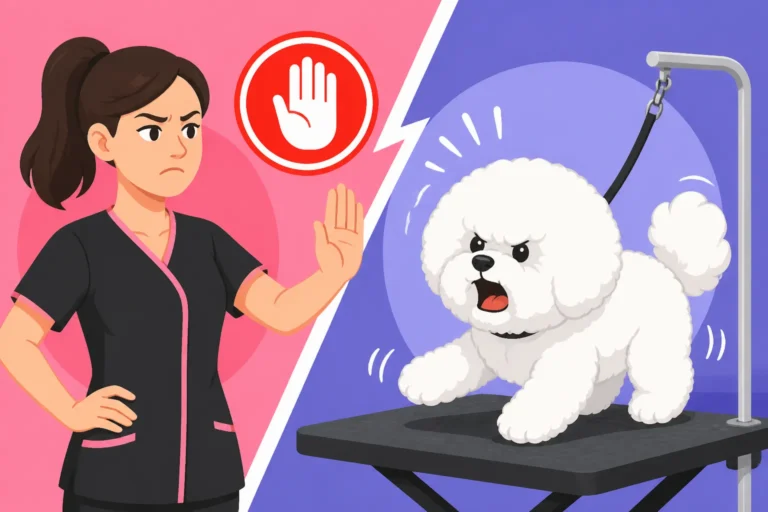
Pain is a powerful motivator, and for an animal, self-preservation dictates avoiding anything that exacerbates discomfort. A Bichon Frise that once tolerated brushing or clipping might start to associate these activities with increased pain if an underlying issue has developed. This isn't a deliberate act of defiance; it's an instinctual reaction. Their brains learn quickly that a particular touch or position during grooming leads to an unpleasant sensation, leading them to anticipate and try to prevent it. This learned aversion can escalate from mild resistance to aggressive displays if their warnings are ignored, making grooming a stressful and potentially dangerous ordeal for everyone involved. It's their only way of saying, "Please stop, you're hurting me."
Understanding this shift in behavior is crucial. It’s not about your Bichon being "naughty" or "stubborn"; it's about their well-being. Punishing them for growling or trying to escape will only heighten their fear and resistance, associating grooming even more strongly with negative experiences. Instead, a change in behavior during grooming should always trigger a thorough investigation into their physical health.
Common Sources of Pain in Bichons
Bichon Frises, while generally robust, are prone to certain health conditions that can manifest as pain or discomfort, directly impacting their willingness to be groomed. These can range from subtle skin irritations to more serious orthopedic or internal issues. For instance, skin allergies, which are quite common in the breed, can make even the gentlest brush stroke feel like sandpaper on irritated skin. Imagine dealing with The Atopic Skin a Bichon Frise Is Born With and then trying to endure a full groom!
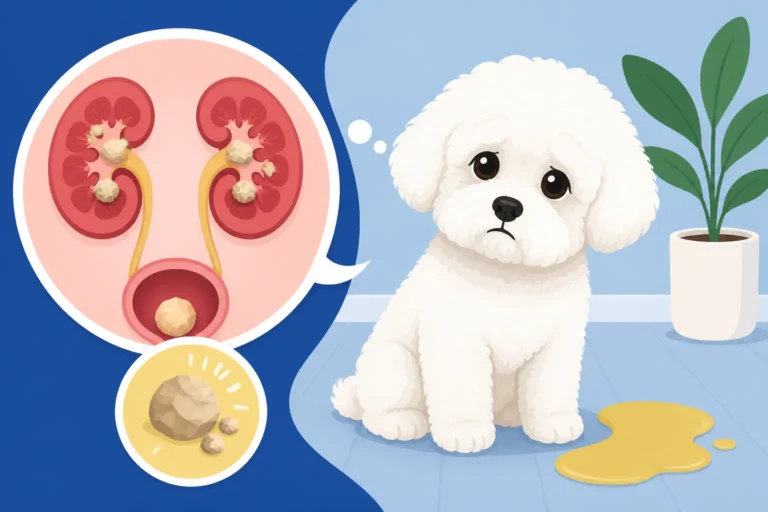
Other common culprits include dental issues, which can make handling around the muzzle excruciating, or ear infections, turning routine ear cleaning into a battle. Recurrent Ear Infections in a Bichon Frise are a frequent complaint among owners. Orthopedic problems like Slipping Kneecaps in a Bichon Frise (luxating patellas) can make standing for long periods or being positioned on a grooming table incredibly painful. Even something as insidious as bladder stones, which Bichons are unfortunately predisposed to, can cause abdominal tenderness that makes even light pressure on the belly uncomfortable. All these conditions, visible or hidden, can turn a once-tolerated grooming session into a dreaded event for your little companion.
Identifying the Signs of Discomfort During Grooming
When your Bichon Frise is sore, they can't just tell you in words. Instead, they communicate through a complex array of body language and behavioral changes. Learning to read these signals is essential for ensuring their comfort and safety during grooming. It’s about being a detective, looking for clues that something isn't right.
Subtle vs. Obvious Pain Cues
Sometimes, the signs of pain are glaringly obvious – a yelp, a snap, or an outright refusal to let you touch a certain area. However, Bichons, like many small dogs, can be incredibly stoic and may only show subtle indicators of discomfort, especially in the early stages of a problem. These subtle cues might include:
- Flinching or Tensing: A slight withdrawal or stiffening of the body when a specific area is approached.
- Lip Licking or Yawning: Often stress signals, these can indicate anxiety about impending pain.
- Darting Eyes: Looking away or trying to avoid eye contact.
- Tail Tucked Low: A universal sign of fear or discomfort.
- Panting or Trembling: Especially if the room temperature is comfortable, these can be signs of stress or pain.
- Reluctance to Stand Still: Shifting weight, trying to sit or lie down when asked to stand.
- Growling or Muzzling: Early warnings that they don't want to be touched.
- Suddenly Becoming "Mouthy": Gently grabbing at the brush or your hand, which can escalate if ignored.
More obvious signs, which often appear if subtle cues are missed, include outright struggling, crying, biting, or trying to escape the grooming table. If your Bichon reaches this point, it's a clear signal that the grooming needs to stop immediately, and a vet visit is in order.
Body Language During Grooming
During a grooming session, pay close attention to how your Bichon reacts to different tools and parts of their body being handled. For example:
- Brushing: If your Bichon flinches, ducks their head, or tries to bite at the brush when you go over their back, flanks, or legs, it could indicate skin irritation, mats pulling on the skin, or even deeper muscle or joint pain. If they have What Atopic Dermatitis Does to a Bichon Frise, even a soft brush can feel like torture on inflamed skin.
- Clipping/Scissoring: When the clippers get near a certain area, do they jerk away? Perhaps they have a sensitive mole or cyst you weren't aware of, or an old injury that's tender. Scissoring around their face, for example, might be difficult if they have dental pain or sensitive eyes.
- Paw Handling: Bichons can be prone to interdigital cysts or allergies that affect their paws, making nail trims or trimming hair between pads painful. If they resist having their feet touched, it's worth a closer look.
- Ear Cleaning/Plucking: Head shaking, pawing at the ears, or pulling away violently when their ears are touched are classic signs of an ear infection or inflammation. Whether a Bichon Frise Shakes Its Head is a key indicator.
- Tail Handling: While rare, a "limber tail" or injury to the tail base could make holding or lifting the tail painful.
Observing these reactions allows you to pinpoint potential problem areas and communicate them effectively to your veterinarian or professional groomer. It’s a real-time assessment of their comfort level.
Specific Pain Points and Their Grooming Challenges
The distinct needs of a Bichon Frise's coat and their predisposition to certain health issues mean that various pain points can dramatically impact grooming. Let's dive into some of the most common challenges.
Skin Issues and Brushing/Bathing
Bichon Frises are renowned for their beautiful, fluffy white coats, but underneath that pristine exterior, their skin can be quite sensitive. The Atopic Skin a Bichon Frise Is Born With means many Bichons struggle with environmental allergies that cause itchy, inflamed, and sometimes infected skin. When a dog's skin is constantly irritated or has hot spots, mats, or secondary yeast or bacterial infections, even a gentle brush can feel like a torment.
- Brushing: Imagine trying to comb through tangled hair on a sunburned scalp. That's what brushing can feel like for a Bichon with irritated skin or tight mats. They might growl, try to bite the brush, or pull away sharply. It's not because they're being difficult, but because the pulling and scratching action of the brush exacerbates the existing pain. If mats are tight, they can pull on the skin even without brushing, causing constant discomfort. Regular, thorough brushing is essential for preventing mats, but if the skin is sore, it becomes a vicious cycle.
- Bathing: Similarly, bathing can be challenging. The water itself might be soothing, but scrubbing and rinsing can irritate inflamed areas. Drying, especially with a high-velocity dryer, can feel overwhelming or even painful if the skin is open or extremely sensitive. Owners often notice their Bichon's skin goes pink when they're itchy, and bathing this kind of skin requires specific, gentle products and techniques to avoid further irritation. Washing a Bichon Frise Whose Skin Is Inflamed requires a very different approach than a routine bath.
Joint Pain and Positioning
Bichon Frises are active little dogs, but they are also prone to certain orthopedic issues, most notably Slipping Kneecaps in a Bichon Frise (luxating patellas). This condition, where the kneecap temporarily slips out of place, can cause pain and lameness, making standing still a real challenge.
- Standing for Grooming: A professional groom often requires a Bichon Frise to stand for extended periods on a grooming table, sometimes for an hour or more, especially if they are getting the full "powder puff" treatment. If a Bichon has luxating patellas, hip dysplasia (less common but possible), or arthritis (especially in older dogs, see Arthritis in a Bichon Frise at Eleven), standing still can be excruciating. They might shift their weight constantly, try to sit or lie down, or even tremble from the effort and pain. This isn't defiance; it's a physical limitation.
- Handling Legs and Paws: When a groomer needs to trim the hair on the legs or feet, they often manipulate the leg into various positions. If there's joint pain, this movement can cause a sharp increase in discomfort, leading to crying, pulling the leg away, or even snapping. Owners might mistake this for simply not liking their paws touched, but it could be a deeper issue, like The Skip That Means a Bichon Frise's Knee Has Gone. Recognizing the difference is vital for their well-being.
Ear Pain and Ear Care
The Bichon Frise's adorable floppy ears, with their dense hair, are prime real estate for ear infections. This breed is particularly susceptible, often due to underlying allergies. Recurrent Ear Infections in a Bichon Frise are a common headache for owners.
- Ear Plucking and Cleaning: Routinely, the hair inside a Bichon's ear canal is plucked to promote airflow and prevent wax buildup. While some dogs tolerate this well, if an infection is brewing or the ear canal is inflamed, plucking can be incredibly painful. Similarly, trying to insert ear cleaner or medication into a sore ear can be met with fierce resistance, head shaking, and even aggression.
- Sensitivity to Touch: Even just touching the outside of an inflamed ear can be agonizing for a Bichon. They might shy away, yelp, or try to bite your hand or the groomer's. This reaction is a strong indicator of pain and should prompt a vet visit immediately to check for an infection or other ear condition.
Dental Pain and Face Grooming
Dental disease is incredibly common in small breeds, and Bichon Frises are no exception. Tartar buildup, gingivitis, and infected teeth can cause significant pain. Dental Disease in a Bichon Frise is a real problem and can start earlier than many owners realize.
- Muzzle Handling: Trimming the hair around a Bichon's face and muzzle is an intricate part of their signature look. However, if they have dental pain, being held by the muzzle, or having scissors or clippers near their mouth, can be very uncomfortable. They might try to pull their head away, mouth at the tools, or even become defensive.
- Eye Area Grooming: While not directly related to dental pain, general discomfort around the face can make wiping eyes or trimming tear stains challenging. If they associate facial handling with the pain from their mouth, they might resist all grooming of the head, including the delicate area around their The Eyes a Bichon Frise Inherits. Addressing dental health is paramount, not just for their overall well-being but also to make routine grooming manageable.
Strategies for Grooming a Pain-Sensitive Bichon Frise
When you suspect pain is behind your Bichon's grooming woes, the first and most critical step is a veterinary consultation. Ignoring the signs will only worsen the problem and solidify their negative association with grooming.
Prioritizing Vet Consultation
If your Bichon Frise suddenly resists grooming, or their resistance escalates, schedule a vet appointment immediately. Explain the specific behaviors you've observed during grooming. Your veterinarian can perform a thorough physical examination, checking for underlying issues such as:
- Skin infections or allergies: Looking for redness, rashes, hot spots, or excessive licking.
- Ear infections: Examining the ear canals for redness, discharge, or inflammation.
- Dental disease: Checking for tartar, gum inflammation, or loose teeth.
- Orthopedic problems: Palpating joints for pain, swelling, or instability, especially for conditions like luxating patellas.
- Other internal discomfort: Abdominal palpation for tenderness or masses.
Sometimes, diagnostic tests like bloodwork, urine analysis, or X-rays might be necessary to pinpoint the exact cause of pain. For example, if bladder stones are suspected (a common issue in Bichons), an X-ray or ultrasound would be crucial. How a Vet Confirms Stones in a Bichon Frise might involve imaging. Once a diagnosis is made, your vet can recommend appropriate treatment, which might include medication, dietary changes, or even surgery. Addressing the root cause of the pain is the only way to truly resolve the grooming resistance.
Adapting Your Grooming Routine
Once any pain issues are being medically managed, you'll need to adjust your grooming approach to rebuild trust and comfort. This often means slower, shorter sessions and a focus on positive reinforcement.
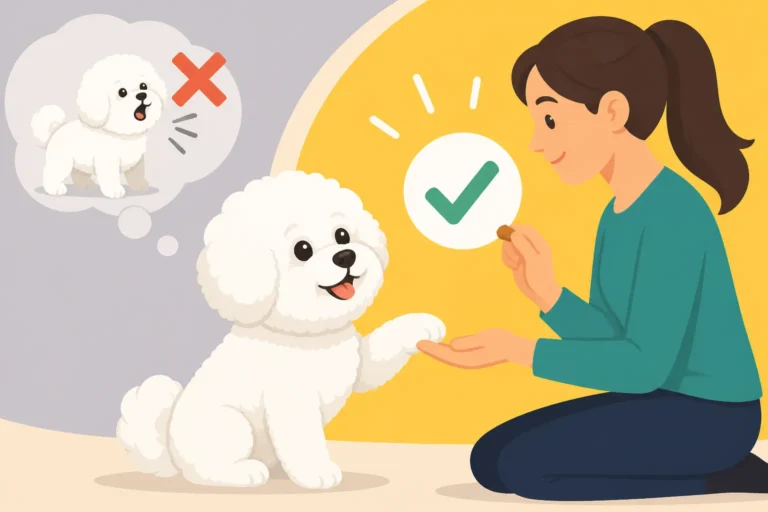
- Short, Positive Sessions: Instead of attempting a full groom, break it down into very short, manageable sessions, maybe 5-10 minutes at a time. Focus on one small, less sensitive area. End each session on a positive note, with praise and high-value treats. The goal is to create positive associations.
- Gentle Handling and Tools: Use the gentlest brushes and combs possible. For sensitive skin, a soft slicker brush and a greyhound comb might be more appropriate than harsh tools. Ensure your clippers are clean, sharp, and cool to prevent "clipper burn." Consider a grooming loop or harness to keep them secure but avoid any restrictive or painful positioning. You can find a variety of gentle grooming tools on sites like Amazon.
- Comfortable Environment: Groom in a quiet, familiar space where your Bichon feels safe. Use a non-slip mat on your grooming table or counter to give them secure footing, reducing anxiety.
- Positive Reinforcement: Lavish praise, give frequent treats, and keep your tone cheerful and calm. If they tolerate a quick brush on a leg, reward them. If they let you touch their ear without flinching, reward them. The idea is to make grooming associated with good things. Training programs like BAXTER & Bella offer comprehensive resources on positive reinforcement techniques that can be applied to grooming desensitization.
- Timing: Groom your Bichon when they are relaxed, perhaps after a potty break and some gentle exercise, but not when they are overly tired or hyped up.
Professional Groomer Collaboration
It's common for owners to rely on professional groomers for the intricate Bichon Frise coat. If your Bichon is pain-sensitive, communication with your groomer is paramount.
- Open Dialogue: Be completely transparent with your groomer about any health issues, pain points, or behavioral changes you've observed. Share your vet's diagnosis and treatment plan. A good groomer will appreciate this information and adjust their approach.
- Specialized Handling: Ask if the groomer has experience with sensitive or pain-averse dogs. They might use specialized techniques, such as hand-scissoring instead of clippers in certain areas, or working on the floor instead of a high table if your dog has joint issues. They might also break up the groom into multiple shorter sessions, though this could come with additional costs.
- Sedation Options (Last Resort): In severe cases, where pain cannot be fully managed and grooming is essential, your vet might discuss mild sedation for grooming appointments. This is typically a last resort, used under veterinary supervision, and only after all other behavioral and medical strategies have been exhausted. It's vital that the underlying pain is addressed, not just masked.
- Understanding Their Limitations: A professional groomer has a duty of care. If your dog is in severe pain, they might refuse to complete the groom to avoid causing further distress or injury to themselves or your dog. Be prepared for this and understand that their priority is your dog's welfare.
Preventing Pain and Promoting Positive Grooming Experiences
The best approach to a Bichon Frise that refuses grooming due to pain is prevention. Regular health checks, consistent home care, and positive training can keep your fluffy friend comfortable and cooperative.
Regular Health Checks and Maintenance
Proactive health management is key to preventing many of the painful conditions that lead to grooming resistance. Think of it as investing in their long-term comfort and cooperation.
- Routine Vet Visits: Don't wait for problems to arise. Regular veterinary check-ups, typically once a year for younger dogs and twice a year for seniors (see The Age a Bichon Frise Counts as Senior), allow your vet to catch subtle issues early. This includes dental exams, ear checks, and discussions about any changes in your Bichon's movement or behavior. Your vet might even suggest Whether a Bichon Frise Should Be X Rayed Yearly if they're particularly prone to stones.
- Consistent Home Care: Between professional grooms, maintaining your Bichon's coat at home is critical. Daily or every-other-day brushing helps prevent mats, which can pull on the skin and cause pain. Regular ear cleaning (with vet-approved cleaner) can prevent infections. Brushing their teeth daily can drastically reduce the risk of painful dental disease. How Often a Bichon Frise's Teeth Need Scaling will depend heavily on your home care routine.
- Appropriate Diet and Weight Management: A balanced diet that supports overall health, and maintaining a healthy weight, can reduce stress on joints and lessen the likelihood of certain health issues. If your Bichon is on a special diet for conditions like bladder stones, strictly adhering to it is crucial, as even Whether One Treat Can Restart a Bichon Frise Stone is a concern.
Desensitization and Counter-Conditioning
If your Bichon has developed a fear or aversion to grooming due to past pain, you'll need to systematically re-introduce grooming activities in a positive, low-stress way. This process is called desensitization and counter-conditioning.
- Start Small: Begin by simply touching your Bichon in non-threatening ways, without any grooming tools. Pet their back, their legs, gently touch their ears, and reward them for staying calm.
- Introduce Tools Gradually: Once they're comfortable with touch, bring out a grooming tool (e.g., a soft brush) and let them sniff it. Don't use it yet. Reward them. Gradually, touch the tool to their body for a second, then remove it and reward. Build up the duration and pressure very slowly.
- Positive Association: Pair every step of the grooming process with high-value treats and praise. For example, if you touch a paw, immediately give a treat. If you brush for two seconds, treat. The goal is for them to associate the grooming action with something wonderful (the treat).
- Take Your Time: This process can take weeks or even months. Do not rush it. If your Bichon shows any signs of stress, stop, take a break, and go back to an earlier, easier step. Consistency and patience are vital. Resources from positive reinforcement trainers, like those found through BAXTER & Bella, can provide structured plans for desensitization. They focus on making learning fun and stress-free for your dog.
Choosing the Right Tools and Environment
The tools you use and the environment you create can significantly impact your Bichon's comfort level during grooming.
- Quality Grooming Tools: Invest in high-quality, dog-specific grooming tools. Sharp, clean clippers (with various blade lengths), a good slicker brush that reaches the skin, a sturdy metal comb, and blunt-nosed scissors are essential. Dull blades or brushes with bent pins can pull and cause unnecessary pain. You can find a vast array of these tools on Amazon.
- Non-Slip Surfaces: Whether you're grooming on a table, a counter, or even the floor, ensure there's a non-slip surface. Many Bichons get anxious or feel unstable on slippery surfaces, making them more likely to struggle or panic. A rubber mat or bathmat can make a huge difference.
- Temperature Control: Ensure the grooming area is a comfortable temperature. Too hot or too cold can add to their discomfort. If using a forced-air dryer, ensure it's on a low setting and not pointed directly at their face or sensitive areas, and always check the air temperature to prevent burns.
- Quiet and Calm: Minimize distractions during grooming. Turn off loud music or the TV, and ask family members to give you space. A calm, quiet environment helps your Bichon relax and focus on the positive reinforcement.
- Harness vs. Collar: For many Bichons, a harness is a better choice than a collar for walks, but also during grooming. If you need to gently secure them, a harness distributes pressure more evenly and prevents any strain on their delicate neck or trachea, especially relevant if Whether a Bichon Frise Gets a Collapsing Trachea is a concern.
By combining veterinary care, thoughtful adaptations to your routine, and consistent positive reinforcement, you can help your pain-sensitive Bichon Frise not only tolerate grooming but even learn to enjoy it again.
Here's a quick overview of potential pain points and how they might affect grooming:
| Area of Body Affected | Potential Pain Causes | Grooming Actions Affected | Behavioral Signs of Discomfort |
|---|---|---|---|
| Skin | Allergies, hot spots, mats, infections, parasites | Brushing, bathing, clipping, drying | Flinching, nipping at brush, excessive licking, growling, turning to bite |
| Ears | Ear infections, excessive hair, mites, inflammation | Ear plucking, cleaning, drying ears | Head shaking, pawing at ears, pulling away, crying, biting |
| Joints/Legs | Luxating patella, arthritis, sprains, muscle strains | Standing still, leg manipulation for trimming, paw handling | Shifting weight, sitting down, limping, crying during movement, pulling leg away |
| Paws | Allergies, interdigital cysts, overgrown nails, injury | Nail trims, trimming hair between pads, bathing | Licking paws, pulling feet away, crying during nail trim |
| Mouth/Face | Dental disease (gingivitis, loose teeth), oral injury | Muzzle trimming, eye wiping, beard cleaning | Head pulling away, lip licking, growling at face touch, nipping at tools |
| Abdomen | Bladder stones, internal discomfort, injury, infection | Lifting, holding, gentle pressure on belly | Tensing, crying, hunched posture, turning to snap |
Disclaimer
This article is for general informational purposes only and does not constitute professional advice. Laws, prices and regulations vary by location and change over time. Consult a qualified professional for guidance on your specific situation.