The Months a Bichon Frise Puppy Coat Changes
Oh, the joy of a fluffy Bichon Frise puppy! Those early months are filled with soft, cloud-like fur that makes you want to snuggle them constantly. But then, almost overnight, that easy-to-manage fluff seems to turn into a tangly, matted mess, leaving many new owners wondering what happened to their pristine little cotton ball. This guide is here to walk you through the surprising and often challenging journey of your Bichon Frise puppy's coat transformation, explaining exactly what's going on and how you can best manage this awkward but totally normal phase.
Understanding the Bichon Frise Coat: More Than Just Fluff
When you first bring home a Bichon Frise puppy, their coat is usually a delightful vision of soft, wispy white fluff. It feels incredibly delicate and light, almost like cotton candy. This puppy coat, while adorable, is quite different from the dense, curly, and more substantial adult coat your Bichon will eventually develop. Many people are drawn to Bichons because they are often described as "hypoallergenic," and while they do shed minimally, their coat type actually contributes significantly to the challenges you'll face during the transition from puppy to adult fur.
The Double Coat and the Hypoallergenic Misconception
Unlike breeds that "shed" by releasing hair all over your house, a Bichon Frise possesses a double coat. This means they have a soft, dense undercoat and a coarser, curly outer coat. The "hypoallergenic" quality comes from the fact that their shed hair often gets trapped within this dense, curly outer coat instead of falling out and accumulating on your furniture. This is fantastic news for allergy sufferers and for keeping your home cleaner, but it introduces a specific grooming challenge: matting. The shed hairs, unable to fall away, become intertwined with the growing, developing adult coat, creating knots and mats at an astonishing speed. It's a double-edged sword: less visible shedding, but a higher risk of tangles if not diligently maintained. If you're wondering more about this unique coat, you might find it helpful to read Whether a Bichon Frise Has an Undercoat and Whether a Bichon Frise Is Truly Hypoallergenic.
From Puppy Fluff to Adult Curl
The texture change is one of the most striking aspects of a Bichon Frise puppy's coat development. The puppy coat is typically straight, fine, and lacks the signature springy curl of the adult coat. It's almost deceivingly easy to brush, leading many owners to believe that grooming will always be a breeze. However, as the adult coat begins to push through, you'll notice it's much denser and has a distinct spiral or corkscrew curl. This new hair is stronger and more resilient, designed to give the Bichon its characteristic "powder puff" silhouette. The contrast between the fine puppy hair and the emerging adult hair is precisely what creates the perfect storm for matting, as these different textures tangle together readily.
The Puppy Coat Transformation Timeline: Navigating the "Uglies"
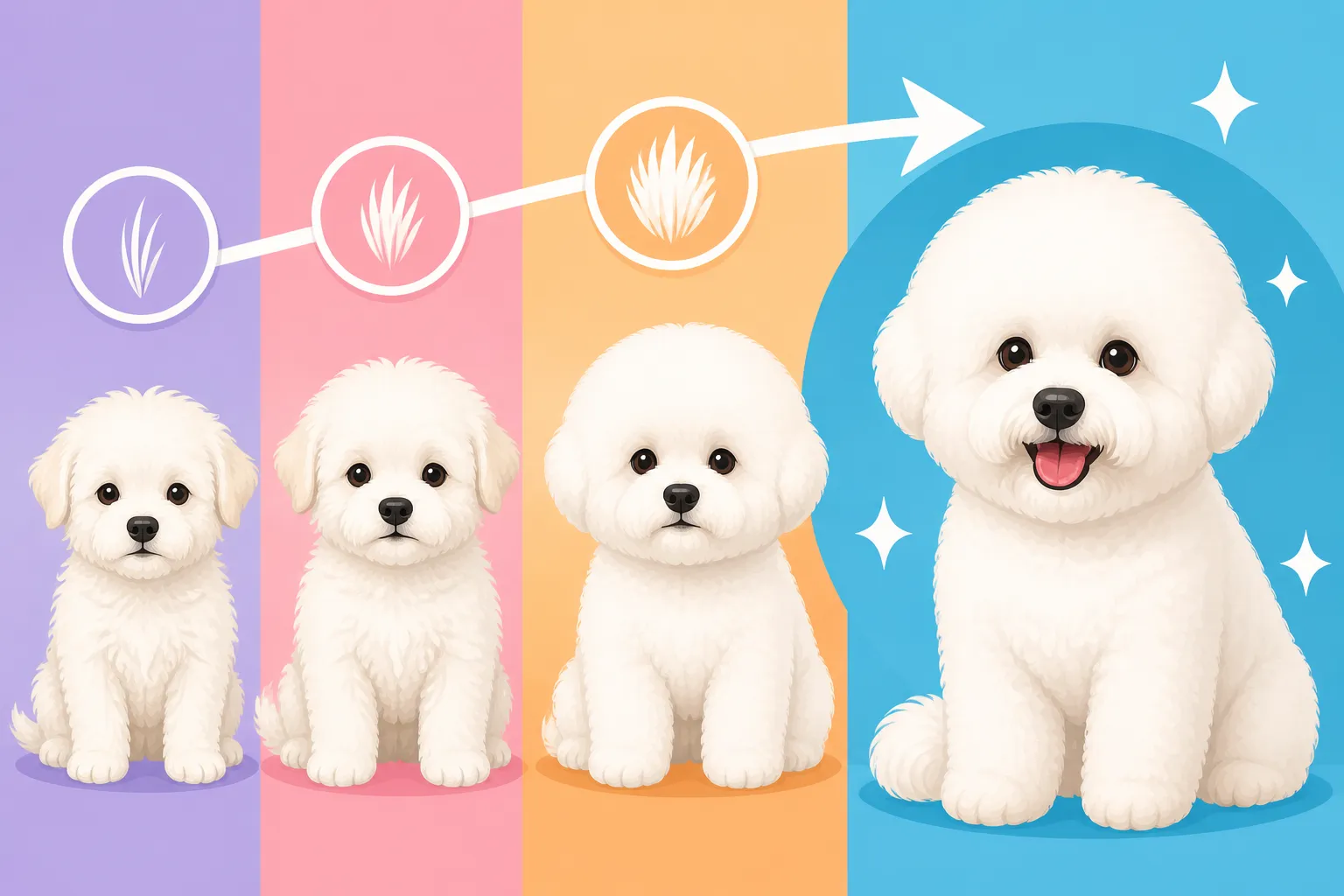
The coat change isn't a single, sudden event; it's a gradual process that can last for several months, often catching owners by surprise. This period, affectionately (or sometimes exasperatedly) referred to as the "uglies" by seasoned Bichon owners, is when your beautifully fluffy puppy might start looking a bit dishevelled. Understanding the timeline can help you anticipate the challenges and prepare for them.
The Initial Fluffy Phase (Up to 4 Months)
During their first few months of life, Bichon Frise puppies typically sport that angelic, soft, and relatively manageable coat. It’s light, airy, and a joy to cuddle. While you should still introduce brushing during this phase to get your puppy accustomed to the sensation, the truth is, serious matting isn't usually a major concern yet. This period is a prime opportunity to establish a positive association with grooming tools and handling. Think of it as practice for the intensive care that's coming. Even though it's easy, regular, gentle brushing will make the transition much smoother for both of you later on.
The "Uglies" Begin (Around 4 to 8 Months)
This is the peak period for coat transformation and, frankly, frustration for many owners. Typically starting around four months of age, and sometimes extending to eight months or even beyond, your Bichon's soft puppy coat begins to shed out while the denser, curlier adult coat simultaneously grows in. It's not a complete shed like some breeds, but rather a constant replacement of fine puppy hairs with coarser adult hairs. Imagine trying to comb through a mixture of silk threads and wool strands – they don't blend well, do they? This is exactly what's happening on your puppy's body.
The trapped puppy hair forms tiny knots and then larger mats with the emerging adult coat. These mats often appear first in high-friction areas like behind the ears, under the legs, in the armpits, and around the collar area. You might brush your puppy thoroughly one day, only to find new mats forming by the next morning. This is not a sign of poor grooming on your part, but rather the intense nature of this coat change. It's a particularly critical time to be diligent, as neglecting the coat during these months can quickly lead to painful, skin-tight mats that require professional intervention. Many owners wonder Whether a Bichon Frise Starts Matting at Nine Months, but often the process begins even earlier.
Full Adult Coat Development (8 to 18 Months and Beyond)
While the most intense period of coat change usually subsides by eight to twelve months, it can take much longer for your Bichon Frise to develop their full adult coat density and texture. Some Bichons might continue to fill out and develop a more robust coat even into their second year. The coat will become consistently curlier, denser, and have that characteristic spring. Even after the "uglies" have passed, the adult Bichon coat still requires consistent grooming. It doesn't become "easy" like some short-haired breeds; it simply stabilizes into its mature form, demanding regular attention to prevent matting. Think of it as a lifelong commitment to brushing and professional grooming to maintain that iconic powder puff look. Indeed, many find that Whether the Adult Bichon Frise Coat Is More Work is a question they answer with a resounding "yes."
Navigating the Matting Minefield During Coat Change
The biggest challenge during the Bichon Frise puppy coat change is undoubtedly matting. These aren't just superficial tangles; mats can quickly tighten and pull on the skin, causing discomfort, pain, and even skin infections if left untreated. Understanding why they form and how to tackle them is essential for keeping your puppy happy and healthy.
Why the Coat Changes Cause Mats So Rapidly
The primary reason for rapid matting during the coat change is the fundamental difference in texture between the fine, wispy puppy fur and the denser, curlier adult hair. When these two types of hair are present simultaneously, the shed puppy hairs become trapped in the growing adult coat. Imagine stirring spaghetti and angel hair pasta together – they don't just gently mix; they intertwine and cling. This is precisely what happens with your Bichon's changing coat. The curly adult hair acts like Velcro, grabbing onto the finer puppy hair, and any friction – from playing, wearing a harness, or even just lying down – causes these tangled masses to compact into tight mats. The problem is exacerbated by moisture, so a damp Bichon puppy will mat much faster than a dry one. If you want to dive deeper into this, check out Whether Loose Hair Trapped in the Coat Causes Mats.
Essential Grooming During the Transition
Consistent, daily grooming is your absolute best defense against the matting monster during this period. There's no getting around it; this isn't a once-a-week job anymore.
Here’s what your routine should look like:
- Daily Line Brushing: This is the golden rule. You can't just brush the top layer of coat; you need to get down to the skin. "Line brushing" involves parting the hair and brushing in small sections, moving layer by layer. This ensures you're catching all the trapped shed hair and preventing mats from forming at the base of the coat. A good quality slicker brush is your primary tool, followed by a metal comb to check your work. Many owners ask How Long Brushing a Bichon Frise Takes, and during this phase, it could be 15-30 minutes daily, depending on the puppy's size and coat condition.
- The Right Tools: Invest in a good quality slicker brush that has long pins to reach through the dense coat, and a sturdy metal comb with both wide and fine teeth. The slicker does the heavy lifting, while the comb is crucial for finding any hidden tangles. A detangling spray can also be a lifesaver, helping the brush glide through the coat without pulling. You can find excellent options on platforms like Amazon or Chewy. For specifics on tools, you might be interested in Which Brush Suits a Bichon Frise and Whether a Slicker Reaches a Bichon Frise's Skin.
- Bathing and Conditioning: Regular bathing is still important, but never bathe a matted Bichon. Water will only tighten mats, making them impossible to remove without shaving. Always thoroughly brush out your puppy before a bath. Use a good quality shampoo and, critically, a rich conditioner. The conditioner helps to lubricate the hair, making it smoother and less prone to tangling. Ensure you rinse extremely well to prevent skin irritation. After the bath, always line brush while blow-drying, ensuring the coat is completely dry to prevent new mats.
Professional Grooming Assistance
Don't be afraid to enlist the help of a professional groomer during this challenging phase. They are experts in managing complex coats and can offer invaluable advice and practical assistance.
- Puppy Grooms: Many groomers offer "puppy grooms" or "desensitization appointments" for young dogs. These are shorter, positive experiences designed to get your Bichon accustomed to the grooming salon, the table, the dryer, and the various tools. Starting early can prevent a lifetime of fear or anxiety about grooming. It's really beneficial to know How Early a Bichon Frise Should Meet a Groomer.
- Matting Solutions: If, despite your best efforts, your puppy develops significant matting, a professional groomer can assess the situation. Sometimes, dematting is possible, but it's a slow, painful process for the dog and often not recommended if the mats are severe. In many cases, especially when mats are close to the skin, the kindest and safest option is a full shave-down. While it might be heartbreaking to see your fluffy puppy shaved, it's a fresh start for the coat and a relief for your dog. Remember, Whether a Matted Bichon Frise Must Be Shaved is often the harsh reality when mats become too severe. Expect that a groomer will likely charge extra for a matted coat, as it takes much more time and specialized care. Whether a Groomer Charges Extra for a Matted Bichon Frise is definitely something to budget for if you find yourself in this situation.
Tips for a Smooth Coat Transition
Managing your Bichon Frise puppy's coat during these transformative months requires patience, consistency, and the right approach. While it can feel overwhelming, with a few key strategies, you can minimize the stress for both you and your furry friend.
Consistency is Key: Building a Positive Routine
The most crucial advice during the coat change is to be utterly consistent with your grooming routine. Daily brushing isn't just a recommendation; it's a necessity. Try to make grooming a positive experience from day one. Start with short sessions, use plenty of treats and praise, and handle your puppy gently. If grooming becomes a struggle, break it down into even smaller, more manageable steps. For instance, brush one leg, give a treat, then the next.
Establishing a routine helps your puppy understand what to expect, reducing anxiety. Maybe it's after their morning walk, or before their evening cuddle session. Whatever the time, make it a regular part of their day. This consistent interaction also allows you to catch any tangles early before they escalate into painful mats. Remember, a few minutes of daily prevention is far less stressful than hours of dematting or a necessary shave-down.
Tools and Products That Really Help
Having the right arsenal of grooming tools can make all the difference. Don't skimp on quality, as good tools are an investment that will pay off in the long run.
- Slicker Brush: As mentioned, this is your primary tool. Look for one with flexible pins and a comfortable handle. Brands like Chris Christensen or similar professional-grade options found on Amazon are often recommended by groomers.
- Metal Comb: A sturdy greyhound-style comb with both wide and fine teeth is indispensable for checking your work and tackling smaller tangles. After brushing with the slicker, run the comb through the coat from root to tip. If the comb glides through, you've done a good job. If it snags, go back with the slicker. For thoroughness, you want to ensure Whether a Comb Should Follow the Brush.
- Detangling Spray/Conditioning Spray: These products can lubricate the coat, making brushing easier and reducing static, which can contribute to tangles. Spritz lightly over the area you're about to brush.
- Shampoo and Conditioner: Choose a mild, moisturizing shampoo and a rich conditioner designed for dog coats. Some brands also offer "whitening" shampoos to keep your Bichon's coat sparkling. You can find a wide variety of these products on Chewy.
- Force Dryer: While an investment, a good quality force dryer (like those you can find on Amazon) can drastically reduce drying time and help straighten the coat, making brushing during drying much more effective. Be sure to introduce it slowly and positively, as the noise can be startling.
- Grooming Table with Arm: For consistent grooming, having your puppy at a comfortable height on a non-slip surface can be a game-changer. It helps prevent back strain for you and teaches your puppy to stand still for grooming.
Diet and Hydration for Coat Health
While grooming is paramount, a healthy diet and proper hydration also play a role in overall coat quality and skin health, which can indirectly help during the coat change. A well-nourished dog will generally have healthier skin and a more robust coat.
- High-Quality Food: Feed your Bichon Frise a premium dog food that provides balanced nutrition, including essential fatty acids like Omega-3 and Omega-6. These nutrients contribute to a healthy, shiny coat and supple skin, which can make the hair more manageable and less prone to breakage. Brands like Ollie often emphasize fresh, whole ingredients, which can be great for overall health, including the coat.
- Plenty of Fresh Water: Hydration is key for every bodily function, including skin and coat health. Ensure your puppy always has access to fresh, clean water. A well-hydrated dog will have healthier skin, which is the foundation for a healthy coat. While it won't prevent matting, good skin health can reduce dryness and irritation that might make your puppy itch and worsen tangles. For ongoing dietary considerations, The Diet a Bichon Frise Stays On for Life provides further insights into managing health through nutrition.
By being proactive, patient, and consistent during these pivotal months, you can help your Bichon Frise puppy transition through their coat change with minimal discomfort and maintain that beautiful, fluffy appearance they are so famous for. It's a journey, but a rewarding one!
Coat Change Management Guide
Here's a quick overview of what to expect and how to manage your Bichon Frise's coat during its key developmental stages:
| Age Range | Coat Characteristics | Common Challenges | Essential Grooming Strategies |
|---|---|---|---|
| 0-4 Months | Soft, fine, wispy puppy coat; relatively easy to brush. | Minimal matting. | Introduce gentle daily brushing (5-10 min) with soft brush. Positive reinforcement. |
| 4-8 Months ("Uglies") | Puppy coat shedding, adult coat growing in. Mix of textures, increasing density and curl. | Rapid and severe matting, especially in friction areas. Puppy appears disheveled. | Daily line brushing with slicker and comb. Use detangling spray. Regular baths after thorough brushing. Consider early "puppy grooms" with a professional. |
| 8-18 Months | Adult coat continues to develop in density and curl. Puppy coat mostly replaced. | Continued risk of matting, but less intense than peak "uglies." Coat becomes more work. | Maintain daily brushing routine. Regular professional grooming appointments (every 4-6 weeks). Monitor for new matting as coat fills out. |
| 18 Months+ (Adult) | Full, dense, springy, curly adult coat. | Consistent maintenance required to prevent matting. | Consistent daily brushing (10-15 min) and regular professional grooming (every 4-6 weeks). |
This table provides a generalized timeline, but remember that every Bichon Frise is an individual, and their coat change might start earlier, last longer, or be more intense. The key is to stay vigilant and adapt your grooming routine to your dog's specific needs.
Disclaimer
This article is for general informational purposes only and does not constitute professional advice. Laws, prices and regulations vary by location and change over time. Consult a qualified professional for guidance on your specific situation.