Whether the Adult Bichon Frise Coat Is More Work
If you're a proud Bichon Frise parent, you've probably fallen head over heels for that adorable, fluffy puppy coat. It's soft, manageable, and just begs to be cuddled. But as your little cloud grows, you might start noticing some changes in that beautiful white fluff, and a common question pops up: is the adult Bichon Frise coat actually more work than the puppy coat? Many owners discover, often to their surprise, that the answer is a resounding yes, and this guide will walk you through exactly why and what you can do about it.
The Evolution of the Bichon Frise Coat: From Puppy Fluff to Adult Density
It's a common misconception that a Bichon Frise's coat remains the same delightful, airy fluff it had as a puppy. Oh, if only that were true! The reality is that like many breeds, the Bichon's coat undergoes a significant transformation as they mature. This isn't just a minor change; it's a fundamental shift in texture and density that directly impacts the amount of care required.
The Transition Period: From Puppy to Adult Coat
The "puppy fluff" phase, while enchanting, is surprisingly easy to maintain. Those soft, fine hairs are less prone to matting and tangling, and a quick brush every day or two usually keeps them pristine. This blissful period typically lasts until your Bichon is around six to nine months old, sometimes a little longer. Then, slowly but surely, the adult coat starts to come in. This transition often coincides with the teething phase, which is already a fun challenge, isn't it? What you'll notice is that the new, coarser adult hair begins to grow through the puppy coat. This mixture of different textures is a perfect recipe for tangles. It's like trying to comb through fine silk intertwined with thick wool – everything just grabs onto itself. During this time, mats can form incredibly quickly, sometimes seemingly overnight, especially in areas where there's friction or movement. Many owners are caught off guard, suddenly finding themselves battling knots they never encountered before. This is the period when many people find themselves asking, Whether the Adult Bichon Frise Coat Is More Work.
Understanding the Bichon's Unique Coat Structure
To truly understand why the adult Bichon Frise coat requires more attention, we need to delve into its unique structure. Unlike many breeds that shed their undercoat, Bichons have a double coat that doesn't "shed" in the traditional sense. Instead, their loose hairs get trapped within the dense, curly outer coat. As your Bichon matures, this outer coat thickens and becomes more robust, while the undercoat also becomes denser. This creates an incredibly effective insulation system for the dog but a challenging grooming scenario for the owner. Imagine trying to comb through a dense, fluffy cloud where every loose strand is just clinging on for dear life instead of falling out. That's essentially what happens with an adult Bichon coat. The curls naturally intertwine, and when loose undercoat hairs get caught up in those curls, they quickly form tight, impenetrable mats if not regularly brushed out. This non-shedding trait is fantastic for allergy sufferers, but it comes with a trade-off: intensive grooming is non-negotiable.
Increased Matting and Tangling Challenges in the Adult Coat
The thicker, more developed adult coat of a Bichon Frise presents a significantly higher risk of matting and tangling compared to their puppy days. This isn't just an inconvenience; severe matting can lead to skin irritation, pain, and even skin infections, making diligent care absolutely essential.
The Density and Texture Shift
As your Bichon's adult coat fully develops, it becomes much denser and the individual hairs are typically coarser and more resilient than the soft puppy fluff. This change in texture means the hairs have a greater tendency to hook onto each other, creating tangles that quickly escalate into mats. Think of it like comparing a fine, silken thread to a sturdy cotton rope; the rope is more likely to knot and hold that knot tightly. The increased volume of hair also plays a huge role. There's simply more hair, meaning more opportunities for entanglement. A casual pat or cuddle that might have been fine with a puppy coat can easily start the formation of a tangle in a dense adult coat. It's not just about the length; it's the sheer quantity and interlocking nature of the curls that ramps up the work. You might notice your daily 5-minute brush-through that worked wonders for your puppy suddenly feels inadequate, barely scratching the surface of the dense adult coat. This often prompts owners to wonder Whether Brushing Every Other Day Is Enough.
Common Trouble Spots for Mats
While mats can form anywhere on an adult Bichon Frise, certain areas are notorious hotspots due to friction and movement. These are the zones where you'll need to pay extra special attention during your grooming routine:
- Behind the Ears: This is probably the number one spot for mats. The constant movement of the head, combined with the fine, often softer hair in this area, means mats form quickly and can become very tight. If neglected, they can pull on the skin and be quite painful. Many Bichon owners will tell you that they often find themselves battling mats Whether a Bichon Frise Mats Behind the Ears.
- Armpits and Groin: These areas experience constant friction from the legs moving, and the skin folds can also trap moisture, further encouraging mats. These mats are particularly sensitive to remove.
- Under the Harness/Collar: If your Bichon wears a harness or collar regularly, the constant rubbing can compact the hair and create a dense mat right underneath. It's why it's so important to remove these during grooming and check the underlying coat. For some owners, a key question becomes Whether a Harness Mats a Bichon Frise.
- Tail Base: Where the tail meets the back can also be a spot for tangles, especially if your Bichon loves to wag its tail vigorously.
- Paws and Between Toes: Hair grows continuously between the paw pads, and if not trimmed, it can collect debris, get wet, and quickly mat, leading to discomfort and difficulty walking.
- Muzzle and Beard: After eating and drinking, this area often gets wet and can easily tangle. Regular wiping and combing are crucial to prevent food and moisture from creating hardened mats.
Knowing these trouble spots allows you to be proactive in your grooming and focus your efforts where they're most needed.
Grooming Routine Adjustments for the Adult Coat
Given the increased propensity for matting and the unique structure of the adult Bichon coat, your grooming routine absolutely needs to evolve beyond what worked for a puppy. It’s no longer a casual affair but a dedicated commitment to maintain their comfort and iconic look.
Stepping Up the Brushing Frequency and Technique
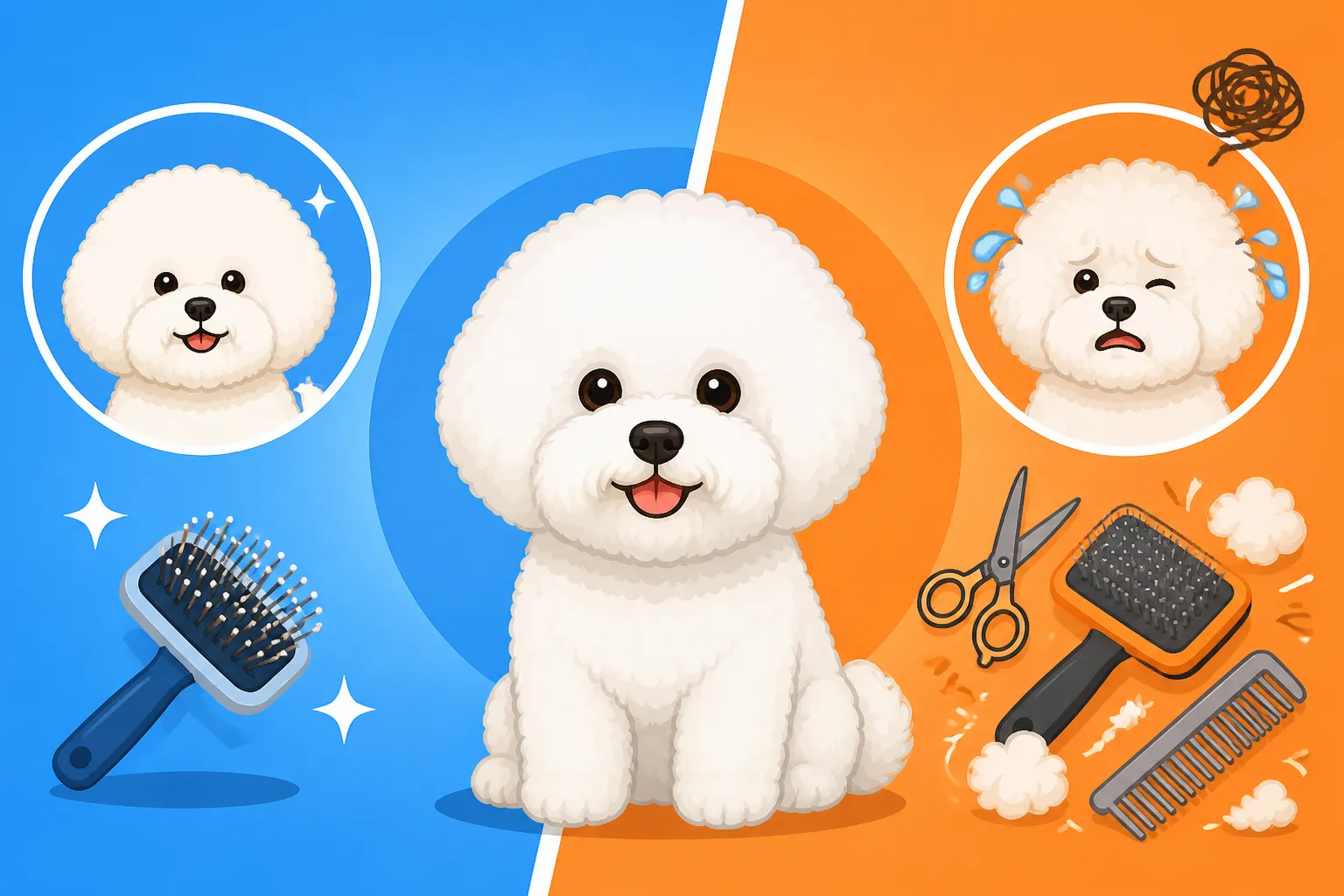
For an adult Bichon Frise, daily brushing is not just recommended, it's virtually mandatory, especially if you prefer to keep their coat longer. Skipping even a day can mean the difference between a quick brush-through and a lengthy de-matting session. The key is to be thorough and systematic. You need to "line brush," which means parting the hair in small sections and brushing from the skin out, layer by layer, rather than just skimming the top coat. This ensures you're getting all the way down to the skin and catching any developing tangles before they become serious mats. A good quality slicker brush and a metal comb are your essential tools. The slicker brush helps separate the hairs, while the comb is critical for checking your work and finding any smaller knots the slicker missed. Always mist the coat lightly with a conditioning spray before brushing; this helps to lubricate the hair, making it easier to untangle and reducing breakage. For those considering taking on more of the grooming themselves, investing in good tools is a must, and many options are available through retailers like Chewy or Amazon. Consistent, patient, and thorough brushing is the cornerstone of adult Bichon coat care.
The Role of Professional Grooming
While daily home brushing is crucial, for most Bichon owners, professional grooming becomes an indispensable part of managing the adult coat. The sheer density and continuous growth of their hair mean that regular trims are necessary to maintain their iconic "powder puff" silhouette and prevent overwhelming matting. A professional groomer has specialized tools, techniques, and experience to handle challenging coats. They can effectively demat (within reason, without causing pain), perform intricate scissor work to achieve the correct breed standard look, and manage areas like ear hair plucking and sanitary trims that can be difficult or risky for owners to do at home. Most adult Bichons benefit from a full professional groom every 4-6 weeks. Trying to stretch this time out often results in a matted mess that requires a complete shave-down, which no owner or Bichon wants! It's an investment, but it saves you hours of frustration and prevents potential health issues for your dog. For more insights on the professional approach, you might find articles like How Often a Bichon Frise Needs a Full Groom or Why a Groomer Scissors a Bichon Frise Instead of Clipping It particularly helpful.
| Feature | Puppy Bichon Frise Coat | Adult Bichon Frise Coat |
|---|---|---|
| Texture | Softer, finer, more airy | Denser, coarser, curlier, more robust |
| Matting Tendency | Low to moderate; tangles are usually loose and easy to remove | High; tangles quickly become tight, difficult mats |
| Shedding | Minimal trapped hair | Minimal traditional shedding, but significant trapped loose hair |
| Brushing Req. | Every 1-2 days, quick brush-through often sufficient | Daily, thorough line brushing from skin to tip is essential |
| Professional Grooming | Less frequent (e.g., every 8-12 weeks for introduction) | Every 4-6 weeks for full groom, trimming, and mat prevention |
| Trouble Spots | Less pronounced | Behind ears, armpits, collar area, groin, paws, muzzle |
Maintaining a White and Healthy Adult Coat
Beyond the structural challenges of matting, keeping an adult Bichon Frise's coat pristinely white and healthy adds another layer of effort. That dazzling white is part of their charm, but it also shows every speck of dirt and every stain.
Dealing with Tear Stains and Other Discoloration
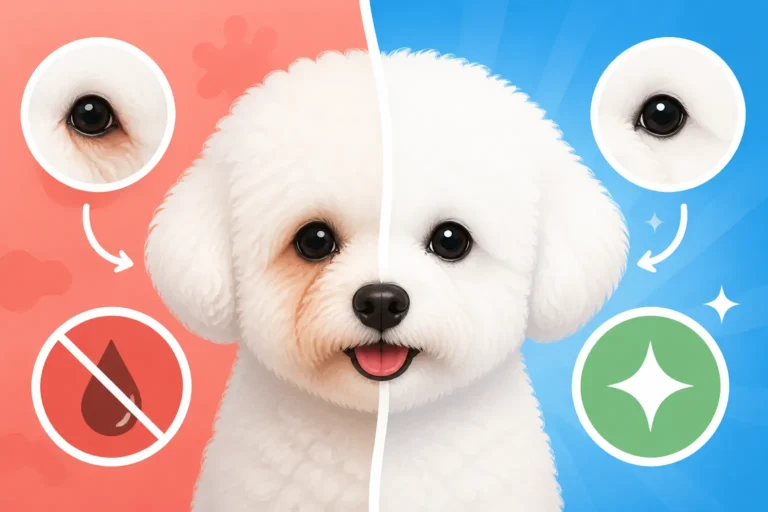
One of the most common cosmetic challenges with a white-coated breed like the Bichon Frise is tear staining. Those reddish-brown streaks under the eyes are caused by porphyrins (iron-containing molecules) in tears, which oxidize and stain the light-colored fur. While genetics and eye conformation play a role, diligent daily cleaning is paramount for an adult Bichon. This means gently wiping the area under their eyes with a damp cloth or a specially formulated tear stain remover daily. Some owners also find that using filtered water instead of tap water can help reduce the mineral content that might contribute to staining. Food and treats can also influence tear staining; ensuring a high-quality diet, perhaps even exploring options from companies like Ollie, can make a difference for some dogs. Beyond tears, other forms of discoloration can occur. Urine can stain the hair around the genital area, and saliva from licking paws or legs can also cause brownish or reddish stains. Regular bathing with a whitening shampoo (being careful around the eyes) and ensuring quick drying can help mitigate these issues. You might find yourself researching Whether Whitening Shampoo Damages a Bichon Frise's Coat as you navigate these challenges.
Nutritional Support for Coat Health
Believe it or not, your Bichon Frise's diet plays a significant role in the health and manageability of their coat, particularly as an adult. A well-nourished dog with a healthy skin barrier is less prone to excessive dryness, itching, and coat issues that can exacerbate matting. Look for high-quality dog foods that contain:
- Omega-3 and Omega-6 Fatty Acids: These are crucial for healthy skin and a shiny, resilient coat. Ingredients like fish oil, flaxseed, and salmon are excellent sources.
- Quality Protein: As hair is primarily made of protein, ensuring adequate, easily digestible protein in their diet supports strong hair growth.
- Vitamins and Minerals: Biotin, Vitamin E, and zinc are particularly important for skin and coat health.
If your Bichon has sensitive skin or allergies, a specialized diet might be necessary. Some owners experiment with novel protein diets or limited ingredient diets to see if it reduces irritation, which in turn can improve coat health and reduce self-licking that leads to matting. Always discuss dietary changes with your vet, especially if your dog has existing health conditions. Reputable brands found on platforms like Chewy or Amazon often carry prescription or sensitive skin diets that your vet can recommend. A healthy coat from the inside out means a more manageable coat on the outside, and that's a win-win for both you and your fluffy companion.
Disclaimer
This article is for general informational purposes only and does not constitute professional advice. Laws, prices and regulations vary by location and change over time. Consult a qualified professional for guidance on your specific situation.