Whether the Round Head Can Be Done at Home
One of the most charming and instantly recognizable features of a Bichon Frise is that perfectly sculpted, fluffy, round head. It’s the hallmark of the breed, isn't it? But if you've ever tried to achieve that look yourself at home, you know it's not as simple as it appears in those glossy magazine photos or at the dog show. It can be incredibly frustrating to brush and trim, only to end up with a lopsided or blocky shape, leaving you wondering if it's even possible without a professional groomer. This guide is here to walk you through the realistic possibilities and challenges of trying to create that signature Bichon Frise round head in your own home, offering practical tips and managing expectations along the way.
The Elusive Round Head: Why It's So Challenging at Home
Let's be real, that beautiful, perfectly spherical head on a Bichon Frise is often the result of years of professional training and specialized tools. It's not just a quick trim; it's an art form. Many of us, myself included, have stood over our fluffy companions with scissors in hand, convinced we could replicate the magic, only to find ourselves in a comical struggle against gravity, a squirming dog, and an uncooperative coat.
The "Powder Puff" Ideal vs. Reality
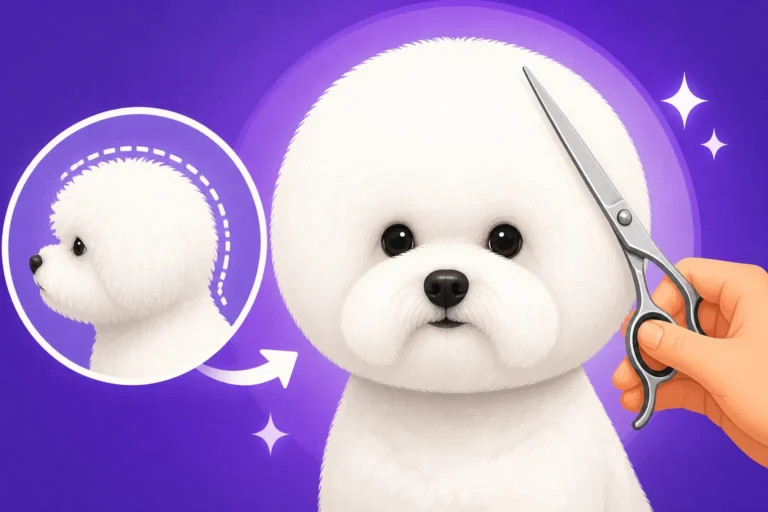
The term "powder puff" isn't just a cute nickname for a Bichon Frise; it's a specific description of their ideal groom, especially around the head. This look requires the coat to be scissored into a soft, rounded shape that frames their expressive eyes and cheerful demeanor. It's meant to look effortless, a fluffy cloud around their face. However, achieving this ethereal quality takes precision. When you're attempting it at home, without the proper angles, lighting, and a steady, patient dog, the reality can quickly diverge from this ideal. You might find yourself trimming a little here, a little there, and suddenly you have flat spots or an uneven silhouette that looks more like a badly trimmed hedge than a delicate powder puff. It's a dance between length, volume, and symmetry, and it's far harder than it looks.
The Bichon Coat's Unique Texture
The Bichon Frise coat is a double coat, with a soft, dense undercoat and a coarser, curly outer coat that stands off the body, creating that plush, springy texture. This unique texture is both a blessing and a curse for grooming, especially when it comes to shaping the head. Unlike a straight-haired breed where you can see every strand, the Bichon's curls mean that what looks even when wet or brushed flat can spring back into an entirely different shape once dry and fluffed.
Imagine trying to sculpt a cloud – that's somewhat what it feels like! The curls can hide uneven cuts, only to reveal them later, or make it difficult to get a uniform length around the face. It requires a specific technique of fluffing the hair up and scissoring it while it's standing, not while it's flattened. This also makes the coat prone to matting if not brushed regularly and correctly. If your Bichon's coat isn't perfectly dematted and brushed out before you even pick up the scissors, you're fighting an uphill battle. For more on their coat, you might find Why a Bichon Frise Coat Grows Forever helpful.
Lack of Professional Tools and Experience
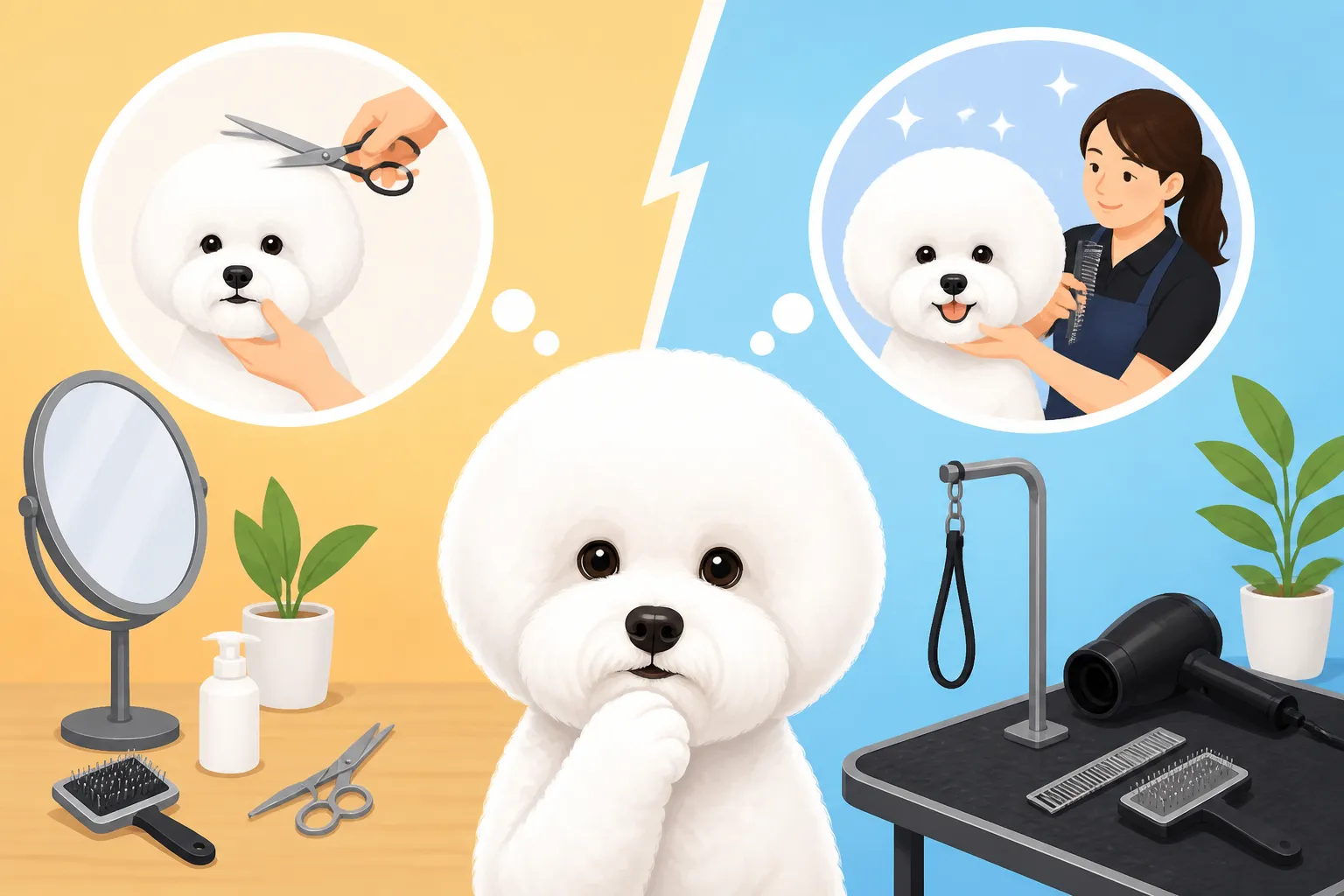
Professional groomers invest in high-quality, sharp shears, powerful force dryers, and specialized grooming tables with arm restraints. These tools are designed to make the job easier, safer, and more precise. At home, you might be using less-than-ideal scissors that drag or chew the hair, a human hairdryer that risks overheating, or trying to groom your dog on the kitchen counter, which is both unsafe and incredibly challenging for maintaining stability.
Experience also plays a massive role. Groomers learn how to "read" the coat, anticipate how it will lay, and hold the dog in ways that allow for safe and even trimming. They also develop an eye for symmetry and proportion, understanding how to blend layers to create that seamless, round look. Trying to mimic this with limited experience can lead to frustration, an uneven cut, or even accidental nicks to your dog's delicate skin, especially around the eyes and ears. It's not about lacking love for your dog; it's about lacking the specific skillset that takes years to hone.
Essential Tools for Attempting the Round Head at Home
If you're determined to try grooming your Bichon's head at home, having the right tools is half the battle. Think of it like baking a fancy cake – you wouldn't use a butter knife to frost it if you want a smooth finish, right? The same goes for grooming. While you don't need everything a professional has, investing in a few key items will make a world of difference. Many of these items can be found readily on sites like Chewy or Amazon.
Quality Shears and Combs
This is perhaps the most critical investment. Forget those dull craft scissors. You need sharp, ergonomic grooming shears.
- Straight Shears: A good pair of 7-inch straight shears will be your primary tool for shaping the bulk of the head. Look for stainless steel, sharp blades.
- Curved Shears: These are your secret weapon for the round head! Curved shears allow you to follow the natural curve of the head and create a smoother, more rounded finish without having to contort your wrist. A 6.5 or 7-inch curved shear is ideal.
- Blunt-Tip Scissors: For delicate areas around the eyes and mouth, blunt-tip scissors are a must for safety.
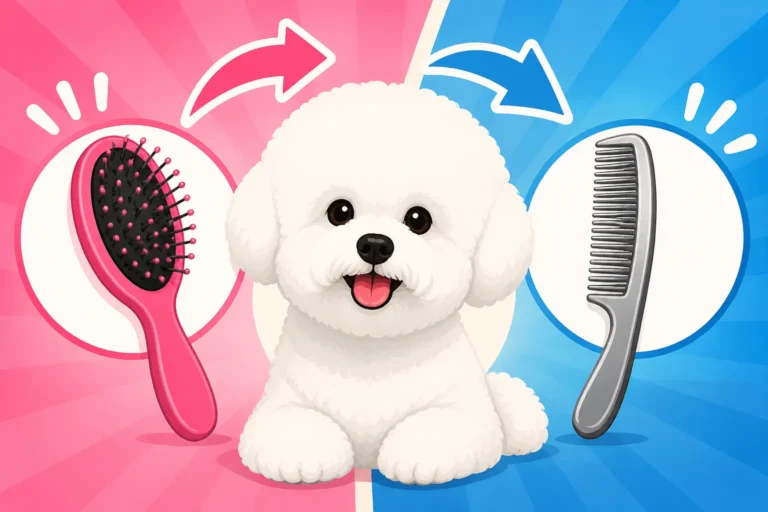
- Steel Comb: A sturdy steel comb with both wide and fine teeth is essential for thoroughly brushing out the coat before trimming and for lifting the hair to check your work. This is part of how you learn How Long Brushing a Bichon Frise Takes to get that fluff just right.
- Slicker Brush: A good quality slicker brush is vital for fluffing the coat before and during trimming.
Using sharp tools is not just about aesthetics; it's about your dog's comfort and safety. Dull scissors can pull and tug at the hair, causing discomfort or pain, and can leave a ragged cut that's harder to blend. You can find a good range of these tools on Amazon, often with various price points to fit different budgets.
High-Velocity Dryer and Proper Brushing
To achieve that fluffy, standing-off-the-body coat that's necessary for scissoring the perfect round head, a high-velocity dryer is almost indispensable. A human hairdryer simply won't cut it, as it mostly just pushes air and can damage the coat or burn your dog's skin.
- High-Velocity Dryer: This type of dryer forces air at a high speed, effectively blowing water out of the coat and straightening the curls as it dries. This process, called "fluff drying," is what gives the Bichon its characteristic volume and allows for precise scissoring. It makes the hair stand up, enabling you to see and cut each strand evenly.
- Proper Brushing Technique: As you dry, you'll need to brush vigorously, lifting the hair away from the skin. This isn't just about drying; it's about training the hair to stand up. Start with a slicker brush, then follow with a comb to ensure all tangles are out and the coat is fully fluffed. This thoroughness is crucial because How Long Drying a Bichon Frise Takes directly impacts the success of your scissoring. Without a proper fluff dry, the hair will lay flat, and you'll end up with a flat-looking head, no matter how much you try to round it with scissors.
Grooming Table and Restraints
Trying to groom a wiggly Bichon Frise on the floor or a regular table is a recipe for disaster. A dedicated grooming table, even a small, portable one, provides a stable, elevated surface that's much safer and more comfortable for both you and your dog.
- Grooming Table: This raises your dog to a comfortable working height, saving your back and giving you better visibility and control. The non-slip surface is also crucial for their footing.
- Grooming Arm and Loop: This attaches to the table and has a loop that goes around your dog's neck or abdomen (or both), safely restraining them so they stand still. This isn't about punishment; it's about safety. A sudden movement with sharp scissors can lead to injury. Teaching a Bichon Frise to Hold Still on a Table is a key training component that goes hand-in-hand with these tools. Even a high-value treat from a brand like Ollie could be a fantastic motivator for your pup to stay still during these sessions.
Investing in these tools might seem like a lot initially, but they are durable and will pay for themselves quickly compared to regular professional grooming fees. Plus, having them allows you to perform touch-ups between professional grooms, keeping your Bichon looking sharp.
Step-by-Step Approach to Grooming the Bichon Frise Head at Home
Alright, now that we’ve covered the "why it’s hard" and the "what you need," let's get into the "how-to." Remember, patience is your absolute best friend here. Don't expect perfection on your first, fifth, or even tenth try. It's a journey!
Preparation: Bathing and Drying are Key
You absolutely cannot achieve that signature round head on a dirty, matted, or poorly dried coat. This step is non-negotiable and often overlooked by home groomers, leading to much frustration.
- Thorough Bathing: Start with a good bath. Use a dog-specific shampoo and conditioner. Make sure to rinse thoroughly – any shampoo residue can irritate the skin and make the coat feel sticky or heavy, which hinders fluff drying. You might even find special whitening shampoos on Chewy to keep that beautiful white coat sparkling.
- Towel Dry: Gently squeeze excess water from the coat with a towel. Don't rub vigorously, as this can create tangles.
- Fluff Drying: This is where the high-velocity dryer comes in. On your grooming table, use the dryer to blast the water out while simultaneously brushing and fluffing the coat upwards, away from the body. Aim the nozzle at the skin and work in sections, ensuring the hair is completely dry and standing straight out, almost like an explosion of fluff. The goal is to make the hair as straight and voluminous as possible, so you can clearly see what you're cutting. Remember How Long Drying a Bichon Frise Takes varies, but rushing this step will compromise the final trim. If your Bichon isn't fully dry and fluffy, any scissoring you do will look uneven once the coat settles.
Scissoring Techniques for the Face and Ears
This is the artistic part, and it requires a light touch and a steady hand. Always err on the side of taking off less hair; you can always remove more, but you can't put it back!
- Comb Up the Hair: Before each cut, use your steel comb to lift the hair straight up, away from the face. This helps you see the true length and ensures you're cutting a uniformly fluffed coat.
- Shaping the Topknot: Start by establishing the top of the head. Imagine a horizontal line from the outer corner of one eye to the outer corner of the other, extending over the top of the head. You want the hair here to be long enough to blend into the overall round shape but not so long it falls into the eyes. Use your straight shears, pointing the tips upwards, to create a rounded dome shape over the skull.
- Rounding the Cheeks and Jawline: This is where curved shears truly shine. With the hair combed out, use the curved shears to sculpt the hair from the ear to the chin, following the natural curve of the face. Your goal is to create a seamless, rounded line that flows into the neck. Don't press the scissors flat against the face; instead, use the tips of the shears, lightly "flicking" them outwards to create softness.
- Tidying the Ears: The ears should blend into the overall round head shape. Comb the hair on the ears outwards and trim them to match the curve you've created on the cheeks and top of the head. Many groomers trim the hair on the inside of the ear flap quite short to prevent matting and improve air circulation, but for the exterior, it should contribute to the overall fluffy globe.
- Around the Eyes and Muzzle: This is a super sensitive area. Use your blunt-tip scissors or the very tips of your straight shears. Carefully trim any hair that could fall into your dog's eyes or obscure their vision. For the muzzle, comb the beard hair forward and then trim it to a rounded shape, allowing for eating and drinking without getting excessively wet. Remember the exact technique described in How the Round Head Is Scissored on a Bichon Frise – it's all about small, precise snips.
The Finishing Touches and Maintaining the Look
Once you've done the main shaping, it's time to refine and maintain.
- Check for Symmetry and Blending: Step back and look at your dog from all angles. Is one side higher than the other? Are there any flat spots or jagged edges? Use your comb to fluff the hair again and make small, corrective snips to blend any harsh lines. The key is to make it look smooth and natural.
- Regular Brushing: To maintain that round shape, daily brushing is essential. This prevents mats and keeps the coat fluffy. Use a slicker brush and a comb, making sure to get down to the skin. This also helps keep those tear stains from becoming too embedded – a common Bichon challenge.
- Quick Trims Between Full Grooms: The hair around the eyes and muzzle grows quickly. A quick trim every week or two with blunt-tip scissors can prevent mats and keep your Bichon comfortable and tidy. This is often where owners get into trouble, thinking they can go longer between professional grooms. While you can certainly do touch-ups, a full professional groom that properly sets The Powder Puff Outline a Bichon Frise Is Scissored Into will be needed every 4-6 weeks for most Bichons.
Realistic Expectations and When to Call a Professional
It's important to approach home grooming with a healthy dose of realism. While you can certainly learn to keep your Bichon tidy and comfortable, achieving that show-ring perfect round head is a tall order.
Accepting Imperfection
The reality is, unless you have professional training and tools, your home-groomed Bichon's head probably won't look exactly like the ones you see at dog shows or on breed club websites. And that's perfectly okay! Your goal should be a clean, comfortable, and healthy dog. If you can achieve a generally rounded, fluffy appearance that keeps the hair out of their eyes and mouth, you've done a fantastic job.
Don't compare your work to a professional's. Their clients pay for that level of expertise and perfection. Your dog cares more about your affection and that tasty treat you're offering than the perfect symmetry of their topknot. Celebrate your efforts and the bond you build with your dog through these grooming sessions. If your dog is well-behaved, these sessions can even be a positive experience.
The Risk of Nicks and Clipper Burn
One of the biggest concerns with home grooming, especially around delicate areas like the face, ears, and paw pads, is the risk of injury. It's incredibly easy to nick a dog's skin with sharp scissors or cause clipper burn if you're using clippers incorrectly or on a matted coat. The skin around a Bichon’s eyes and mouth is thin and fragile.
A momentary wiggle or an accidental slip of the hand can lead to a trip to the vet for stitches. This is why professional groomers are so focused on safety and use restraints. If you find yourself constantly battling a squirming dog, or if you're nervous about using sharp tools near sensitive areas, it's a clear sign that certain aspects of grooming are best left to a professional. Sometimes, the peace of mind knowing your dog is safe and happy outweighs the cost savings of doing it yourself.
Recognizing Your Limits
Ultimately, you need to recognize your personal limits and your dog's tolerance. Some Bichons are incredibly patient and will stand still for extended periods, making home grooming more feasible. Others are energetic, nervous, or simply hate being handled, making detailed scissoring nearly impossible without causing stress to both of you. If grooming becomes a constant struggle, causing fear or anxiety in your dog, it's not worth it. For more on managing behavior during grooming, consider Whether a Bichon Frise Needs Sedation for Grooming.
Also, be honest about your skill level. Are you consistently achieving a look you're happy with? Or are you always battling wonky ears and flat spots? If you're spending hours only to be disappointed, or worse, if you're causing your dog discomfort or injury, it's time to re-evaluate. A professional groomer not only has the skills and tools but also the experience to handle challenging coats and temperaments efficiently and safely. They can achieve that stunning Whether a Clipped Bichon Frise Loses Its Shape look that many of us aspire to. There's no shame in seeking expert help; it shows you prioritize your Bichon's well-being and appearance.
Sometimes, a compromise works best: you can handle the regular brushing, bathing, and perhaps even sanitary trims at home, but leave the intricate head and body sculpting to a professional every six to eight weeks. This way, you save some money, keep your dog comfortable, and still get that picture-perfect Bichon Frise look.
Disclaimer
This article is for general informational purposes only and does not constitute professional advice. Laws, prices and regulations vary by location and change over time. Consult a qualified professional for guidance on your specific situation.