Whether Whitening Shampoo Damages a Bichon Frise’s Coat
It's a common dilemma for every Bichon Frise parent: you adore that cloud-like, brilliant white coat, but keeping it pristine feels like a constant battle against stains and dullness. The temptation to reach for a potent whitening shampoo is strong, but a nagging worry often pops up – could these products actually be damaging that precious coat? This guide will dive deep into understanding whitening shampoos, their effects on your Bichon's unique fur, and how to keep them sparkling white safely.
Understanding the Bichon Frise Coat: Why it Gets Dull and Stained
Before we even talk about whitening shampoos, it's crucial to understand what makes a Bichon's coat so special and, frankly, so prone to losing its dazzling white. It's not just a white coat; it's a specific texture and structure that demands particular care. Many owners become frustrated when their once-snowy pup starts looking a little off-white or even yellowish in certain areas, feeling like they're constantly fighting a losing battle.
The Unique Structure of a Bichon's Fur
A Bichon Frise has a double coat, but it's not like the shedding double coats of many other breeds. Instead, they have a soft, dense undercoat and a coarser, curly outer coat that forms that signature powder-puff look. This combination means their hair traps loose hairs rather than shedding them onto your furniture, making them wonderful for allergy sufferers, but it also means mats can form quickly if not groomed regularly. More importantly for our discussion, this unique texture, especially the outer coat, can be quite porous. Think of it like a sponge, ready to absorb whatever it comes into contact with. This porous nature is a big reason why stains from tears, saliva, urine, or even just general environmental grime seem to cling so stubbornly.
You might notice that the hair around their eyes, mouth, and paws often takes on a reddish-brown or yellowish tint. This isn't just dirt; it's often chromogenic yeast and bacteria thriving in moist areas, combined with minerals in their tears and saliva. If you've ever wondered Whether a Bichon Frise's Feet Stain Brown, it’s often this same process at play. The texture of the Bichon coat also means that dirt and environmental pollutants can get embedded deep within the curls, dulling the overall brightness even when the dog appears clean. Regular bathing and brushing are non-negotiable for maintaining the coat's integrity and cleanliness.
Common Causes of Coat Discoloration
Several factors contribute to a Bichon Frise's coat losing its brilliant white. It's rarely just one thing, which is why combating discoloration can feel like a multi-pronged attack. The primary culprits are usually environmental and biological. For instance, just playing in the yard or rolling in damp grass can introduce pigments that stain the coat. Humidity, even tap water, can leave mineral deposits that dull the white. If you live in an area with hard water, you might find your Bichon's coat dulls faster after baths, no matter how good the shampoo.
Beyond environmental factors, biological causes are huge. Tear staining is practically a hallmark of the breed, and if you want to understand What Causes a Bichon Frise's Tear Stains, it often comes down to genetics, eye structure, and even diet. Similarly, saliva around the mouth and paws, urine, and even certain dietary components can lead to staining. Sometimes, even simply aging can cause the coat to yellow slightly over time, much like white linens can. Understanding these underlying causes helps you approach the problem holistically, rather than just relying on a single product. Sometimes, diet can play a role, and considering options like those offered by Ollie for fresh, balanced nutrition might help with overall health and potentially reduce some types of staining.
How Whitening Shampoos Work and Potential Risks
When your Bichon's coat starts looking less than brilliant, whitening shampoos can seem like a miracle solution. They promise that dazzling white we all associate with the breed. But how do they actually achieve this, and are there any hidden dangers lurking in those enticing bottles? It's important to be an informed consumer and understand the mechanics.
The Science Behind Whitening Shampoos
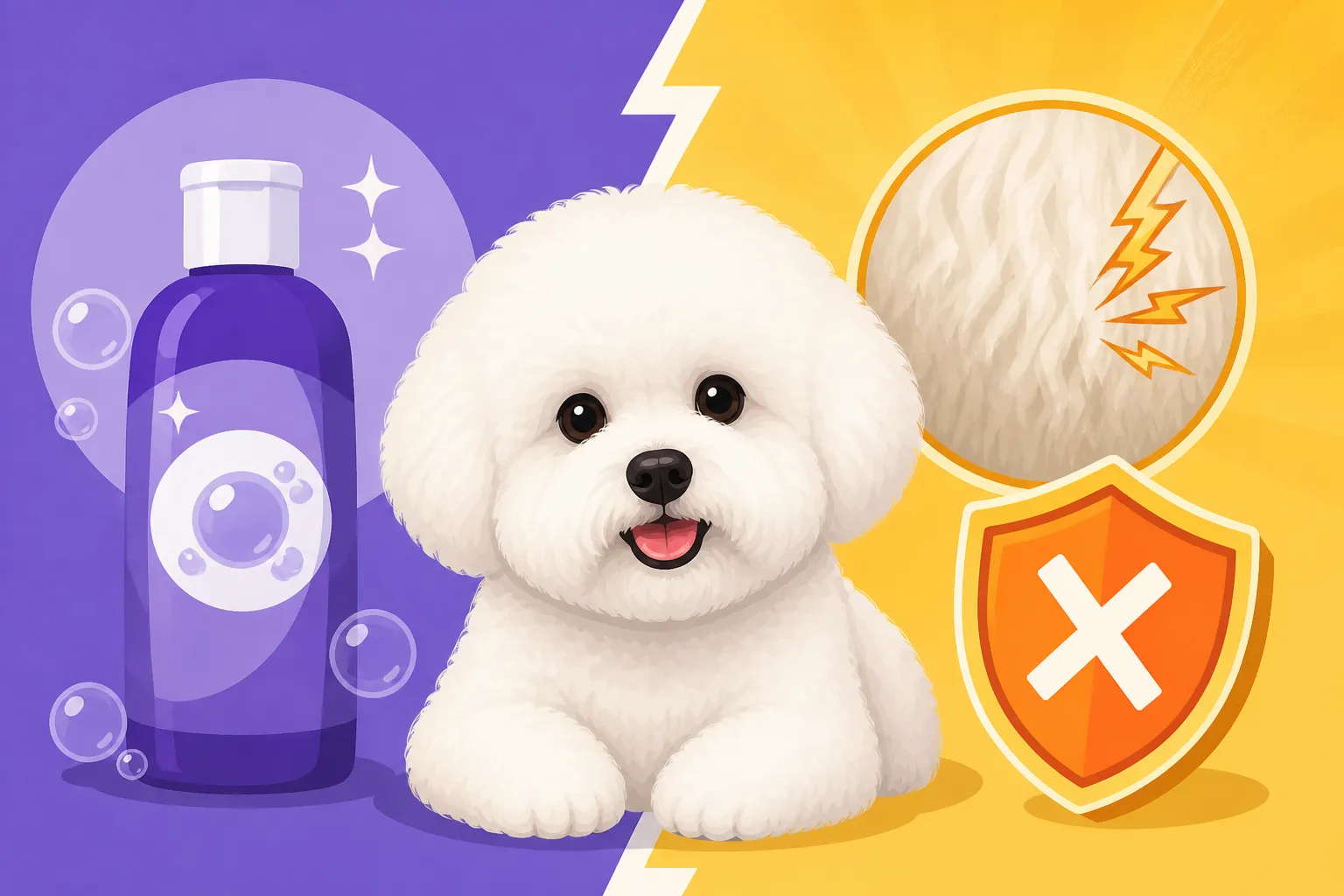
Unlike human hair dyes, most pet whitening shampoos don't use harsh bleaches. Instead, they often employ optical brighteners or bluing agents. Think of optical brighteners as tiny fluorescent dyes that absorb ultraviolet light and re-emit it as blue light. This blue light counteracts any yellow tones in the coat, making the white appear brighter and more vivid to the eye. This is similar to how laundry detergents keep white clothes looking crisp. Another common ingredient is a blue or purple pigment (like ultramarine or indigo). If you've ever heard of Whether a Blue Rinse Helps a Bichon Frise, this is precisely the principle behind it. These blue pigments sit on the surface of the hair shaft and visually cancel out yellowing, making the coat appear whiter.
Some whitening shampoos also contain mild bleaching agents, such as hydrogen peroxide, but these are typically in very low concentrations and are generally formulated to be safe for pet use. However, even mild bleaches can be harsher on the coat than optical brighteners or bluing agents. Beyond color correction, many whitening shampoos also incorporate strong cleaning agents to strip away dirt, grease, and residue that contribute to dullness. This deep-cleaning action is part of their effectiveness, but it's also where some of the potential downsides can arise if not used correctly. The goal is to lift and remove impurities, allowing the true white to shine through, or to deposit a subtle tint that masks discoloration.
Potential Damage and Side Effects
While designed to be safe, whitening shampoos, especially if misused, can pose risks to your Bichon's coat and skin. The primary concern with optical brighteners and bluing agents is that they can sometimes over-deposit, leaving a faint blue or purple tint on the coat, particularly if left on too long or used too frequently. This is usually temporary and can be washed out with a regular shampoo, but it's certainly not the brilliant white you were aiming for!
More seriously, the strong cleaning agents or any mild bleaching components can strip the coat of its natural oils. This can lead to dryness, brittleness, and breakage, making the coat more prone to matting and less resistant to future staining. A dry, damaged coat also loses its natural luster and soft texture, which is a real shame for a Bichon. For Bichons with sensitive skin or existing conditions like What Atopic Dermatitis Does to a Bichon Frise, these shampoos can sometimes be too harsh, leading to irritation, redness, or itching. It's always a good idea to perform a patch test on a small, inconspicuous area of your dog's skin before a full bath, especially if they have known sensitivities. Also, be mindful of getting these products in your dog's eyes, as they can cause irritation.
Safe and Effective Use of Whitening Shampoos
You've got a whitening shampoo, and you want to use it effectively without causing any harm. It's absolutely possible! The key lies in understanding proper application, dilution, and following up with the right conditioning. Think of it less as a quick fix and more as a specialized tool in your regular grooming arsenal.
Dilution and Application Techniques
First and foremost, always dilute whitening shampoos. They are often concentrated and using them full strength can be too harsh for your Bichon's delicate skin and coat. A common recommendation is a 10:1 dilution ratio (10 parts water to 1 part shampoo), but check the specific product instructions. Using a mixing bottle or even a clean spray bottle can help you achieve an even dilution.
Before applying the whitening shampoo, give your Bichon a preliminary bath with a regular, gentle dog shampoo. This helps remove surface dirt and grime, allowing the whitening shampoo to work more effectively on the actual discoloration rather than just cleaning dirt. After rinsing the initial shampoo thoroughly, apply the diluted whitening shampoo to the areas that need brightening most – often the face, chest, legs, and paws. Gently massage it into the coat, ensuring even distribution. Pay attention to the instruction manual for the specific amount of time to leave the shampoo on; typically, it's just a few minutes, usually no more than five. Leaving it on too long increases the risk of over-tinting or drying out the coat. After the recommended time, rinse, rinse, rinse! This is absolutely critical. Any residue left behind can cause skin irritation or make the coat feel sticky or dull.
Following Up with Conditioning and Proper Rinsing
After using a whitening shampoo, a good quality dog conditioner is non-negotiable. Whitening shampoos, by their very nature, are designed to clean deeply and can sometimes be a bit drying. A conditioner will help restore moisture to the coat, leaving it soft, supple, and less prone to static and matting. Apply the conditioner generously, working it through the entire coat, paying extra attention to any areas that felt particularly stripped or dry. Again, follow the product's recommended leave-in time.
Once the conditioner has done its job, the rinsing process is paramount. You need to rinse your Bichon thoroughly until the water runs clear and the coat feels squeaky clean, with no slippery or slimy residue. Residual shampoo or conditioner can not only irritate the skin but can also attract dirt faster, undoing all your hard work. After rinsing, gently squeeze excess water from the coat and towel dry. Then, use a Whether a Bichon Frise Needs a Force Dryer or a low-heat hairdryer while brushing to get the coat fully dry. Proper drying is key to preventing mats and getting that beautiful fluffy finish. Many groomers use high-velocity dryers, which are excellent for straightening the curl and fluffing the coat into its classic shape. You can find excellent quality dryers on platforms like Amazon.
Alternatives and Complementary Strategies for a Brilliant White Coat
While whitening shampoos can be a useful tool, they are just one piece of the puzzle when it comes to maintaining your Bichon's pristine white coat. A holistic approach that includes daily care, diet, and regular professional grooming will yield the best, healthiest, and most lasting results. You want that fluffy cloud look, and it takes dedication!
Daily Grooming and Stain Prevention
The most effective strategy against dullness and staining is prevention and consistent daily care. This means a dedicated brushing routine. Bichons require daily brushing to prevent mats, which can trap dirt and contribute to dullness. If you're wondering How Long Brushing a Bichon Frise Takes, it's a commitment, but it's essential. Use a good quality slicker brush and a metal comb to ensure you're getting down to the skin and removing all loose hair and tangles. Which Brush Suits a Bichon Frise is an important consideration for effective grooming.
Beyond brushing, tackling stains at their source is crucial. For tear stains, consistent daily wiping with a damp cloth or a pet-safe tear stain remover can make a huge difference. Ensure the hair around the eyes is kept trimmed short to prevent moisture from accumulating. Similarly, after meals, wipe your Bichon's muzzle to remove food residue and saliva. For dogs that frequently stain their paws, consider daily paw wipes, especially after outdoor play. You might even find that regular cleaning of their living environment, including bedding, helps reduce the amount of dirt and debris that can transfer to their coat. Regularly bathing your Bichon with a good quality, gentle shampoo, regardless of whether it's a whitening one, is essential for cleanliness and skin health. Generally, most Bichons need a full bath and groom every 4-6 weeks, if not more often, to maintain their coat. How Often a Bichon Frise Needs a Full Groom is a common question, and consistency is key.
Dietary Considerations and Supplements
Sometimes, a dull or stained coat can be a reflection of internal health. A balanced, high-quality diet plays a significant role in coat health, making it stronger and less prone to certain types of staining. While no food will magically eliminate all staining, a diet free from artificial colors, fillers, and low-quality ingredients can contribute to overall vitality, which often translates to a healthier, brighter coat. Some owners report that switching to filtered water for drinking can reduce tear and saliva staining, as it eliminates minerals present in tap water.
There are also various supplements marketed for tear stain reduction, often containing ingredients like cranberries or probiotics. While anecdotal evidence varies, it's always best to consult your veterinarian before adding any supplements to your Bichon's diet, especially if they are on a prescription diet for issues like The Diet a Bichon Frise Stays On for Life due to bladder stones. For general coat health, Omega-3 fatty acid supplements can improve skin and coat condition, making the hair stronger and more resilient. A healthy coat is less likely to absorb stains and will reflect light better, giving it a natural sheen. For specific concerns about skin health or unusual staining, a vet can rule out underlying medical issues or allergies.
When to Seek Professional Grooming Advice
Even with the best home care, there are times when a professional groomer is invaluable. They have specialized tools, expertise, and products that can achieve results difficult to replicate at home. A professional groomer can assess your Bichon's coat condition, recommend appropriate products, and demonstrate proper techniques for brushing and cleaning. They can also expertly trim around the eyes, mouth, and paws, which are key areas for staining.
If you find that your Bichon's coat is severely matted, discolored, or you're struggling to maintain it, don't hesitate to reach out to a professional. They can often demat a coat safely (or advise if shaving is necessary) and provide a deep cleaning and conditioning treatment that resets the coat. They'll also know how to apply whitening products safely and effectively. Consider platforms like Chewy or Amazon for stocking up on professional-grade brushes, combs, and conditioning sprays recommended by your groomer, making your at-home maintenance routine even more effective. Partnering with a skilled groomer ensures your Bichon not only looks fantastic but also maintains healthy skin and coat long-term.
Comparison of Whitening vs. Regular Shampoos
Understanding the fundamental differences between whitening and regular shampoos can help you make informed decisions for your Bichon Frise's grooming routine. Each type has its place, and often, using them strategically together yields the best results.
| Feature | Whitening Shampoos | Regular Shampoos (General Purpose) |
|---|---|---|
| Primary Goal | Enhance whiteness, remove yellow/brown discoloration. | Clean coat, remove dirt, oil, and debris. |
| Key Ingredients | Optical brighteners, blue/purple pigments, mild bleaches. | Surfactants (cleaning agents), moisturizers, scents. |
| Frequency of Use | Less frequent, often as needed for dullness/stains. | Regular, as part of routine bathing (e.g., every 2-4 weeks). |
| Potential Downsides | Can be drying, over-tinting, skin irritation (if misused). | Less likely to cause dryness, generally milder. |
| Best Used For | Restoring vibrancy to dull or stained white coats. | Routine cleaning, maintaining general coat health. |
| Recommended Follow-up | Always with a moisturizing conditioner. | Often with a conditioner, especially for long coats. |
| Target Areas | Often focused on stained areas (eyes, mouth, paws). | Applied evenly over the entire coat. |
Disclaimer
This article is for general informational purposes only and does not constitute professional advice. Laws, prices and regulations vary by location and change over time. Consult a qualified professional for guidance on your specific situation.