Whether a Bichon Frise Needs Ear Drying After a Bath
It’s a common scenario: you’ve just given your fluffy Bichon Frise a lovely bath, they’re sparkling white and smelling fresh, but then comes the question – what about their ears? Many owners don't realize that leaving a Bichon's ears damp after a bath isn't just a minor oversight; it's a significant risk factor for uncomfortable and recurring infections. This guide will walk you through exactly why diligent ear drying is critical for your Bichon Frise and how to do it effectively to keep those sensitive ears healthy.
The Unique Vulnerability of Bichon Frise Ears
Bichon Frises are adorable, playful companions, but their charming appearance comes with specific care needs, especially concerning their ears. Unlike some breeds with open, upright ears, Bichons have floppy ears covered in dense, often curly hair, creating a warm, moist, and dark environment that's a perfect breeding ground for trouble. Understanding this inherent vulnerability is the first step in preventing painful ear issues.
Why Their Ear Structure Matters
Imagine trying to ventilate a thick, fluffy blanket that's constantly draped over a sensitive area. That's essentially what your Bichon's ears are doing. Their pendulous (floppy) ear flaps hang down, naturally reducing air circulation into the ear canal. This design, combined with the profuse hair growth both on the ear flap itself and inside the ear canal, creates a microclimate that's distinctly different from an exposed ear. This lack of airflow means any moisture, whether from a bath, swimming, or even just humidity, gets trapped. The ear canal itself can be quite convoluted, making it even harder for trapped moisture to evaporate naturally. It's not just about the external fluff; it's about the entire environment created by their breed-specific ear anatomy.
The Hidden Dangers of Moisture
That trapped moisture, no matter how little, acts like an open invitation to unwelcome guests. The ear canal is naturally home to small amounts of yeast and bacteria. In a healthy, dry ear, these organisms are kept in check. However, introduce warmth and humidity, and suddenly they have a thriving ecosystem. It’s like leaving a damp towel in a warm bathroom – it won’t take long for mildew to set in. For a Bichon’s ear, this means an overgrowth of these opportunistic microbes, leading to inflammation, itching, and eventually a full-blown infection. This isn't just uncomfortable for your dog; it can be incredibly painful and, if left untreated, can lead to chronic ear problems and even hearing issues down the line. It's a silent threat lurking after every bath if proper drying isn't observed. This is why paying close attention to The Ears a Bichon Frise Needs Cleaned Every Week and ensuring they are thoroughly dry is paramount.
The Immediate Risks of Undried Ears After a Bath
Skipping the ear-drying step after a bath might seem harmless, especially if your Bichon doesn't immediately show signs of discomfort. However, the consequences can quickly escalate, turning a simple grooming routine into a vet visit. The risks are primarily centered around infections and the pain they inflict, which can seriously impact your dog's quality of life.
Understanding Yeast and Bacterial Infections
As we touched on, the warm, damp environment of an undried Bichon ear is a perfect incubator. Yeast (often Malassezia) and bacteria (such as Staphylococcus or Pseudomonas) thrive in these conditions. A yeast infection often presents with a distinctive musty, sweet, or cheesy odor, along with reddish, greasy skin inside the ear. Bacterial infections can smell even fouler, often looking more inflamed, swollen, and sometimes producing pus or discharge. Both cause intense itching, which leads to your Bichon scratching or shaking their head excessively.
Think of it like this: your dog's ear is a cozy little cave, and after a bath, you've just turned on a humidifier inside. The tiny populations of yeast and bacteria that usually live there quite peaceably suddenly multiply exponentially, overwhelming the ear's natural defenses. The longer the moisture persists, the more established these infections become, making them harder to clear and causing significant discomfort for your beloved pet. This is a primary reason why Whether a Bichon Frise's Ears Trap Moisture is such a critical consideration.
The Discomfort and Pain for Your Bichon
Imagine having a constant itch and throbbing pain deep inside your ear that you can't relieve. That's what an ear infection feels like for your Bichon. They might start rubbing their head against furniture or the floor, constantly scratching at their ears with their paws, or even whimpering when you touch their head. You might notice they hold their head tilted to one side, or Whether a Bichon Frise Shakes Its Head frequently. The inside of their ear flap might appear red and swollen, and they might become reluctant to let you inspect or even touch their ears.
This pain isn't just fleeting; it can be persistent and debilitating. If the infection spreads deeper into the ear canal, it can affect their balance and even lead to more serious systemic issues if the bacteria or yeast enter the bloodstream. Chronic ear infections can also lead to permanent changes in the ear canal, such as thickening and narrowing, making future infections even more likely and harder to treat. This cycle of infection, pain, and treatment can be incredibly stressful for both the dog and the owner, often incurring significant vet bills. It’s a situation that proactive drying can largely prevent.
Best Practices for Drying Your Bichon Frise's Ears
Now that we understand the 'why,' let's delve into the 'how.' Proper ear drying isn't just about a quick swipe; it's a careful, multi-step process that needs to become an integral part of your Bichon's bathing routine. With a little patience and the right tools, you can keep those delicate ears safe and sound.
Gentle Towel Drying Techniques
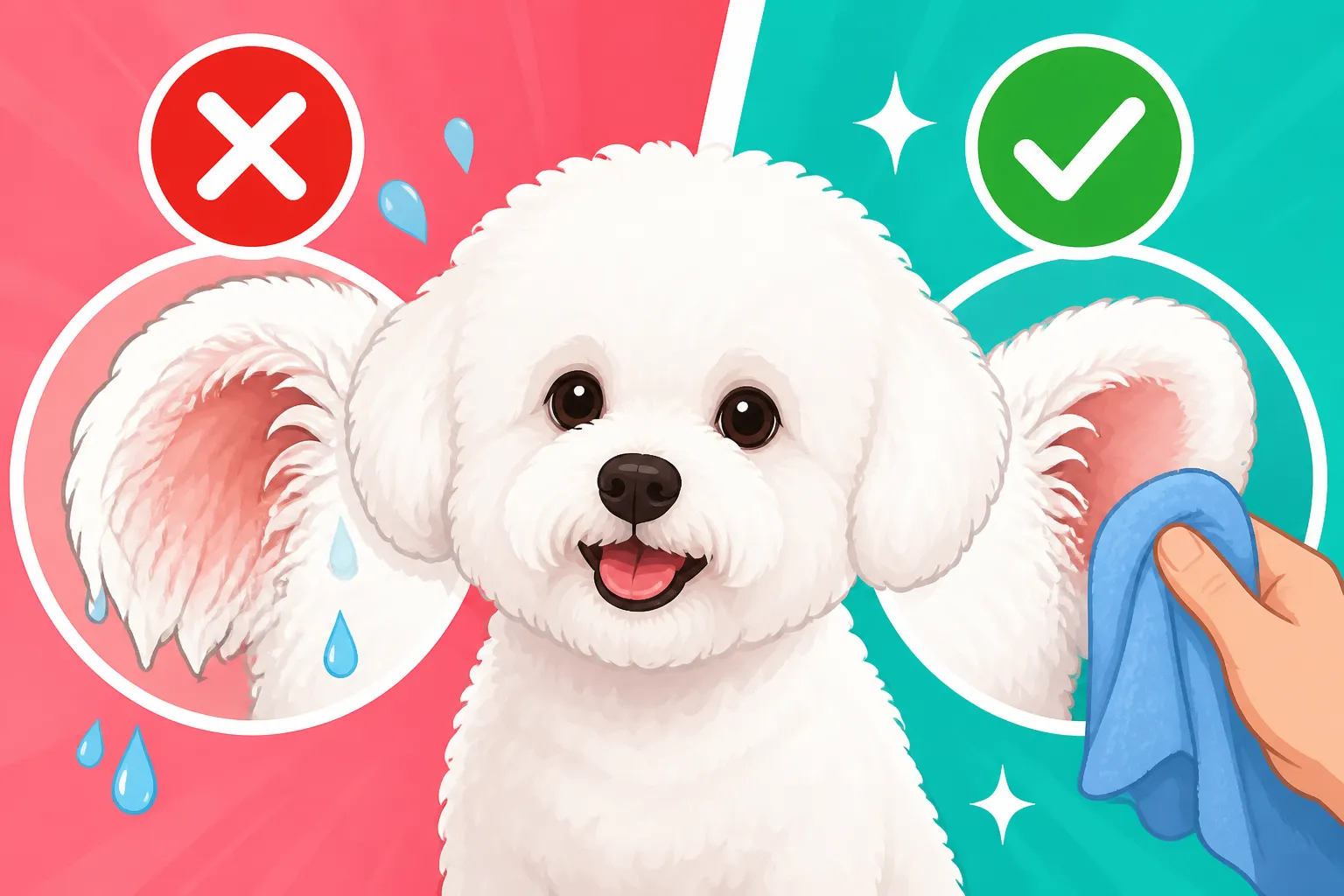
The first line of defense against wet ears is thorough towel drying. Immediately after bathing, gently but firmly blot the outside of your Bichon's ear flaps with a clean, absorbent towel. Don't rub vigorously, as this can irritate the skin. Focus on soaking up as much surface water as possible from the fur and the visible skin.
Next, take a fresh, dry cotton ball or a soft, clean cloth and very gently wipe the inside of the ear flap, going into the folds and crevices of the outer ear that you can easily see. Do not insert anything deep into the ear canal. The goal here is to absorb surface moisture, not to dig out wax or debris. Use a fresh cotton ball for each ear to prevent cross-contamination if one ear happens to have more bacteria. This initial towel drying removes the bulk of the water and sets the stage for more thorough drying. It's a simple yet crucial step that many owners rush, but it makes all the difference in moisture management. This also ties into How Often a Bichon Frise's Ears Should Be Cleaned, as clean ears are easier to dry effectively.
The Role of Safe, Low-Heat Blow Drying
For Bichons, with their dense coats and floppy ears, towel drying alone often isn't enough to get rid of all the trapped moisture. This is where a pet-specific blow dryer comes in handy. Never use a human blow dryer on a high or hot setting, as it can easily burn your dog's sensitive skin and inner ear. Look for pet dryers with a "cool" or "low heat" setting.
Hold the dryer a safe distance from your dog's ear (at least 6-12 inches) and use a low-speed, cool-to-lukewarm airflow. Gently lift the ear flap to expose the ear canal opening. Direct the airflow around the opening, rather than directly into the canal, for short bursts. Keep your fingers near the ear to constantly check the temperature – if it feels too warm for your hand, it's too warm for your dog. Move the dryer continuously to prevent hot spots. Many Bichons initially dislike the sound or sensation, so introduce it slowly, perhaps with treats, making it a positive experience. A high-quality pet dryer can be found on platforms like Amazon or Chewy, offering various models designed for safe pet use. Drying the ears with a blow dryer can take a few minutes per ear, but this attention to detail is invaluable in preventing ear infections.
Post-Bath Ear Cleaners and Prevention
Even with diligent drying, some Bichons are prone to ear issues. This is where a good quality, vet-approved ear cleaner can be a fantastic preventative tool, especially if your dog is prone to moisture-related problems. After towel drying and blow drying, you can apply a few drops of a drying ear cleaner specifically formulated for dogs. These often contain ingredients like witch hazel or boric acid, which help to gently dry out any residual moisture and slightly acidify the ear canal, creating an environment less hospitable to yeast and bacteria.
Again, do not insert the applicator deep into the ear. Simply apply the recommended amount at the opening of the ear canal and gently massage the base of the ear for 20-30 seconds to help distribute the cleaner. Then, let your Bichon shake their head – this is actually helpful as it brings debris and excess cleaner to the outer ear, which you can then wipe away with a fresh cotton ball. Products from brands available at pet specialty retailers like Chewy or Ollie often include ear cleaners as part of their grooming range. Remember, Whether Ear Cleaner Should Be Used Weekly depends on your dog's individual needs and your vet's recommendation; for some, it's a post-bath essential, while for others, less frequent use is adequate.
Here's a quick comparison of ear drying methods:
| Method | Pros | Cons | Best For |
|---|---|---|---|
| Towel Drying | Gentle, accessible, removes bulk water | Insufficient for deep moisture, misses inner canal | Initial step for all baths |
| Pet Blow Dryer | Thorough, reaches trapped moisture, quick | Can be noisy, requires training/acclimation, heat risk if misused | Dense-coated, floppy-eared breeds like Bichons |
| Drying Ear Cleaner | Prevents microbial growth, acidifies ear canal | Not a substitute for physical drying, specific ingredients needed | Dogs prone to recurrent infections, post-swimming care |
Recognizing the Signs of Ear Trouble
Despite your best efforts, ear infections can sometimes still sneak up on a Bichon Frise, especially if they have underlying allergies or other health issues. Knowing what to look for and when to seek professional help is crucial for your dog's comfort and long-term ear health. Catching issues early can prevent them from becoming chronic and more challenging to treat.
What to Look, Smell, and Feel For
Your Bichon's ears are a window into their health, and a quick check should become a regular habit, not just after a bath. Here's what to keep an eye (and nose!) on:
- Look: A healthy Bichon ear canal should be pale pink, clean, and free of redness or swelling. Look for excessive discharge – this could be dark brown, black, yellow, or greenish. Redness, inflammation, or scabbing on the inner ear flap or around the ear opening are red flags. Pay attention to any hair loss around the ear as well, which can be a sign of constant scratching.
- Smell: This is often the most telling sign. Healthy ears have very little odor. A strong, pungent, yeasty, or foul smell is a clear indicator of an infection. Yeast infections often have a sweet or musty smell, while bacterial infections can be intensely foul. Don't ignore a change in smell; it's usually the first sign of trouble.
- Feel: Gently feel the base of your Bichon's ear. Is it warm to the touch? Is there any swelling or tenderness? Does your dog flinch, whine, or pull away when you touch it? This pain response is a strong signal that something is wrong. Also, feel for any crusting or debris inside the visible parts of the ear.
Observing your Bichon's behavior is also important. Are they scratching more than usual? Shaking their head frequently? Rubbing their ears on the carpet? Holding their head at an unusual tilt? Any of these behavioral changes, combined with visual or olfactory clues, should prompt further investigation. Ignoring these subtle signs can lead to more serious problems down the road, and you might find yourself dealing with What an Ear Infection Costs to Treat on a Bichon Frise if it escalates.
When to Consult Your Veterinarian
If you notice any of the signs above – redness, swelling, discharge, odor, pain, or excessive scratching/head shaking – it's time to call your veterinarian. Don't try to self-diagnose or treat an ear infection with home remedies. Over-the-counter products might mask symptoms or, worse, irritate an already inflamed ear, making diagnosis harder for your vet. Plus, different types of infections (yeast vs. bacteria, different bacterial strains) require specific medications.
Your vet will use an otoscope to look deep into the ear canal, check for foreign bodies, assess the integrity of the eardrum, and likely take a swab for cytology. This allows them to identify the specific type of bacteria or yeast causing the problem and prescribe the most effective treatment, which might include medicated ear drops, oral antibiotics, or anti-inflammatories. Early intervention is key to a faster recovery and preventing chronic issues. Remember that for breeds like Bichon Frises, Recurrent Ear Infections in a Bichon Frise are a real possibility, and a veterinarian can help create a long-term management plan, including discussing options like Whether a Bichon Frise's Ear Hair Needs Plucking or specific ear cleaning routines tailored to your dog's needs. Don't wait until your Bichon is in severe pain; a proactive approach with your vet will ensure their ears stay as healthy and happy as possible.
Disclaimer
This article is for general informational purposes only and does not constitute professional advice. Laws, prices and regulations vary by location and change over time. Consult a qualified professional for guidance on your specific situation.