Whether Ear Cleaner Should Be Used Weekly
One common concern for Bichon Frise parents is figuring out the perfect ear care routine. It's easy to get caught in the trap of thinking "more is better," especially when you're trying to be a diligent pet owner, and you might wonder if cleaning your Bichon's ears weekly is the magic bullet for preventing problems. But here's the thing: while regular ear care is absolutely crucial for a Bichon, overdoing it can sometimes do more harm than good, creating a frustrating cycle of irritation and discomfort for your fluffy companion. This guide will walk you through establishing a balanced, effective ear cleaning routine that truly supports your Bichon Frise's unique ear health needs.
The Delicate Balance of Ear Care for Your Bichon Frise
Bichon Frises are adorable, cloud-like companions, but beneath that pristine white coat, they often harbor a secret: ears that require a little extra attention. Unlike some breeds with open, airy ear canals, Bichons have floppy ears that can trap warmth and moisture. Combine that with their dense, continuously growing hair, and you've got a recipe for potential trouble. It's no wonder owners often feel a bit lost trying to navigate the best care practices. You want to prevent issues, but you also don't want to inadvertently cause them, right?
Why Weekly Might Not Be the Right Answer for Every Bichon
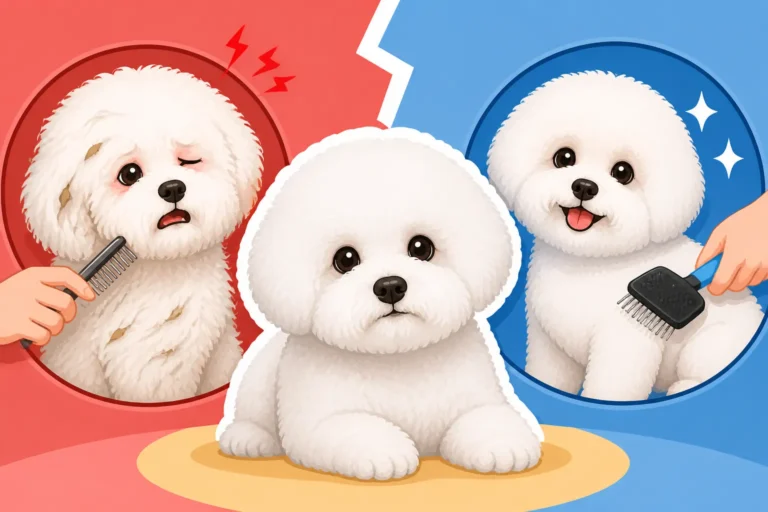
The idea of weekly ear cleaning sounds proactive, and in some cases, it might be appropriate for a Bichon prone to recurrent infections. However, for many Bichons, a weekly deep clean can actually strip the delicate skin inside the ear canal of its natural protective oils, leading to dryness, irritation, and even an increased risk of infection. Think of it like washing your hair too often – it can become dry and prone to damage. The ear canal has its own microbiome, and disrupting it constantly can throw things out of whack. It’s a fine line between prevention and provocation.
Imagine your sweet Bichon, happily playing one day, then suddenly shaking their head or scratching at their ear after a weekly cleaning session. You might think the cleaning wasn't enough, when in reality, it might have been too much. This kind of overzealous cleaning can lead to redness, tenderness, and an unhappy pup. It can be incredibly frustrating for owners who are just trying to do their best, only to see their efforts backfire. Understanding this delicate balance is the first step toward a happier, healthier ear for your furry friend.
The Unique Challenges of Bichon Frise Ears
Bichons have a few anatomical and breed-specific quirks that make their ears particularly susceptible to problems. First, their floppy ears cover the ear canal, limiting air circulation. This creates a warm, humid environment that's perfect for bacteria and yeast to thrive. It’s like a tiny greenhouse for microbes. Second, that beautiful, dense Bichon coat extends right into the ear canal. This hair can trap debris, wax, and moisture, acting like a dam that prevents natural drainage and aeration. This is why you might often find yourself asking Whether a Bichon Frise's Ear Hair Needs Plucking.
On top of these physical traits, Bichons are also predisposed to allergies, particularly What Atopic Dermatitis Does to a Bichon Frise. Allergies can manifest as inflammation and itching throughout the body, and the ears are a common target. When the ear canal becomes inflamed due to allergies, it produces more wax and can become itchier, making it a prime candidate for secondary infections. So, it's not just about cleaning; it's about addressing the underlying sensitivities that can make ear care a constant battle. This combination of factors means that ear problems, like Recurrent Ear Infections in a Bichon Frise, are unfortunately a common lament among Bichon owners.
Understanding When and How Often to Clean Your Bichon's Ears
The key to successful Bichon ear care isn't a rigid, one-size-fits-all schedule, but rather a flexible approach based on observation and understanding your individual dog's needs. Instead of automatically reaching for the cleaner once a week, it's better to be attuned to the subtle cues your Bichon might be giving you. Every dog is different, and even within the Bichon breed, some might be prone to more ear issues than others due to genetics, environment, or underlying health conditions.
Signs Your Bichon's Ears Need Attention
Your Bichon can't tell you in words that their ears are bothering them, but they communicate clearly through their behavior. One of the most obvious signs is if your Bichon is constantly Whether a Bichon Frise Shakes Its Head. While a casual shake can be normal, persistent head shaking, especially accompanied by pawing at the ears or rubbing them against furniture, is a big red flag. You might also notice a foul odor emanating from the ear, which is a classic sign of infection.
Other indicators include redness or swelling around the ear canal opening, a discharge that can be waxy, brown, yellow, or even black, and general sensitivity when you touch their ears. They might flinch, whimper, or even snap if their ears are particularly sore, highlighting why it’s so important to be gentle. If you notice any of these signs, it's time to investigate, and often, it's time for a vet visit before you even think about cleaning. A thorough examination can reveal whether an infection is brewing, requiring medication rather than just a simple clean.
The Risks of Over-Cleaning and Under-Cleaning
Cleaning too frequently, as we've discussed, can irritate the delicate skin of the ear canal, leading to inflammation and making it more susceptible to bacterial or yeast infections. It can also push debris deeper into the canal, creating blockages. Imagine trying to clean a wound repeatedly – you'd only make it worse. This can be especially problematic for breeds like Bichons, whose ears already tend to trap moisture.
On the flip side, under-cleaning poses its own set of risks. Neglecting your Bichon's ears can lead to a buildup of wax, dirt, and trapped hair, creating an ideal breeding ground for bacteria and yeast. This buildup can eventually lead to painful infections that require veterinary intervention, sometimes involving expensive medications or even sedation for a thorough cleaning. Severe, chronic infections can even lead to permanent hearing damage or ear canal scarring. Finding that sweet spot is essential for long-term ear health, so avoiding both extremes is key. This is why discussing How Often a Bichon Frise's Ears Should Be Cleaned with your vet is paramount.
Establishing a Personalized Ear Cleaning Schedule
So, how often should you clean your Bichon's ears? The general guideline for most healthy Bichons without active ear problems is every 2-4 weeks, or as needed. However, this is a starting point, not a rule etched in stone. Your vet is truly your best resource for creating a personalized schedule. They can assess your Bichon's individual ear anatomy, check for any underlying allergies, and determine if they are particularly prone to wax buildup or infections.
For a Bichon prone to recurrent ear infections due to allergies or excessive hair, your vet might recommend a more frequent schedule, perhaps weekly, but often with a specific medicated cleaner tailored to their needs. For a Bichon with naturally clean ears and no history of issues, monthly or even less frequent cleaning might be perfectly adequate. The goal is to remove excess wax and debris without causing irritation. Consider keeping a log of when you clean and any observations you make afterward. This can help you and your vet fine-tune the routine over time, ensuring your Bichon gets the right amount of attention for The Ears a Bichon Frise Needs Cleaned Every Week.
Step-by-Step Guide to Safely Cleaning Your Bichon's Ears at Home
Once you've established a frequency with your vet, knowing how to properly clean your Bichon's ears at home is crucial. It's not a complicated process, but it does require gentleness and the right tools. Many Bichons aren't thrilled about ear cleaning, especially if their ears are already sensitive, so approaching it calmly and making it a positive experience with plenty of praise and treats will go a long way.
Gathering Your Gentle Ear Cleaning Supplies
Before you begin, make sure you have everything you need within arm's reach. This prevents you from having to scramble mid-process, which can stress out your dog. You'll need a good quality, vet-approved ear cleaner. Avoid using alcohol or hydrogen peroxide, as these can be irritating and drying. Many excellent ear cleaners are available from reputable pet supply retailers like Chewy or Amazon. Look for products specifically formulated for dogs, often containing ingredients like salicylic acid or witch hazel, designed to gently clean and dry the ear canal without causing harm.
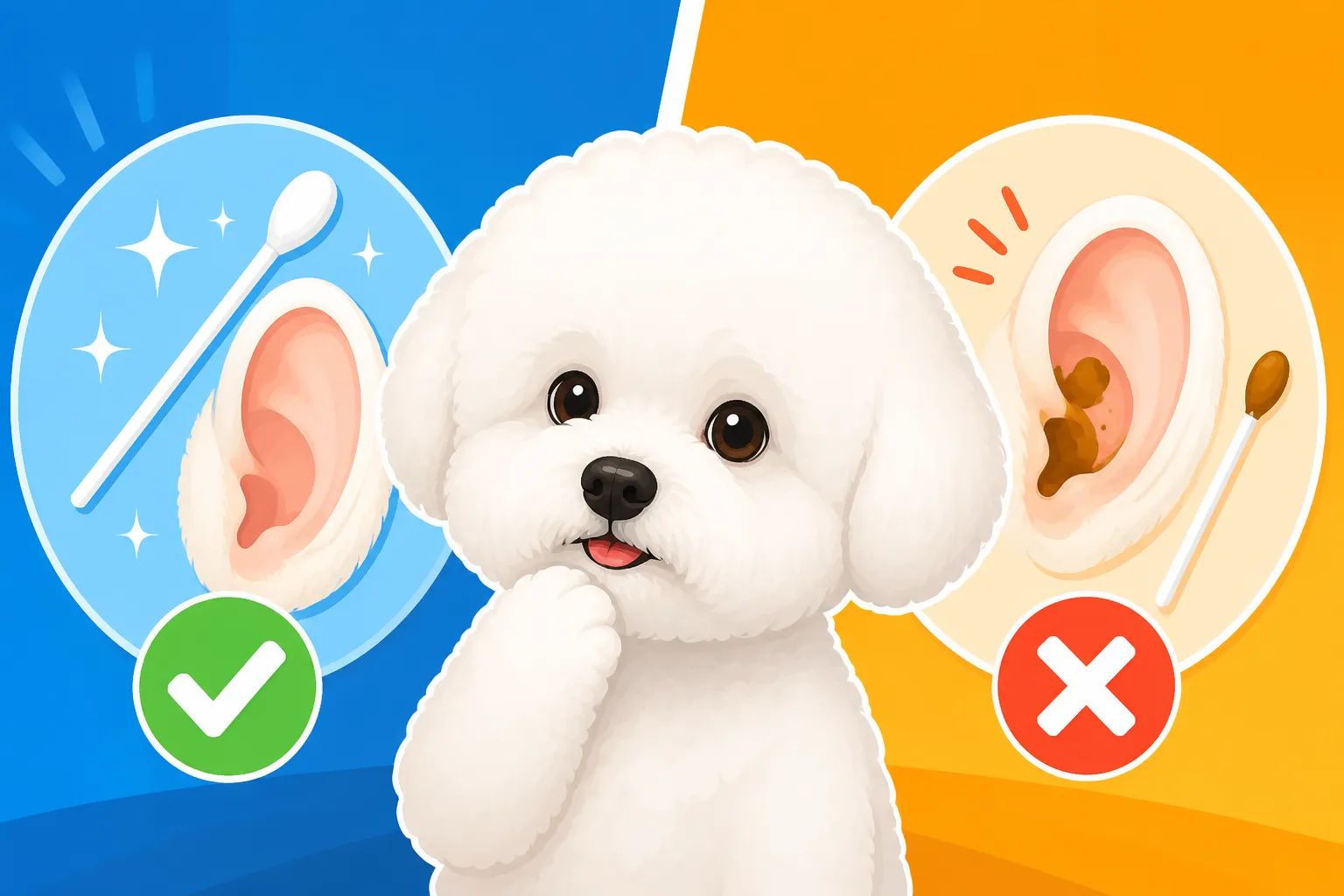
You'll also need plenty of cotton balls or large cotton pads – avoid cotton swabs, as these can push debris deeper into the ear canal or even damage the eardrum. Having some soft towels handy is also a good idea, as ear cleaning can get a little messy, especially if your Bichon decides to give a good shake mid-clean! Lastly, have some high-value treats ready to reward your Bichon for their cooperation.
The Proper Technique for Effective Cleaning
Start by finding a comfortable, well-lit spot. Gently hold your Bichon's ear flap up to expose the ear canal. If there's a lot of hair blocking the opening, you might need to carefully trim it with blunt-nosed scissors or consult your groomer or vet about plucking it. This can make a huge difference in airflow and cleaning effectiveness.
Next, apply the ear cleaner directly into the ear canal according to the product instructions. Don't be shy – you need enough liquid to really flush the canal. You'll likely hear a squishing sound as you do this. Now, gently massage the base of the ear for about 20-30 seconds. This helps to break up wax and debris within the canal. After massaging, allow your Bichon to shake their head. This is the messy part, as it helps dislodge the cleaner and loosened gunk. Finally, use a clean cotton ball or pad to gently wipe away any visible cleaner and debris from the outer ear and the opening of the ear canal. Repeat with fresh cotton balls until no more dirt or wax comes out. Remember, you're only cleaning what you can see – never insert anything into the ear canal itself.
When to Stop and Call the Vet
It's crucial to know when ear cleaning is beyond your DIY capabilities and a vet visit is needed. If your Bichon shows signs of pain, severe redness, swelling, or a very foul odor, stop immediately. These are strong indicators of an active infection, which requires professional diagnosis and treatment. Continuing to clean a painful, infected ear can exacerbate the problem, cause discomfort, and delay proper healing.
Also, if you notice any changes in the discharge, such as it becoming bloody or pus-like, or if your Bichon is disoriented, has a head tilt, or experiences sudden hearing loss, these are serious symptoms that warrant immediate veterinary attention. These could indicate a ruptured eardrum or a deeper, more severe infection that needs urgent care. While home care is vital, knowing when to seek expert help ensures your Bichon receives the best possible care and avoids further complications. Ignoring these signs can lead to more complex and costly issues down the line, so don't delay. The cost of dealing with What an Ear Infection Costs to Treat on a Bichon Frise is usually far higher if it's been left untreated.
Products and Prevention: Supporting Healthy Bichon Ears
Beyond the act of cleaning itself, a holistic approach to ear health involves choosing the right products and understanding how overall wellness, particularly diet and allergies, plays a massive role. It's about building a preventative strategy rather than constantly reacting to problems. Many Bichon owners find that by being proactive in these areas, they can significantly reduce the frequency and severity of ear issues their pups face.
Choosing the Right Ear Cleaner
With so many ear cleaners on the market, it can feel overwhelming to pick the right one. As mentioned, always opt for vet-recommended products specifically designed for dogs. Good cleaners will often be pH-balanced and contain ingredients that break down wax, dry the ear canal, and have mild antiseptic properties. Avoid anything with strong fragrances or harsh chemicals that could irritate your Bichon's sensitive skin.
Some popular brands offer gentle, effective ear cleaners suitable for routine maintenance. You can find a wide variety of options on online pet retailers like Chewy or Amazon, often with reviews from other pet parents to guide you. If your Bichon has known allergies or a history of specific ear infections (like yeast), your vet might recommend a specialized medicated cleaner. These often contain antifungal or antibacterial agents and are typically used for a limited time to treat an active issue, not for weekly preventative care, unless specifically instructed by your vet.
The Role of Diet and Allergies in Ear Health
It's a common misconception that ear problems are purely local issues. For many Bichons, ear infections are a symptom of a larger underlying problem: allergies. Whether it's environmental allergies (pollen, dust mites) or food sensitivities, allergies often manifest as itchy, inflamed skin, and the ears are a prime target. If your Bichon suffers from recurrent ear infections, especially accompanied by itching, paw licking, or skin redness elsewhere, talk to your vet about investigating allergies.
Diet plays a significant role in managing food sensitivities. A limited ingredient diet or a hydrolyzed protein diet, available through your vet or specialized pet food providers like Ollie, can sometimes make a dramatic difference in reducing allergic inflammation, including in the ears. Addressing the root cause of the inflammation means the ears will be less irritated, less waxy, and less prone to infection, ultimately requiring less frequent and less intensive cleaning. Ignoring the allergic component can lead to a frustrating cycle of treating ear infections only for them to return weeks later.
Holistic Approaches to Ear Wellness
Beyond direct cleaning, there are other ways to support your Bichon's ear health. Ensuring good ventilation around the ears is key. If your Bichon has very long ear hair, regular trimming by a groomer can help improve airflow. Some owners opt for very careful plucking of ear canal hair, but this should always be done gently and only if your dog tolerates it, as it can sometimes cause micro-trauma and lead to irritation if done improperly. Discuss Whether a Bichon Frise's Ear Hair Needs Plucking with your vet or groomer to see if it's right for your dog.
Additionally, keeping your Bichon generally healthy with a balanced diet, regular exercise, and minimal exposure to known allergens can indirectly improve ear health. Always dry your Bichon's ears thoroughly after baths or swimming, as trapped moisture creates a perfect breeding ground for yeast and bacteria, exasperating the fact that Whether a Bichon Frise's Ears Trap Moisture. Consistent attention to these details, combined with a vet-approved, personalized cleaning schedule, will set your Bichon up for a lifetime of comfortable, healthy ears.
| Ear Cleaning Frequency | Typical Scenario | Considerations |
|---|---|---|
| Weekly | Bichons with chronic allergies, excessive wax production, or recurring infections (under vet guidance). | Use specific medicated cleaners if prescribed; monitor for irritation; may be too frequent for healthy ears. |
| Every 2-4 Weeks | Most healthy Bichons with typical ear anatomy and no active infections. | Ideal for routine maintenance; balances cleaning with natural ear health; observe for any changes in between. |
| Monthly or As Needed | Bichons with naturally very clean ears, minimal hair in the canal, or low predisposition to issues. | Only clean if you see visible dirt/wax or notice mild signs; avoid over-cleaning healthy ears. |
| Only by Vet | When pain, severe redness, strong odor, discharge, or deep infection is present. | Do not attempt home cleaning if there's an active infection or discomfort; seek professional diagnosis/treatment. |
Disclaimer
This article is for general informational purposes only and does not constitute professional advice. Laws, prices and regulations vary by location and change over time. Consult a qualified professional for guidance on your specific situation.