Whether Plucking Ear Hair Causes Infection in a Bichon Frise
As a Bichon Frise parent, you've probably heard conflicting advice about ear hair – to pluck or not to pluck? This can be incredibly frustrating and leave you worried about making the wrong decision, especially when your sweet little companion is prone to itchy or smelly ears. The last thing any of us wants is to accidentally cause more problems while trying to do what's best. This guide will dive deep into the complexities of ear hair plucking in Bichon Frises, separating fact from fiction and helping you understand how to approach this delicate aspect of their care.
The Great Debate: Does Plucking Really Cause Infections?
It's a common fear among Bichon owners: will plucking the hair from my dog's ears open the door to nasty infections? This concern is absolutely valid, as many of us have heard anecdotes or even received conflicting advice from different sources. The truth, as often happens with pet care, isn't a simple yes or no. Plucking can contribute to infections if done improperly, but the hair itself can also lead to infections if not managed. It's a tricky balance, and understanding the nuances is key.
Understanding the "Why" Behind the Worry
The worry that plucking ear hair might cause an infection often stems from a logical place: the idea that you're creating tiny wounds in the ear canal. When you pull hair out by the root, it does indeed leave a microscopic opening in the skin. If bacteria, yeast, or even just irritants are present in the ear or on the tools used, these open follicles could theoretically become entry points for infection. This concern is amplified by the fact that many Bichon Frises are already predisposed to ear issues, making owners extra cautious about any procedure that might exacerbate the problem.
Furthermore, some veterinarians and groomers have shifted away from routine plucking, advocating for a "hands-off" approach unless absolutely necessary. This evolving advice can leave owners confused. You might hear one professional recommend it for improving airflow and another warn against it due to irritation. This conflicting information contributes to the anxiety, making it hard to decide what's truly best for your individual dog. The key is understanding your dog's specific ear health and consulting with a trusted vet.
The Vicious Cycle: When Ears Go Wrong
Imagine your Bichon Frise has been scratching at their ear, perhaps it's a little red inside, or you've noticed a faint smell. At this point, the ear is already irritated or inflamed. If you then proceed to pluck hair from an already compromised ear, you're essentially adding insult to injury. The act of plucking, even if gentle, can further inflame the delicate skin, cause micro-traumas, and potentially push existing bacteria or yeast deeper into the hair follicles.
This creates a vicious cycle: the dog's ear is irritated, you try to "fix" it by plucking, and the irritation or infection worsens, leading you to believe that plucking caused the infection, rather than merely aggravated an existing or brewing problem. It's crucial that if your Bichon's ear is already showing any signs of discomfort, redness, discharge, or odor, you seek veterinary attention before attempting any hair removal. Plucking an already angry ear is almost guaranteed to make things worse, not better, and could delay proper treatment for conditions like Recurrent Ear Infections in a Bichon Frise.
Why Bichon Frises Need Special Ear Attention
Bichon Frises, with their adorable floppy ears and dense, curly coats, are unfortunately prone to ear problems. It's not just a random occurrence; their unique anatomy and coat type create a perfect storm for issues like excessive wax buildup, moisture retention, and recurrent infections. Understanding these predispositions is the first step in providing effective and preventative ear care for your fluffy friend.
The Unique Anatomy of a Bichon's Ear
Unlike breeds with erect ears, a Bichon Frise's ears hang down, effectively covering the ear canal. This lovely trait, while contributing to their charming appearance, also creates a warm, moist, and poorly ventilated environment within the ear. Imagine trying to air out a damp towel in a sealed box – it's tough! This lack of airflow is a significant factor in promoting the growth of yeast and bacteria, which thrive in such conditions. It's a common reason why you might find yourself frequently trying to keep The Ears a Bichon Frise Needs Cleaned Every Week.
Beyond the floppy ear leather, Bichons also tend to grow a good amount of hair inside their ear canals. This isn't unusual for many breeds with non-shedding coats, but in a breed already battling poor ventilation, it adds another layer of complexity. This hair can trap wax, debris, and moisture like a tiny, furry dam, preventing natural drainage and making it incredibly difficult for ear cleaning solutions to penetrate effectively. This combination makes proper ear care a constant, vital part of owning a Bichon.
The Role of Ear Hair in Ear Health
While the hair inside the ear canal serves no known beneficial purpose for dogs, its presence can certainly pose challenges for Bichons. As mentioned, this hair acts as a literal barrier. It prevents air circulation, traps shed skin cells, ear wax, and any moisture that gets into the ear from baths or humidity. This accumulation of debris creates an ideal breeding ground for pathogenic microorganisms.
Think of it this way: if a tiny amount of moisture gets into a dog's ear during a bath, in an ear with little to no hair, that moisture might evaporate naturally. But in a Bichon's ear, with dense hair and a floppy ear flap, that moisture gets trapped, creating a humid, bacterial-friendly sauna. This environment can lead to irritation, itching, and eventually full-blown infections. It's why owners sometimes feel like they're fighting a losing battle, and why they might wonder about Whether a Bichon Frise's Ears Trap Moisture.
Best Practices for Bichon Ear Care: To Pluck or Not to Pluck?
Deciding whether or not to pluck your Bichon's ear hair is a decision that should be made carefully, ideally in consultation with your veterinarian. There's no universal answer that applies to every single Bichon, as each dog's ear anatomy and history of infections can be different. What works for one might be detrimental to another. The goal is always to maintain a healthy ear environment, not just to perform a routine grooming step.
When Plucking Might Be Considered
For some Bichon Frises, particularly those with extremely dense hair deep within the ear canal that consistently contributes to recurrent infections, plucking a small amount of hair might be a necessary part of their ear management plan. This is usually considered when:
- Recurrent Infections: Your Bichon experiences frequent ear infections that are directly linked to excessive hair trapping moisture and debris, despite regular cleaning.
- Impaired Airflow and Cleaning: The hair is so thick that it completely blocks the ear canal, preventing proper airflow and making it impossible for ear cleaning solutions to work effectively.
- Veterinary Recommendation: Your veterinarian has thoroughly examined your dog's ears, ruled out other causes of infection (like allergies, which you can learn more about in What Atopic Dermatitis Does to a Bichon Frise or Whether a Bichon Frise's Itching Is Food or Pollen), and specifically recommends plucking as a therapeutic measure.
In these specific cases, careful, minimal plucking, performed correctly, can sometimes help open up the canal, improve ventilation, and allow topical medications or cleaning solutions to reach the deeper parts of the ear. It's a targeted approach, not a blanket solution for every Bichon.
Safe Ear Hair Removal Techniques
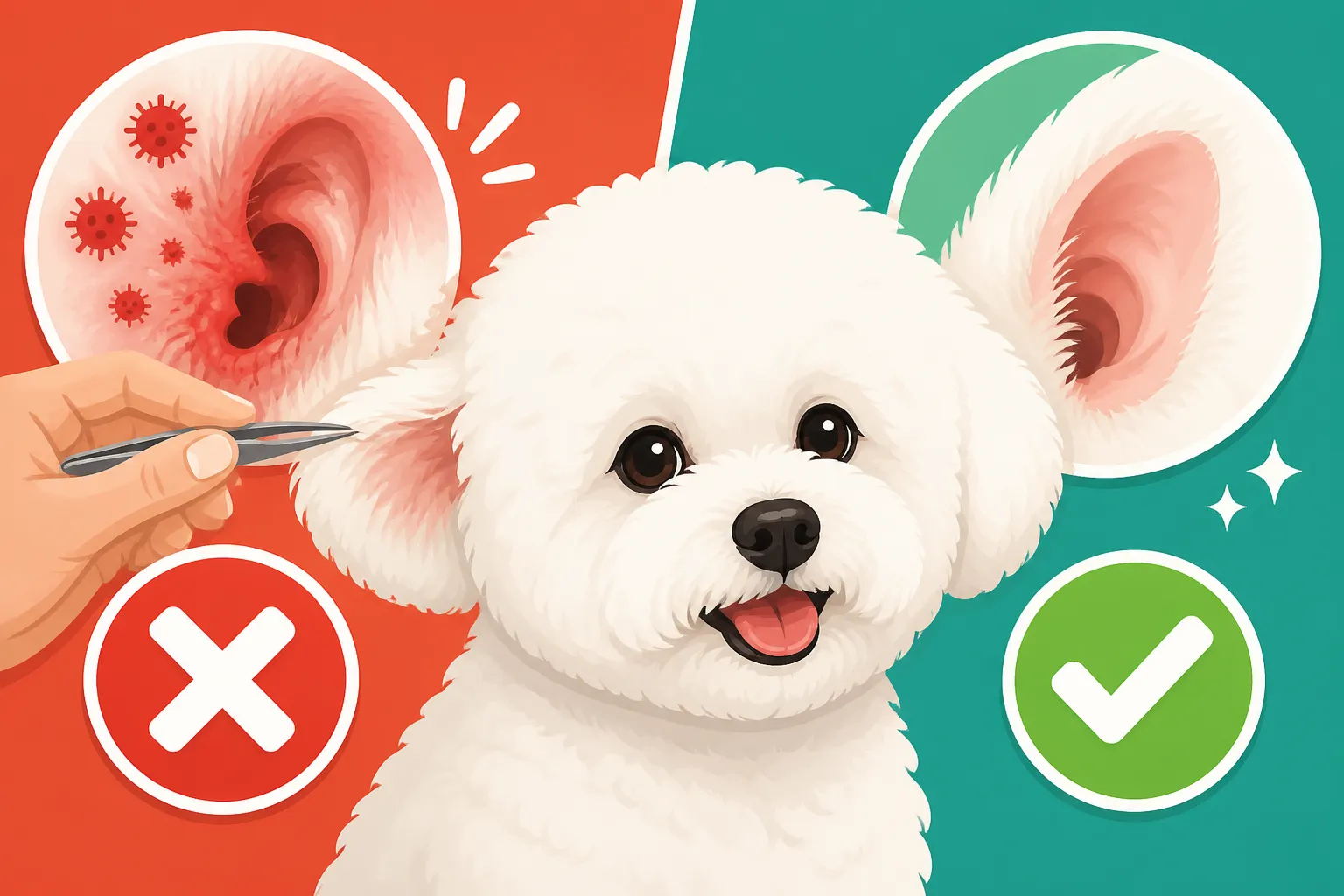
If, after consulting with your vet, you decide that plucking is necessary for your Bichon, it's absolutely paramount that it's done safely and correctly. Improper technique is where the risk of irritation and infection dramatically increases. Here's how it should ideally be approached:
- Consult a Professional: For most owners, having a professional groomer or veterinary technician perform the plucking is the safest bet. They have the right tools, experience, and understanding of ear anatomy.
- Use Proper Tools: Avoid household tweezers. Professionals use specialized hemostats with blunt tips that grip hair effectively without pinching skin. They also use ear powder, which helps to grip the hair and desensitize the area. Products like these can often be found on platforms like Amazon or Chewy.
- Small Amounts at a Time: Never attempt to pull out large clumps of hair. Take only a few strands at a time, gripping close to the skin and pulling quickly in the direction of hair growth. This minimizes pain and skin irritation.
- Clean Before and After: The ear should be clean before plucking to reduce the bacterial load. After plucking, a gentle, vet-approved ear cleaner should be used to soothe the skin and remove any loose hair or debris.
- Never Pluck an Infected Ear: This cannot be stressed enough. If the ear is red, swollen, smelly, or painful, do not pluck. Seek veterinary care first. A dog that is constantly Whether a Bichon Frise Shakes Its Head is likely experiencing discomfort, and plucking will only make it worse.
The goal is to relieve obstruction, not to create a perfectly hairless canal, which can actually leave the ear more vulnerable. Some prefer to only trim hair from the entrance of the ear canal rather than plucking, especially if the internal hair isn't excessively dense.
The "Hands-Off" Approach and Why It's Often Better
For many Bichons, particularly those without a history of chronic ear infections or extremely dense ear canal hair, a "hands-off" approach to plucking is often the best strategy. This means focusing on regular cleaning and leaving the hair inside the canal alone. Why?
Firstly, the very act of plucking can indeed irritate the delicate skin lining the ear canal. This irritation can lead to inflammation, which then makes the ear more susceptible to secondary infections. If the hair isn't causing a problem, why introduce a potential irritant?
Secondly, the hair follicles, once plucked, take time to heal. During this healing phase, the ear canal can be more vulnerable. If plucking is done too frequently or aggressively, it can lead to chronic irritation or even folliculitis. The emerging hair regrowth can also be stiff and itchy, further exacerbating discomfort. This approach also simplifies grooming routines and reduces potential stress for your dog, especially if your Bichon is not keen on having their ears handled, as explored in Teaching a Bichon Frise to Accept Ear Treatment.
Many vets now advocate for plucking only when there's a clear, medical reason, such as recurrent infections that haven't responded to other treatments, and when the hair is undeniably obstructing the canal. For routine maintenance, proper cleaning is usually sufficient.
Preventing Ear Infections Beyond Plucking
While the plucking debate is significant, it's crucial to remember that ear health is about a lot more than just hair removal. A holistic approach to ear care for your Bichon Frise involves regular hygiene, attention to diet, managing allergies, and knowing when to call in professional help. Focusing on these broader aspects can often prevent the need for plucking altogether or at least minimize ear problems.
The Importance of Regular Cleaning
Consistent and proper ear cleaning is arguably the most vital step in preventing ear infections in your Bichon. Regular cleaning helps remove the buildup of wax, dirt, and debris that can accumulate in their warm, moist, and often hairy ear canals. This proactive approach prevents the environment from becoming hospitable to yeast and bacteria.
Aim for cleaning your Bichon's ears at least once a week, or as recommended by your vet, using a high-quality, vet-approved ear cleaning solution. Gently massage the base of the ear to help the solution work its way down, and then allow your dog to shake their head before wiping away any excess with cotton balls or soft wipes. Never use cotton swabs inside the ear canal, as this can push debris further in and potentially damage the eardrum. For more detailed guidance, consider reading How Often a Bichon Frise's Ears Should Be Cleaned or Whether Ear Cleaner Should Be Used Weekly.
Environmental and Dietary Considerations
Many ear infections in Bichon Frises aren't just about ear hair or lack of cleaning; they are often secondary to underlying issues, particularly allergies. Both environmental allergens (like pollen, dust mites) and food sensitivities can manifest as chronic ear inflammation and infections. If your Bichon is constantly battling ear issues, it's worth exploring these possibilities with your vet.
Ensuring your Bichon's ears stay dry, especially after baths or swims, is also critical. Use cotton balls in their ears during baths to prevent water from entering, and thoroughly dry the outer ear and as much of the canal as possible afterwards. You might find shampoos and conditioners like those available on Chewy helpful, but always ensure they are fully rinsed out to avoid residue. A high-quality, balanced diet, perhaps even one tailored for sensitive dogs from brands like Ollie, can also contribute to overall skin and coat health, which in turn supports ear health.
Professional Help: When to See the Vet or Groomer
Knowing when to seek professional help is paramount. Never try to diagnose or treat a suspected ear infection yourself. If you notice any of the following signs, it's time for a vet visit:
- Redness or Swelling: Inside the ear flap or canal.
- Discharge: Yellow, brown, or black discharge, especially if it's excessive or has an unusual texture.
- Odor: A foul smell emanating from the ear.
- Pain or Discomfort: Your dog cries out when the ear is touched, holds their head tilted, or frequently shakes their head or scratches at the ear.
- Hearing Loss or Balance Issues: In severe cases, an infection can affect hearing or balance.
Your vet can accurately diagnose the cause of the ear problem (bacterial, yeast, mites, allergies, foreign body) and prescribe the appropriate treatment. They can also advise on the best long-term management plan, which might include specific cleaning protocols, medicated ear drops, or a discussion about allergy management. If your vet does recommend hair removal, a professional groomer is often best equipped to perform this safely and effectively as part of your overall grooming routine. For example, Whether Medicated Baths Control a Bichon Frise's Infections could be a topic to discuss with your vet if recurring issues are present.
| Ear Care Action | Recommended For | Potential Risks (If Done Improperly) | Best Practice |
|---|---|---|---|
| Routine Cleaning | All Bichon Frises, 1-2 times per week | Irritation from harsh cleaners | Use vet-approved solution, cotton balls, wipe gently |
| Ear Hair Plucking | Bichons with recurrent infections or blocked canals (vet recommended) | Pain, irritation, infection, further inflammation | Professional groomer/vet, use powder & hemostats, small amounts |
| Trimming Outer Hair | All Bichons, during grooming | Accidental cuts to ear leather | Use blunt-nosed scissors, only trim around canal opening |
| Drying Ears | All Bichons, especially after bathing/swimming | Moisture retention leading to infection | Use cotton balls during bath, dry thoroughly after |
Disclaimer
This article is for general informational purposes only and does not constitute professional advice. Laws, prices and regulations vary by location and change over time. Consult a qualified professional for guidance on your specific situation.