Whether a Clipped Bichon Frise Sunburns
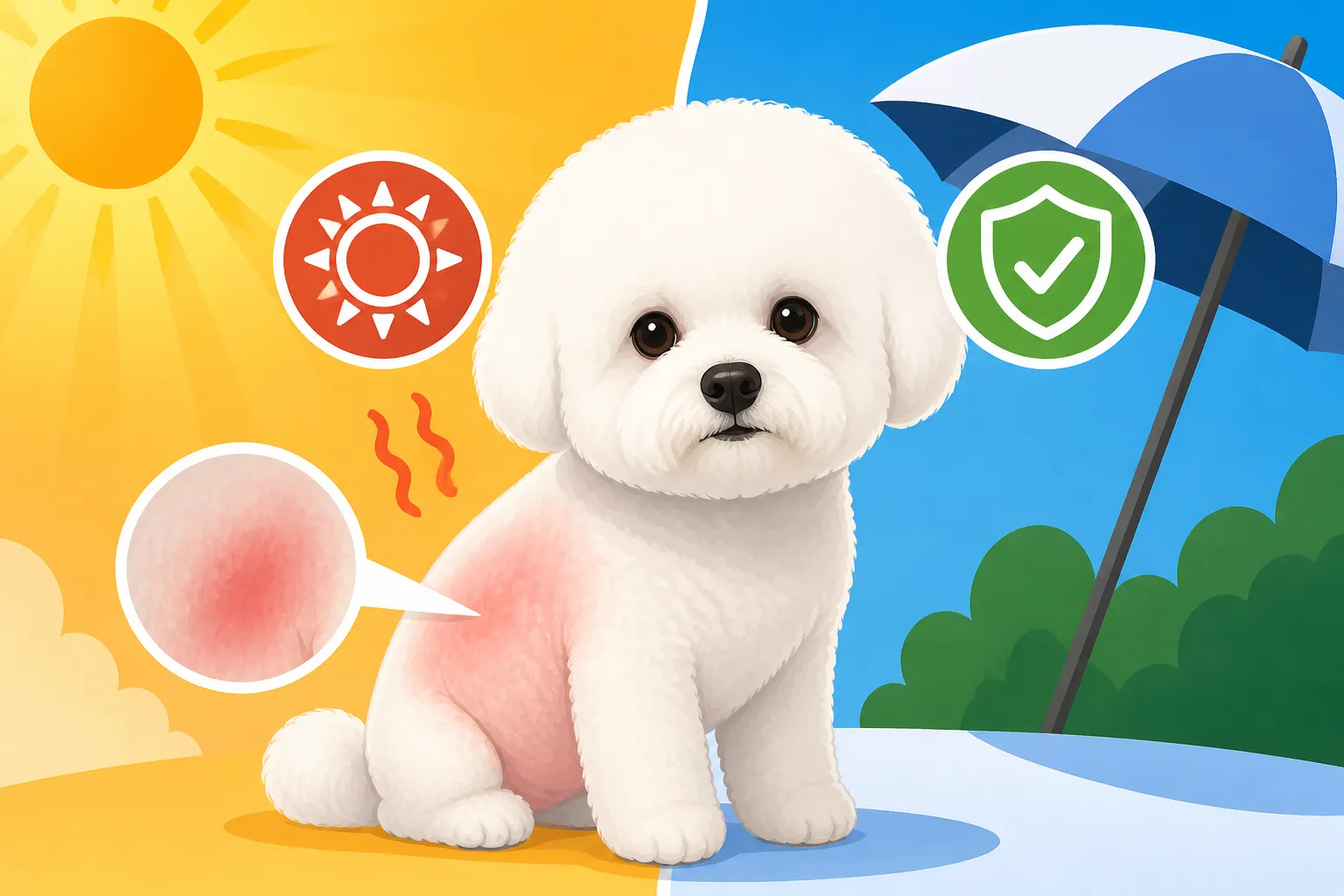
It’s a common dilemma for us Bichon Frise parents, isn't it? As the warmer months roll around, or perhaps we're just aiming for easier coat maintenance, we often think about giving our fluffy white companions a shorter, more practical clip. But then a new worry creeps in: with less hair, will our precious Bichon be susceptible to sunburn? This guide will address that very real concern, exploring why a clipped coat can lead to sunburn and, more importantly, how to keep your Bichon Frise safe and comfortable, even with a shorter style.
The Bichon Frise Coat: Nature's Original Sun Shield
Before we dive into clipping, it's crucial to understand just how magnificent and protective a Bichon Frise's natural coat truly is. It's not just for looks; it's a marvel of canine engineering, designed to keep them comfortable in various conditions.
A Double Layer of Protection
A Bichon Frise boasts a luxurious double coat, a characteristic shared by many breeds that originate from climates with fluctuating temperatures. This isn't a coat that sheds profusely and tangles easily for no reason; it serves a vital purpose. The outer coat, often described as coarse or curly, forms a protective barrier, repelling water and dirt. Beneath that lies a dense, soft undercoat, which acts as insulation. In winter, this undercoat traps warm air close to the body, keeping them toasty. In summer, it surprisingly helps to keep them cool by preventing heat from penetrating directly to the skin and allowing air to circulate. Think of it like a thermos: it keeps hot things hot and cold things cold. The dense fur also naturally filters out a significant amount of harmful UV radiation, much like a built-in sun-protective shirt. You might be interested in The Powder Puff Outline the Bichon Frise Standard Describes to understand the ideal coat type.
Insulation and UV Barrier
Many of us mistakenly believe that more fur means a hotter dog, and while a matted, unkempt coat certainly can trap heat and cause discomfort, a healthy, well-maintained double coat actually provides excellent thermal regulation. It's designed to protect the skin from both extreme cold and intense heat. Imagine trying to stand in direct summer sun with a bare scalp versus one covered by a thick head of hair – the hair acts as a buffer. For our Bichons, their natural coat does just that, creating a microclimate against their skin. It helps regulate their body temperature and, crucially, offers a physical barrier against the sun's harsh ultraviolet rays, preventing them from reaching the delicate skin beneath. This protection is key to understanding why changing this natural barrier needs careful consideration.
Clipping Your Bichon Frise: Unintended Exposure Risks
Many owners opt for a shorter clip on their Bichons, often for legitimate reasons like ease of grooming, managing mats, or simply to make their dog look and feel cooler in warmer weather. However, altering that natural protective coat can inadvertently expose them to risks they wouldn't face with their full, fluffy glory.
The Double-Edged Sword of a Summer Clip
A shorter "summer cut" or "puppy cut" can be incredibly appealing. It reduces the time spent brushing and detangling, makes baths quicker, and many owners feel their Bichon is more comfortable and playful without a heavy coat in the heat. There’s a definite feeling of relief when your little cloud seems more sprightly. However, this is where the protection provided by the dense fur gets compromised. When you clip the coat significantly short, especially down to an inch or less, you remove much of that natural UV barrier. The sun's rays, which would normally be absorbed or deflected by the hair shafts, now have a direct path to the underlying skin. This isn't to say you should never clip your Bichon short, but rather to acknowledge that a shorter coat requires a different approach to sun safety. If you're wondering about grooming frequency, check out How Often a Bichon Frise Needs a Full Groom.
Most Vulnerable Areas for Sunburn
Just like in humans, certain areas on a Bichon Frise are more susceptible to sunburn. These are typically spots where the hair is naturally thinner, or where the skin is particularly delicate and pigmented less heavily. Even with a full coat, some of these areas could be at slight risk, but with a clipped coat, the risk significantly escalates.
- Nose and Bridge of the Muzzle: The very tip of the nose is often pigmented, offering some natural protection, but the skin around it, especially the bridge of the muzzle, can be quite sensitive and prone to burning.
- Ear Flaps: The delicate skin on the inside and outside of the ear flaps often has minimal hair coverage, making it a prime target for UV damage.
- Belly and Groin: These areas are usually covered by the dog's body, but when lounging on their backs or walking in tall grass, they can be exposed. The skin here is very thin and typically pink, making it highly vulnerable.
- Thinly Coated Spots: Any areas where your Bichon naturally has less dense fur, or where the groomer might have gone a bit shorter, can be at risk. This might include the underarms, inside of the legs, or even patches where they’ve licked or scratched away hair due to allergies.
- Around the Eyes: While the hair usually protects this area, if it's trimmed very short, the delicate skin around the eyes can burn.
Owners should always remember that a dog's skin, especially on lighter-pigmented breeds like Bichons, is just as sensitive to the sun's harmful rays as human skin. Ignoring the risk can lead to discomfort, pain, and even long-term health issues.
Recognizing and Responding to Sunburn in Your Bichon
It’s easy to miss the signs of sunburn on a dog, especially if their fur is white and fluffy, or if they’re just acting a little "off." Knowing what to look for and how to react quickly is key to minimizing their discomfort and preventing further damage.
Identifying the Symptoms of Canine Sunburn
A sunburn on your Bichon might not look exactly like a human sunburn, but many of the symptoms are similar. It's often harder to spot beneath even a short coat, so you need to be vigilant, especially after extended time outdoors, particularly if your dog has been recently clipped.
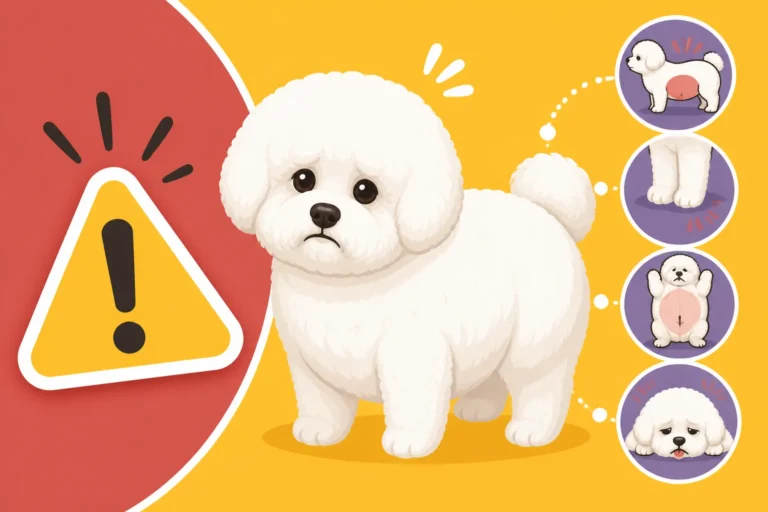
- Redness and Inflammation: The most obvious sign is reddened skin, which might appear pinker or even bright red in severe cases. This can be harder to see on pink skin but compare it to unaffected areas. The skin may also appear inflamed or swollen to the touch.
- Tenderness and Pain: Your Bichon might become unusually sensitive when touched, especially in the affected areas. They might yelp, shy away, or show signs of discomfort when you try to pet them or groom them.
- Warmth to the Touch: The burned skin might feel noticeably warmer than surrounding areas when gently touched.
- Flaking or Peeling Skin: As the sunburn heals, you might notice the skin starting to flake or peel, similar to how human skin sheds after a burn.
- Blistering (Severe Cases): In very severe burns, blisters can form. This is a serious sign and requires immediate veterinary attention.
- Excessive Licking or Chewing: Your Bichon might try to alleviate the irritation by licking, chewing, or scratching at the affected areas. This can introduce bacteria and lead to secondary infections.
- Fever or Lethargy: For severe, widespread sunburn, your dog might develop a fever, become lethargic, or lose their appetite. These are systemic signs that their body is struggling to cope with the damage.
If you suspect your Bichon has sunburn, it’s always best to contact your veterinarian. They can assess the severity and recommend appropriate treatment to ease their pain and prevent complications.
The Long-Term Dangers of Sun Exposure
Sunburn isn't just about immediate discomfort; repeated or severe sun exposure carries significant long-term health risks for dogs, just as it does for people. We want our Bichons to live long, healthy lives, perhaps even reaching The Fourteen to Fifteen Years a Bichon Frise Lives, and protecting their skin plays a big part in that.
- Skin Cancer: This is arguably the most serious long-term risk. Chronic exposure to UV radiation can lead to various forms of skin cancer in dogs, including squamous cell carcinoma, melanoma, and hemangiosarcoma. These cancers can be aggressive and difficult to treat, especially if not caught early. Light-skinned, lightly-furred dogs like Bichons are at a higher risk.
- Actinic Dermatitis (Solar Dermatitis): This is a chronic inflammatory skin condition caused by prolonged sun exposure. It often manifests as red, scaly, crusty patches, particularly on sparsely haired areas. Over time, the skin can thicken, become hyperpigmented (darkened), and be more prone to infections.
- Eye Damage: While not directly sunburn, prolonged UV exposure can also contribute to eye conditions like cataracts and pannus (a chronic inflammatory condition of the cornea) in susceptible breeds.
- Increased Susceptibility to Other Skin Issues: Sun-damaged skin is often weaker and more fragile, making it more prone to infections, dryness, and other dermatological problems. If your Bichon already struggles with The Atopic Skin a Bichon Frise Is Born With, sun exposure could exacerbate those issues.
Being proactive about sun protection isn't just about comfort; it's a critical part of preventive healthcare for your Bichon Frise.
Practical Sun Protection Strategies for Your Clipped Bichon
Now that we understand the risks, let's talk solutions! Protecting your clipped Bichon from the sun doesn't have to be complicated, but it does require a bit of mindful effort. Think of it as an extra layer of love for your furry friend.
Timing Walks and Seeking Shade
One of the simplest and most effective strategies is also the most basic: manage when and where your Bichon is exposed to direct sunlight.
- Avoid Peak Sun Hours: The sun's rays are most intense between 10 AM and 4 PM. During these hours, it's best to keep your Bichon indoors or ensure they are always in shaded areas. Plan walks for early mornings or late evenings when the sun is lower in the sky and less harsh. This isn't just for sunburn prevention; it also helps prevent overheating, especially if your Bichon is sensitive to heat.
- Create Shady Retreats: If your Bichon spends time in a backyard, ensure there are ample shaded spots available. This could be under trees, an awning, or even a pop-up canopy. If they like to lounge on a patio, consider a large umbrella. The goal is to give them options to escape the sun's direct assault at all times. Even indoors, if sunlight streams through a window, make sure they have a comfy spot out of direct sunbeams.
Canine Sunscreens and Protective Clothing
Sometimes, avoiding the sun entirely isn't possible, or your Bichon just loves being outdoors. In these cases, you'll need to employ additional layers of protection, specifically formulated for dogs.
Dog-Specific Sunscreen
Yes, canine sunscreen is a thing, and it's a valuable tool in your sun-protection arsenal. It's crucial, however, to use only products specifically designed for dogs. Human sunscreens often contain ingredients like zinc oxide and para-aminobenzoic acid (PABA) which are toxic if ingested by dogs, and since dogs often lick their skin, this is a significant concern.
- What to Look For: Opt for broad-spectrum, waterproof sunscreens with an SPF of 15 or higher. Ingredients like titanium dioxide (non-nano particle) are generally considered safe. Always read labels carefully.
- Application: Apply sunscreen generously to all exposed, sparsely haired areas like the ear tips, nose, bridge of the muzzle, belly, and inner thighs, about 15-20 minutes before going outside. Reapply every 2-4 hours, or more frequently if your dog is swimming or playing vigorously.
- Where to Buy: You can find reliable dog sunscreens at most major pet retailers or online marketplaces like Chewy or Amazon. Make sure to check reviews and ingredient lists carefully.
UV-Protective Clothing
For some Bichons, especially those with very sensitive skin or who spend extended periods outdoors, protective clothing can be a fantastic option.
- Types of Clothing: Look for lightweight, breathable fabrics specifically labeled as UPF (Ultraviolet Protection Factor) 30 or higher. These can include rash guards, vests, or full-body suits designed for dogs. They come in various sizes, so you can find one that fits your Bichon comfortably.
- Benefits: This type of clothing provides a physical barrier against UV rays, especially useful for larger areas like the back and sides that might be exposed even with a short clip. It's also a great alternative if your Bichon constantly licks off sunscreen.
- Considerations: Ensure the clothing fits well, isn't too tight, and doesn't cause chafing or overheating. Always supervise your dog when they're wearing clothing, especially initially, to ensure they're comfortable. Brands available on Chewy and Amazon offer a wide range of choices for these kinds of garments.
Never Shave Down to the Skin
While we’re talking about clipping, it’s vital to address an extreme measure that some owners consider: shaving a Bichon Frise completely bald. This is almost always a bad idea, for several reasons, including increased sunburn risk.
- Complete Loss of Protection: Shaving a Bichon down to the skin removes all natural protection. It leaves their delicate skin completely exposed to the sun, vastly increasing the risk of severe sunburn and long-term damage.
- Risk of Razor Burn and Ingrown Hairs: The skin of a Bichon is sensitive, and shaving very close can lead to clipper or razor burn, skin irritation, and even ingrown hairs, causing discomfort and potential infection.
- Coat Damage: For breeds with double coats like the Bichon, shaving can sometimes permanently damage the coat texture. The undercoat can grow back coarser or thicker, and the guard hairs might not grow back properly, leading to a "blown" or uneven coat that is even harder to maintain and less effective at regulating temperature. Whether a Clipped Bichon Frise Coat Grows Back the Same is a common concern among owners for this very reason.
- Less Effective Cooling: Counterintuitively, a natural, well-groomed double coat actually helps keep a dog cool by trapping air. When shaved completely, this insulation is lost, potentially making the dog feel hotter as their skin is directly exposed to external temperatures.
A professional groomer will typically advise against shaving a Bichon Frise down to the skin unless there's a medical necessity. A sensible, shorter clip (leaving at least an inch or so of hair) is usually the best compromise between ease of care and natural protection. If you're discussing a clip with your groomer, you might inquire about Which Blade Length Suits a Bichon Frise for optimal health and comfort.
Hydration and Overall Health
While not a direct sun protection method, ensuring your Bichon is well-hydrated and generally healthy plays a supporting role in their ability to cope with environmental stressors, including sun exposure.
- Plenty of Fresh Water: Always provide access to fresh, clean water, especially when outdoors. Encouraging your Bichon to drink more helps them regulate their body temperature and supports healthy skin. You might find a water fountain on Amazon helpful in encouraging more sips!
- Balanced Diet: A nutritious diet supports overall skin health, making it more resilient. High-quality dog foods, including those available from brands like Ollie, provide essential nutrients for a healthy coat and skin.
- Regular Vet Check-ups: Routine veterinary visits ensure that any underlying skin conditions or health issues are addressed promptly, which can make your Bichon more susceptible to sun damage if left untreated. For instance, sometimes skin issues are related to other health challenges, such as Cushing's Disease in a Bichon Frise Past Seven.
By combining these strategies – smart scheduling, physical barriers, and thoughtful product choices – you can confidently enjoy the outdoors with your clipped Bichon Frise, knowing you've taken the necessary steps to keep them safe from the sun's harmful rays.
Summary of Sun Protection for Clipped Bichons
Here’s a quick overview of the key considerations for keeping your clipped Bichon safe in the sun:
| Factor | Natural Coat (Full Length) | Clipped Coat (Short Length) | Sun Protection Recommendation |
|---|---|---|---|
| UV Protection | Good (natural barrier) | Poor (skin exposed) | Crucial |
| Insulation | Excellent (thermal regulation) | Reduced (less air trapping) | Can lead to feeling hotter due to direct skin exposure |
| Grooming Effort | High (daily brushing, frequent professional grooms) | Lower (less matting, easier daily care) | Convenient, but requires sun protection |
| Sunburn Risk | Low (unless very sparse areas) | High (especially on pink skin, nose, ears, belly) | High Priority |
| Long-term Skin Health | Protected | Vulnerable to cancer and dermatitis | Proactive measures essential |
| Recommended Action | Keep well-groomed | Apply dog sunscreen, use protective clothing, seek shade | Always ensure protection |
Disclaimer
This article is for general informational purposes only and does not constitute professional advice. Laws, prices and regulations vary by location and change over time. Consult a qualified professional for guidance on your specific situation.