The Household a Bichon Frise Was Bred For
Many prospective dog owners fall in love with the adorable "powder puff" appearance of a Bichon Frise, imagining a perpetually happy, fluffy companion. While that image certainly holds true, understanding the specific households and lifestyles this breed was historically bred for – and, crucially, adapted to – is vital. This guide delves into the Bichon Frise's rich history, exploring how its roles evolved from hardy shipmate to royal confidante and street performer, ultimately shaping the unique temperament and needs of the cherished family member we know today.
Tracing the Bichon Frise's Origins: From Sailors to Nobility
The story of the Bichon Frise isn't a straightforward tale of one designer purpose. This charming breed boasts a fascinating and varied past, starting far from the cushioned laps of royalty and instead among the salty air and bustling docks of maritime trade. Understanding where they came from helps us appreciate the blend of hardiness and charm that defines them.
The Tenerife Dog: A Sailor's Companion
Before they were known by their whimsical French name, these small, white dogs were likely called "Tenerife dogs," a nod to the largest of the Canary Islands, where they were particularly prevalent. Imagine the bustling ports of the Mediterranean centuries ago. Sailors, on their long and often solitary voyages, cherished these small, hardy companions. They weren't just pets; they were excellent ratters, keeping vermin in check on ships, and their cheerful dispositions provided much-needed morale during arduous journeys. They were sturdy, adaptable, and small enough to be easily transportable, making them ideal travel companions across vast distances. This early life instilled a deep-seated love for human companionship and an innate resilience that might surprise those who only see their delicate appearance. The Canary Island the Bichon Frise Is Named After These were dogs that knew how to make themselves useful and endearing in equal measure, a trait that would serve them well in their future endeavors.
The Ascent to European Courts
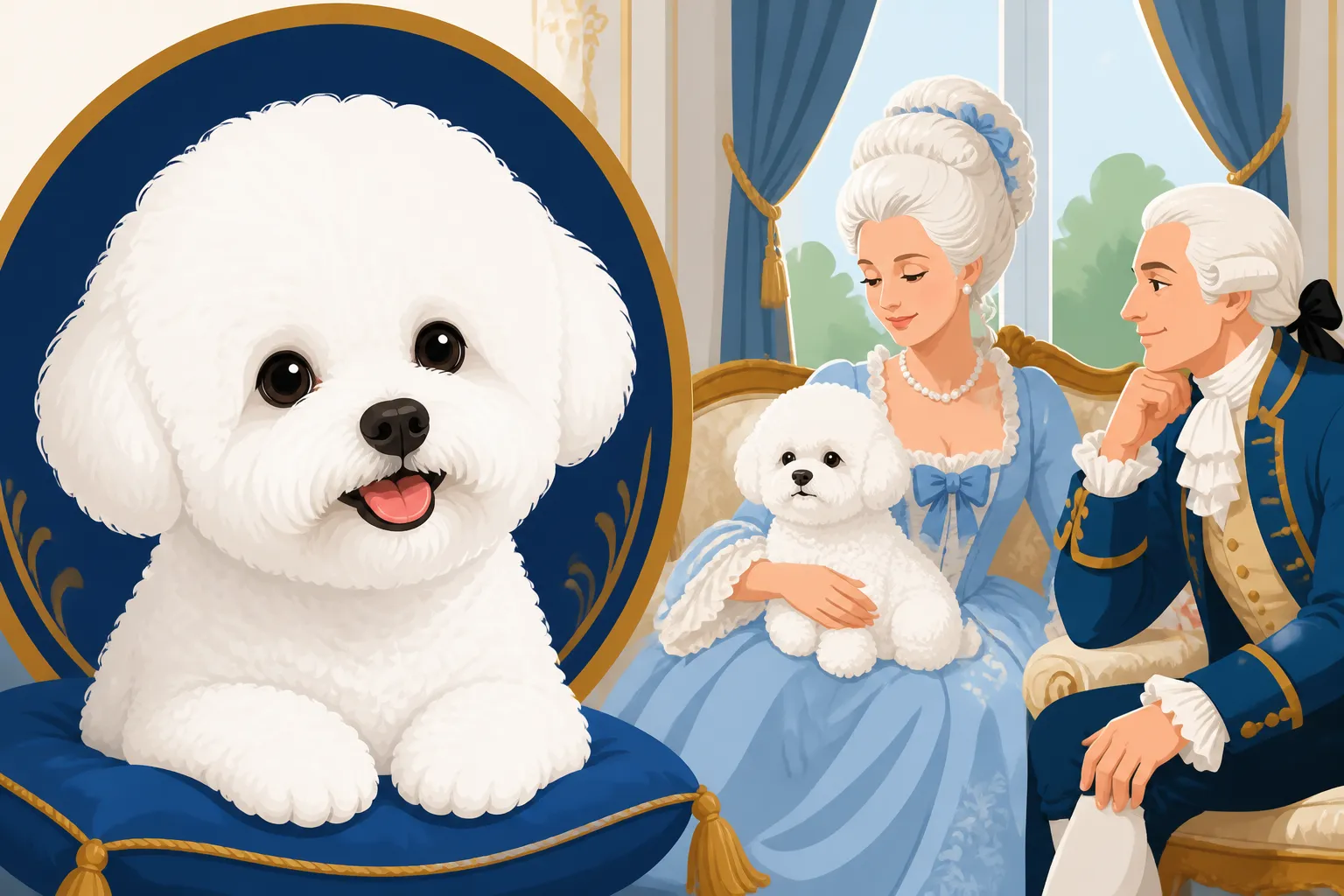
As trade routes flourished, so did the travels of these engaging little dogs. Italian sailors, particularly enamored with their playful nature and striking white coats, were instrumental in bringing them back to the European mainland. From the docks, it wasn't long before they caught the eye of the Italian nobility and wealthy merchants. Their pristine white coats, coupled with their bright eyes and lively demeanor, made them instantly fashionable. They were seen as symbols of purity and elegance, fitting perfectly into the opulent aesthetics of the Renaissance. This marked a significant turning point: the Bichon Frise began its transformation from a utilitarian ship dog to a pampered lapdog, appreciated for its beauty and charming personality rather than its ratting skills. Their ability to adapt to a life of leisure, showered with attention and affection, showcased their innate desire to bond deeply with their human counterparts, regardless of social standing.
The French Royal Favorite
The breed's journey upward continued, reaching its zenith in the French courts of the 16th century. King Henry III, a monarch known for his extravagant tastes, became particularly captivated by these fluffy white dogs. Legend has it he carried them everywhere in a basket, adorned with ribbons and perfume, essentially making them the ultimate royal accessory. This era solidified the Bichon Frise's reputation as a dog of luxury and leisure. They were no longer working dogs in any sense, but rather constant companions, offering comfort, amusement, and a touch of whimsical elegance to the lives of noble ladies and gentlemen. The expectation was simply to be present, charming, and utterly devoted. This period is a crucial part of understanding the modern Bichon's preference for indoor living and constant human interaction. Their entire existence revolved around their human family, shaping a breed that thrives on being included in every aspect of household life. The French Court That Made the Bichon Frise Fashionable
Life After the Revolution: The Bichon Frise's Street Smarts
The glamour of the royal courts, like all things, eventually faded. With the French Revolution, the lavish lives of the nobility, and consequently their beloved canine companions, were thrown into disarray. Many Bichon Frises found themselves without their aristocratic patrons, forced to adapt to a very different kind of existence. This period of their history speaks volumes about their inherent resilience, intelligence, and unwavering desire to connect with humans.
From Palace to Pavement: The Performer's Life
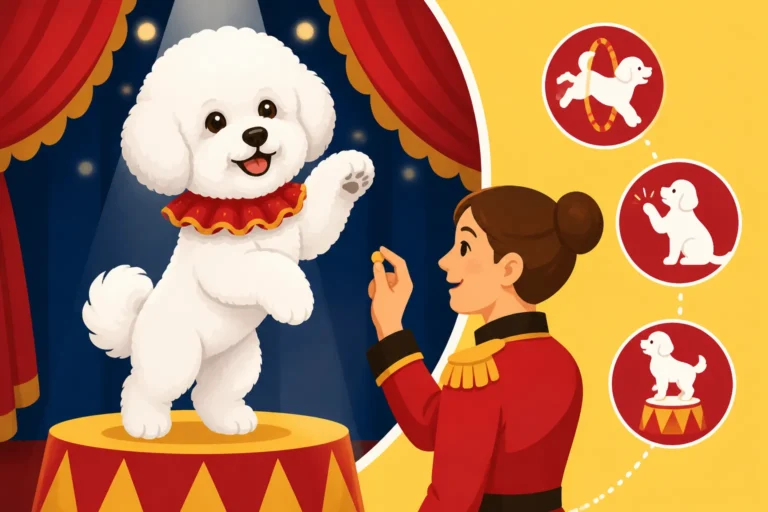
When the French aristocracy fell from grace, their beloved Bichons, once pampered and adored, often ended up on the streets. This was a harsh transition from silk cushions to cobblestones, but the breed's innate intelligence and charming disposition proved to be their salvation. They weren't built for hunting or guarding, but they possessed a lively spirit and a strong desire to please, making them natural entertainers. Street performers, recognizing their appeal and trainability, began to incorporate them into their acts. Imagine a small white dog, perhaps a bit scruffy but still with that sparkle in its eye, performing tricks for coins in a bustling marketplace. This period cemented their role as delightful companions who could genuinely lift spirits, proving their worth not through brute strength or guarding instincts, but through their ability to bring joy and laughter to ordinary people. The Bichon Frise Street Performing Years After the Revolution
The Circus Stage and Organ Grinders
The transition to street performing was only the beginning. The Bichon Frise's natural agility, intelligence, and showmanship quickly made them darlings of the burgeoning circus scene. They excelled at learning tricks, from balancing on balls to performing intricate dances, always with that characteristic merry twinkle. Often seen alongside organ grinders or in traveling circuses, these little dogs became symbols of simple joy and entertainment for the masses. This experience honed their social skills, making them incredibly tolerant of crowds and various environments, while reinforcing their love for being the center of attention. They learned to work closely with their human partners, demonstrating a strong bond and an eagerness to cooperate. This period highlights their robust temperament and ability to thrive even in demanding, transient situations, as long as they had their trusted human by their side. It's a far cry from a royal lapdog, but equally demonstrates their incredible versatility and charming nature.
The Breed's Resilience Through Hardship
The centuries after their royal heyday, particularly through the world wars, presented immense challenges for many dog breeds, including the Bichon Frise. Yet, they endured. Their ability to adapt, their relatively small size making them easier to keep, and their undeniable charm helped them survive these lean times. Breeders and enthusiasts worked tirelessly to preserve the breed, recognizing its unique qualities. This resilience underscores a fundamental aspect of the Bichon personality: they are survivors. They may look delicate, but beneath that fluffy exterior is a sturdy, determined spirit. They are not merely pretty faces; they are dogs with character, history, and a deep-seated will to thrive, often by bringing happiness to those around them. This enduring spirit makes them not just pets, but treasured members of any household willing to embrace their joyful nature.
The Modern Bichon Frise: A Companion, Not a Worker
Today, the Bichon Frise has largely settled into its role as a beloved household companion. Gone are the days of ratting on ships or performing for meager coins, and while they might still charm a crowd, their primary purpose is to bring joy and affection into their human families' lives. This shift has refined their traits, making them exceptionally well-suited for specific modern living arrangements.
The Rebirth of the Breed
Following the tumultuous periods, the 20th century saw dedicated efforts, particularly in France and Belgium, to standardize and re-establish the Bichon Frise. Enthusiasts recognized the breed's incredible potential as a companion dog, valuing its cheerful disposition, intelligence, and non-shedding coat. The focus of breeding shifted entirely towards perpetuating their signature merry temperament, their distinctive "powder puff" appearance, and their suitability as indoor pets. This dedicated work ensured the survival of the breed and solidified its identity as the joyful, affectionate dog we cherish today. They were no longer just survivors; they were purposefully bred to be the ultimate companion. This rebirth underscored the importance of their social nature and affirmed their place squarely within the home.
The Ideal Companion for Indoor Living
With their small size, moderate exercise needs, and non-shedding coats, Bichons are almost perfectly tailored for apartment living or homes with limited yard space. They thrive on being indoors, close to their families, participating in daily life rather than being relegated to outdoor runs. Their intelligent and curious nature means they enjoy mental stimulation through games and training, which can be easily provided indoors. Unlike breeds designed for extensive outdoor work, a Bichon Frise's fulfillment comes from interaction, cuddles, and being a central part of the household's activities. They are deeply sensitive to their environment and human moods, preferring a calm, consistent indoor routine over the unpredictable elements of a purely outdoor existence. Whether a Bichon Frise Suits an Apartment This makes them fantastic companions for urban dwellers or those who prefer indoor activities.
Suiting Various Family Dynamics
The Bichon Frise's adaptability, honed through centuries of varied roles, makes them suitable for a wide range of family dynamics. They often thrive with single individuals who can provide consistent attention and companionship, making excellent emotional support animals due to their affectionate nature. They can also integrate beautifully into bustling families with older, respectful children, provided they are properly socialized and interactions are supervised. Their gentle disposition generally allows them to coexist peacefully with other pets, especially if introduced thoughtfully. What they truly crave, regardless of family size, is inclusion and consistent human presence. They are not dogs to be left alone for extended periods; their social needs are paramount. A household where someone is frequently home, or where arrangements for their social needs are robust, is an ideal fit.
Temperament and Lifestyle Fit: What Makes a Bichon Thrive
The Bichon Frise's temperament is perhaps its most defining characteristic, making it incredibly appealing to certain households. They are often described as little bundles of joy, but like any breed, their personality comes with specific needs and considerations that prospective owners must understand.
The "Merry Temperament" Explained
The breed standard proudly describes the Bichon Frise as having a "merry temperament," and it's truly a hallmark of the breed. This isn't just a fancy phrase; it encapsulates their cheerful, outgoing, and playful nature. They tend to be incredibly happy dogs, eager to please and quick to greet everyone with a wagging tail and an infectious enthusiasm for life. This inherent joy makes them wonderful mood boosters in any home. They love to play games, engage in short bursts of "zoomies" (often called the "Bichon Blitz"), and are always ready for a cuddle. This merry disposition means they generally thrive in homes that can reciprocate their zest for life, offering plenty of positive interaction and play. They often form strong bonds with all family members, showering affection equally, making them true family dogs. The Merry Temperament the Bichon Frise Standard Demands This positive outlook is a huge part of their appeal, but it also means they need an environment that fosters that happiness.
Energy Levels and Exercise Needs for an Apartment Dweller
Despite their playful nature, Bichon Frises have moderate exercise requirements, making them exceptionally well-suited for apartment living. They don't need acres of land to run or hours of intense activity. A couple of brisk walks a day, perhaps 15-20 minutes each, combined with indoor playtime, is usually sufficient to keep them physically and mentally stimulated. They absolutely love to explore on their leash, taking in all the new smells and sights of the neighborhood. Indoor games like fetch, hide-and-seek, or even just chasing toys around the living room can burn off excess energy and provide vital mental engagement. It's important to remember that while they enjoy outdoor excursions, their true happiness comes from being with their people. A quick walk around the block is often more about spending time with their human than covering vast distances. This makes them ideal for individuals or families who prefer shorter, more frequent outings over long, strenuous hikes.
The Bichon Frise and Children: A Delicate Balance
The Bichon Frise can certainly thrive in homes with children, but it's crucial that interactions are managed carefully. Their small size makes them somewhat fragile, and rough handling, even unintentional, can cause injury. Therefore, a household with older, respectful children who understand how to interact gently with a small dog is generally a better fit than one with boisterous toddlers. Early socialization is key, teaching both the dog and the children how to behave appropriately around each other. Bichons are not known for aggression, but any dog can snap if startled or hurt, especially if they feel trapped. Teaching children to respect the dog's space, to not pull on ears or tails, and to understand body language is paramount. When raised together with care and supervision, a Bichon Frise can be a loyal and playful companion to children, often forming very strong, affectionate bonds. Whether a Bichon Frise Is Fragile Around Children
Grooming and Care Demands: A Commitment to the "Powder Puff"
One of the most defining characteristics of the Bichon Frise is its beautiful, distinctive coat. While often praised for being "hypoallergenic" and non-shedding, this coat comes with significant grooming demands that are absolutely non-negotiable for prospective owners. The type of household equipped to handle these demands is a crucial factor in successful Bichon ownership.
The Non-Shedding, High-Maintenance Coat
The Bichon Frise's double coat, consisting of a soft undercoat and coarser outer coat, is renowned for its low-shedding qualities, making it a popular choice for individuals with allergies. However, "low-shedding" does not mean "low-maintenance." Quite the opposite. Because the loose hair doesn't fall out, it gets trapped within the coat, leading to rapid matting if not meticulously cared for. This means daily brushing from the skin out, using a slicker brush and comb, is essential to prevent painful mats that can pull on their skin and lead to infections. The white coat also shows dirt easily, requiring regular bathing to maintain its pristine appearance. This isn't a wash-and-wear kind of dog; it's a coat that demands a significant time commitment. Owners must be prepared for this daily ritual, or the consequences for the dog's comfort and health can be severe.
The Time Investment in Keeping the Signature Look
Beyond daily brushing, the Bichon Frise requires professional grooming approximately every 4-6 weeks to maintain its iconic "powder puff" outline. This involves bathing, drying, trimming, and scissoring to achieve the breed's characteristic round head and fluffy body. Trying to skip or stretch these grooming appointments inevitably leads to a matted, uncomfortable dog that may eventually require a full shave-down, which dramatically alters their appearance and can even affect coat regrowth. The "powder puff" is a meticulously crafted look, not a natural state, and it requires skill and consistency to maintain. Households considering a Bichon must factor in both the financial cost and the time commitment for these regular salon visits. Many owners even learn basic maintenance grooming themselves to help bridge the gap between professional appointments, ensuring their dog remains comfortable and mat-free. The Six Week Bichon Frise Groom That Never Stops Finding a trusted groomer experienced with Bichons is key.
Health Considerations and Lifelong Care Commitments
While generally a healthy breed, Bichons are prone to certain health issues that require ongoing care and attention, impacting the type of household that can best provide for them. Dental disease is extremely common in small breeds, necessitating regular teeth brushing and professional cleanings. Allergies and skin sensitivities can also be prevalent, often requiring special diets, medicated shampoos, or prescription medications. Additionally, they are known for luxating patellas (slipping kneecaps) and a predisposition to bladder stones, particularly calcium oxalates. Managing these conditions often involves specialized veterinary care, prescription diets (like those available from trusted online retailers such as Chewy, which can help ensure you always have the right food delivered), and potentially ongoing medication or even surgery. These health considerations mean a Bichon Frise owner must be prepared for potential vet bills and a commitment to preventive care throughout the dog's 14-15 year lifespan. It's a significant investment, both emotionally and financially, to ensure their long-term well-being.
Debunking Myths: What a Bichon Frise Is Not Bred For
There are many misconceptions about small dog breeds, and the Bichon Frise is no exception. While their delightful appearance and affectionate nature are undeniable, it's crucial for prospective owners to understand what the breed is not designed for, to avoid misunderstandings and ensure a good match.
Not a "Low-Maintenance" Breed
One of the biggest myths surrounding small dogs, and Bichons in particular, is that they are "low-maintenance." This couldn't be further from the truth. While their small stature might suggest less work than a giant breed, their unique needs often make them more demanding in specific areas. Their grooming requirements, as discussed, are extensive and non-negotiable. Furthermore, they are highly social dogs who crave companionship and can develop separation anxiety if left alone for too long. This means a low-maintenance lifestyle of minimal interaction or infrequent grooming is completely unsuitable for a Bichon Frise. They need consistent care, mental stimulation, and a significant investment of time from their human companions. A household that truly values a hands-on approach to pet ownership, and is ready for the commitment involved, is the ideal environment for this breed.
Beyond Just a "Lap Dog"
While a Bichon Frise certainly enjoys a good cuddle session and will happily settle on a lap, describing them as just a "lap dog" is an oversimplification that can lead to an underserved pet. These are intelligent, active little dogs with a history of being both clever performers and adaptable companions. They need more than just a warm lap; they require mental stimulation, daily walks, and opportunities to play and explore. If their physical and mental needs are not met, they can become bored, which might manifest as excessive barking, destructive chewing, or even house-soiling. They thrive on routine, short training sessions, and interactive toys. A household that views a dog as an active participant in daily life, rather than just a decorative accessory, will find a Bichon Frise to be a far more rewarding companion. Provide them with puzzles or engaging toys, perhaps sourced from a variety available on Chewy, to keep their sharp minds occupied.
The Importance of Mental Stimulation
Given their intelligence and historical roles as performers, Bichon Frises thrive on mental stimulation. They are quick learners and love to engage in training, whether it's basic obedience, learning fun tricks, or even participating in canine sports like agility or rally. Without adequate mental engagement, a Bichon can easily become bored or develop behavioral issues. Simply providing food and a bed isn't enough for these bright dogs. They need puzzle toys, regular training sessions that challenge their minds, and opportunities for novel experiences, like visiting new parks or meeting new people (when appropriate). A household that embraces positive reinforcement training and enjoys teaching their dog new things will find a Bichon Frise to be an eager and capable student. This mental engagement is just as important as physical exercise for their overall well-being and happiness.
Is a Bichon Frise the Right Fit for Your Home?
Deciding if a Bichon Frise is the right addition to your family means taking an honest look at your lifestyle, resources, and expectations. While undeniably charming, they thrive best in specific environments.
Considerations for First-Time Owners
A Bichon Frise can be an excellent choice for a first-time dog owner, provided they are willing to put in the effort required. Their eager-to-please nature and intelligence make them relatively easy to train, though housetraining can sometimes be a challenge due to their small bladders and potential sensitivity to weather. Why a Bichon Frise Is Famously Hard to Housetrain First-time owners must be prepared for the significant grooming commitment, the need for consistent training, and the importance of early socialization. It's not a "set it and forget it" breed. However, for those who are dedicated to learning and investing their time, the Bichon Frise offers a rewarding introduction to dog ownership with an incredibly affectionate and joyful companion. Access to good resources, perhaps online communities or pet supply sites like Chewy that offer helpful guides, can make the journey smoother for new owners.
Compatibility with Other Pets
Generally, Bichon Frises are known for their amiable nature and can coexist peacefully with other pets, including cats and other dogs. Their playful spirit means they often enjoy having another canine companion, especially if introduced thoughtfully. When bringing a Bichon into a multi-pet household, it's crucial to manage initial introductions carefully, allowing all animals to acclimate to each other's presence at their own pace. Their small size means they might be intimidated by very large, boisterous breeds, so supervision is always recommended. However, their inherent sociability means they rarely seek conflict and are usually happy to be part of a larger animal family, contributing their merry temperament to the overall household harmony.
The Joys of Bichon Frise Ownership
For the right household, owning a Bichon Frise is an incredibly joyful and enriching experience. They are intensely loyal, endlessly affectionate, and possess a unique ability to brighten even the gloomiest of days with their cheerful antics. They thrive on being involved in family life, whether it's snuggling on the couch, going for a walk, or simply observing the daily hustle and bustle from a comfy spot. Their expressive eyes and happy-go-lucky attitude make them constant sources of amusement and comfort. The bond formed with a Bichon Frise is deep and enduring, offering years of unconditional love and companionship. If you're looking for a devoted, lively, and charming companion who will become an integral part of your family, and you're prepared for the commitment of their unique care needs, then the Bichon Frise might just be the perfect match for your home.
Here's a quick overview of what makes a household suitable or less suitable for a Bichon Frise:
| Characteristic | Suitable Household | Less Suitable Household |
|---|---|---|
| Grooming Commitment | Daily brushing, regular professional grooming (every 4-6 weeks), budget for grooming costs. | Infrequent brushing, reluctance to visit a professional groomer. |
| Human Interaction | Someone often home, enjoys daily interaction and play, desires a "velcro" dog. | Long hours away, expects dog to be independent, minimal daily interaction. |
| Living Space | Apartment or small home with access to short, frequent walks. | Large outdoor property but dog is mainly kept outside, minimal indoor access. |
| Patience for Training | Prepared for consistent housetraining (especially for puppies), enjoys teaching tricks and basic obedience. | Expects immediate results, uses punishment-based methods, easily frustrated by accidents. |
| Understanding Needs | Recognizes fragility, ensures children are gentle, prepared for potential health costs and lifelong care. | Believes small dogs are indestructible, allows rough play, unprepared for vet expenses. |
| Financial Preparedness | Budgets for high-quality food, vet care (including potential specialized diets like those for stones), and grooming. | Seeks cheapest options, unwilling to invest in breed-specific needs. |
This article is for general informational purposes only and does not constitute professional advice. Laws, prices and regulations vary by location and change over time. Consult a qualified professional for guidance on your specific situation.