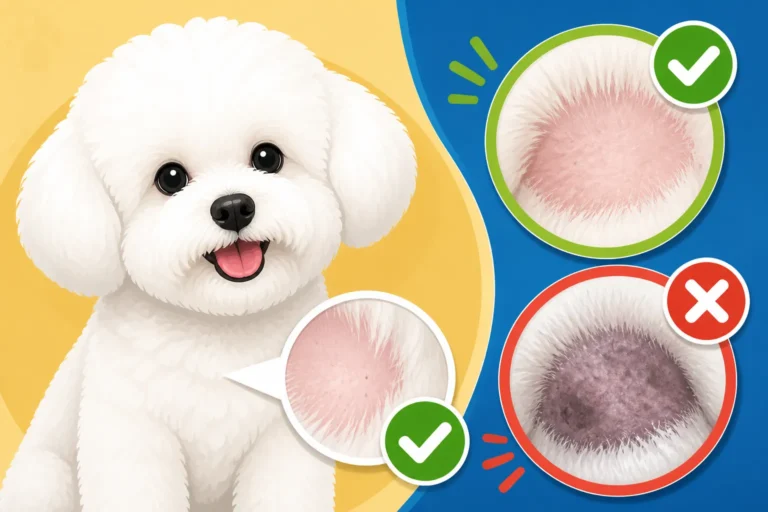
The Bichon Frise Against a Havanese
Choosing a new furry family member is such an exciting journey, but it can also be incredibly overwhelming when you’re trying to decide between breeds that seem so similar at first glance. If you’ve found yourself staring at pictures of a Bichon Frise and a Havanese, wondering what makes each one tick and which might be the better fit for your home, you're definitely not alone. This comprehensive guide is here to unravel the charming differences and surprising similarities between these two delightful, fluffy companions, helping you make an informed decision that brings years of joy.
A Tale of Two Islands: Understanding Their Origins
It’s easy to look at a Bichon Frise and a Havanese and assume they’re practically cousins, especially with their undeniable charm and fluffy white coats (at least, often white for the Bichon!). But while they do share some distant ancestry as part of the "Barbichon" family of dogs, their individual histories took quite different paths, deeply influencing the characteristics we see in them today. Understanding where they came from gives us a fascinating glimpse into why they are the way they are.
The European Roots of the Bichon Frise
The Bichon Frise, often associated with its buoyant, cheerful disposition, traces its lineage back to the Mediterranean. Its ancestors were water spaniels and poodles, and over centuries, they evolved into the small, cheerful companions favored by sailors. These little dogs would travel the seas, eventually landing on various islands and European ports. In fact, the breed gets part of its identity from a particular place: The Canary Island the Bichon Frise Is Named After. They were particularly beloved in France and Italy, becoming darlings of the nobility and even featuring in royal courts. This era cemented their role as lapdogs and entertainers, prized for their beauty and amiable nature.
Their history as pampered companions meant they were bred for looks and a pleasing temperament. They learned to adapt to life indoors, being doted upon and expected to charmingly engage with their human counterparts. This long history of close human interaction has ingrained a desire for companionship and a cheerful, adaptable spirit into the breed's very essence. While they might have faced a period of performing on the streets after the French Revolution, their fundamental role as joyful companions remained.
The Cuban Heritage of the Havanese
In contrast, the Havanese, Cuba’s national dog, has a distinct island story. Its ancestors were also small Bichon-type dogs brought to Cuba by Spanish colonists. Over generations, isolated on the island, these dogs evolved, adapting to the tropical climate and developing unique traits. They mingled with other small European dogs brought by settlers, creating a truly unique Cuban breed. Their development was less about royal courts and more about being the beloved companion of Cuban families, from aristocrats to everyday folk.
This unique evolution in Cuba fostered a resilient, intelligent, and highly social dog. They were often kept as watchdogs and family pets, developing a keen intelligence and a desire to be involved in all family activities. Their playful and often mischievous nature is a testament to their spirited Cuban background. While they also share the "Bichon" type, their journey through the Caribbean has given them a distinctive personality and appearance, making them quite different from their European cousins. It’s a common question, Whether the Havanese Is a Bichon Frise With Color, but their differences run deeper than just coat shades.
More Than Just Fluffy White Dogs: Appearance and Physical Traits
At first glance, both the Bichon Frise and the Havanese are small, fluffy dogs with adorable button eyes and wagging tails. They certainly share that "cute factor" that makes them so irresistible. However, if you look closely, you'll start to notice some distinct differences in their coats, colors, body structures, and overall presentation. These distinctions aren't just cosmetic; they often dictate their grooming needs and even hint at their activity levels.
Coat, Color, and Grooming Needs
The most iconic feature of the Bichon Frise is undeniably its pure white, double coat. This coat is soft, curly, and resembles a powder puff when properly groomed. The breed standard emphasizes a pristine white appearance, though puppies can sometimes have faint apricot or cream markings that typically fade with age. This glorious white coat, while stunning, is also a magnet for dirt and tear stains, requiring diligent upkeep. The Powder Puff Outline the Bichon Frise Standard Describes isn't just a casual look; it's a carefully sculpted style that demands regular brushing and professional grooming every few weeks to prevent matting and maintain that characteristic rounded appearance. Many owners often find themselves stocking up on shampoos and conditioners from online retailers like Chewy to keep their Bichon looking its best.
The Havanese, on the other hand, boasts a truly striking variety of coat colors and patterns. While many are white, you'll find Havanese in shades of black, brown, cream, red, silver, blue, and various combinations, often with parti-color or tricolor markings. Their coat is typically softer, silkier, and wavier than the Bichon's, often described as having a "cashmere" feel. It's a single coat, long and flowing, which can cord naturally if desired, though most pet owners prefer to keep it brushed out. While the Havanese also has a non-shedding coat, making them a good choice for those with allergies, its length and texture demand a different kind of grooming commitment than the Bichon Frise.
Here's a quick comparison of their coat characteristics:
| Feature | Bichon Frise | Havanese |
|---|---|---|
| Coat Type | Double coat, soft and curly | Single coat, soft, silky, wavy |
| Primary Color | Pure white (puppies may have faint markings) | Wide variety: white, black, brown, cream, red, blue, silver, parti, tri |
| Shedding | Minimal/Non-shedding | Minimal/Non-shedding |
| Texture | Powder-puff, dense, springs back | Flowing, often described as cashmere-like |
| Grooming Style | Rounded, "powder puff" look | Long, flowing, can be corded or trimmed |
Size, Build, and Overall Demeanor
When it comes to size, both breeds fall firmly into the toy group, making them ideal companions for apartment living or homes with limited space. However, there are subtle differences in their build and stature. A typical Bichon Frise will stand around 9-12 inches tall at the shoulder and weigh between 12-18 pounds. They tend to have a more compact, sturdy build, with a well-rounded chest and a tail that curves gracefully over their back. Their overall appearance is one of robustness wrapped in fluff, giving them a cheerful, almost clown-like air.
The Havanese is generally a bit smaller and lighter boned, typically standing between 8.5-11.5 inches tall and weighing 7-13 pounds. They possess a slightly longer body proportion compared to the Bichon, and their gait is often described as lively and springy. Their tails also curl over their backs, but their overall impression can be a touch more delicate and elegant, with their flowing coat often accentuating their movement. These slight variations in build mean that while both are small, their presence and physical capabilities can differ subtly. A Havanese might be more agile for certain activities, while a Bichon's sturdier frame might handle a bit more rough-and-tumble play.
Personality Plus: Temperament and Compatibility
Beyond their adorable exteriors, the heart of choosing between a Bichon Frise and a Havanese lies in their unique personalities. Both are incredibly loving and intelligent breeds, deeply devoted to their families. However, their temperaments, while both charming, express themselves in distinct ways that can significantly impact their fit within different households. It's essential to look beyond the cute pictures and consider how their inherent characteristics align with your lifestyle.
The Zest for Life: Bichon Frise Charm
The Bichon Frise is often described as a "merry" dog, and for good reason. They exude an undeniable zest for life, characterized by a perpetually cheerful disposition and an eagerness to please. The Merry Temperament the Bichon Frise Standard Demands is not just a suggestion; it's a hallmark of the breed. Bichons thrive on attention and being part of the family action, often displaying a playful, almost mischievous side. They are known for their bursts of energy, often called the "Bichon Blitz," where they race around the house at top speed before collapsing into a fluffy heap. The Bichon Blitz and What It Means is a common, endearing trait that delights many owners.
They are generally very outgoing, friendly with strangers, and get along well with other pets, making them fantastic companions for many families. However, this deep attachment to their humans can sometimes translate into a predisposition for separation anxiety if left alone for extended periods. They want to be with you, joining in on every couch cuddle or kitchen adventure. Their intelligence makes them eager to learn, though their playful nature sometimes means they approach training with a sense of humor. They are often good with respectful children, but given their small size, it's wise to consider Whether a Bichon Frise Is Safe With Toddlers and supervise interactions.
The Lively Companion: Havanese Playfulness
The Havanese shares the Bichon's love for companionship but often displays it with a slightly more animated and perhaps a touch more vocal flair. Havanese are known for being incredibly intelligent, highly trainable, and wonderfully expressive. They are often described as having a comedic streak, eager to entertain their families with their antics. While they love to cuddle and be close, they also possess a lively curiosity and a desire to explore, often exhibiting a bit more independent spirit than the more people-focused Bichon.
They are incredibly adaptable and can thrive in various environments, from bustling city apartments to quiet suburban homes, as long as they get sufficient mental and physical stimulation. Havanese are typically friendly and outgoing, enjoying meeting new people and other animals. Their intelligence means they pick up commands quickly, and many excel in dog sports like agility. However, their intelligence also means they need engagement; a bored Havanese can become a mischievous Havanese. They are excellent family dogs, forming strong bonds with all members, and their playful nature makes them great companions for older children. They might be a bit more vocal than Bichons, often using barks to express excitement or alert their owners.
Keeping Them Healthy: Common Health Considerations
No matter how adorable a breed is, responsible ownership always involves understanding their potential health challenges. Both Bichon Frises and Havanese are generally healthy breeds with average lifespans of 14-15 years, but like all purebreds, they are prone to certain genetic conditions. Being aware of these can help you choose a reputable breeder and be proactive with preventative care, ensuring your beloved companion lives a long, happy life.
Shared Vulnerabilities and Distinctive Concerns
Both Bichons and Havanese share some common vulnerabilities typical of small breeds. Patellar luxation, or "slipping kneecaps," is a concern for both breeds, leading to lameness or discomfort. Slipping Kneecaps in a Bichon Frise is a condition that warrants careful screening in breeding dogs. Eye conditions can also affect both breeds, including cataracts and progressive retinal atrophy, making regular eye exams important. For Bichons, specifically, conditions like The Eyes a Bichon Frise Inherits might include issues like cataracts appearing earlier in life. Dental disease is also a significant concern across small breeds due to their crowded mouths, emphasizing the need for daily tooth brushing and professional cleanings.
However, each breed also has its distinctive health concerns. Bichon Frises are famously predisposed to bladder stones, particularly calcium oxalate stones. Why a Bichon Frise Forms Stones Twenty Times as Often is a complex issue related to genetics and metabolism, requiring lifelong dietary management and regular monitoring for affected dogs. Allergies and skin issues are also prevalent in Bichons, often manifesting as itchy skin, ear infections, or paw licking. For Havanese, while generally robust, concerns can include chondrodysplasia (a form of dwarfism affecting bone and cartilage development), liver shunts, and heart murmurs. Reputable breeders for both breeds will perform health screenings on their breeding stock to minimize the risk of passing on these genetic conditions.
Lifespan and Senior Care
Both breeds boast impressive lifespans, often living into their mid-teens, which means a significant long-term commitment. The Fourteen to Fifteen Years a Bichon Frise Lives is a testament to their overall hardiness when properly cared for. As they age, both Bichons and Havanese will experience changes that require adjustments to their care. Arthritis can become an issue, necessitating softer bedding, ramps to furniture, and potentially joint supplements. Cognitive decline, common in many senior dogs, might manifest as confusion or changes in sleep patterns.
For senior Bichons, continued vigilance for bladder stones and management of any ongoing skin allergies remains crucial. For senior Havanese, monitoring for heart conditions or other age-related illnesses becomes a priority. Regular veterinary check-ups are paramount for both breeds in their golden years, allowing for early detection and management of age-related ailments. Owners might need to consider more frequent grooming for comfort if mobility becomes an issue, and adjustments to their diet or exercise routine will also be necessary to maintain their quality of life. Access to specific senior dog foods or supplements can be easily managed through online pet supply stores like Chewy.
Daily Living: Grooming, Training, and Lifestyle Fit
Understanding the daily demands of living with a Bichon Frise or a Havanese is key to a harmonious relationship. While both are relatively small and adaptable, their distinct needs in grooming, training, and overall lifestyle can significantly influence which breed will seamlessly integrate into your home. It’s not just about what they look like, but how they fit into your everyday rhythm.
The Non-Shedding Dilemma: Managing Their Coats
One of the most attractive features for many prospective owners of both Bichons and Havanese is their reputation as "non-shedding" or "hypoallergenic" breeds. While no dog is truly 100% hypoallergenic, these breeds produce less dander and shed minimally, making them a better choice for individuals with allergies. However, this low-shedding quality comes with a trade-off: intensive grooming. Dead hair doesn't fall out; instead, it gets trapped in their coat, leading to mats and tangles if not regularly brushed out.
For the Bichon Frise, daily brushing is essential to prevent matting, especially with their dense, curly double coat. Professional grooming every 4-6 weeks is practically a necessity to maintain their iconic powder puff look and keep their coat healthy and tangle-free. This involves bathing, drying, and extensive scissoring. How Often a Bichon Frise Needs Grooming is a question with a clear, high-frequency answer. Owners often learn basic maintenance like eye wiping and face trimming between professional visits.
The Havanese, with its long, silky single coat, also requires daily brushing to prevent mats, particularly in areas prone to friction like behind the ears or under the legs. While some owners keep the Havanese in a full, flowing coat, many opt for a "puppy cut" or shorter trim for easier maintenance, especially for active dogs. Professional grooming every 6-8 weeks is usually sufficient for a trimmed Havanese. Regardless of style, both breeds demand a commitment to regular, consistent grooming, which means investing in good quality brushes, combs, and perhaps even a high-velocity dryer, all readily available through retailers like Chewy.
Training Philosophies and Housetraining Realities
Both Bichon Frises and Havanese are intelligent dogs, eager to please, and respond well to positive reinforcement training. However, their small bladders and sometimes stubborn streaks can make housetraining a challenge. It's not uncommon for owners to express frustration with the process, which is why topics like Why a Bichon Frise Is Famously Hard to Housetrain resonate with many. Consistency, patience, and frequent potty breaks are absolute musts for both breeds. Crate training can be very effective, helping with both housetraining and providing a safe den.
Bichons are generally eager students, motivated by praise and treats. They enjoy learning tricks and excel in obedience. However, their sensitive nature means harsh corrections are counterproductive and can lead to fear or anxiety. Havanese are equally intelligent and love to learn, often having a slightly more mischievous side that makes training fun but also means they might try to outsmart you! They thrive on variety and mental stimulation, making them excellent candidates for advanced obedience, rally, or even therapy work. Both breeds need early socialization to ensure they grow into well-adjusted adults, comfortable with new people, places, and experiences. Puppy classes are highly recommended to establish good habits and build confidence.
Making the Right Choice: Which Breed for Your Home?
Deciding between a Bichon Frise and a Havanese isn't about choosing a "better" dog; it's about finding the right dog for your unique circumstances. Both are wonderful, loving companions, but their subtle differences in temperament, grooming needs, and potential health considerations can make one a more harmonious fit for your lifestyle than the other. Taking an honest look at your daily routine, living situation, and expectations will guide you to your perfect fluffy match.
Considering Your Lifestyle and Family Dynamic
If you're looking for a consistently cheerful, outgoing, and slightly sturdier little dog that thrives on being the center of attention and loves to cuddle on the couch, a Bichon Frise might be your ideal companion. They are generally adaptable to various living situations, including apartments, as long as they receive their daily walks and playtime. They do best in homes where someone is usually around, as their strong desire for companionship can lead to separation anxiety if left alone for long hours. They can be excellent with children who understand how to interact gently with small dogs, making Whether a Bichon Frise Suits a Family With Young Children a key consideration.
The Havanese, with its slightly more independent yet equally loving nature, might be a better choice if you appreciate a dog with a bit more comedic flair, a touch more vocalness, and a breed that enjoys both cuddles and exploring its surroundings. They are very adaptable and can handle being alone for moderate periods once properly adjusted, especially if they have plenty of toys and mental enrichment. Their intelligence and agility make them fantastic for active families who might enjoy engaging in dog sports or longer walks. They typically get along famously with children and other pets, blending well into a bustling household.
Long-Term Commitment and Ownership Expectations
No matter which breed captures your heart, bringing a Bichon Frise or a Havanese into your life is a significant long-term commitment. Both breeds require consistent care, including high-quality food (which you can easily source from places like Chewy), regular veterinary check-ups, and dedicated grooming. Their lifespans mean you're committing to 14-15 years of love, companionship, and responsibility.
Consider the financial aspects, including potential vet bills, especially for breeds prone to certain conditions like Bichons with their bladder stones or allergies. Budgeting for professional grooming is also crucial, as their coats demand expert care. Ultimately, both breeds offer immense joy and unwavering affection. By carefully weighing their unique histories, appearances, temperaments, and daily needs, you can choose the fluffy companion that will enrich your life in the most meaningful way.
Disclaimer
This article is for general informational purposes only and does not constitute professional advice. Laws, prices and regulations vary by location and change over time. Consult a qualified professional for guidance on your specific situation.