The Age a Bichon Frise Forms Its First Stone
One of the most concerning health issues for Bichon Frise parents is the notorious predisposition to bladder stones. The worry often starts early, with many wondering at what age their fluffy companion might first develop these painful formations, and whether it's something they need to actively screen for from puppyhood. This guide aims to shed light on the typical age of first stone formation, what factors can influence it, and what you can do to stay ahead of this common challenge.
Understanding the Bichon Frise's Stone Predisposition
It’s a heartbreaking reality that our beloved Bichons are disproportionately affected by bladder stones compared to many other breeds. If you’ve heard this before, you’re not alone in feeling a pang of worry every time your little one squats to pee. This isn't just bad luck; there are distinct reasons why these charming dogs seem to draw the short straw when it comes to urinary health.
The Genetic Predisposition
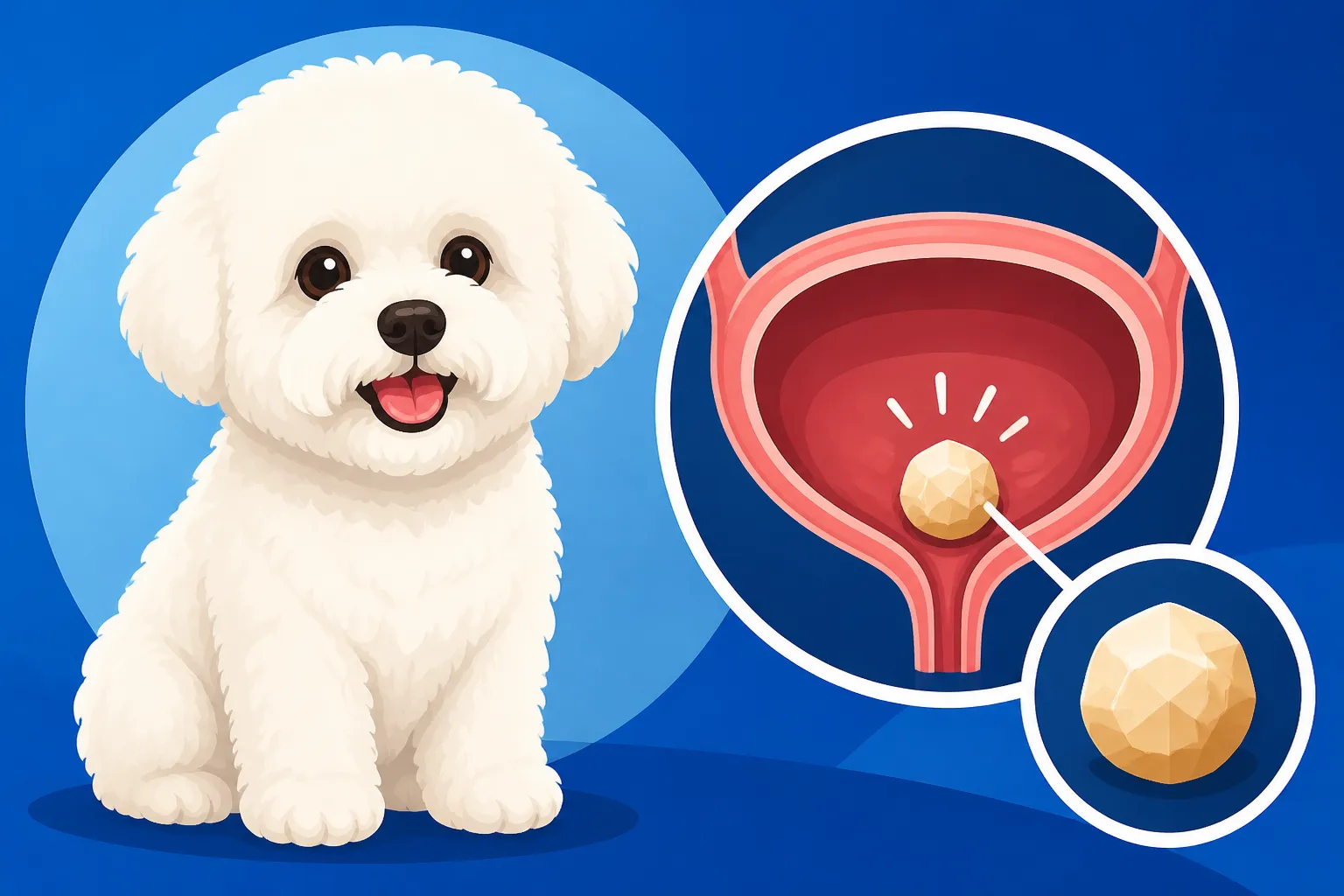
The truth is, Bichon Frises have a genetic component that makes them particularly susceptible to forming bladder stones, specifically calcium oxalate stones. It's not a guarantee, of course, but the risk is significantly higher than in many other breeds. This predisposition is thought to be tied to how their bodies metabolize certain substances, leading to an imbalance in their urine that encourages crystal formation. When crystals build up, they clump together, eventually forming stones that can range from tiny grains of sand to pebble-sized rocks, causing immense discomfort and severe health risks.
This genetic factor means that even with the best care, some Bichons are simply more prone. It's why many dedicated breeders strive to track health history within their lines, though it can be a complex issue to breed away from entirely. Understanding this inherent vulnerability helps you approach prevention and early detection with the seriousness it deserves, rather than feeling like you've done something wrong if a stone develops. This inherited risk highlights why it's so important to be proactive rather than reactive with their urinary health, as discussed in detail in our article on Whether a Bichon Frise's Stone Risk Is Inherited.
The Calcium Oxalate Conundrum
When we talk about Bichon Frise bladder stones, we're almost always talking about calcium oxalate stones. These are the most common type found in the breed, accounting for a significant majority of cases. Unlike some other stone types, like struvite stones, calcium oxalate stones cannot be dissolved with dietary changes alone. This is a crucial distinction because it means that once they form, surgical intervention is often necessary, making prevention even more vital.
Calcium oxalate crystals form in acidic urine that is highly concentrated and rich in calcium and oxalates. The Bichon's unique metabolism often produces these conditions, creating a perfect storm for stone development. This is why even a small increase in calcium or oxalate in their diet, or a slight decrease in water intake, can tip the scales. Knowing What a Calcium Oxalate Stone Is in a Bichon Frise is the first step in understanding why vigilance is key to managing this breed-specific challenge.
Typical Age of First Stone Formation
It's common for Bichon Frise owners to wonder if they'll see their dog develop stones as a puppy, or if it's an issue that surfaces later in life. While individual experiences vary widely, there's a general timeframe when these unwelcome guests tend to make their first appearance.
Average Onset Age
Based on veterinary data and widespread experience, Bichon Frises typically form their first bladder stone between the ages of 3 and 7 years old. This is often when many owners start noticing the subtle, or sometimes not-so-subtle, signs that something is amiss with their dog's urinary health. It's a period when their systems have matured, and any underlying genetic predispositions, combined with long-term dietary or hydration habits, begin to manifest.
However, it's really important to remember that this is an average. Some Bichons might sail past this age without ever experiencing a stone, while others, unfortunately, can develop them much earlier. This average serves as a reminder to be particularly vigilant during these middle years, ensuring regular check-ups and paying close attention to any changes in your dog's urination patterns or behavior.
Individual Variation and Early Cases
While the 3-7 year window is common, it's not set in stone (pun intended!). Some Bichons can present with their first calcium oxalate stone as young as one or two years of age. These early cases can be particularly distressing for owners, who may feel caught off guard that such a young dog is already facing such a significant health challenge. These instances often point to a stronger genetic predisposition or perhaps a combination of genetic factors and environmental triggers that accelerated stone formation.
Conversely, some Bichons might not develop stones until much later in life, well into their senior years. This individual variation means that while the average age provides a guideline for vigilance, you can never truly let your guard down entirely throughout your Bichon's life. Factors like diet, water intake, and general urinary health play a significant role in influencing whether a stone develops earlier or later, or even if it develops at all. This wide range emphasizes that Whether Every Bichon Frise Gets Bladder Stones is not a certainty, but a high-risk possibility that requires ongoing awareness.
Factors Influencing Early Stone Development
While genetics play a huge role, they're not the only piece of the puzzle. There are several other factors that can significantly influence when, or even if, your Bichon Frise develops its first bladder stone. Understanding these can empower you to take proactive steps, potentially delaying onset or even preventing stones altogether.
Dietary Habits and Water Intake
What goes into your Bichon's bowl and how much water they drink are absolutely critical. A diet that is high in oxalates (found in foods like spinach, sweet potatoes, and some grains) or excessively high in calcium can contribute to crystal formation. Additionally, highly processed dry kibble that doesn't encourage sufficient water intake can lead to concentrated urine, which is a prime environment for stones.
Imagine their tiny bladder as a small pool. If the water level is consistently low and the water is full of minerals, those minerals will settle and clump. If the water level is always high and fresh, it washes everything away. That's a simplified way to think about it! Ensuring your Bichon is on The Diet a Bichon Frise Stays On for Life if they're prone to stones, or even as a preventative measure, can make a world of difference. Furthermore, actively encouraging them to drink more water is paramount, as Whether Water Intake Changes a Bichon Frise's Risk is a resounding yes. Water dilutes the urine, reducing the concentration of stone-forming minerals.
Lifestyle and Urinary Health
A sedentary lifestyle or infrequent urination can also indirectly contribute to stone formation. When a dog holds its urine for extended periods, the urine becomes more concentrated, giving crystals more time to settle and aggregate. This isn't just about housetraining; it's about making sure your Bichon has ample opportunities to relieve themselves throughout the day. Frequent potty breaks help flush out the urinary tract, preventing the buildup of crystals.
Chronic urinary tract infections (UTIs) can sometimes be associated with stone formation, although calcium oxalate stones are less commonly linked directly to bacterial infections than struvite stones. However, any irritation or inflammation in the urinary tract can create an environment where crystals are more likely to form or grow. Regular walks and consistent potty breaks are simple yet effective ways to support overall urinary health.
Gender and Neutering Status
Interestingly, gender can play a role in the manifestation and severity of stone disease. Male Bichon Frises, due to their narrower and longer urethra, are at a higher risk of becoming blocked by a stone. A blocked urethra is a life-threatening emergency, as the dog cannot pass urine, leading to a toxic buildup in their system. While both sexes can form stones, the consequence of a small stone can be far more dire for a male. This is why vigilance is extra critical for boy Bichons.
Neutering status doesn't directly cause calcium oxalate stones, but it's a common factor in many canine health discussions. There's no strong evidence to suggest that neutering itself increases or decreases the risk of calcium oxalate stones. However, the age at which a dog is neutered can sometimes influence overall urinary tract development, though this link is more often discussed in relation to conditions like urinary incontinence, rather than stone formation directly.
Recognizing the Early Signs of Bladder Stones
Catching bladder stones early can make a huge difference in your Bichon Frise's comfort and treatment options. Unfortunately, our furry friends can't tell us directly when something is wrong, so it's up to us to be observant and recognize the subtle clues they provide. Don't dismiss minor changes; they could be a silent plea for help.
Subtle Behavioral Changes
Sometimes, the first signs of bladder stones aren't about urination at all. You might notice your usually playful Bichon seems a bit more lethargic, less interested in walks or toys, or perhaps a little grumpier than usual. Pain or discomfort from stones can manifest as a general malaise. They might not want you to touch their belly area, or they might seem restless, constantly shifting positions but never getting comfortable.
They may also start to lick their genital area more frequently than usual. This is their way of trying to soothe an irritation or pain they're experiencing. If your Bichon is suddenly licking themselves excessively, especially after urinating or throughout the day, it's a red flag that warrants investigation. These The First Signs a Bichon Frise Has Stones can be easy to miss, but for a vigilant owner, they provide critical early warnings.
Urinary Symptoms to Watch For
The more obvious signs of bladder stones involve changes in urination. This is where your observation skills really come into play. Keep an eye out for:
- Frequent Urination (Pollakiuria): Your Bichon might need to go outside much more often than usual, often producing only small amounts of urine each time. It's like they constantly feel the urge to go.
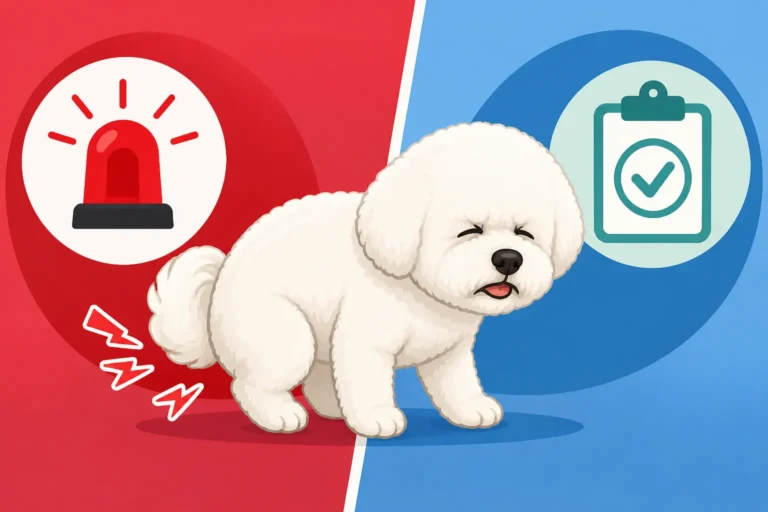
- Straining to Urinate (Stranguria): This is a huge red flag. If your Bichon is squatting or lifting a leg, and little to no urine comes out, or they appear to be struggling, it’s a strong indicator of discomfort or obstruction.
- Blood in the Urine (Hematuria): You might notice pink, red, or even brownish tinges in their urine. This is caused by the stones irritating and scraping the lining of the bladder and urethra, leading to bleeding.
- Urination in Inappropriate Places: A previously perfectly housetrained Bichon suddenly having accidents indoors can be a sign of urinary discomfort or urgency. They might not be able to hold it or might associate going outside with pain.
- Painful Urination (Dysuria): Your dog might cry out, whimper, or show signs of pain (like hunching their back) while trying to urinate.
Any of these signs, especially straining, are causes for immediate concern. Whether a Straining Bichon Frise Is an Emergency is almost always a yes, as it could indicate a dangerous blockage. Don't wait; contact your vet right away if you observe any of these symptoms.
Preventative Measures and Early Detection
Given the Bichon Frise's heightened risk, proactive prevention and vigilant early detection are your best weapons against bladder stones. It's not about being paranoid, but about being a responsible and informed pet parent.
The Role of Diet and Hydration
Diet is perhaps the most powerful tool in your preventative arsenal. For Bichons, especially those with a history of stones or a strong family history, a prescription urinary diet specifically formulated to prevent calcium oxalate stones is often recommended. These diets, such as those from Royal Canin Urinary SO or Hill's Prescription Diet c/d Multicare, are typically lower in calcium and oxalates, and are designed to promote a less acidic, more dilute urine. Remember, these are prescription foods for a reason; they are carefully balanced for specific medical needs.
Hydration goes hand-in-hand with diet. The more water your Bichon drinks, the more dilute their urine will be, making it harder for crystals to form and easier for any existing crystals to be flushed out. Encourage drinking by:
- Providing multiple fresh water bowls throughout the house.
- Using a pet water fountain, as many dogs prefer moving water.
- Adding a little water to their kibble, even if they're on a dry urinary diet.
- Offering low-sodium broths as an occasional treat.
This diligent approach to The Diet a Bichon Frise Stays On for Life and maintaining high water intake is crucial. Any treats given should also align with the urinary diet; talk to your vet about appropriate, low-oxalate options.
Regular Vet Check-ups and Monitoring
Consistent veterinary care is non-negotiable for a Bichon Frise. Beyond the annual wellness exam, your vet might recommend specific screenings to monitor their urinary health. This can include:
- Yearly Urinalysis: A simple urine test can detect crystals, blood, or changes in pH that indicate a higher risk of stone formation, even before clinical signs appear. Whether a Bichon Frise Should Be Urine Tested Yearly is often advised for at-risk breeds.
- Regular Imaging: X-rays or ultrasounds can actually visualize stones in the bladder. For Bichons, especially those with a history of stones, some vets recommend yearly or bi-yearly abdominal X-rays or ultrasounds to catch stones when they are small and easier to manage. How a Vet Confirms Stones in a Bichon Frise often involves a combination of urinalysis and imaging.
This proactive monitoring helps you stay one step ahead. If a small stone is detected, it might allow for less invasive intervention, or at least prepare you for the possibility of surgery. Having pet insurance, like a plan from Healthy Paws, can provide immense peace of mind, knowing that the costs associated with regular monitoring or potential surgeries can be managed.
Living with a Bichon Frise Prone to Stones
If your Bichon has already formed a stone, or if you've committed to a lifelong prevention strategy, you're now part of a dedicated community of Bichon owners who understand the unique challenges. It's a journey that requires commitment, but one that is incredibly rewarding for your furry friend's health and happiness.
Long-Term Management Strategies
Managing a stone-prone Bichon is a marathon, not a sprint. The cornerstone of long-term management is almost always a strict prescription urinary diet, as mentioned earlier. This diet is usually for life and should not be deviated from, even for tiny treats or scraps, as even small amounts of inappropriate food can undo weeks or months of effort.
Beyond diet, ensuring constant access to fresh water and frequent opportunities to urinate are paramount. Consider things like indoor potty pads if you work long hours, or hiring a dog walker to ensure they get enough bathroom breaks during the day. For male Bichons, given their higher risk of blockage, even more vigilance is needed. If they strain for more than a minute or two without producing urine, it's an immediate emergency vet visit.
It's also worth discussing potassium citrate supplements with your vet. This medication can help to alkalinize the urine and bind with calcium, further reducing the risk of calcium oxalate stone formation. This is often used in conjunction with the specialized diet for maximum effect. Regular follow-up with your vet will also be essential to adjust any management plans as needed based on urinalysis results and imaging.
The Importance of Diligent Care
Being a diligent owner means committing to these preventative and management strategies consistently, day in and day out. It means understanding that one slip-up with diet could potentially lead to a new stone. It also means budgeting for the possibility of veterinary interventions. What One Bichon Frise Stone Surgery Costs and What Three Cost can be a significant financial burden, highlighting the value of both prevention and pet insurance. Healthy Paws can be a great partner in helping manage these often unexpected, but recurring, health challenges.
Most importantly, it means being attuned to your dog's slightest changes. You know your Bichon best. If something feels off, trust your gut and consult your veterinarian. Early intervention is always better than waiting. With a combination of genetic understanding, proactive dietary management, excellent hydration, and consistent veterinary oversight, you can help your Bichon Frise live a long, happy life, minimizing the impact of their predisposition to bladder stones.
Here's a quick overview of typical stone onset and influencing factors:
| Factor | Typical Onset Age Range | Impact on Stone Development | Key Actionable Advice |
|---|---|---|---|
| Genetic Predisposition | 3-7 years (can be earlier) | Inherited risk of forming calcium oxalate crystals. | Choose reputable breeders; be vigilant from puppyhood. |
| Dietary Habits | All ages | High oxalate/calcium foods increase risk; improper pH. | Prescription urinary diet; avoid table scraps & high-oxalate treats. |
| Water Intake | All ages | Low water intake leads to concentrated urine, higher crystal density. | Encourage constant hydration with fresh water, fountains, wet food. |
| Urination Frequency | All ages | Infrequent urination allows crystals to settle and aggregate. | Frequent potty breaks; consider indoor relief options. |
| Gender (Males) | All ages | Higher risk of urethral blockage due to anatomy. | Extra vigilance for straining; immediate vet care if blocked. |
| Urinary Infections | All ages | Can irritate tract, contributing to crystal formation. | Treat UTIs promptly; regular urinalysis. |
Disclaimer
This article is intended for informational purposes only and does not constitute veterinary advice. Always consult with a qualified veterinarian for any health concerns or before making any decisions about your pet's health or treatment plan. Individual circumstances can vary greatly, and professional guidance is essential.