Whether Circus Work Explains the Bichon Frise’s Trainability
Many Bichon Frise owners find themselves wondering why their adorable, fluffy companions are so incredibly smart and seemingly eager to please, especially when it comes to learning new things. There's a persistent whisper in breed lore about these little dogs having a history in circuses, and it often leads people to ask: does that rich performing past genuinely explain their remarkable trainability today? This guide will dive deep into the fascinating history of the Bichon Frise, explore their inherent temperament, and connect these threads to understand just how trainable your modern-day Bichon truly is.
The Historical Roots of Bichon Frise Performers
It's easy to look at a fluffy Bichon Frise prancing around your living room and imagine them on a stage, charming an audience with tricks. This isn't just a fantasy; it's a very real part of their heritage. The journey from being pampered lapdogs to becoming beloved circus performers is a testament to their adaptability and intelligence.
From Courtly Companions to Street Performers: A Historical Pivot
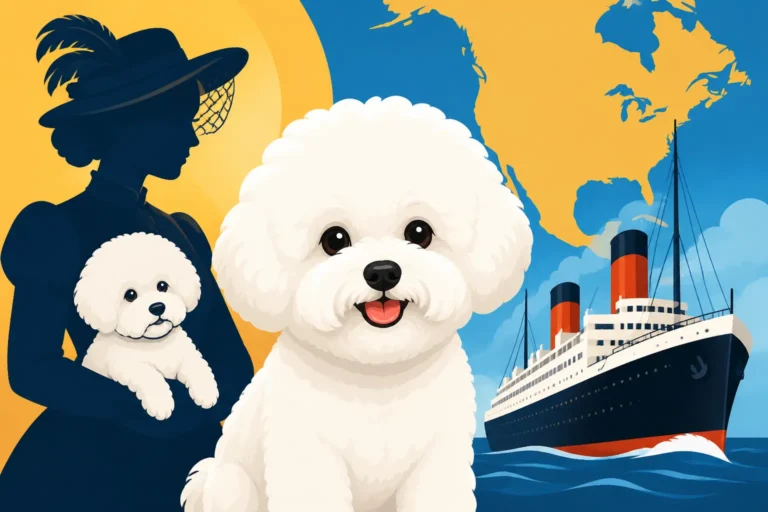
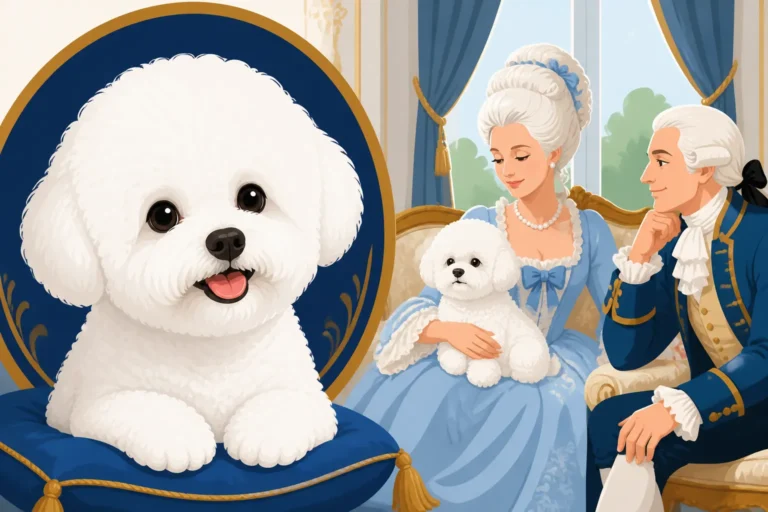
The Bichon Frise, or dogs very similar to them, began their journey as favorites of European nobility, particularly in Italy and France. They were cherished companions, often depicted in portraits alongside their aristocratic owners. Imagine these little white dogs, perhaps with ribbons in their fluffy coats, living a life of luxury within grand palaces. This pampered existence, however, took a sharp turn with political upheavals, most notably the French Revolution. When the aristocracy fell out of favor, many of their beloved dogs, including the Bichons, found themselves without homes or patrons.
This wasn't a death sentence for the breed; rather, it was a pivotal moment that forced them to adapt. Instead of fading into obscurity, these clever little dogs found a new calling. They transitioned from the laps of royalty to the lively, bustling streets, becoming companions to commoners and, crucially, learning to earn their keep. This period saw them become street performers, traveling with troupes and entertainers, captivating audiences with their charm and learned tricks. It was a dramatic shift, but one that highlighted their inherent intelligence and desire to engage with people. This adaptability under pressure really solidified their reputation as smart, capable dogs.
The Demands of the Big Top: What Circus Life Taught the Bichon
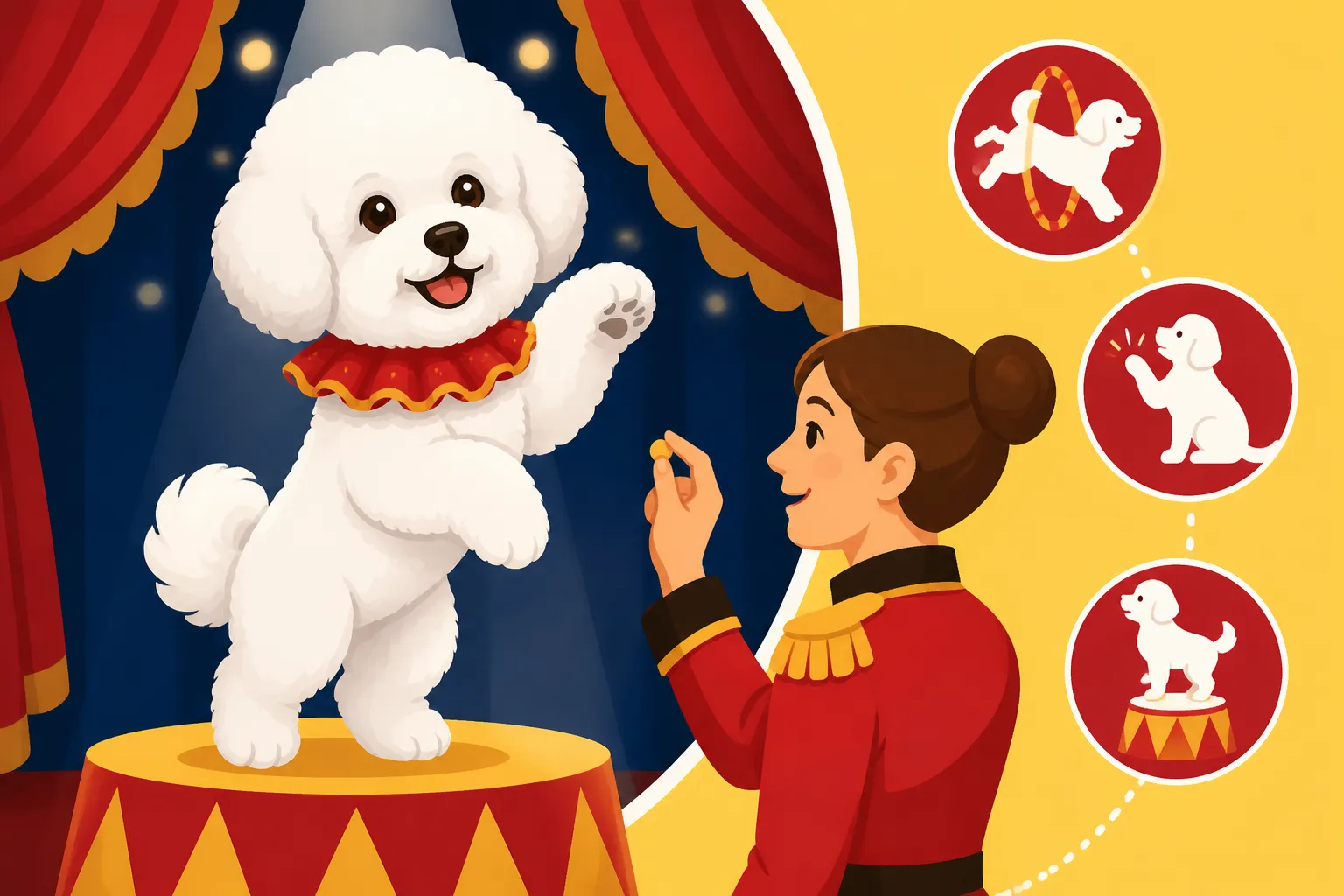
Life in the circus, whether on the streets or under a grand tent, was demanding. It wasn't just about looking cute; it required focus, agility, quick learning, and a robust temperament. Bichons, with their bright eyes and lively demeanor, proved to be naturals. They were taught a variety of acts that showcased their physical capabilities and their ability to follow complex cues. Think about it: a dog performing in a circus needed to be able to jump through hoops, walk on its hind legs, perform intricate dance routines, and respond flawlessly to subtle commands amidst noisy crowds and distractions.
These were not simple parlor tricks. Such performances demanded a high degree of cognitive function, problem-solving skills, and sustained attention. The "circus dog" era didn't just teach individual dogs tricks; it ingrained a strong work ethic and a desire to perform in the breed's very essence. Breeders of that time would have naturally selected for the most intelligent, biddable, and charismatic individuals, reinforcing these traits with each generation. This constant refinement under the spotlight undoubtedly contributed to the breed's reputation for being quick studies and joyful performers, characteristics we still appreciate in our Bichons today.
Understanding the Bichon Frise's Innate Intelligence and Temperament
While the circus history provides a colorful backdrop, it's also important to understand that no amount of training can truly create intelligence or a specific temperament out of nothing. The Bichon Frise already possessed innate qualities that made them perfect candidates for such roles, and these traits continue to shine through in our modern companions.
A Spark for Learning: The Breed's Natural Aptitude
Bichon Frises are, by nature, very intelligent dogs. They pick up on routines quickly, understand human emotions, and are surprisingly adept at solving little puzzles, whether it's figuring out how to get to a dropped treat or opening a cabinet door. This isn't just anecdotal; anyone who lives with a Bichon can tell you they're often one step ahead. They possess a keen observational intelligence, watching their humans closely and learning what actions lead to desired outcomes. This natural aptitude makes them incredibly receptive to training, not just for basic commands, but for more complex tasks and tricks.
Their desire for mental stimulation is also a huge factor. A bored Bichon can become a mischievous Bichon, often inventing their own games or finding ways to entertain themselves, which might not always align with your household rules! This underlying intelligence means that training isn't just about compliance; it's also about fulfilling their need to learn and engage their minds. Providing them with consistent, engaging training sessions satisfies this intellectual hunger, making them happier, better-behaved pets. You might find some excellent brain-teasing toys on Chewy that your smart Bichon would absolutely love!
The "Merry" Disposition: A Foundation for Positive Training
One of the most defining characteristics of the Bichon Frise is their "merry" temperament. This isn't just a quaint term from the breed standard; it's a fundamental aspect of their personality that significantly contributes to their trainability. The Merry Temperament the Bichon Frise Standard Demands is all about a dog that is cheerful, outgoing, and eager to please. This inherent joyfulness translates into a dog that genuinely enjoys interacting with its human companions and views training as a fun, cooperative game rather than a chore.
A happy, enthusiastic dog is far more likely to engage with training than one that is timid, stubborn, or indifferent. Bichons thrive on positive reinforcement and praise. Their cheerful nature means they bounce back quickly from minor setbacks and are generally optimistic, which is a huge advantage when you're trying to teach a new, challenging skill. When a Bichon looks at you with those bright, dark eyes, wagging its tail, it's often genuinely asking, "What can we do together next?" This desire for connection and willingness to participate is the bedrock upon which effective training is built, making them wonderfully rewarding students.
Modern Trainability: Harnessing the Bichon's Potential Today
So, while the circus history undoubtedly highlights the breed's potential, what does that mean for you and your Bichon Frise living in a modern home? It means you have a dog with a rich legacy of intelligence and eagerness, ready to learn whatever you're willing to teach.
Everyday Training Goals for Your Bichon Frise
For most Bichon owners, the goals aren't to prepare their dog for the big top, but to ensure they are well-behaved, happy members of the family. The good news is that the traits that made them excellent performers also make them fantastic companions for everyday life. Basic obedience commands like "sit," "stay," "come," and "down" are usually picked up with relative ease. Their intelligence means they can also excel at more advanced obedience, trick training, or even dog sports like agility, scent work, or rally. Whether a Bichon Frise Can Do Agility is a common question, and the answer is a resounding yes, thanks to their agility and mental sharpness.
Here's a breakdown of common training areas where Bichons shine:
- Housetraining: While sometimes challenging due to their small bladders, their intelligence means they can learn a routine. Consistency is key here. The Toilet Routine That Finally Works on a Bichon Frise often involves frequent outings and positive reinforcement.
- Socialization: Early and consistent socialization is crucial. Their naturally friendly disposition makes them generally good with new people and other dogs, but intentional exposure helps them grow into well-adjusted adults.
- Leash Manners: Teaching a Bichon to walk nicely on a leash is important for enjoyable walks. They typically respond well to positive methods.
- Tricks: This is where their "circus ancestry" really shows! Teaching fun tricks like "shake a paw," "roll over," or "play dead" not only entertains but also provides valuable mental stimulation.
Navigating Training Challenges with Patience and Consistency
Despite their inherent trainability, it wouldn't be realistic to suggest that training a Bichon Frise is always a walk in the park. Like all breeds, they come with their own unique set of challenges. One of the most frequently cited frustrations for Bichon owners is housetraining. Why a Bichon Frise Is Famously Hard to Housetrain can often be attributed to their small size, meaning they have smaller bladders and need to go out more frequently, coupled with a potential preference for indoor comfort, especially in bad weather. This isn't a lack of intelligence, but rather a combination of physical factors and strong preferences. Patience, a consistent schedule, and ample praise are far more effective than frustration. Using high-value treats from a place like Chewy can be a game-changer for motivation!
Another aspect to consider is their charming stubborn streak, which can sometimes manifest when they decide something isn't worth their effort. This isn't true disobedience as much as a cost-benefit analysis in their fluffy little heads! They respond best to positive reinforcement, short, engaging sessions, and making training feel like a fun game. Punishment or harsh corrections are counterproductive and can damage their trusting nature. Remember, What a Bichon Frise Will Work For is usually attention, praise, and tasty treats.
Ultimately, while their circus past serves as a wonderful historical anecdote highlighting their capabilities, the modern Bichon Frise's trainability comes down to a combination of strong genetic predispositions for intelligence and a merry, people-oriented temperament, coupled with consistent, positive training from their dedicated owners.
Here's a quick look at how history, temperament, and modern training needs intertwine:
| Factor | Historical Impact (Circus Era) | Inherent Temperament (Modern Bichon) | Modern Training Focus |
|---|---|---|---|
| Intelligence | Selected for quick learning and complex trick execution. | High cognitive ability, eager to learn new things. | Basic obedience, advanced tricks, dog sports. |
| Temperament | Needed to be cheerful, resilient, and engaging for audiences. | "Merry" disposition, eager to please, thrives on interaction. | Positive reinforcement, gentle methods, building bond. |
| Adaptability | Essential for varied environments and routines of traveling performers. | Handles new situations well with proper socialization, resilient. | Exposure to new places, people, and experiences. |
| Motivation | Food, attention, and audience applause. | Praise, treats, playtime, human companionship. | Reward-based training, making learning fun. |
| Physicality | Agile and nimble for acrobatic acts. | Surprisingly athletic for a small breed, enjoys play. | Regular exercise, safe play, learning body awareness. |
Disclaimer
This article is for general informational purposes only and does not constitute professional advice. Laws, prices and regulations vary by location and change over time. Consult a qualified professional for guidance on your specific situation.