Whether a Bichpoo Is Half Bichon Frise
It’s completely understandable to feel a bit confused when you start researching different dog breeds, especially when you come across names like "Bichpoo." It sounds familiar, yet distinct, and you might be wondering exactly what makes up this fluffy little companion. This guide is here to shed light on whether a Bichpoo is indeed half Bichon Frise, breaking down the genetics and characteristics of this popular designer dog so you can make sense of it all.
Understanding the Bichpoo: What is this "designer dog"?
When people talk about a "Bichpoo," they're referring to a crossbreed, often called a "designer dog." This isn't a recognized purebred breed by major kennel clubs like the American Kennel Club (AKC) in the same way a purebred Bichon Frise or Poodle is. Instead, it's a planned mix, typically a first-generation cross, between two specific purebred parents. In the case of a Bichpoo, the two breeds involved are, as the name cleverly suggests, a Bichon Frise and a Poodle.
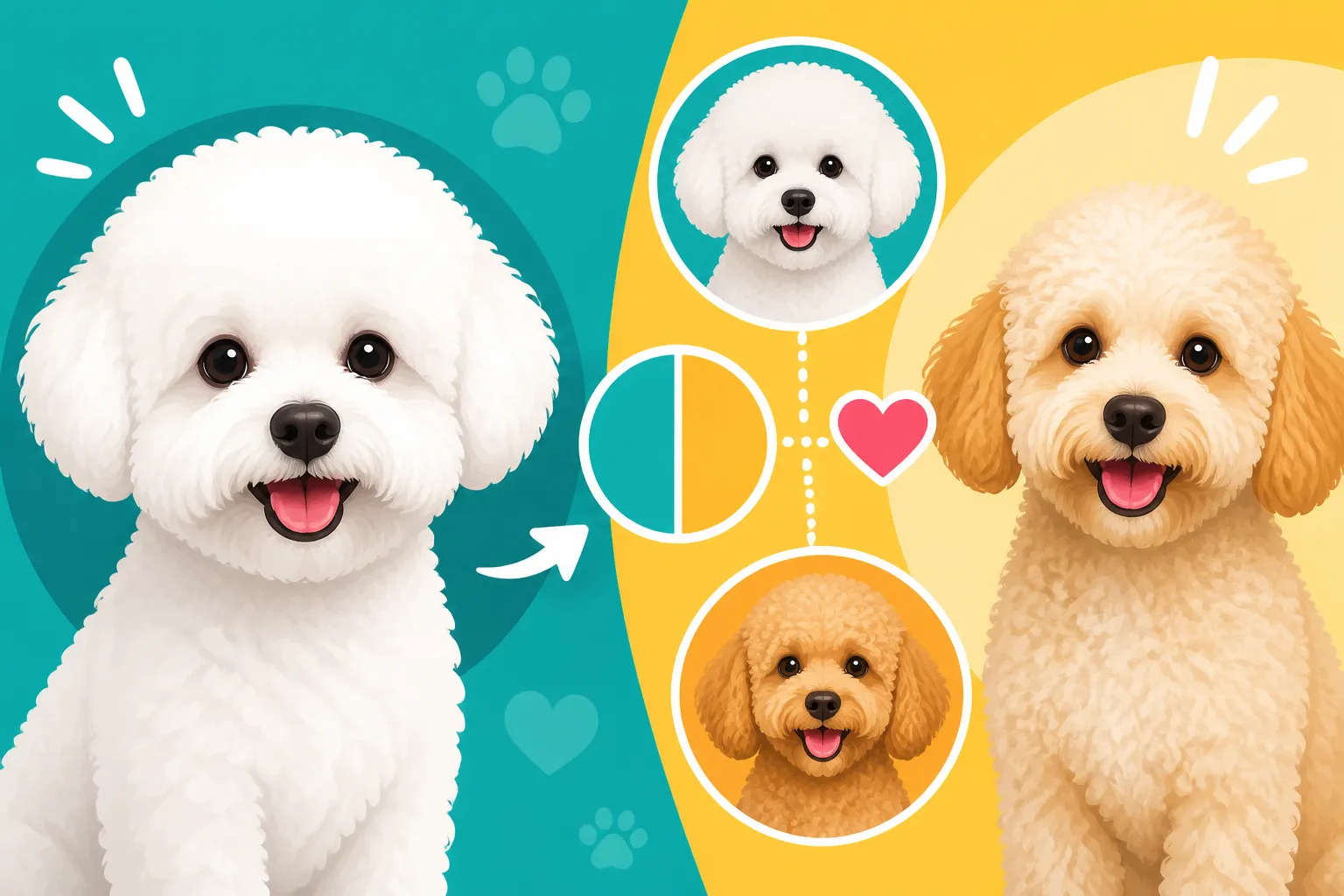
So, to answer the burning question right away: yes, if we're talking about a true first-generation Bichpoo (often called an F1 cross), it is indeed half Bichon Frise and half Poodle. This means one parent is a purebred Bichon Frise, and the other parent is a purebred Poodle. Usually, for size compatibility and temperament, the Poodle parent will be either a Toy Poodle or a Miniature Poodle. This intentional crossing is done with the hope of combining desirable traits from both parent breeds, often focusing on temperament, intelligence, and a low-shedding coat. The idea is to get the best of both worlds, but as we’ll explore, genetics can be a wonderfully unpredictable thing!
The Concept of Designer Dogs and Hybrid Vigor
The term "designer dog" gained popularity as breeders began intentionally mixing two purebred dogs to create offspring with a specific set of characteristics. This isn't just about throwing two dogs together; reputable designer dog breeders often aim for certain qualities, such as a particular look, size, or temperament, or even to mitigate potential health issues sometimes seen in purebred lines. The "Bichpoo" is a prime example of this trend, capitalizing on the appeal of both the cheerful Bichon and the intelligent Poodle.
Another concept often discussed with crossbreeds is "hybrid vigor," or heterosis. The theory here is that by mixing two genetically diverse purebred lines, you can sometimes reduce the incidence of certain hereditary conditions that might be more prevalent in a single, more inbred purebred line. It's not a guarantee, of course, and a mixed-breed dog can still inherit health issues from either parent breed. However, the wider genetic pool can sometimes contribute to overall robustness. When considering a Bichpoo, you're hoping for a strong, healthy dog that benefits from the unique blend of its parents. This pursuit of genetic diversity is a key reason why many owners are drawn to crossbreeds like the Bichpoo.
Generations of Bichpoos: F1, F1b, and Beyond
While an F1 (first generation) Bichpoo is a 50/50 mix, the world of designer dogs can get a little more complex with subsequent generations. It's not always a straightforward "half and half" after that first cross.
- F1 Bichpoo: This is the most common type and what most people mean when they say "Bichpoo." It's a direct cross between a purebred Bichon Frise and a purebred Poodle. In this scenario, your Bichpoo is definitively 50% Bichon Frise and 50% Poodle.
- F1b Bichpoo: This refers to a "backcross." It means an F1 Bichpoo is bred back to one of the original parent breeds. For example, an F1 Bichpoo might be bred with a purebred Poodle to try and enhance the Poodle's low-shedding qualities, making the offspring roughly 75% Poodle and 25% Bichon Frise. Or, if bred back to a Bichon Frise, it would be 75% Bichon and 25% Poodle.
- F2, F3, etc.: These are subsequent generations where Bichpoos are bred to other Bichpoos (F1 Bichpoo x F1 Bichpoo = F2 Bichpoo). With each successive generation, the genetic makeup becomes more mixed and less predictable in terms of specific percentages from the original parent breeds. The traits can vary even more within a single litter.
Understanding these generations is crucial because it directly impacts the predictability of traits like coat type, size, and temperament. An F1 Bichpoo generally offers the most predictable blend of characteristics from both parents, whereas later generations can be much more of a genetic lottery.
The Bichon Frise Parent: A Look at One Half of the Equation
Let's dive into the Bichon Frise, one of the delightful breeds contributing to the Bichpoo's genetic tapestry. The Bichon Frise is a small, cheerful dog known for its beautiful white, curly coat and playful demeanor. When you have a Bichon Frise as one parent, you're bringing in a host of wonderful qualities that potential Bichpoo owners often seek.
Imagine the traits you associate with that little white cloud of happiness – that's the Bichon influence right there. Their sunny disposition and eagerness to please are highly sought after. The Merry Temperament the Bichon Frise Standard Demands is a big part of their appeal, and breeders hope this transfers to their Bichpoo offspring.
Signature Bichon Frise Traits
The Bichon Frise brings several distinctive traits to the Bichpoo mix:
- Temperament: Bichons are famous for their joyous, outgoing, and affectionate nature. They are generally very social dogs, loving human companionship and often getting along well with children and other pets. This sweet, playful disposition is a major draw for Bichpoo enthusiasts. They love to be the center of attention and thrive on interaction, which means a Bichpoo will likely inherit a good dose of this charming personality.
- Coat: The Bichon Frise's signature coat is a double coat, soft and curly, which contributes to its low-shedding reputation. Why a Bichon Frise Is Only Ever White explains their distinctive color, but their hair-like coat, rather than fur, is what often appeals to people with allergies. While no dog is truly 100% hypoallergenic, the Bichon's coat type tends to produce less dander, which is the primary allergen. This characteristic is often a key reason for creating the Bichpoo, hoping to combine this with the Poodle's similar coat.
- Size: Bichon Frises are small dogs, typically weighing between 12-18 pounds and standing about 9-11 inches tall at the shoulder. This keeps the Bichpoo in the small to medium-small size range, making them suitable for apartment living or homes with limited space. Whether a Bichon Frise Suits an Apartment delves deeper into why they are such good indoor companions.
- Appearance: Beyond the white coat, Bichons have a distinctive "powder puff" appearance when groomed to standard. Their dark, round eyes and black nose create a striking contrast against their fluffy white hair. While a Bichpoo might not inherit the exact The Powder Puff Outline the Bichon Frise Standard Describes, they often get a similar adorable, soft look.
Potential Health Considerations from the Bichon Side
Like all purebreds, Bichon Frises have certain predispositions to health conditions that a Bichpoo could potentially inherit. It's important for prospective Bichpoo owners to be aware of these so they can discuss them with their breeder and veterinarian.
- Urinary Stones: Bichons are unfortunately predisposed to certain types of bladder stones, particularly calcium oxalate stones. This is a significant concern for the breed. Why a Bichon Frise Forms Stones Twenty Times as Often highlights this issue. This means a Bichpoo could potentially inherit this susceptibility, and owners should be vigilant about their dog's urinary health, diet, and water intake.
- Dental Disease: Due to their small mouths, Bichon Frises are prone to dental issues, including overcrowding and periodontal disease. Regular dental care is crucial.
- Patellar Luxation: This is a common orthopedic problem in small breeds where the kneecap slips out of place. It can range from mild to severe, and surgery may be required in some cases.
- Allergies: While often chosen for their low-shedding coats, Bichons can suffer from environmental or food allergies, leading to itchy skin and ear infections. If a Bichpoo inherits this predisposition, it could mean ongoing management for skin issues. What Atopic Dermatitis Does to a Bichon Frise offers more insight into this common problem.
A responsible Bichpoo breeder will screen their Bichon Frise parent for these conditions and be transparent about the health history of their breeding stock. This due diligence is crucial for bringing a healthy puppy into your home.
The Poodle Parent: The Other Essential Half
Now, let's turn our attention to the Poodle, the other half of the Bichpoo equation. Poodles come in three main sizes – Standard, Miniature, and Toy – and for Bichpoos, it's almost always the Miniature or Toy Poodle that's used to maintain a small, manageable size for the offspring. Poodles are renowned for their intelligence, elegance, and unique curly coat, which makes them an excellent choice for a crossbreed partner.
The Poodle contributes a huge amount of brainpower and a fantastic, low-allergen coat to the mix. Their presence in the Bichpoo is a deliberate choice, aiming to combine the best attributes of both breeds.
Key Poodle Characteristics
The Poodle brings its own set of strong characteristics to the Bichpoo:
- Intelligence: Poodles are widely considered one of the most intelligent dog breeds. They are highly trainable, eager to please, and excel in obedience, agility, and other dog sports. This intelligence usually translates into a Bichpoo that is quick to learn, though sometimes they can be a bit clever for their own good! This mental sharpness is a huge advantage for training and companionship.
- Coat: Like the Bichon, Poodles have a single, dense, curly coat that is very low-shedding. This trait is often the primary reason Poodles are chosen for crossbreeding, as it often results in a "hypoallergenic-friendly" offspring. Whether a Bichon Frise Is Truly Hypoallergenic and Whether an Allergic Person Reacts to a Bichon Frise are common questions, and combining two low-shedding breeds usually maximizes the chances of a low-allergen coat. However, this also means the coat requires significant grooming, as it will mat without regular brushing and professional trims.
- Temperament: Poodles are active, proud, and often described as having a good sense of humor. They are very loyal to their families and can be protective. While they might be a bit more reserved with strangers than the typically effusive Bichon, they are generally affectionate and enjoy being involved in family activities. Their playful energy blends well with the Bichon's cheerful nature.
- Size: As mentioned, Miniature Poodles typically weigh 10-15 pounds and stand 10-15 inches tall, while Toy Poodles weigh 4-6 pounds and stand under 10 inches. The specific size of the Poodle parent will significantly influence the adult size of the Bichpoo puppy.
Potential Health Concerns from the Poodle Side
Just like Bichons, Poodles have their own breed-specific health concerns that can be passed down to a Bichpoo. A good understanding of these is vital for responsible pet ownership.
- Addison's Disease: This is a condition where the adrenal glands don't produce enough hormones. It can be serious but is manageable with medication.
- Hip Dysplasia: While more common in larger breeds, hip dysplasia can occur in smaller Poodles as well. This condition affects the hip joint and can lead to arthritis.
- Eye Disorders: Poodles can be predisposed to various eye conditions, including progressive retinal atrophy (PRA) and cataracts. Regular eye exams are important.
- Epilepsy: Idiopathic epilepsy, which is seizures without an identifiable cause, can occur in Poodles.
- Patellar Luxation: This is another shared concern with Bichons, making it a condition that responsible Bichpoo breeders should screen for on both sides.
Again, choosing a reputable breeder who conducts thorough health screenings on their Poodle breeding stock is paramount. They should be able to provide health clearances for genetic conditions relevant to the Poodle breed.
Beyond "Half": What Does Being a Crossbreed Really Mean?
While the idea of a 50/50 mix sounds perfectly balanced, the reality of genetics is a fascinating and often unpredictable journey. When you bring home a Bichpoo, even an F1, you're embracing a wonderful mix that might lean more heavily on one side or the other in terms of specific traits. This is part of the charm and the mystery of crossbreeds! It's why two puppies from the same litter can look and act quite differently.
Understanding this genetic variability is key to having realistic expectations about what your Bichpoo will be like. It won't be a clone of either parent, nor will it be an exact split down the middle. Instead, it will be a unique individual with a blend of its heritage.
Predictability vs. Variability in Crossbreeds
One of the biggest differences between a purebred dog and a crossbreed like a Bichpoo is the level of predictability.
- Purebreds: When you get a purebred Bichon Frise, you have a very clear idea of what to expect in terms of appearance, temperament, and even general health predispositions, based on generations of selective breeding to a strict breed standard. You know you're getting What a Bichon Frise Actually Weighs within a certain range, and its coat will be white, for instance.
- Crossbreeds (F1): An F1 Bichpoo will definitely be 50% Bichon Frise and 50% Poodle by lineage. However, how those genes express themselves is where the variability comes in. Will the coat be more like a Bichon's or a Poodle's? Will the temperament be more outgoing like a Bichon or a bit more reserved like some Poodles? You might get a coat that's wavy instead of tightly curled, or a dog that is less prone to tear staining than some Bichons, but it's not guaranteed. This genetic lottery is what makes each Bichpoo unique!
- Later Generations (F1b, F2, etc.): As discussed, the further you get from the F1 cross, the more unpredictable the traits become. Breeders sometimes use F1b crosses to "backcross" to a Poodle to try and ensure a very low-shedding coat for allergy sufferers, but even then, nature sometimes has its own plans.
This variability means that while you can certainly expect a small, intelligent, and generally happy dog from a Bichpoo, the exact nuances of their appearance and personality will be a delightful surprise. You might have seen Bichpoos online or at the dog park that look vastly different from each other, and this genetic diversity is precisely why.
Appearance and Coat Type in Bichpoos
The blend of the Bichon Frise and Poodle coats is often a significant factor for those choosing a Bichpoo. Both parent breeds have low-shedding, curly, hair-like coats, which generally translates to a Bichpoo with a similar coat.
- Color: While the Bichon Frise is famously white, Poodles come in a wide array of colors (black, white, apricot, brown, etc.). This means a Bichpoo can be white, cream, apricot, black, or even a mix of colors, depending on the Poodle parent's genetics. So, if you're expecting a purely white dog, you might need to specify this preference to a breeder who is using a white Poodle.
- Texture and Curl: The coat texture and curl can vary. Some Bichpoos will have a very soft, cottony, slightly wavy coat more reminiscent of a Bichon. Others might have a tighter curl, more like a Poodle. Still others will fall somewhere in between, with a shaggy or fluffy appearance. What's fairly consistent is that it will be low-shedding, making it a good choice for many allergy sufferers, but it will require regular grooming.
- Grooming Needs: Regardless of the exact curl pattern, Bichpoo coats will need regular maintenance. They are prone to matting without daily brushing and professional grooming every 6-8 weeks. Think of it this way: you're inheriting the grooming demands of both parent breeds. Brushing, bathing, and professional trims are non-negotiable to keep their coats healthy and tangle-free. This isn't a "wash and wear" kind of coat! You can find many useful grooming tools and shampoos on sites like Chewy to help keep their coat in top condition. How Often a Bichon Frise Needs Grooming gives you an idea of the commitment.
Temperament and Training Considerations
Combining the temperament of a cheerful Bichon with an intelligent Poodle often results in a highly desirable companion. Bichpoos are generally known for being:
- Affectionate and Social: They typically love people and thrive on interaction. They're often very cuddly and want to be part of everything you do. This makes them wonderful family pets.
- Intelligent and Trainable: The Poodle's intelligence, combined with the Bichon's eagerness to please, usually makes Bichpoos quick learners. They can pick up commands and tricks quite easily, and often enjoy engaging in activities that challenge their minds.
- Playful and Energetic: Don't let their small size fool you; Bichpoos have energy! They love to play, go for walks, and have bursts of energy often referred to as "zoomies" or The Bichon Blitz and What It Means. They do settle well indoors but require regular exercise to stay happy and healthy.
- Housetraining: While intelligent, some small breeds, including Bichons, can be notoriously harder to housetrain. Why a Bichon Frise Is Famously Hard to Housetrain is a common complaint. A Bichpoo might inherit this trait, requiring patience, consistency, and a solid routine. Crate training is often very effective. Early socialization and puppy classes are always a good idea to help your Bichpoo develop into a well-adjusted adult. You can find many training aids and treats on Chewy to assist with their education.
Ultimately, while a Bichpoo is indeed half Bichon Frise, the exact combination of traits you'll see in your individual dog is what makes them so special. It’s a wonderful blend of two beloved breeds, offering a delightful and unique companion to those willing to embrace the slight genetic unpredictability.
Table of Bichpoo Parent Breed Contributions
To help visualize the blend, here's a quick overview of what each parent breed typically contributes to the Bichpoo:
| Trait | Bichon Frise Contribution (Likely) | Poodle (Toy/Miniature) Contribution (Likely) | Bichpoo Outcome (Typical) |
|---|---|---|---|
| Temperament | Cheerful, outgoing, affectionate, playful, social | Intelligent, loyal, active, eager to please, can be slightly reserved | Affectionate, intelligent, playful, social, good family dog |
| Coat Type | Double coat, soft, curly, low-shedding, white color | Single coat, dense, curly, very low-shedding, wide range of colors | Low-shedding, curly/wavy, soft, can be various colors |
| Size | Small (9-11 inches, 12-18 lbs) | Small (Toy: under 10 inches, 4-6 lbs; Mini: 10-15 inches, 10-15 lbs) | Small (size depends on Poodle parent, typically 8-15 inches, 6-18 lbs) |
| Intelligence | High, eager to please | Very high, highly trainable | Very intelligent, trainable, can be clever |
| Grooming Needs | High (daily brushing, regular professional trims) | High (daily brushing, regular professional trims) | High (daily brushing, regular professional trims) |
| Energy Level | Moderate, playful bursts | Moderate to High, loves activity | Moderate, enjoys walks and playtime, settles indoors |
| Housetraining | Can be challenging, requires consistency | Generally good, intelligent, learns quickly | Can be challenging, consistency and patience are key |
| Health Concerns | Urinary stones, patellar luxation, dental disease, allergies | Patellar luxation, eye disorders, Addison's disease, epilepsy | Potential for any of the above, good breeding practices are crucial |
This table provides a general overview, but remember, individual dogs can vary significantly!
Disclaimer
This article is for general informational purposes only and does not constitute professional advice. Laws, prices and regulations vary by location and change over time. Consult a qualified professional for guidance on your specific situation.