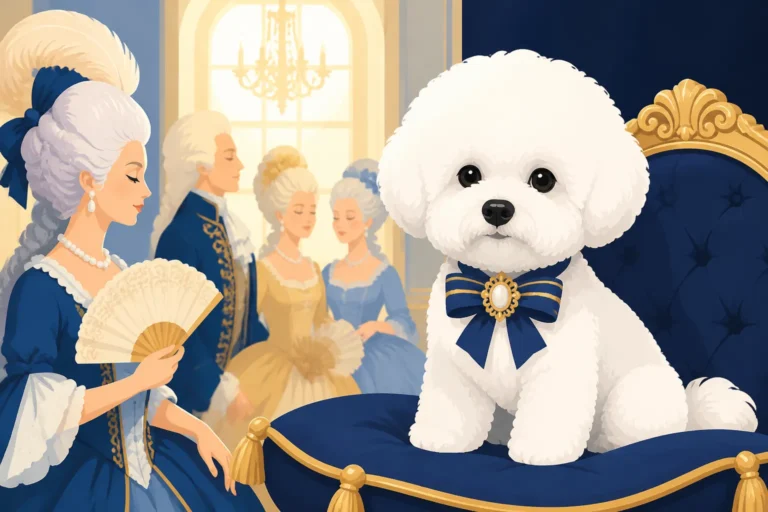
Whether a Bichon Frise Is Judged on Its Outline
A Bichon Frise can look like a round white puff, so it is easy to assume judges simply reward the biggest, fluffiest silhouette. In conformation shows, the outline matters because it reveals the dog’s balance, proportions, coat, and breed type—but it is only one part of the whole picture. This guide explains what judges look for and how grooming can help show it clearly.
What “outline” means in a Bichon Frise
The silhouette shows balance and proportion
A dog’s outline is its overall shape when viewed from the side, front, and rear. In a Bichon Frise, judges look for a compact, balanced dog with a body that is a little longer than it is tall. The outline should feel sturdy and harmonious, not stretched out, narrow, or heavy in front or behind.
That shape is not judged in isolation. A judge considers how the head, neck, chest, back, legs, and tail fit together. For example, a dog might have a beautifully rounded head, but if its body looks too long or its legs appear out of proportion, the overall picture may not look as balanced. The ideal impression is of a small, lively dog whose parts work together.
The breed’s recognizable “powder puff” look can make the outline seem softer and rounder than the dog’s actual frame. A judge still needs to assess the structure beneath the coat. The coat should contribute to the breed’s characteristic appearance without disguising the dog’s proportions. For a fuller look at the written breed picture, see The Powder Puff Outline the Bichon Frise Standard Describes.
Movement confirms what the outline suggests
A dog is not judged only while standing still. The judge also watches it move, often at a walk or trot, to see whether its structure supports balanced, effortless movement. A Bichon should move with a light, lively action. From the side, the dog’s stride should look coordinated rather than choppy or exaggerated.
Movement can reveal things that a posed stance hides. A dog may appear well balanced when carefully stacked, but look less coordinated in motion. Conversely, a dog that is not perfectly posed may show a pleasing, natural balance as it moves. Judges consider the whole presentation, including the dog’s confidence and how comfortably it handles the ring.
This is one reason a polished silhouette is not a shortcut to a high placement. Coat shaping can create a neat first impression, but it cannot change a dog’s underlying build or movement. In conformation, grooming and structure work together: grooming helps the judge see the dog, while the dog’s construction and movement show whether the outline reflects genuine balance.
The features that shape the Bichon outline
Body, topline, and legs
The body should look compact and sturdy, with a level topline and balanced proportions. A Bichon should not appear so long that it loses its compact look, nor so short and high-legged that it seems square or spindly. The coat adds visual volume, so judges look carefully at how the dog’s actual structure fits beneath it.
Legs contribute to the outline as well. If the coat around the legs is shaped unevenly, one side may look shorter or heavier than the other. Excessive scissoring can also make the dog appear to have a very different body shape from the one it has naturally. Good presentation aims to make the dog look tidy and balanced, rather than sculpting a silhouette that hides its proportions.
The topline should look smooth and balanced rather than sloping or uneven. A dog’s stance can affect how that line appears, which is why careful handling matters. The handler is not meant to force the dog into an uncomfortable pose; the goal is to present a relaxed, steady dog whose shape can be assessed clearly.
Head, tail, and coat
The head is an important part of the breed’s expression and overall outline. Its proportions should fit the body, with a soft, rounded appearance created by the coat rather than an overdone shape that overwhelms the dog. The eyes and dark rims help define the expressive face. For more on this feature, see Whether a Bichon Frise Needs Black Eye Rims.
The tail is another recognizable part of the silhouette. It is carried over the back, with a plume that contributes to the dog’s outline. A tail that is held differently in a particular moment does not tell the whole story by itself; the judge assesses the dog as a whole, including its presentation and movement. Learn more in Whether a Bichon Frise's Tail Curves Over Its Back.
The coat’s texture and condition also affect the outline. Bichon coats are known for their curly, springy appearance, and a clean, well-prepared coat can help the dog look like the breed. But coat texture is not a substitute for correct proportions. A dog with a particularly full coat may look rounder, while a shorter pet trim can make its frame easier to see. For background on coat type, read Whether a Bichon Frise Coat Is Curly or Wavy.
How grooming affects the outline
Show preparation should reveal the dog
In the show ring, grooming is intended to present the Bichon’s characteristic shape while keeping the dog’s structure visible. The coat is generally shaped to produce a rounded, balanced appearance, but the trim should not create a false impression of the dog’s build. If the coat is left dramatically longer over one area, for example, the dog may appear uneven or out of proportion.
A skilled groomer who understands the breed can help prepare the coat in a way that suits the dog’s own structure. This matters because no two Bichons have precisely the same coat density or body shape. A trim that looks balanced on one dog may make another dog look too wide, too long, or top-heavy.
Owners preparing for a show should discuss the target style with their breeder, handler, or a groomer familiar with the breed standard used in that ring. Different registries may phrase their standards differently, and grooming practices can vary. Photos can help communicate a preferred finish, but they should be examples of a general shape—not a request to copy another dog’s outline exactly.
A pet trim can still look balanced
A pet Bichon does not need a show trim to look well cared for. A shorter, practical trim may make brushing easier and help keep the dog comfortable, especially for a busy household. The key is to choose a shape that suits the dog’s coat and lifestyle rather than assuming that every Bichon must wear a full show-style puff.
Regular brushing helps prevent mats, which can pull the coat into clumps and make the outline look lumpy or uneven. A slicker brush and a comb are commonly used for coat maintenance, but technique matters: brushing only the surface can leave tangles close to the skin. If you are comparing grooming tools at Chewy or another retailer, focus on the tool’s purpose and whether it suits your dog’s coat rather than buying a product simply because it is labeled for a particular breed.
A groomer can also help you choose a pet trim that keeps the face and body looking balanced without demanding more upkeep than you can manage. If you are deciding between a shorter cut and a fuller shape, Whether a Pet Trim Suits a Bichon Frise offers related guidance. For the broader grooming picture, see The Powder Puff Outline a Bichon Frise Is Scissored Into.
| Feature | What a judge may assess | What grooming can do |
|---|---|---|
| Body proportions | Whether the dog looks compact and balanced | Keep coat length even so the body shape is clear |
| Topline | Whether the back appears level and harmonious | Avoid uneven coat shaping that creates a false slope |
| Legs | Whether the dog’s limbs fit the overall frame | Neaten the coat without making the legs look artificially short or long |
| Head | Whether the head suits the body and breed expression | Shape the coat to frame the face without exaggerating it |
| Tail | Whether it contributes to the characteristic outline | Keep the plume tidy without relying on grooming to change how the tail is carried |
| Movement | Whether the dog moves in a coordinated, lively way | Prepare the coat so it does not interfere with comfortable movement |
What judges do not reward by themselves
Roundness is not the same as correct type
A very round trim may catch the eye, but roundness alone does not make a dog a strong example of the breed. If the head looks oversized, the body is hidden under excessive coat, or the dog appears unbalanced, the sculpted shape may work against the overall impression. The aim is a recognizable Bichon outline, not the largest possible ball of coat.
The same goes for whiteness. A clean, bright coat can make a dog look especially polished, but color alone does not establish correct structure. The breed is known for its white coat, though standards may describe limited puppy shading or other details differently. For the breed’s color expectations, see Whether a Bichon Frise Is Only Ever White.
A judge compares the dog with the applicable breed standard and with the other dogs in the class. That does not mean a dog must look identical to every other Bichon. Individual coat, expression, and build vary, and the judge’s task is to assess how well each dog fits the standard as a whole.
Size and outline are related but not interchangeable
Size affects how a dog appears, but a smaller or larger-looking silhouette is not automatically better. Judges consider the dog’s proportions and how well it fits the standard, rather than rewarding a particular impression of “tiny” or “big.” Coat volume can also make a dog appear larger than its actual frame.
If you are trying to understand your own dog’s likely adult size, compare its development and build with reliable breed guidance rather than judging from a fluffy puppy outline. How Big a Bichon Frise Gets provides more context about size. And if you are new to the breed, What Bichon Frise Owners Wish They Had Known covers some of the everyday realities that can be easy to miss when choosing a puppy.
For owners who maintain the coat at home, a simple routine is usually more useful than chasing a show-ring finish. Keep the dog brushed, check for tangles behind the ears and around the legs, and ask a groomer to explain which areas need regular attention. Chewy can be one place to compare grooming supplies, but a product listing cannot tell you whether a particular brush or comb is right for your dog’s skin sensitivity and coat condition.
A practical starting routine is:
- Brush in small sections so you can reach the coat near the skin.
- Follow with a comb to find knots the brush may have missed.
- Check high-friction areas such as behind the ears, under the collar or harness, and around the legs.
- Ask your groomer to show you how much coat maintenance your chosen trim requires.
- If your dog seems uncomfortable, stop and check for mats, skin irritation, or tenderness rather than pulling through the coat.
Chewy may be useful for comparing basic grooming tools, but if your Bichon has persistent mats, sore skin, or a strong reaction to brushing, ask a groomer or veterinarian for help before changing tools or products.
Reading the outline without overthinking it
For an owner watching a show, the outline is a helpful way to notice balance, but it is not a single pass-or-fail feature. Look at the dog from the side to see how the body, topline, legs, head, and tail fit together. Then watch it move. A pleasing outline should remain coherent in motion rather than depending entirely on a carefully arranged stance.
At home, it is just as useful to think of outline as a guide to balanced grooming—not as a demand that your pet look like a show dog. A comfortable, clean coat and a trim that suits your dog’s routine are sensible goals. If you are considering showing, work with people who know the relevant breed standard and can assess your individual dog. If you simply love the Bichon’s fluffy look, enjoy it without assuming that a perfect round shape is the measure of a healthy or well-bred companion.
Disclaimer
This article is for general informational purposes only and does not constitute professional advice. Laws, prices and regulations vary by location and change over time. Consult a qualified professional for guidance on your specific situation.