Whether Cushing’s Can Be Treated in a Bichon Frise
When your beloved Bichon Frise is diagnosed with Cushing's disease, it's natural to feel overwhelmed and perhaps a little hopeless. Many owners worry if their furry friend will ever feel like themselves again, or if effective management is even possible. This comprehensive guide aims to demystify Cushing's treatment, offering a realistic look at how this condition can be managed in Bichon Frises to ensure they live their happiest, healthiest lives possible.
Understanding Cushing's Disease in Bichon Frises
Cushing's disease, or hyperadrenocorticism, is a condition where your dog's body produces too much cortisol, a stress hormone. It's not uncommon in middle-aged to older Bichon Frises, often appearing in dogs past seven years old. While the diagnosis itself can be a bit of a journey – lots of tests and waiting – understanding what's happening internally is the first step toward effective management. It's a complex condition, but thankfully, not a death sentence, and there are very real ways to help your Bichon feel better.
The Underlying Causes of Cushing's Syndrome
The majority of Cushing's cases in Bichon Frises, as with other breeds, are naturally occurring and fall into two main categories: pituitary-dependent hyperadrenocorticism (PDH) and adrenal-dependent hyperadrenocorticism. Pituitary-dependent Cushing's, accounting for about 80-85% of cases, occurs when a small, usually benign, tumor on the pituitary gland at the base of the brain overproduces a hormone called ACTH. This excess ACTH then signals the adrenal glands, located near the kidneys, to churn out too much cortisol. It’s like a tiny conductor in the brain telling the adrenal glands to play too loudly, leading to what What Pituitary Cushing's Does to a Bichon Frise outlines.
The less common form, adrenal-dependent Cushing's, typically involves a tumor directly on one of the adrenal glands. This tumor, which can be either benign or malignant, acts independently, directly producing excessive cortisol. In rarer instances, Cushing's can be iatrogenic, meaning it's caused by prolonged or high-dose administration of corticosteroid medications. This is why if you're ever wondering whether long-term steroids could be a factor, it’s a valid concern and something your vet will always consider. Distinguishing between these types is crucial because it often dictates the best course of treatment. The average Age Cushing's Appears in a Bichon Frise is typically around 7 to 12 years old.
Recognizing the Common Signs in Your Bichon
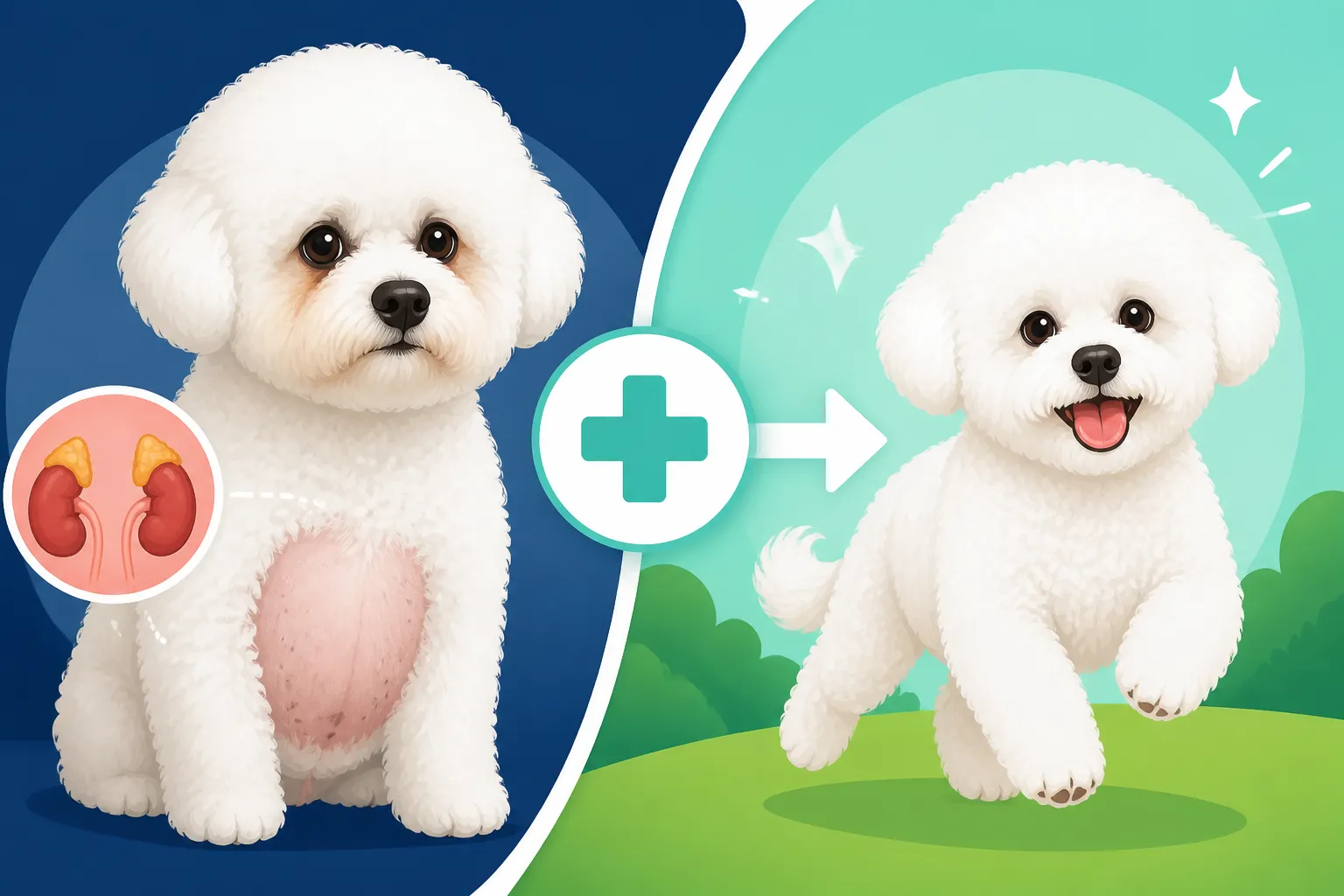
Spotting the signs of Cushing's in your Bichon Frise can be tricky because many symptoms mimic normal aging or other health issues. However, some classic indicators often prompt a vet visit. You might notice your Bichon seems to be constantly thirsty and needing to urinate much more frequently than usual. This excessive drinking is often one of the first things owners pick up on, as a Cushing's Bichon Frise Drinks Constantly. Another tell-tale sign is an increased appetite, sometimes to an almost insatiable degree, even as your dog might start to gain weight, particularly around the belly, leading to what's often called a "pot belly appearance." This bulging abdomen, along with muscle weakness, can make them look quite different, giving rise to concerns like Whether a Pot Belly Means Cushing's in a Bichon Frise.
Beyond these, changes in their beautiful white coat are common. You might observe thinning hair, often symmetrically, on the flanks or abdomen, or their fur might become dull, dry, and lose its characteristic fluffiness. Sometimes, a Cushing's Bichon Frise Loses Its Coat completely. Other signs include lethargy, panting excessively even when resting, and developing thin, fragile skin that bruises easily. If you're seeing a combination of these symptoms, especially in an older Bichon, it's definitely time to chat with your veterinarian about diagnostic testing to confirm How Cushing's Is Diagnosed in a Bichon Frise. Early recognition of these signs can make a significant difference in managing the condition effectively.
The Goals of Cushing's Treatment for Bichons
When a Bichon Frise receives a Cushing's diagnosis, the immediate question for most owners is, "Can it be treated?" The good news is, yes, it can be managed effectively. The primary goals of treating Cushing's are not necessarily to cure it completely, especially in the case of pituitary-dependent disease which is lifelong, but rather to alleviate the uncomfortable symptoms and prevent the development of serious complications. It's all about improving your dog's quality of life, allowing them to enjoy their golden years with as much comfort and vitality as possible.
Managing Symptoms for Improved Quality of Life
The overarching aim of treatment is to bring those sky-high cortisol levels back into a more normal range, which in turn helps to reverse the distressing symptoms your Bichon has been experiencing. Imagine your dog constantly feeling anxious and stressed due to an internal chemical imbalance; that's essentially what high cortisol does. By lowering cortisol, we can expect to see a significant reduction in excessive drinking and urination, meaning fewer accidents in the house and less frantic thirst. Your Bichon’s increased appetite should also normalize, helping with weight management and reducing the constant begging that can be frustrating for both pet and owner.
Furthermore, medical management often leads to an improvement in skin and coat condition. The thinning hair might start to grow back, and their skin can become less fragile. The lethargy that makes them less interested in walks or playtime can also lift, restoring some of their characteristic Bichon bounce and joy. While it's a journey, seeing your Bichon regain their energy and comfort is incredibly rewarding. It really allows them to get back to being the cheerful companions we all adore, improving their daily life exponentially.
Preventing Further Complications
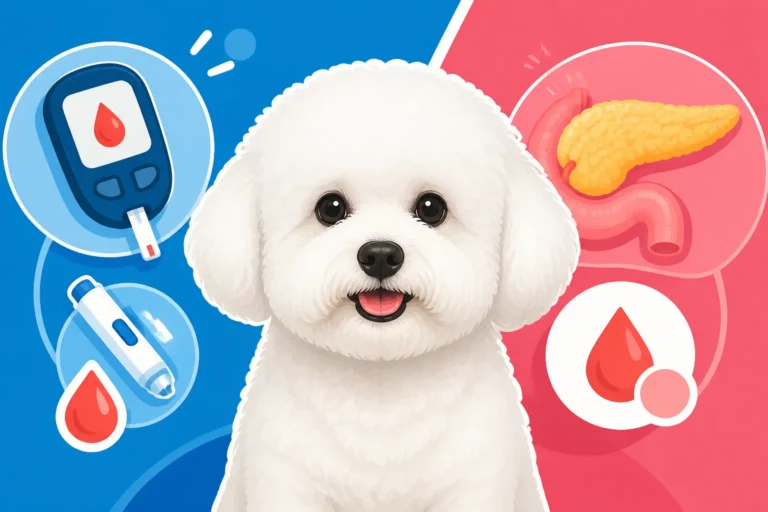
Beyond symptom relief, treating Cushing's disease is critical for preventing a cascade of more serious health issues that can arise from unchecked high cortisol. Chronic high cortisol can predispose Bichons to a host of problems. These can include recurrent urinary tract infections due to diluted urine and weakened immune systems, and even bladder stones, a concern for many Bichon owners. It also increases the risk of developing diabetes, as cortisol impacts blood sugar regulation. We talk about Whether a Diabetic Bichon Frise's Diabetes Follows Cushing's in another article, and there's definitely a link.
Other potential complications include pancreatitis, high blood pressure, and even neurological issues if a pituitary tumor grows large enough to press on brain tissue. By actively managing cortisol levels, we're essentially lowering these risks, giving your Bichon a much better chance at a longer, healthier life. Regular vet check-ups and adherence to the treatment plan are paramount in this preventative aspect of care. It's not just about today's comfort, but about protecting their future health too. This proactive approach helps avoid painful and costly emergency situations down the line.
Common Treatment Approaches for Cushing's
Treating Cushing's in a Bichon Frise is typically a long-term commitment, and the approach often depends on the specific type of Cushing's diagnosed – pituitary-dependent or adrenal-dependent. For the vast majority of cases (pituitary-dependent), medical management is the go-to, focusing on controlling cortisol production. However, in certain adrenal tumor cases, surgery might be considered. The goal is always to reduce the clinical signs and improve the overall health and happiness of your furry family member.
Medical Management with Medications like Trilostane
For pituitary-dependent Cushing's, medication is the cornerstone of treatment. The most commonly prescribed drug for this condition is trilostane, often known by its brand name, Vetoryl. Trilostane works by inhibiting an enzyme in the adrenal glands, which in turn reduces the production of cortisol. It doesn't cure the underlying pituitary tumor, but it effectively manages the symptoms by normalizing cortisol levels. Many owners ask Whether Trilostane Works on a Bichon Frise, and the answer is generally yes, it's very effective for most dogs when properly managed.
Your Bichon will likely start on a low dose, and your vet will carefully monitor their response through regular blood tests, especially an ACTH stimulation test, to ensure the cortisol levels are coming down to a safe and effective range. This initial titration period can take a few weeks to months, requiring frequent vet visits, which can feel daunting. However, once a stable dose is found, the frequency of monitoring typically reduces. It's crucial to give the medication exactly as prescribed and never to adjust the dosage without veterinary guidance, as too little medication won't be effective, and too much can lead to a dangerous Addisonian crisis (too little cortisol).
Another medication, less commonly used now but still an option in specific cases, is mitotane (Lysodren). This drug works by selectively destroying cells in the adrenal cortex that produce cortisol. It's a more aggressive treatment and requires very close monitoring due to potential side effects. The choice of medication is always a discussion between you and your vet, weighing the pros and cons based on your Bichon's individual health profile and the specific diagnosis.
Surgical Options and Their Suitability
While medical management is standard for pituitary-dependent Cushing's, surgery can be a viable and even curative option for adrenal-dependent Cushing's, especially if the tumor is benign and confined to one adrenal gland. This procedure, called an adrenalectomy, involves surgically removing the affected adrenal gland. It's a complex surgery, typically performed by a specialist veterinary surgeon, and carries significant risks due to the gland's proximity to major blood vessels and organs. However, if successful, it can completely resolve the excessive cortisol production.
For pituitary tumors, surgery is much less common and far more invasive, generally only considered for very large or rapidly growing tumors that are causing severe neurological signs due to compression on the brain. This highly specialized procedure, called a hypophysectomy, involves removing the pituitary gland. It's rarely performed in general practice and typically requires referral to a university or specialized veterinary hospital due to the extreme complexity and post-operative care requirements. Given the potential risks and the availability of effective medical management, most owners and vets opt for medication to control pituitary-dependent Cushing's, recognizing that the primary goal is managing the condition rather than radical intervention.
Living with a Bichon Frise on Cushing's Medication
Once your Bichon Frise starts treatment for Cushing's disease, life certainly changes, but often for the better. You'll likely see a return to their more cheerful, active selves, and the troublesome symptoms will diminish. However, managing Cushing's is an ongoing process, requiring vigilance, routine, and a close partnership with your veterinarian. It’s not a "set it and forget it" situation; it's a journey of continuous care and observation.
The Importance of Consistent Monitoring
Consistent monitoring is arguably the most critical component of successfully managing Cushing's disease with medication. Your Bichon will need regular check-ups, especially in the initial phase of treatment. These usually involve clinical examinations and specific blood tests, primarily the ACTH stimulation test, to assess how well the medication is controlling cortisol levels. The frequency of these tests will depend on your dog's response to treatment and can range from every few weeks initially to every 3-6 months once a stable dose is established. Understanding What Monitoring Cushing's Costs on a Bichon Frise can help you budget for these essential veterinary visits.
Beyond veterinary tests, your observations at home are invaluable. You are your Bichon's best advocate. Keep a keen eye on their water intake, urination frequency, appetite, energy levels, and any changes in their coat or skin. If you notice symptoms returning or any new concerns, it's vital to contact your vet immediately. Sometimes, a dosage adjustment might be needed, or there could be an underlying issue that needs addressing. Maintaining a diary of symptoms and medication administration can be incredibly helpful for both you and your veterinary team, ensuring your Bichon receives tailored and timely care.
Adjusting to the "New Normal" for Your Dog
Adjusting to a "new normal" is part of the process for both you and your Bichon. While many symptoms will improve, some might not fully disappear, and that’s okay. The goal is improvement, not perfection. Your Bichon might still have slightly thinner hair or drink a little more than a dog without Cushing's, but the significant discomfort should be gone. This means embracing their continued unique needs.
You might find yourself more attuned to their habits, noting when they need to go outside or whether they're finishing their meals. It's about building a routine around their medication schedule and ensuring they have constant access to fresh water. While this condition is serious, it shouldn't overshadow the joy of having your Bichon. Many dogs with well-managed Cushing's go on to live happy, fulfilling lives for years after diagnosis, especially when conditions like Cushing's Disease in a Bichon Frise Past Seven are carefully managed. Pet insurance providers like Healthy Paws are familiar with these ongoing care requirements and can be a great support in managing the financial aspect of this "new normal."
Prognosis and Long-Term Care for Bichons with Cushing's
Receiving a diagnosis of Cushing's disease for your Bichon Frise can certainly feel like a heavy blow, but it's important to remember that it's a manageable condition, not an immediate death sentence. With diligent care and consistent treatment, many Bichons lead happy, comfortable lives for years following their diagnosis. The key is understanding the long-term outlook and preparing for the commitment involved in their ongoing care.
What to Expect in the Years Ahead
The prognosis for a Bichon Frise with Cushing's disease is generally good with appropriate treatment. While it's a lifelong condition, particularly pituitary-dependent Cushing's, the medications available are very effective at controlling the symptoms and mitigating secondary health risks. Most dogs respond well to trilostane, and you can expect to see significant improvements in their thirst, urination, appetite, and energy levels within weeks to a few months of starting treatment. Some owners often wonder Whether a Cushing's Bichon Frise Lives Long, and studies indicate that with proper management, their lifespan can be very similar to that of non-Cushingoid dogs of the same age.
However, it's also realistic to expect that treatment will be ongoing for the remainder of your dog's life. This means regular veterinary visits for check-ups and blood tests to monitor cortisol levels and ensure the medication dosage remains appropriate. As your Bichon ages, you might also need to be vigilant for other age-related conditions, but these are often distinct from Cushing's itself. The goal is always to maximize comfort and quality of life, allowing your Bichon to continue bringing joy to your home for as many years as possible. This commitment is well worth the effort for the companionship they provide.
Financial Considerations and Pet Insurance
Managing Cushing's disease does come with financial implications, and it's something every owner should be prepared for. The cost of medication, like trilostane, can be significant, ranging anywhere from $50 to several hundred dollars per month, depending on your Bichon's weight and the dosage required. Beyond medication, you'll have the ongoing costs of diagnostic blood tests and veterinary consultations for monitoring. For many, What Cushing's Medication Costs a Bichon Frise Owner Monthly becomes a regular line item in their budget.
This is where pet insurance can be an absolute lifesaver. If your Bichon was insured before the diagnosis, many comprehensive pet insurance policies, such as those from Healthy Paws, will cover a significant portion of the costs associated with Cushing's treatment, as long as it wasn't a pre-existing condition. It's always wise to review your policy carefully or consider pet insurance early in your dog's life. Even if you don't have insurance, setting aside a dedicated fund for veterinary care can help alleviate the stress of unexpected or ongoing medical expenses. Being proactive financially allows you to focus on what truly matters: your Bichon's health and happiness. For more insights, you might want to read Whether Cushing's Is Covered on a Bichon Frise Policy.
Key Takeaways for Bichon Frise Owners
Navigating a Cushing's diagnosis for your Bichon Frise can feel overwhelming, but remember, you're not alone, and there are effective ways to manage this condition. The journey requires patience, commitment, and a strong partnership with your veterinary team, but the rewards of seeing your Bichon return to their vibrant self are immeasurable.
Here's a quick summary of what's important:
| Aspect of Cushing's | Key Information for Bichon Owners |
|---|---|
| Causes | Mostly pituitary tumors (PDH), less often adrenal tumors. Can be iatrogenic from steroids. |
| Symptoms | Increased thirst/urination, pot belly, hair loss, increased appetite, lethargy. |
| Treatment Goals | Symptom control, improved quality of life, prevention of secondary complications (e.g., diabetes). |
| Medication | Trilostane (Vetoryl) is standard for PDH; effectively lowers cortisol. Requires careful dosing and monitoring. |
| Surgery | Primary option for adrenal tumors (adrenalectomy). Rare for pituitary tumors. |
| Monitoring | Essential and ongoing (vet visits, blood tests like ACTH stim, home observation). |
| Prognosis | Generally good with consistent treatment; many Bichons live years comfortably post-diagnosis. |
| Costs | Significant for medication and monitoring. Pet insurance (if acquired pre-diagnosis, like from Healthy Paws) can help immensely. |
Remember that early diagnosis, consistent medication, and regular veterinary check-ups are the cornerstones of successful Cushing's management. By staying informed and proactive, you can help your beloved Bichon Frise enjoy many more happy, healthy years by your side.
Disclaimer
Please note that this article is intended for informational purposes only and does not constitute medical advice. Always consult with a qualified veterinarian for any health concerns or before making any decisions about your pet's treatment plan. Individual outcomes may vary.