Whether Long Term Steroids Cause a Bichon Frise’s Cushing’s
It's a scary thought when your beloved Bichon Frise, already dealing with a chronic condition, needs long-term steroid medication. You're trying to help them, but then you hear whispers or read articles about these powerful drugs potentially causing another serious illness like Cushing's disease. This worry is completely valid, and it’s a frustration many Bichon owners face. This guide aims to clear up the confusion, explaining exactly how long-term steroid use can lead to Cushing's in your Bichon Frise and what you can do about it.
Understanding Cushing's Disease in Bichon Frises
Cushing's disease, or hyperadrenocorticism, is a condition where a dog's body produces too much cortisol, a stress hormone. It's not something you want your fluffy companion to face, especially when they might already be managing other health issues. For Bichon Frises, who are sometimes prone to various health challenges, understanding Cushing's is crucial.
The Role of Cortisol in Their Bodies
Cortisol is often called the "stress hormone," but it's much more than that. It plays a vital role in regulating metabolism, immune response, and even blood pressure. In a healthy Bichon Frise, the adrenal glands, small glands located near the kidneys, produce cortisol under the direction of the pituitary gland in the brain. It's a finely tuned system, like a thermostat, ensuring just the right amount is available when needed. When this delicate balance is thrown off, either by the body producing too much on its own or by external factors, that's when problems arise.
Imagine your Bichon running and playing; their body naturally releases cortisol to help manage the physical exertion. If they're stressed by a vet visit, cortisol helps them cope. It’s essential for survival, but like anything, too much of a good thing can quickly become detrimental. In the case of Cushing's, this overabundance of cortisol starts to wreak havoc on various bodily systems, leading to a cascade of unwelcome symptoms.
Natural vs. Iatrogenic Cushing's
When we talk about Cushing's disease, it's important to differentiate between the forms it can take. The most common "natural" type in dogs, including Bichon Frises, is pituitary-dependent hyperadrenocorticism. This happens when a benign tumor on the pituitary gland overproduces a hormone (ACTH) that tells the adrenal glands to pump out excessive cortisol. The other natural form is adrenal-dependent hyperadrenocorticism, which is rarer and caused by a tumor on one of the adrenal glands itself. You can learn more about What Pituitary Cushing's Does to a Bichon Frise in another comprehensive guide.
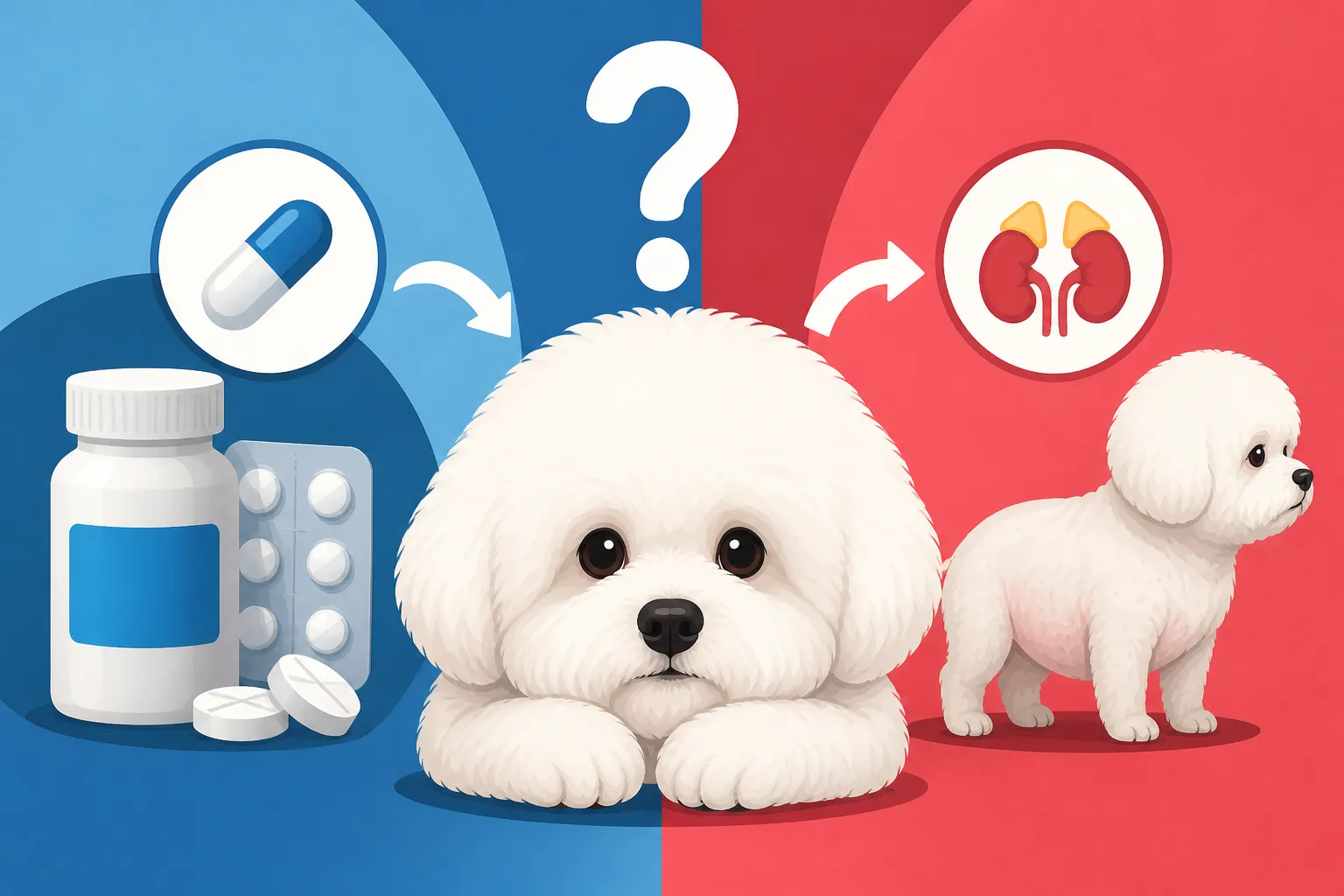
However, there's a third type, which is directly relevant to our discussion: iatrogenic Cushing's disease. This form isn't caused by a tumor or an internal malfunction, but rather by the prolonged or excessive administration of corticosteroids, which are synthetic versions of cortisol. This is where the concern about long-term steroid use truly hits home for many owners. It’s a harsh irony that a medication given to help alleviate symptoms for one condition could, over time, induce another serious illness.
Common Symptoms of Cushing's Disease
Regardless of whether Cushing's is naturally occurring or steroid-induced, the symptoms often look very similar because they all stem from an excess of cortisol. As a Bichon Frise owner, you might start noticing changes that are easy to dismiss as "just getting older" or side effects of their current medications. However, these subtle shifts can be crucial early indicators.
Common signs include increased thirst (polydipsia) and urination (polyuria), which means more potty breaks for your little one. You might find yourself refilling their water bowl much more frequently. Another classic symptom is a pot-bellied appearance, despite no change in diet or even a decrease in appetite. This can be due to weakened abdominal muscles and a redistribution of fat. Excessive panting, even when at rest or in cool temperatures, is also a red flag. Your Bichon might also experience hair loss, particularly on the body and flanks, or a thinning, dull coat. Muscle weakness, lethargy, and a general lack of energy are also commonly observed. If you're seeing these signs, it's vital to investigate further. For a more detailed look at what to watch for, check out The Signs of Cushing's in a Bichon Frise.
Understanding Steroids and Their Use in Bichon Frises
Corticosteroids are powerful medications, and while they can be life-savers, they're not without significant considerations, especially for a breed like the Bichon Frise who might be prone to other conditions. It's natural to feel conflicted when your vet recommends them.
Why Bichons Often Need Steroids
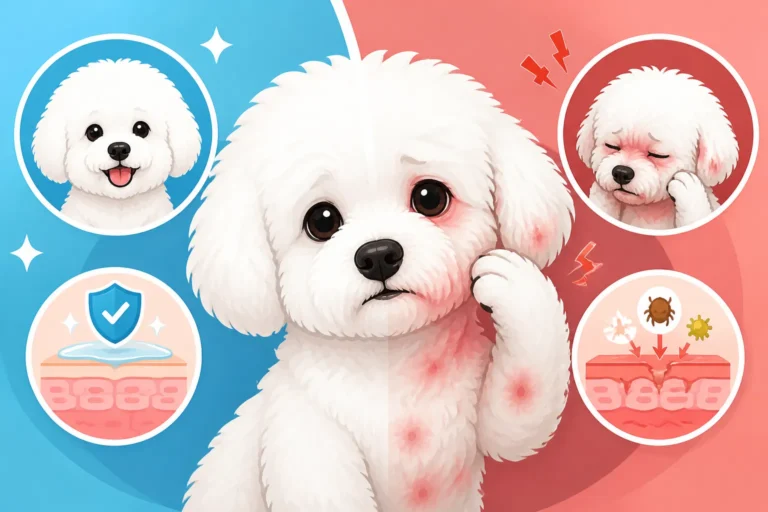
Bichon Frises, like many small breeds, can be prone to certain health issues that frequently require steroid treatment. One of the most common reasons is allergies, particularly atopic dermatitis. This inherited skin condition can cause intense itching, redness, and inflammation, leading your Bichon to constantly scratch, lick, and chew themselves raw. Steroids can quickly reduce this inflammation and bring much-needed relief. You might recognize this struggle if your Bichon constantly licks its paws raw.
Beyond allergies, steroids are used to manage various inflammatory conditions such as certain types of arthritis, inflammatory bowel disease, and even some autoimmune disorders where the immune system mistakenly attacks the body's own tissues. They act as immunosuppressants, dampening down an overactive immune response. While these drugs can dramatically improve a Bichon's quality of life by controlling pain and discomfort, it’s this very power that necessitates careful monitoring.
Different Types and Forms of Steroids
When your vet talks about steroids, they're usually referring to corticosteroids. These aren't the same as anabolic steroids used by bodybuilders. In veterinary medicine, common corticosteroids include prednisone, prednisolone, dexamethasone, and triamcinolone. Each has slightly different potencies and durations of action. They come in various forms: oral tablets, injections, topical creams or sprays, and even eye drops.
The form of steroid administered matters. For instance, oral steroids like prednisone are systemic, meaning they affect the entire body. Injections can also be systemic or localized, depending on where and how they’re given. Topical steroid creams, while often thought to be safer, can still be absorbed through the skin, especially if used over large areas or if your Bichon licks the treated spot. You might wonder Whether Steroid Creams Also Cause It and the answer is yes, they absolutely can contribute to iatrogenic Cushing's due to systemic absorption. It's all about the total amount of steroid circulating in your Bichon's system over time.
Short-Term vs. Long-Term Use Risks
The duration of steroid treatment is a critical factor in determining the risk of iatrogenic Cushing's. Short-term use, perhaps for an acute allergic flare-up or a sudden inflammatory episode, is generally safe and incredibly effective. The body can usually bounce back without significant lasting effects. For example, a week-long course of prednisone to calm a severe ear infection is far less risky than daily doses over several months or years.
The real concern arises with long-term steroid administration. When a Bichon Frise receives synthetic steroids consistently over an extended period, their body's natural cortisol production system starts to shut down. The adrenal glands think, "Hey, we're getting plenty of cortisol from outside, no need to make our own!" They become lazy and can even shrink. The pituitary gland also reduces its ACTH output. This suppression of the natural system is reversible in the short term, but prolonged external steroid intake can cause the adrenal glands to become unresponsive, leading to the symptoms of iatrogenic Cushing's. It's a tricky balance, often forcing owners and vets to weigh the benefits of symptom relief against the potential long-term risks.
The Link Between Steroid Use and Iatrogenic Cushing's
This is the heart of the matter for many worried Bichon Frise owners. It’s perplexing to think a medication designed to help can lead to another serious condition. The connection is direct and often underestimated by those not fully versed in pharmacology.
How External Steroids Affect the Adrenal Glands
When your Bichon Frise is given synthetic corticosteroids, their body interprets these as its own natural cortisol. The brain, specifically the pituitary gland, monitors cortisol levels in the blood. When it detects high levels (from the medication), it signals the adrenal glands to decrease or stop their own production of cortisol. It's a feedback loop, designed to keep hormones in balance.
Over time, if this external steroid supply continues, the adrenal glands become accustomed to not working. They atrophy, meaning they shrink and lose their ability to produce cortisol effectively. This suppression of the adrenal glands is the direct mechanism by which long-term steroid use leads to iatrogenic Cushing's. The body is essentially being flooded with cortisol from the outside, overriding its own internal regulatory system. This prolonged suppression can make it incredibly difficult for the adrenal glands to "wake up" and resume normal function even after the external steroids are stopped, or at least, after the dose is significantly reduced.
Dosage and Duration as Key Factors
It's not just if your Bichon is on steroids, but how much and for how long. Higher doses and longer durations of treatment significantly increase the risk of iatrogenic Cushing's. A low dose of prednisone given every other day for a few weeks is far less likely to cause issues than a high daily dose for months on end. The cumulative effect of the drug on the body's endocrine system is what matters most.
Think of it like this: a small drip of water over a short period won't cause much damage, but a constant, strong flow over weeks or months can erode even solid rock. Similarly, consistent, systemic exposure to corticosteroids keeps the adrenal glands suppressed, eventually leading to their dysfunction. This is why veterinarians are so careful about prescribing steroids, often aiming for the lowest effective dose and trying to taper off as soon as the immediate crisis has passed. Discussing dosages and treatment plans thoroughly with your vet is crucial, especially if your Bichon is frequently on these medications for conditions like The Atopic Skin a Bichon Frise Is Born With.
The Cumulative Effect on a Bichon's System
The body is a complex network, and continuous exposure to excess corticosteroids can have widespread effects beyond just the adrenal glands. It impacts glucose metabolism, leading to insulin resistance and sometimes even diabetes in susceptible individuals. Bone density can decrease, making fractures more likely. The immune system, while initially benefiting from the anti-inflammatory action, can become suppressed, leaving your Bichon more vulnerable to infections.
Every cell and organ system is touched by cortisol, and when it's constantly elevated, either naturally or iatrogenically, the whole body suffers. This cumulative effect is why early recognition and careful management are so vital. It’s not just about stopping the medication; it’s about understanding the cascade of changes that have occurred internally and working to reverse or mitigate them for your Bichon's overall well-being. This is where having good pet insurance, like a policy from Healthy Paws, can be incredibly beneficial, as managing chronic conditions and their potential complications can add up significantly over time.
Recognizing the Signs of Iatrogenic Cushing's
Catching iatrogenic Cushing's early is incredibly important for your Bichon Frise's long-term health. Because the symptoms mirror those of naturally occurring Cushing's, knowing what to look for when your dog is on steroids can help you act quickly.
Subtle Early Indicators to Watch For
Sometimes, the first signs are so subtle that they are easy to miss or attribute to other factors. You might notice your Bichon seems just a tiny bit thirstier than usual, or they might ask to go outside a little more frequently. Their appetite might increase, but instead of gaining healthy muscle, they might look a bit 'softer' or rounder around the middle. Their energy levels might fluctuate, with more noticeable periods of lethargy mixed with their usual bursts of playfulness.
Another subtle sign could be changes in their coat. While a full-blown hair loss often comes later, you might first observe that their usually fluffy white coat seems a bit thinner, less lustrous, or perhaps takes on a slightly different texture. They might also bruise more easily, or their skin might appear thinner and more fragile. Keeping a close eye on these minor deviations from your Bichon's normal behavior and appearance is key, especially if they’ve been on steroids for an extended period.
Classic Symptoms of Steroid Overuse
As iatrogenic Cushing's progresses, the symptoms become much more pronounced and harder to ignore. The classic signs are often referred to as the "four P's": polyuria (increased urination), polydipsia (increased thirst), polyphagia (increased appetite), and pot-bellied appearance. Your Bichon might suddenly need to go out every couple of hours, even through the night, disrupting everyone's sleep. The increased thirst can be alarming, with constant trips to the water bowl.
In addition to these, you'll likely see more significant hair loss, often symmetrical, on their flanks, abdomen, and neck, leaving patches of thin fur or bare skin. The remaining coat might feel dry and brittle. Muscle wasting, particularly in the hindquarters, can lead to weakness and difficulty jumping or climbing. Excessive panting, even in cool environments, is also a very common indicator. Some Bichons might develop calcinosis cutis, a condition where calcium deposits form in the skin, creating hard, raised plaques. These are clear signals that something is seriously amiss with their hormonal balance.
Distinguishing From Other Conditions
This is where it gets tricky. Many of these symptoms, especially the early ones, can be mistaken for other common ailments or simply the effects of aging. For example, increased thirst and urination can also be signs of diabetes in a Bichon Frise or kidney issues. A pot belly could be gas or weight gain. Lethargy could be arthritis or simply a bad day.
The critical difference when considering iatrogenic Cushing's is the history of long-term steroid use. If your Bichon has been on daily or every-other-day steroids for months, especially for conditions like severe allergies, then these symptoms should immediately raise a red flag for steroid-induced Cushing's. Your veterinarian will need to take a thorough history, perform a physical exam, and likely run specific diagnostic tests to confirm the diagnosis and rule out other conditions. These tests might include blood work, a urine analysis, and specialized tests like an ACTH stimulation test or a low-dose dexamethasone suppression test to assess adrenal function. Early and accurate diagnosis is essential for effective management.
Managing and Treating Steroid-Induced Cushing's
Finding out your Bichon Frise has iatrogenic Cushing's can be disheartening, especially when you know the steroids were given with the best intentions. However, the good news is that this form of Cushing's is often more straightforward to manage than the naturally occurring types, as it typically involves addressing the root cause: the external steroid.
The Importance of Gradual Steroid Withdrawal
The absolute most crucial step in managing iatrogenic Cushing's is the careful and gradual withdrawal of the offending steroid medication. You might think, "Great, let's just stop it!" But abrupt cessation of long-term steroid therapy can be incredibly dangerous and even life-threatening for your Bichon. When the adrenal glands have been suppressed for an extended period, they've essentially gone dormant. If you suddenly remove the external steroid, the body won't have enough cortisol, leading to a condition called Addisonian crisis (hypoadrenocorticism), which is the opposite of Cushing's and can be fatal.
Therefore, your veterinarian will work with you to create a very slow, carefully tapered withdrawal schedule. This allows your Bichon's adrenal glands the time they need to slowly "wake up" and begin producing cortisol on their own again. This process can take weeks to months, and close monitoring is essential. During this tapering phase, your vet might even recommend additional diagnostic tests to assess the adrenal glands' recovery. Patience and strict adherence to the vet's instructions are paramount here.
Supportive Care and Monitoring
While tapering off steroids, your Bichon Frise will need diligent supportive care. This often involves managing the symptoms that arose from the Cushing's. If they've developed skin infections due to a compromised immune system, these will need to be treated with antibiotics or antifungals. Any discomfort from muscle weakness or joint issues might require pain management specific to their needs.
Regular check-ups and monitoring are non-negotiable. Your vet will want to see your Bichon frequently to assess their clinical signs, check their general well-being, and potentially repeat blood tests, including cortisol levels, to track the recovery of their adrenal function. You, as the owner, play a vital role in this by observing your dog daily and reporting any changes – good or bad – to your veterinary team. This ongoing partnership ensures that adjustments to the tapering schedule or supportive care can be made promptly. Remember, veterinary care, especially for chronic conditions, can incur significant costs, so having pet insurance from a provider like Healthy Paws can alleviate some of that financial stress.
Long-Term Outlook
The good news for Bichon Frises with iatrogenic Cushing's is that the long-term outlook is generally very good, often much better than for dogs with pituitary-dependent Cushing's. Once the exogenous steroid has been successfully withdrawn and the adrenal glands have regained their function, most Bichons can return to a normal, healthy life with a resolution of their Cushing's symptoms.
However, it's crucial to understand that the underlying condition that required steroids in the first place (e.g., severe allergies like What Atopic Dermatitis Does to a Bichon Frise or inflammatory issues) will still be present. This means you and your vet will need to find alternative ways to manage that condition without relying on long-term systemic steroids. This might involve exploring new medications, dietary changes, or environmental modifications. While your Bichon may live long with Cushing's, addressing the cause of the iatrogenic form offers a more direct path to recovery than treating the natural forms of the disease.
Preventing Steroid-Induced Cushing's in Your Bichon Frise
The best way to deal with iatrogenic Cushing's is to prevent it from happening in the first place. This requires a proactive approach, open communication with your vet, and exploring all available options for managing your Bichon Frise's health.
Exploring Alternatives to Steroids
For conditions that typically prompt steroid use, like allergies, there are often effective alternatives that don't carry the same risks. For instance, for skin allergies, options include antihistamines, omega-3 fatty acid supplements, specialized hypoallergenic diets, and even newer targeted medications like Apoquel or Cytopoint. These newer drugs specifically block the itch pathway without affecting the entire immune system or hormone balance in the same way steroids do. You can find more details on Managing a Bichon Frise's Skin Without Steroids.
For inflammatory conditions, other anti-inflammatory drugs (NSAIDs) might be appropriate, or multimodal pain management strategies. Discuss these alternatives thoroughly with your veterinarian. Sometimes, environmental management, such as reducing allergen exposure or maintaining a strict grooming schedule, can also lessen the need for medications. The goal is always to control the underlying condition using the safest and most effective means available, minimizing reliance on powerful systemic corticosteroids.
Careful Monitoring of Dosage
If steroids are absolutely necessary for your Bichon Frise, then careful management of the dosage is paramount. Always work with your veterinarian to find the lowest effective dose that controls your Bichon's symptoms. The aim should be to use steroids for the shortest possible duration and, if long-term use is unavoidable, to transition to an every-other-day schedule or the lowest possible daily dose. This "alternate-day therapy" can sometimes allow the adrenal glands a chance to recover on the "off" days.
Never adjust your Bichon's steroid dosage on your own, and never stop the medication abruptly. Any changes should be discussed with and directed by your veterinarian. They will guide you through tapering schedules if the drug needs to be reduced or discontinued. Your vigilant observation of your Bichon for any signs of discomfort or recurrence of the initial symptoms is also a crucial part of this monitoring process.
Regular Vet Check-ups and Open Communication
Routine veterinary check-ups are vital for any Bichon Frise, but they become even more critical when your dog is on long-term medication. These visits allow your vet to assess your Bichon's overall health, monitor for potential side effects, and re-evaluate the need for their current medications. Be honest and thorough about your observations at home – even subtle changes in thirst, urination, appetite, or energy levels can be important clues.
It's also essential to communicate openly with your vet about your concerns. Don't be afraid to ask questions about the necessity of steroids, potential alternatives, and the risks involved. A good vet will welcome your proactive involvement in your Bichon's care. Consider discussing the possibility of baseline blood work or periodic screenings to catch any potential issues before they become severe. Investing in a robust pet insurance plan early on, such as one from Healthy Paws, can make these regular check-ups and any necessary diagnostic tests much more manageable financially, encouraging thorough preventive care. This collaborative approach between you and your vet is the best defense against conditions like iatrogenic Cushing's.
Navigating the Cost of Cushing's Management
Let's be realistic: managing any chronic health condition in a beloved pet, especially something as complex as Cushing's or the issues that lead to long-term steroid use, can quickly become a significant financial burden. It’s a worry that often sits in the back of a pet owner’s mind, and it’s completely understandable to feel overwhelmed by the potential costs.
Initial Diagnostics and Confirming the Diagnosis
The first step in addressing any suspected case of Cushing's, whether natural or iatrogenic, is a series of diagnostic tests. This isn't just a simple blood draw; vets typically need to perform specialized tests to accurately diagnose Cushing's and differentiate its forms. For example, an ACTH stimulation test or a low-dose dexamethasone suppression test involves multiple blood samples taken over several hours. These tests, along with general blood work (like a complete blood count and chemistry panel) and a urinalysis, can easily run into several hundreds of dollars.
If initial tests are inconclusive or if your vet suspects an adrenal tumor (which is less common with iatrogenic Cushing's but still a possibility to rule out), they might recommend imaging such as an ultrasound of the adrenal glands. Each of these steps adds to the overall cost before a definitive diagnosis is even reached. For many Bichon Frise owners, these initial diagnostic fees can be a big surprise, especially if they haven't budgeted for such comprehensive veterinary care.
Medication and Ongoing Monitoring Expenses
If your Bichon Frise is diagnosed with iatrogenic Cushing's, the immediate goal is to safely taper off the steroids. However, if they have a naturally occurring form of Cushing's, or if the original condition (like allergies) still needs management after steroid withdrawal, there will be ongoing medication costs. Medications like Trilostane, commonly used to manage pituitary-dependent Cushing's, can be expensive, often costing hundreds of dollars per month depending on the dog's weight and dosage. You can read more about What Cushing's Medication Costs a Bichon Frise Owner Monthly.
Beyond the medication itself, regular monitoring is crucial. This means frequent vet visits for physical exams and follow-up blood tests to ensure the medication is working effectively and to monitor for any side effects or changes in adrenal function. These monitoring tests are often repeated every few months, especially in the initial stages of treatment, and each test incurs its own fee. Over the course of months and years, these recurring costs for medication and monitoring can really add up, sometimes totaling thousands of dollars annually.
The Role of Pet Insurance in Managing Costs
This is precisely where pet insurance can be an invaluable lifeline for Bichon Frise owners. Plans from reputable providers like Healthy Paws are designed to help alleviate the financial strain of unexpected illnesses and chronic conditions. If you enroll your Bichon Frise in a policy before the onset of any symptoms related to Cushing's or other chronic conditions, the diagnosis and ongoing treatment for iatrogenic Cushing's or the underlying condition that necessitated steroids could potentially be covered.
While specific coverage varies by policy, many comprehensive plans help with diagnostic tests, medications, specialist consultations, and ongoing monitoring. Without insurance, owners might face difficult decisions about their pet's care based on affordability. With a good plan, you can focus on providing the best possible care for your Bichon, knowing that a significant portion of the eligible veterinary bills will be reimbursed. It's truly an investment in your peace of mind and your Bichon's long-term health.
Disclaimer
This article is for general informational purposes only and does not constitute professional advice. Laws, prices and regulations vary by location and change over time. Consult a qualified professional for guidance on your specific situation.